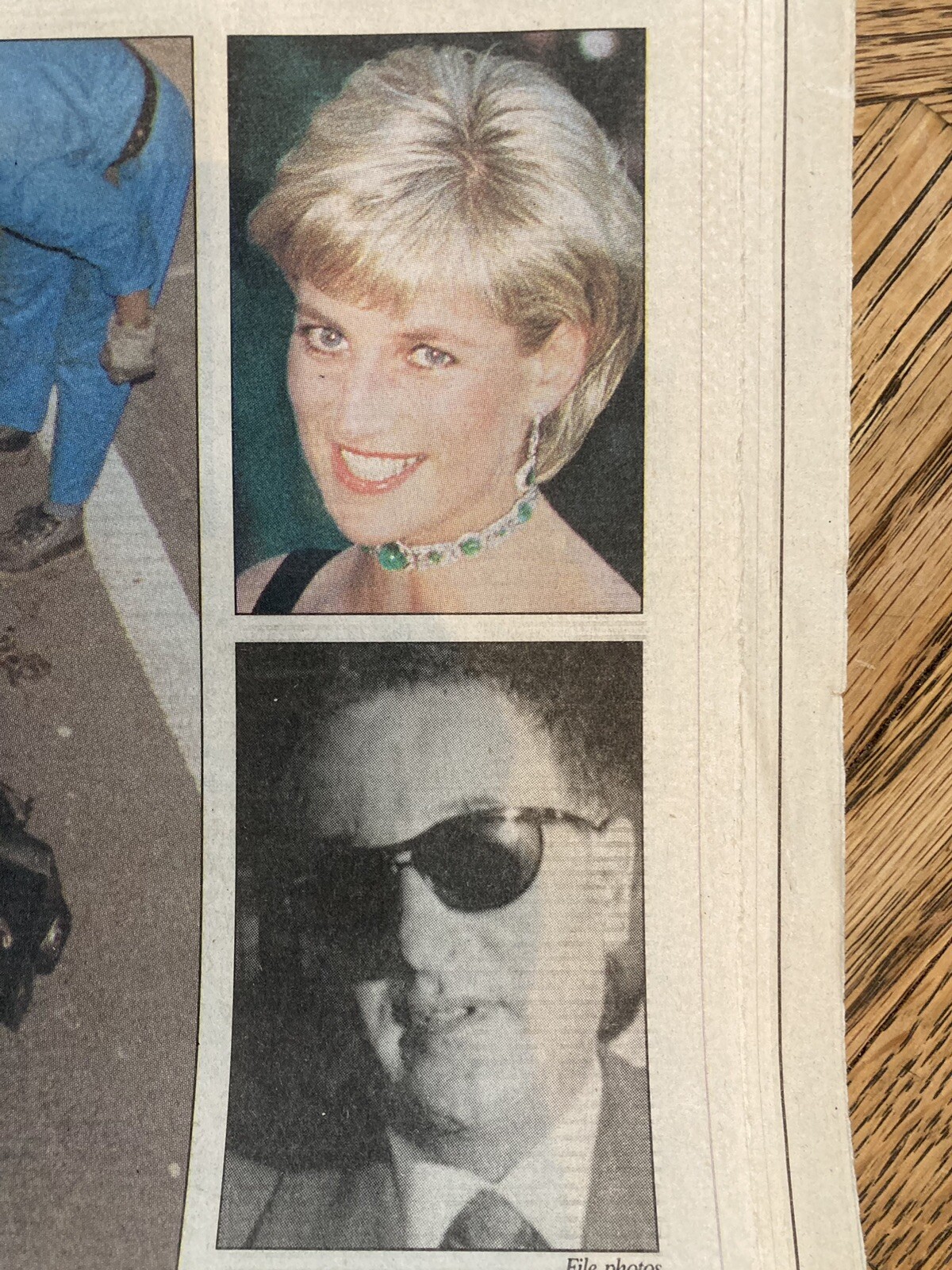
The tragic 1997 car crash in Paris involving Diana, Princess of Wales, Dodi Fayed, and driver Henri Paul fundamentally reshaped global media ethics, celebrity culture, and automotive safety standards. This catastrophic event prompted sweeping international investigations, transformed how modern journalism operates regarding privacy, and permanently altered the public relationship between high-profile figures and the paparazzi.
Historical Background and the Events of August 31, 1997
On the night of August 30, 1997, Diana, Princess of Wales, and her companion Dodi Fayed left the Ritz Hotel in Paris, attempting to evade a persistent group of motorcycle-mounted photographers. To escape the press pack, their vehicle—a Mercedes-Benz S280 driven by the hotel's acting head of security, Henri Paul—entered the Pont de l'Alma tunnel at high speed. Shortly after midnight on August 31, the car lost control and collided violently with the thirteenth pillar supporting the tunnel's roof.
The immediate aftermath drew unprecedented global attention. Dodi Fayed and Henri Paul were pronounced dead at the scene, while bodyguard Trevor Rees-Jones sustained critical injuries but survived. Diana was extricated from the wreckage and transported to the Pitié-Salpêtrière Hospital, where medical personnel pronounced her dead several hours later. The sudden loss of the princess triggered a period of profound public mourning across the United Kingdom and around the world, shifting the collective cultural consciousness regarding public grief, royalty, and media intrusion.
Official Investigations and Findings
The immediate aftermath triggered massive multi-jurisdictional inquiries, most notably the French judicial investigation led by Judge Hervé Stéphan, which concluded in 1999. The French authorities determined that the primary cause of the crash was driver error compounded by severe intoxication. Toxicology reports confirmed that Henri Paul had blood alcohol levels well above both French legal limits and prescription medication thresholds, which significantly impaired his driving judgment and coordination.
Subsequent investigations addressed persistent public doubts, conspiracy theories, and allegations of foul play. In the United Kingdom, Operation Paget was launched in 2004 under the direction of Lord John Stevens, the former Commissioner of the Metropolitan Police. The multi-million-pound inquiry conducted an exhaustive three-year review of the evidence, concluding in 2006 that there was no credible conspiracy to assassinate the princess. The British inquest, held in 2007–2008 before Lord Justice Baker and a jury, officially delivered a verdict of unlawful killing, attributing the result to the grossly negligent driving of Henri Paul and the pursuing paparazzi vehicles that drove dangerously to capture images.
| Investigation Body | Focus Area | Primary Conclusion | Key Factors Identified |
|---|---|---|---|
| French Judicial Inquiry (1999) | Immediate technical and forensic crash analysis | Accidental crash caused by driver error and intoxication | High blood alcohol level, excessive speed, paparazzi pursuit |
| Operation Paget (2006) | Comprehensive UK review of conspiracy allegations | No evidence of conspiracy or foul play | Unsubstantiated rumors debunked, seatbelt usage patterns reviewed |
| UK Coroner's Inquest (2008) | Formal legal determination of cause of death | Unlawful killing through gross negligence | Impaired driving, reckless media pursuit, unbelted passengers |
Impact on Media Ethics and Paparazzi Culture
The aggressive behavior of the tabloid photographers trailing the Mercedes-Benz placed the ethics of aggressive photojournalism under intense international scrutiny. In the wake of the tragedy, public outrage directed at the paparazzi led to immediate calls for stricter regulations and self-policing within the media industry. Publishers faced boycotts, and several countries evaluated tighter restrictions on trespassing, harassment, and long-lens photography of public figures in private or vulnerable moments.
Furthermore, the tragedy catalyzed revisions to press codes of conduct across Europe. Regulatory bodies strengthened guidelines regarding the harassment of minors, the use of coercive tactics, and the publication of material obtained through unlawful intrusion. While freelance photographers and agencies continued to pursue high-value celebrity imagery, the event forced mainstream media outlets to adopt more rigorous verification standards regarding the acquisition and publication of contentious photographs.
Automotive Safety and Crash Survivability Insights
The technical examination of the 1997 accident provided critical data points for automotive safety researchers studying high-speed urban collisions. The vehicle involved, a W140-generation Mercedes-Benz S-Class, was widely regarded as one of the safest production sedans of its era, featuring advanced crumple zones, a rigid passenger cell, and early airbag technology. Forensic engineers analyzed how the vehicle's structural integrity performed during the severe frontal-lateral impact against the concrete pillar.
A pivotal finding from the mechanical and medical analyses centered on seatbelt utilization. Investigators confirmed that while the front seat occupants—including the driver and the bodyguard—were wearing seatbelts, the rear passengers, Diana and Dodi Fayed, were not buckled at the moment of impact. This omission significantly increased the severity of their injuries within the collapsing cabin. The incident became a prominent case study in public health campaigns emphasizing universal seatbelt compliance, demonstrating that even advanced automotive safety engineering cannot fully protect unrestrained occupants in high-speed deceleration events.
Societal Transformation and the Legacy of Public Mourning
The public reaction to the 1997 accident marked a profound shift in societal attitudes toward emotional expression and traditional institutions. In the United Kingdom, the overwhelming sea of floral tributes left outside Kensington and Buckingham Palaces challenged the long-standing British cultural tradition of emotional restraint, often characterized by the "stiff upper lip." The monarchy faced intense public pressure to respond visibly and empathetically to the national trauma, leading to an evolution in how the royal family communicated with the public during times of crisis.
This cultural watershed also birthed new paradigms in philanthropic advocacy. The charitable organizations and causes championed by Diana—ranging from international landmine clearance campaigns to HIV/AIDS awareness—received renewed global momentum as the international community sought to honor her legacy through sustained humanitarian efforts. The enduring memory of the tragedy continues to influence discussions surrounding the emotional burdens borne by individuals living under intense public scrutiny.
Frequently Asked Questions
What was the official cause of the 1997 accident?
Official inquiries by both French and British authorities concluded that the crash was caused by the driver, Henri Paul, who was driving at excessive speeds while under the influence of alcohol and prescription medication. His impaired state, combined with the dangerous pursuit of pursuing paparazzi vehicles, caused him to lose control of the vehicle in the Pont de l'Alma tunnel.
Were the passengers wearing seatbelts during the crash?
Forensic investigations revealed that the front-seat occupants were wearing seatbelts, which contributed to the survival of the bodyguard, Trevor Rees-Jones. However, neither Diana nor Dodi Fayed in the rear seats were wearing seatbelts, which contributed directly to the fatal severity of their impact injuries inside the cabin.
Did the paparazzi face criminal charges following the tragedy?
Several photographers were initially detained and investigated under French law for manslaughter and failing to assist persons in danger. However, the charges were ultimately dismissed by French courts in 2002, as judges ruled that the immediate cause of the accident was the driver's intoxication and excessive speed rather than the direct physical contact of the photographers' motorcycles.
How did the 1997 accident change the media industry?
The tragedy initiated a global debate regarding the ethics of aggressive photojournalism and celebrity privacy. It prompted several mainstream media organizations to reject unsolicited paparazzi photographs, spurred tighter regulatory oversight on harassment, and accelerated public discussions on the boundaries of free speech versus personal safety.
What role did the Mercedes-Benz vehicle play in the investigation?
The vehicle underwent extensive forensic examination by automotive experts to determine its mechanical roadworthiness before the crash. Engineers confirmed that the car had no mechanical defects or pre-existing steering failures, validating that the collision was entirely the result of environmental and behavioral factors rather than vehicular malfunction.
Ensuring Personal Safety and Modern Vehicle Preparedness
To minimize the risks associated with high-speed transit and unpredictable road environments, motorists and passengers should prioritize fundamental safety protocols. Always verify that all vehicle occupants are securely fastened with seatbelts before the vehicle is put into motion, as rear-seat unbelted occupants represent a severe hazard to themselves and others during sudden decelerations. Furthermore, drivers must remain strictly unimpaired by alcohol, fatigue, or prescription substances, ensuring optimal reaction times and situational awareness under all driving conditions.