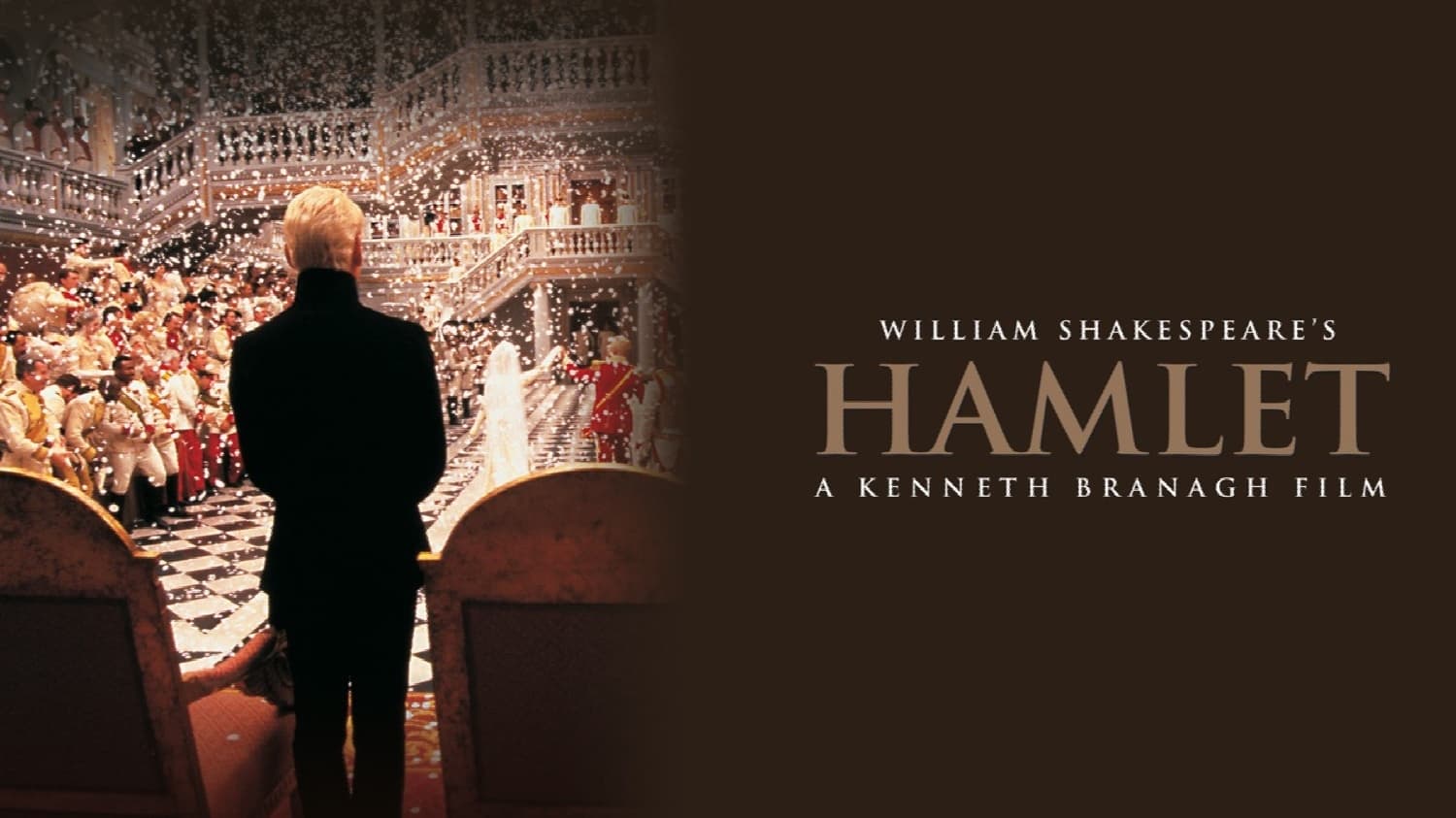
The 1996 film year represents a pivotal era in cinema history, characterized by the explosive rise of independent cinema distribution, the maturation of early computer-generated imagery, and a massive shift in global box office demographics. This twelve-month period bridged the gap between the gritty, practical-effect-heavy filmmaking of the late 1980s and early 1990s and the high-concept, digitally integrated blockbusters that would come to define the turn of the millennium.
The Cultural and Technological Shift in Mid-1990s Cinema
Examining the cinematic landscape requires understanding the collision between traditional celluloid traditions and emerging digital workflows. By 1996, the commercial success of breakthroughs from the previous year had proved that high-concept science fiction and ambitious visual effects could dominate global box offices. Consequently, studios greenlit increasingly complex productions that relied heavily on computer-generated imagery for background extensions, digital matte paintings, and fully rendered characters.
Simultaneously, the independent film movement experienced a commercial golden age. Following the festival breakout successes of the early 1990s, specialty divisions of major studios and dedicated indie distributors aggressively acquired eccentric, low-budget, and character-driven screenplays. This dual-track ecosystem allowed idiosyncratic auteur visions to share multiplex screens with massive tentpole events, creating a uniquely diverse theatrical marketplace.
Defining Subgenres and Box Office Giants of the Era
The commercial output of the year can be broadly categorized into distinct production tiers, ranging from domestic disaster epics to dark crime thrillers and groundbreaking animated features. Studios refined the formula for the modern high-concept summer tentpole, emphasizing global appeal, rapid pacing, and spectacular set pieces designed to transcend language and cultural barriers.
At the same time, gritty neo-noir narratives and quirky independent comedies captured the zeitgeist of Generation X. Filmmakers utilized unconventional nonlinear storytelling, sharp pop-culture-infused dialogue, and cynical antiheroes to resonate with younger, media-literate audiences. This creative tension between safe, globally palatable blockbusters and risky, edgy storytelling defined the commercial health of the industry.
| Category | Defining Characteristics | Prominent Production Examples | Primary Market Impact |
|---|---|---|---|
| Global Disaster & Sci-Fi Epics | Large-scale destruction, ensemble casts, heavy visual effects | Independence Day, Twister, Daylight | Set new benchmarks for summer box office dominance and event-movie marketing. |
| Independent & Specialty Dramas | Low budgets, character studies, regional settings, sharp dialogue | Fargo, Trainspotting, Sling Blade | Proved that specialty titles could achieve crossover mainstream profitability. |
| Innovative Animation | Transition from traditional cel painting to hybrid digital techniques | Toy Story (early release tail), The Hunchback of Notre Dame, James and the Giant Peach | Accelerated the industry-wide migration toward computer-assisted animation pipelines. |
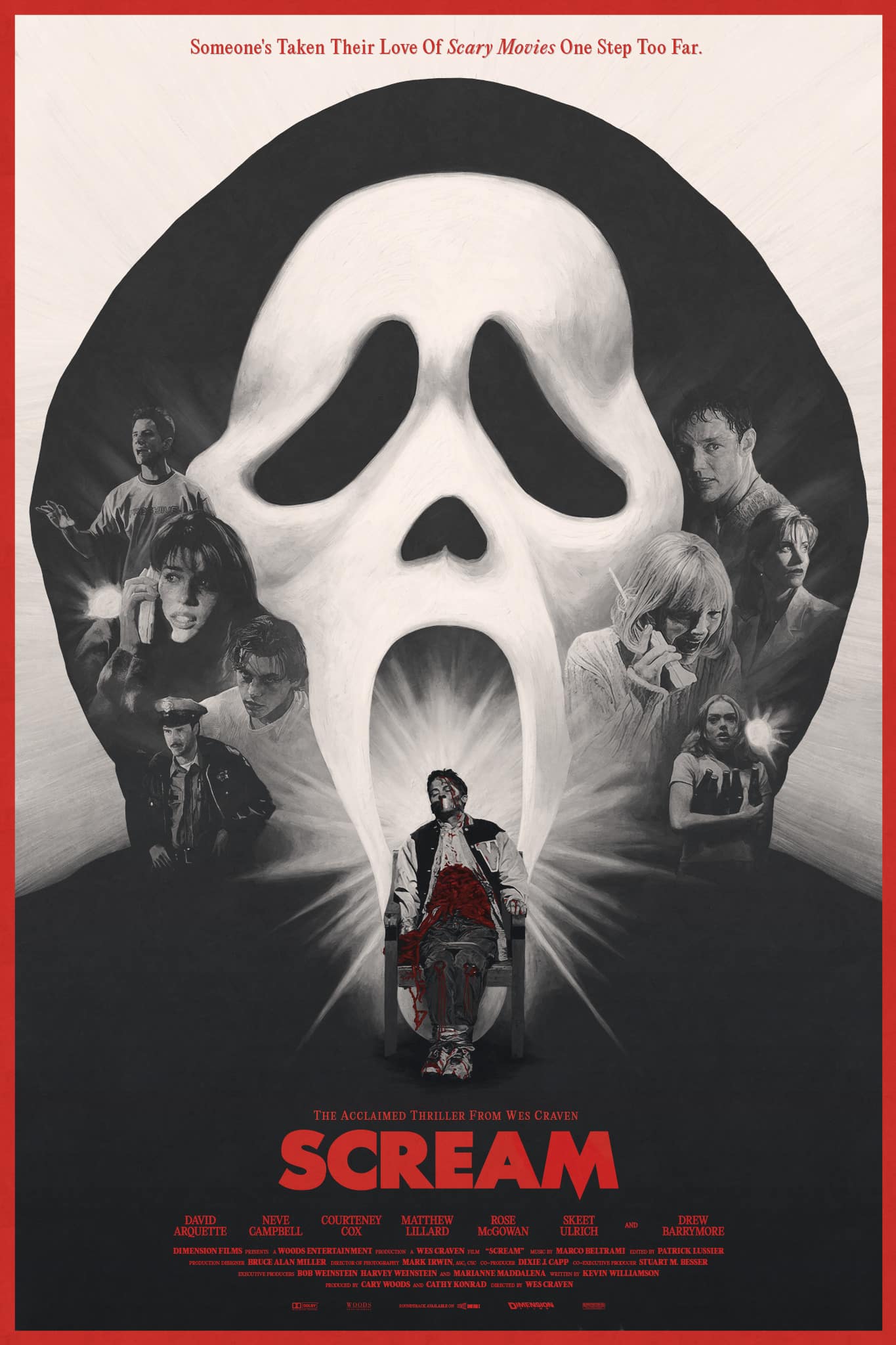
| Revitalized Slashers & Thrillers | Meta-commentary, self-aware horror tropes, glossy production values | Scream, The Rock, Primal Fear | Resuscitated dormant commercial genres by injecting irony and star-driven action. |
The Explosion of Independent Cinema and Specialty Distributors
The mid-1990s indie boom fundamentally altered how motion pictures were financed, marketed, and consumed. Companies such as Miramax, October Films, and Sony Pictures Classics transformed from minor art-house curators into major industry players capable of launching aggressive, nationwide marketing campaigns for films produced on modest budgets.
This environment fostered distinct storytelling styles that rejected conventional Hollywood gloss in favor of regional accents, morally ambiguous protagonists, and deeply cynical or deadpan humor. Critical darlings from this era demonstrated that audiences hungered for authentic regional specificity, proving that a film set in the snowy American Midwest or the bleak housing estates of Edinburgh could achieve massive international resonance without diluting its distinct local identity.
Technological Milestones and Production Workflows
Behind the scenes, the mechanics of filmmaking were undergoing a silent revolution. While celluloid film stock remained the undisputed standard for image capture, post-production workflows began incorporating non-linear digital editing systems. These digital tools drastically reduced the time required to cut scenes, test alternative scoring cues, and experiment with pacing long before a final print was struck.
Visual effects houses expanded their pipelines to handle complex compositing challenges. The integration of live-action plates with digital elements became smoother, allowing directors to visualize impossible perspectives and scale up crowd simulations. These technological steps laid the technical foundation for the fully digital pipelines that would completely replace optical printing and physical film manipulation in the ensuing decade.
Critical Reception and Long-Term Legacy on Modern Media
Evaluating the historical footprint of this cinematic period reveals a profound and lasting impact on contemporary media consumption. Many of the breakout hits and critical masterworks from this twelve-month window continue to influence modern television serials, streaming thrillers, and blockbuster franchise building.
Furthermore, the marketing strategies pioneered during this era—such as utilizing early internet websites for viral marketing, saturation booking across thousands of screens, and merchandising tie-ins—became the permanent playbook for global studio distribution. By studying this specific year, film historians and media scholars gain critical insight into the structural mechanics that govern modern entertainment economics today.
Frequently Asked Questions
What made this specific year historically significant for the motion picture industry?
This period marked a high-water mark for the commercial intersection of independent cinema and major studio blockbusters. It demonstrated that mid-budget auteur-driven projects could coexist successfully with massive, effects-heavy event films, fundamentally shaping the modern multiplex business model.
How did visual effects evolve during this production cycle?
Visual effects transitioned rapidly from experimental computer graphics into essential storytelling tools. Studios routinely integrated digital matte paintings, wire-removal software, and early particle simulations to enhance realism in action sequences and disaster epics.
Were independent productions financially viable during this era?
Yes, specialty distributors proved that targeted marketing and platform theatrical releases could turn low-budget features into massive financial windfalls. This commercial validation attracted corporate investment to independent production companies on an unprecedented scale.
What role did home video play in shaping the success of these titles?
The explosive growth of the VHS rental market provided a crucial secondary revenue stream. Many films that underperformed during their initial theatrical runs achieved cult status and profitability through widespread home video distribution.
How has the cinematic output of this era influenced contemporary filmmaking?
Modern franchise building, self-referential horror meta-commentary, and the widespread adoption of hybrid digital editing workflows can trace their direct operational lineage back to the production standards established during this mid-90s window.
Strategic Next Actions for Film Scholars and Collectors
For researchers, archivists, and enthusiasts seeking to deepen their understanding of this era, the most effective approach involves direct archival examination. Prioritize viewing original theatrical cuts in pristine home media formats or restored repertory screenings to appreciate the native aspect ratios and sound design. Cross-reference primary box office data with contemporary trade publications to understand the financial context behind individual greenlight decisions, ensuring a holistic perspective on late-twentieth-century media history.