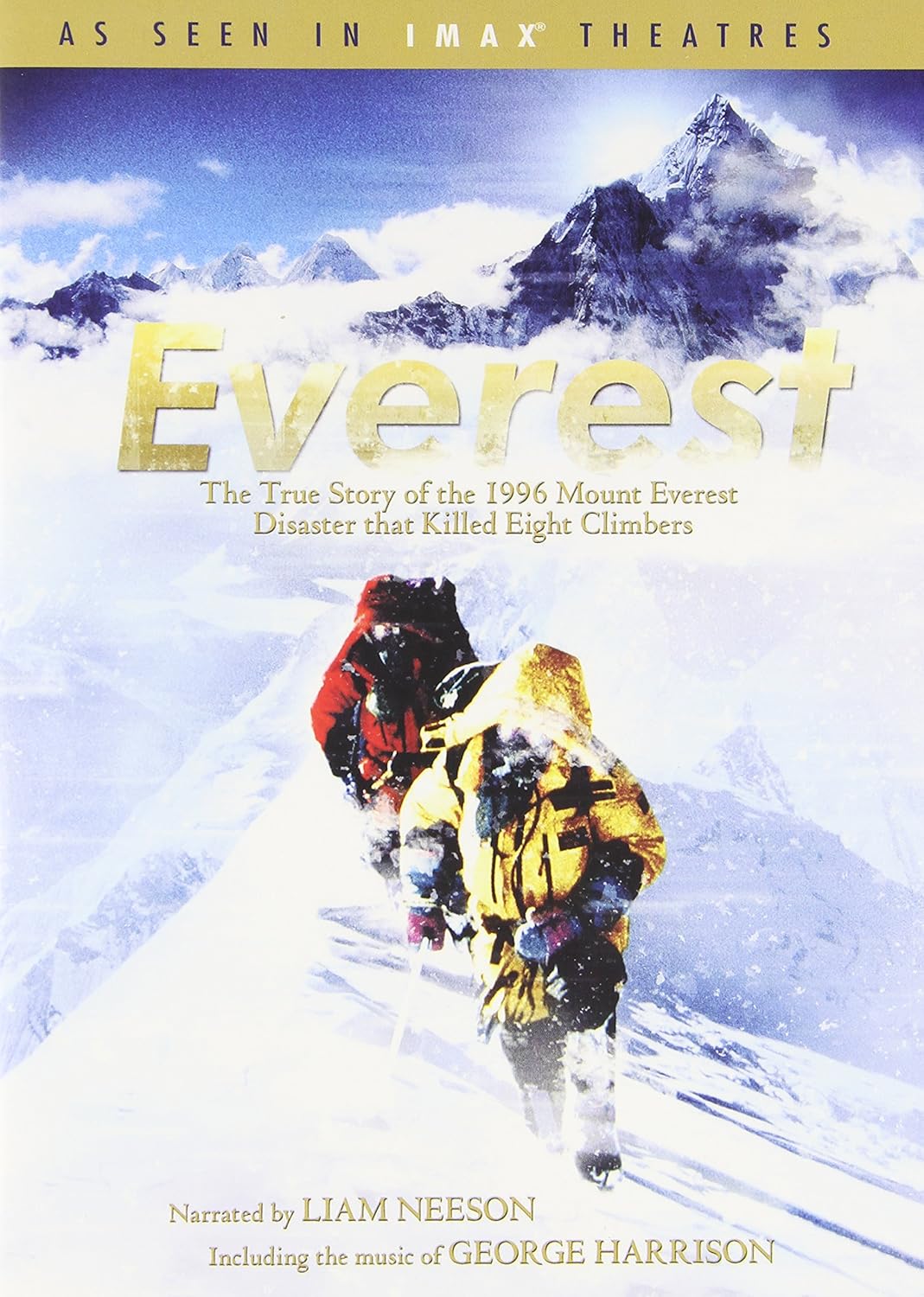
The 1996 Everest documentary refers to various film and television records documenting the deadliest season on Mount Everest, most notably David Breashears' IMAX film Everest and Frontline's investigative feature Storm Over Everest. These visual accounts capture the harrowing May 1996 blizzard that claimed eight lives, providing historical evidence of high-altitude mountaineering dynamics, commercial expedition structures, and emergency survival decisions.
Historical Context of the 1996 Mount Everest Disaster
The spring climbing season of 1996 on Mount Everest became a watershed moment in modern mountaineering history. Commercial guiding on the world's highest peak had expanded rapidly, allowing clients with varying degrees of technical mountaineering experience to attempt summits previously reserved for elite mountaineers. On May 10, 1996, multiple commercial and independent teams converged near the summit ridge. A sudden, severe blizzard struck the mountain during the afternoon descent, trapping climbers above the South Col in sub-zero temperatures, hurricane-force winds, and near-zero visibility.
Eight climbers lost their lives over the course of May 10 and 11, including experienced expedition leaders Rob Hall of Adventure Consultants and Scott Fischer of Mountain Madness. The scale of the disaster, combined with the presence of journalists and filmmakers on the mountain, ensured intense public scrutiny. The subsequent documentation shifted how the public, regulatory bodies, and climbing communities viewed commercial high-altitude tourism, oxygen usage, turnaround times, and the ethics of guiding clients in the death zone.
Key Cinematic Adaptations and Documentaries
Several prominent visual records emerged from the 1996 disaster, each serving a different storytelling purpose and utilizing distinct technical formats. The primary cinematic artifacts fall into theatrical IMAX releases, television investigative journalism, and retrospective analyses produced in the years following the event.
The table below outlines the primary documentaries and visual records associated with the 1996 disaster, detailing their format, release context, and primary focus.
| Title / Production | Format | Release Year | Primary Focus & Significance |
|---|---|---|---|
| Everest (IMAX) | 70mm Large-Format Feature | 1998 | Follows David Breashears' team as they pause their summit bid to assist rescue operations; celebrated for groundbreaking high-altitude cinematography. |
| Storm Over Everest | PBS Frontline Television Special | 2008 | Directed by veteran climber David Breashears, this investigative documentary relies on extensive survivor interviews and historical footage to reconstruct the timeline and ethical questions of the disaster. |
| Seconds from Disaster: Into the Death Zone | National Geographic Documentary Series | 2004 | Reconstructs the 1996 disaster using forensic engineering, weather modeling, and timeline analysis to explain the physiological and meteorological factors involved. |
| The Mountain (Archival News Specials) | Broadcast News and Documentaries | 1996 | Immediate global news coverage following the rescue of surviving climbers and the recovery of accounts from base camp correspondents. |
The IMAX Everest Production and the Rescue Convergence
The most famous visual record of the era is the 1998 IMAX film Everest, produced and co-directed by David Breashears alongside Ed Viesturs, Araceli Segarra, and a large technical crew. The production team was already on the mountain filming a large-format documentary about the human spirit and the mechanics of climbing Everest when the May 10 blizzard struck.
Rather than continuing their original cinematic schedule, the IMAX crew integrated their resources, oxygen supplies, and personnel into the rescue operations coordinated from the South Col and Base Camp. Breashears and his team captured rare footage of the aftermath, including the physical exhaustion of survivors, the logistics of high-altitude medical triage, and the bleak reality of the South Col environment. The resulting film achieved commercial success while serving as a primary historical document of the event's immediate aftermath, blending stunning visual vistas of the Himalayas with raw human drama.
Investigative Journalism and Storm Over Everest
A decade after the tragedy, filmmaker and mountaineer David Breashears returned to the subject with Storm Over Everest, broadcast as part of the PBS Frontline series in 2008. While the 1998 IMAX film focused heavily on the visual grandeur and the immediate rescue efforts, Storm Over Everest adopted a forensic, investigative approach.
The documentary features candid, in-depth interviews with surviving guides, clients, and Sherpa team members, including Neal Beidleman, Anatoli Boukreev, and Jon Krakauer. It examines controversial tactical decisions, such as bottleneck formations at the Hillary Step, missed turnaround times, the depletion of supplemental oxygen bottles, and communication failures between teams. By assembling firsthand accounts from multiple perspectives, the production provides a structured timeline that helps researchers and mountaineers understand how minor compounding errors led to catastrophic outcomes in the death zone.
Physiological Realities and the Death Zone Challenge
Understanding the visual narratives of 1996 requires examining the physiological constraints of climbing above 8,000 meters (26,247 feet), a region universally known as the death zone. At this altitude, atmospheric pressure is roughly one-third of sea-level pressure, meaning each breath delivers approximately one-third of the oxygen molecules available at sea level. The human body cannot acclimatize indefinitely to these conditions; instead, it undergoes progressive cellular deterioration.
Documentaries like Storm Over Everest and Seconds from Disaster emphasize how hypoxia impairs cognitive function, decision-making speed, and physical coordination. Climbers trapped in the storm experienced severe mental confusion, exhaustion, and acute mountain sickness (AMS), which hindered their ability to find tents, operate radios, or recognize impending frostbite and hypothermia. The cinematic records capture not merely a weather event, but the physiological vulnerability of human beings operating at the absolute limit of survival capacity.
Evolution of Commercial Expedition Safety Standards
The public exposure generated by the 1996 documentaries triggered significant structural changes within the commercial mountaineering industry. Before 1996, guiding standards, client-to-guide ratios, and emergency medical protocols varied widely across different outfitters operating in Nepal and Tibet.
Subsequent years saw the implementation of stricter self-regulation and governmental oversight:
- Mandatory Guide Qualifications: Guides must hold internationally recognized certifications, such as IFMGA (International Federation of Mountain Guides Associations) credentials, ensuring standardized technical competence.
- Client Screening Processes: Reputable commercial operators instituted rigorous pre-expedition vetting to verify that clients possess documented high-altitude mountaineering experience before attempting 8,000-meter peaks.
- Communication and Tracking: Satellite communication, continuous GPS tracking, and dedicated medical support at Base Camp became standard operating procedures for commercial teams.
- Oxygen Infrastructure: Expanded reserves of supplemental oxygen and improved regulator technology reduced the risk of sudden depletion during unexpected delays.
Frequently Asked Questions
What is the most accurate documentary about the 1996 Everest disaster?
Storm Over Everest (2008), directed by David Breashears for PBS Frontline, is widely regarded as the most thorough investigative documentary. It combines extensive interviews with primary survivors, historical photographs, and forensic reconstruction to examine the timeline and decisions that led to the tragedy.
Where can I watch the 1998 IMAX Everest documentary?
The 1998 IMAX film Everest is available on various digital streaming platforms, specialized documentary archives, and physical media formats such as Blu-ray. Availability varies by region and streaming provider licensing agreements.
Did the IMAX film crew participate in the 1996 rescue?
Yes. The IMAX production crew, led by David Breashears, paused their filming objectives on May 10 and 11, 1996, to redirect their oxygen supplies, radios, and personnel toward assisting exhausted survivors and supporting rescue teams on the mountain.
How does the 1996 documentary compare to the 2015 feature film Everest?
The 1998 and 2008 documentaries are non-fiction works relying on archival footage, photographs, and interviews with actual participants. The 2015 Hollywood feature film Everest is a dramatized biographical survival film inspired by the events of 1996, utilizing professional actors and cinematic special effects.
What caused the high fatality rate during the 1996 storm?
The fatalities resulted from a combination of compounding factors: severe bottleneck delays at technical sections on the summit ridge, missed turnaround times, physical exhaustion, acute hypoxia, sudden blizzard conditions that caused whiteout disorientation, and communication failures between different expedition teams.
Recommended Viewing and Archival Verification
For researchers, historians, and mountaineering enthusiasts seeking to examine the 1996 season objectively, viewers should prioritize viewing both the 1998 IMAX Everest for visual context and the 2008 PBS Frontline Storm Over Everest for analytical depth. Comparing these visual records against written accounts, such as Jon Krakauer's Into Thin Air and Anatoli Boukreev's The Climb, provides a balanced, multi-perspective understanding of the tragedy. Always consult established historical archives, mountaineering journals, and official expedition reports for verified primary source data.