A 1995 marriage refers to a legal union solemnized in the calendar year 1995, carrying specific historical, legal, and financial implications for couples navigating long-term partnerships, estate planning, or potential dissolution decades later.
Historical and Cultural Context of Marriages in the Mid-1990s
Marriages formed in 1995 took place during a distinct transitional period in social history, sitting at the midpoint of the digital revolution and the threshold of the 21st century. Culturally, couples marrying in the mid-1990s experienced shifting domestic expectations, as traditional gender roles within households continued to evolve alongside rising female labor force participation. Economically, the mid-1990s featured moderate inflation, fluctuating housing markets, and evolving tax codes that directly impacted how newly married households established credit, purchased property, and planned for long-term financial security.
Understanding this era requires acknowledging the technological baseline of the time. Couples organizing weddings or managing early marital finances in 1995 did so largely through paper records, physical banking, and landline communication, long before the advent of digital wedding registries, online financial management applications, or electronic government filings. This analog foundation means that vital records—such as marriage certificates, initial property deeds, and early joint tax returns—are typically archived in physical county clerk offices or state archives rather than centralized cloud databases, requiring deliberate retrieval methods for modern legal or genealogical needs.
Legal Frameworks and Statutory Requirements in 1995
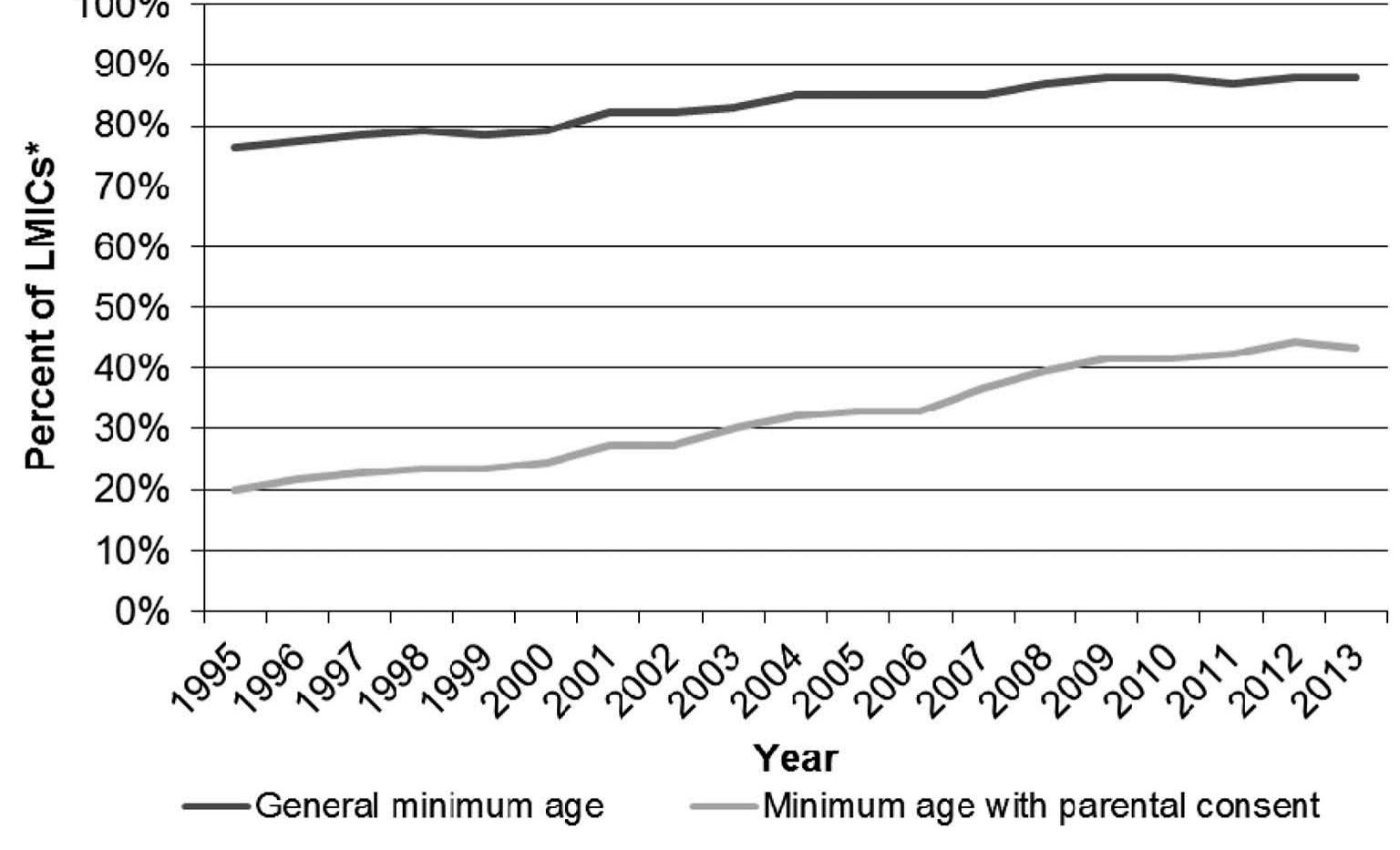
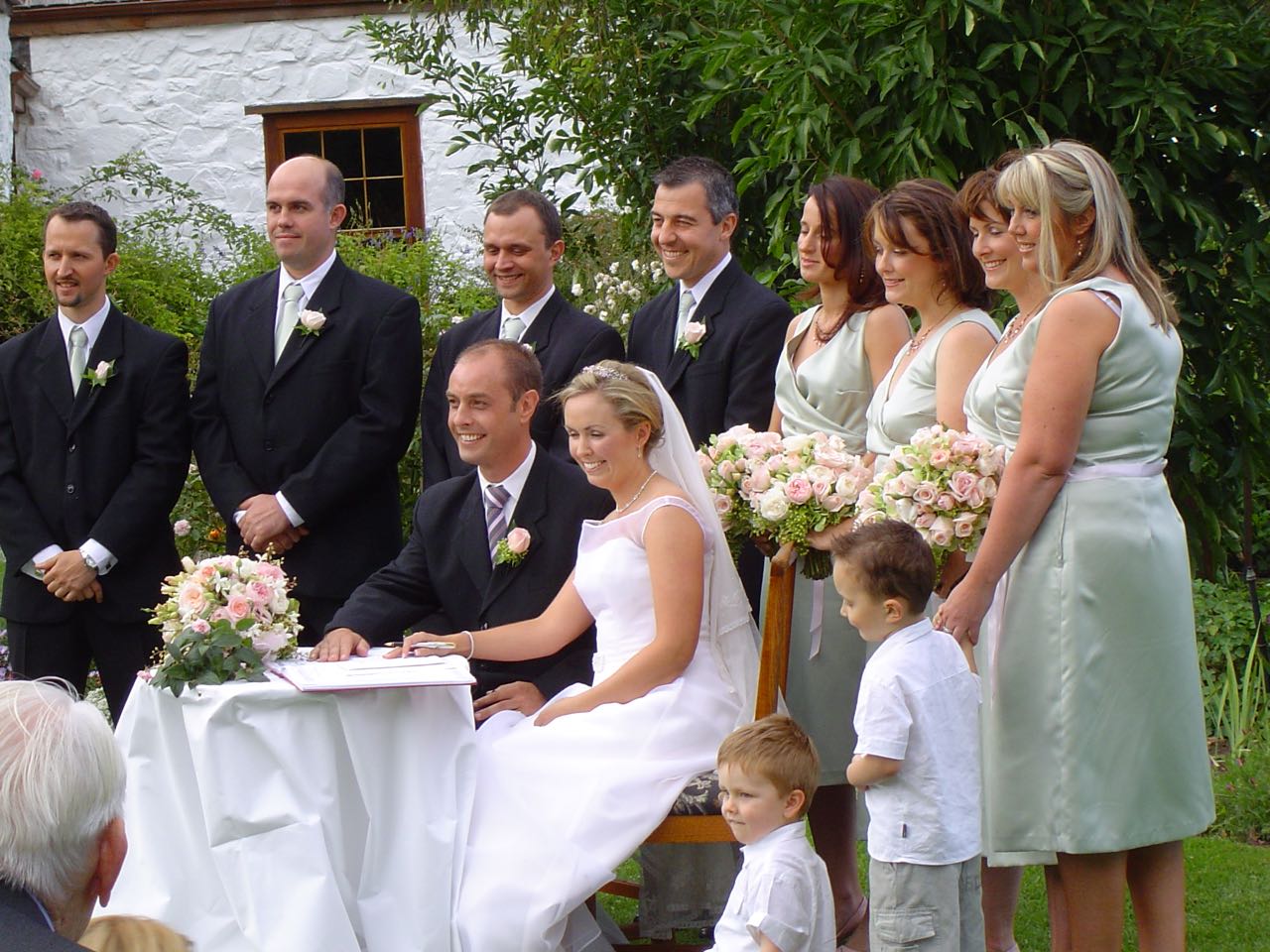
The legal requirements governing a marriage solemnized in 1995 depended entirely on the jurisdiction in which the ceremony took place, typically adhering to state laws in the United States or national laws in international contexts. Generally, requirements included obtaining a valid marriage license from a local government authority, observing a mandatory waiting period between application and issuance, and fulfilling age requirements or securing parental consent for minors. Furthermore, solemnization required an authorized officiant—such as a member of the clergy or a designated civil magistrate—and the presence of legal witnesses who signed the marriage register.
| Legal Element | 1995 Standards & Practices | Modern Implications (2026) |
|---|---|---|
| Record Keeping | Primarily paper-based ledgers, microfiche, and physical county archives. | Transitioning to digitized state portals, though original paper certificates remain primary proof. |
| Name Changes | Traditional common-law assumption or court petition; heavy reliance on physical Social Security and DMV visits. | Streamlined administrative updates, though identity verification protocols have tightened significantly. |
| Property & Assets | Common law vs. community property rules strictly tied to state statutes of the era. | Long-term asset commingling, retirement account accrual, and estate planning implications. |
| Tax Filing Status | Standard federal and state joint filing options with distinct tax brackets for married couples. | Decades of accumulated tax history affecting retirement distributions and survivor benefits. |
Financial and Property Rights Established Over Three Decades
A marriage lasting from 1995 to the present day accumulates a complex web of financial history, asset acquisition, and legal rights. Over a span exceeding three decades, couples typically transition through multiple financial milestones, including purchasing real estate, funding retirement accounts, raising children, and managing debt. Legally, assets acquired during this timeframe are subject to state-specific matrimonial property laws, which dictate whether property is classified as individually owned or jointly shared marital property.
As these unions mature, the intersection of marriage laws and financial planning becomes increasingly critical. For instance, contributions made to employer-sponsored retirement plans, pensions, and Social Security spousal benefits are heavily influenced by the duration of the marriage. Under United States federal law, for example, a marriage lasting ten years or longer qualifies a divorced non-working or lower-earning spouse to claim Social Security benefits based on their ex-spouse's earnings record, a threshold a 1995 marriage easily surpasses. Similarly, inheritance rights, intestate succession laws, and medical power of attorney defaults automatically favor a surviving legal spouse, reinforcing the enduring legal weight of a mid-1990s union.
Locating and Verifying 1995 Marriage Records
Verifying or retrieving documentation for a 1995 marriage is a common requirement for genealogy, immigration applications, legal proceedings, or estate administration. Because these records predate modern online vital statistics portals in many jurisdictions, the retrieval process often requires contacting the specific county clerk, town hall, or state department of health where the marriage license was originally issued and recorded.
- Identify the Issuing Jurisdiction: Determine the exact city, county, and state where the marriage license was purchased and filed, as vital statistics are rarely centralized at a national level.
- Contact the Appropriate Agency: Reach out to the county vital statistics office or state archives, checking their specific protocols for historical record requests.
- Submit Required Information: Provide essential details, including the full legal names of both spouses at the time of the marriage, the exact or approximate date of the ceremony, and the location.
- Pay Statutory Fees: Cover the required search and copy fees, which vary by jurisdiction, and specify whether you require an informational copy or a certified legal copy.
Common Legal and Administrative Challenges
Couples or researchers dealing with a 1995 marriage frequently encounter specific administrative hurdles stemming from the technological limitations and legal standards of the era. One common challenge involves name changes; individuals who changed their surnames upon marrying in 1995 may have updated their driver's licenses and Social Security cards at the time but failed to properly update property titles, professional licenses, or bank accounts, creating discrepancies that surface decades later during refinancing or estate settlement.
Another frequent complication involves the verification of dissolutions or previous marriages. If either partner was previously married before 1995, proving the legal dissolution of those prior unions is a strict prerequisite for validating the 1995 marriage. Locating old divorce decrees from the 1970s, 1980s, or early 1990s often requires navigating archived court records that have not been digitized. Legal professionals recommend auditing historical marriage and divorce documentation proactively when undertaking comprehensive estate planning or applying for complex international immigration benefits.
Frequently Asked Questions About 1995 Marriages
Are marriage certificates from 1995 considered legally valid today?
Yes, a marriage certificate issued legally in 1995 remains fully valid today, provided the marriage was never legally dissolved through divorce or annulment. These historical documents continue to serve as primary legal proof of marital status for tax, insurance, and inheritance purposes.
How do I obtain a copy of a 1995 marriage certificate?
You can obtain a certified copy by contacting the vital statistics office of the specific county or state department of health where the marriage license was originally filed in 1995. Most jurisdictions allow requests via mail, online portals, or in-person visits, subject to state-specific public disclosure and identity verification laws.
Does a 1995 marriage automatically grant spousal rights for federal benefits?
Yes, federal agencies recognize valid marriages from 1995 for spousal benefits, including Social Security survivor and retirement benefits, veterans' spousal provisions, and federal tax filing statuses, provided the statutory duration and eligibility requirements are met.
What should I do if my 1995 marriage record cannot be found?
If a search of the local county clerk records yields no results, expand the search to neighboring counties where the ceremony might have taken place, or consult state-level vital archives. In cases where records were lost or destroyed, legal alternatives such as delayed registration affidavits or secondary evidence of marriage may be required.
How does the length of a 1995 marriage impact asset division in a divorce?
Because a marriage from 1995 constitutes a long-term marriage under family law in most jurisdictions, courts generally approach asset division with the presumption of an equitable split or equal division of all marital property accumulated over the decades, while also heavily weighing spousal maintenance and long-term financial interdependence.
Securing and Updating Your Marital Documentation
When managing affairs tied to a 1995 marriage, prioritize auditing your physical and digital recordkeeping. Order at least two certified copies of the original marriage certificate from the issuing government authority to keep one securely stored for estate planning and use the other for active administrative updates. Consult with a qualified family law attorney or estate planner to ensure that your wills, trusts, and beneficiary designations fully reflect your current intentions in light of the legal protections established by a long-standing union.