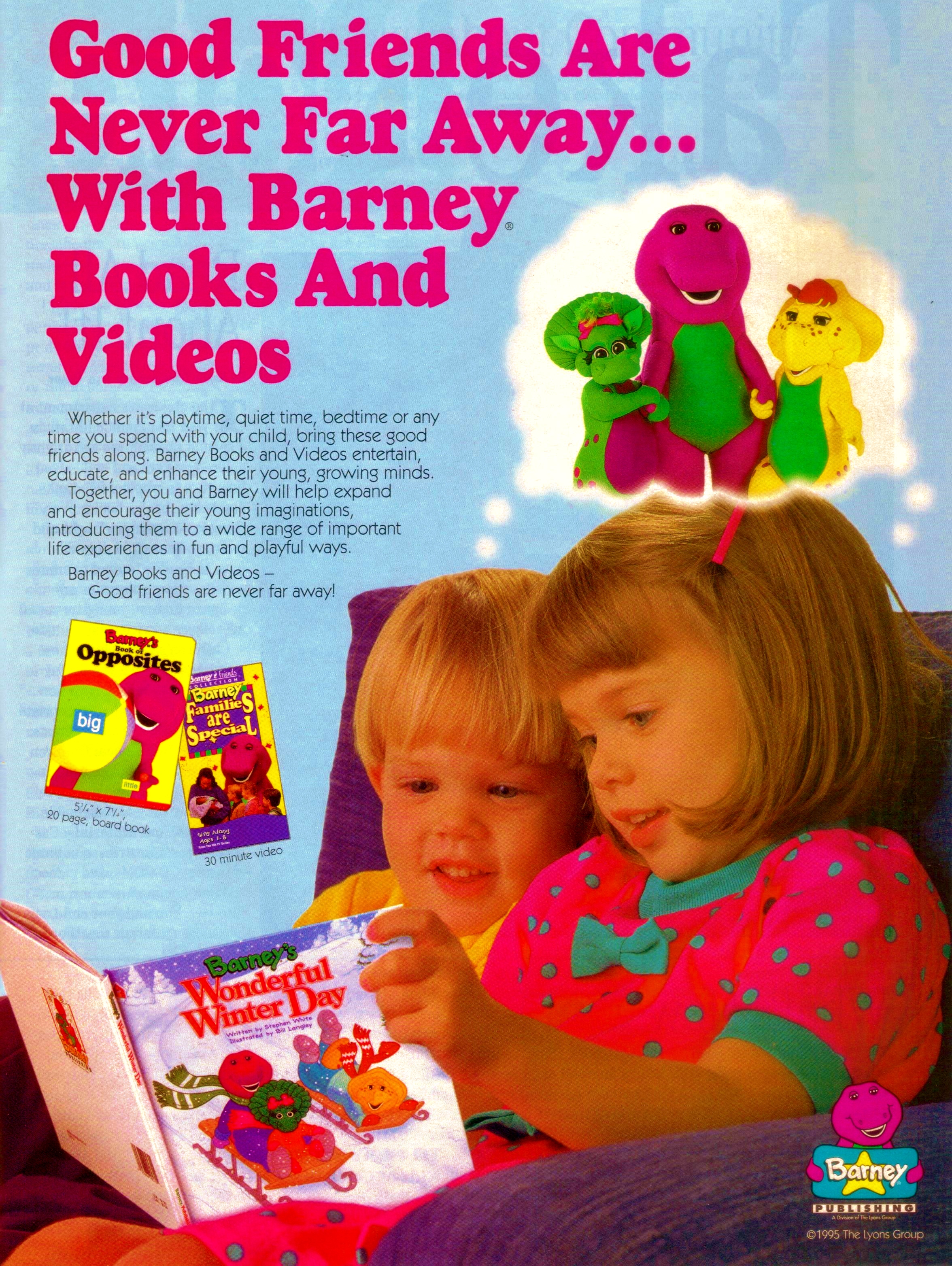
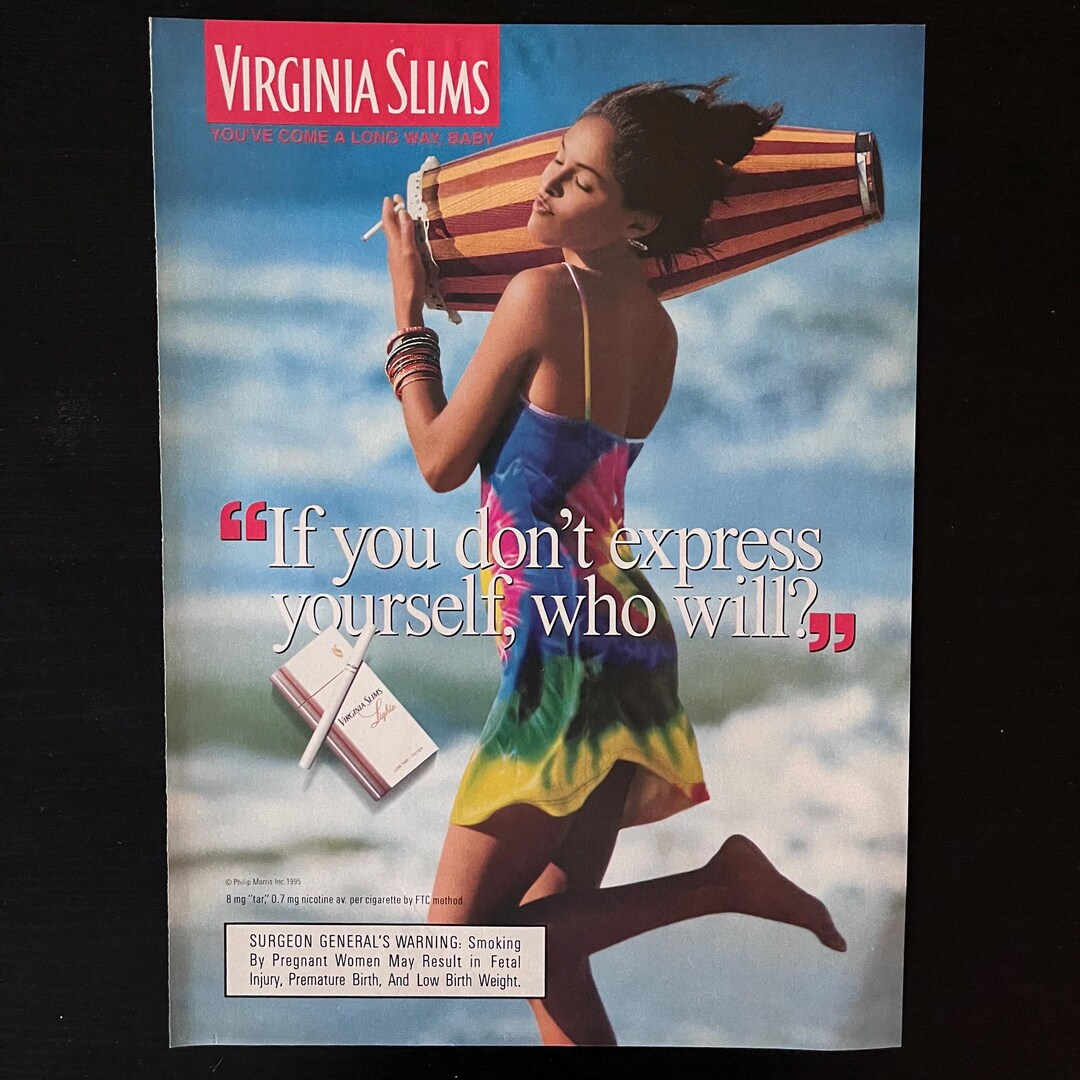
A 1995 ad represents a pivotal artifact of mid-1990s commercial culture, capturing a transitional technological era when traditional print, radio, and television media intersected with the dawn of the consumer internet. These campaigns reflect the shifting aesthetic, economic, and societal priorities of a global marketplace on the verge of the digital revolution.
The Technological Landscape of Mid-1990s Advertising
The mid-1990s marked a profound shift in how brands communicated with consumers. While television, print magazines, and billboards remained the dominant channels for mass-market visibility, the introduction of commercial web browsers and early digital networks began to alter creative strategies. Advertisers in 1995 faced the unique challenge of appealing to an audience deeply rooted in analog media while subtly introducing concepts related to digital connectivity, personal computing, and interactive media.
Production values during this period underwent rapid modernization. Computer-generated imagery (CGI) transitioned from experimental novelty to mainstream execution, frequently appearing in high-budget television spots for automotive, telecommunications, and consumer electronics brands. At the same time, print advertising relied heavily on high-contrast photography, minimalist typography, and bold lifestyle imagery to cut through an increasingly crowded media landscape. This dual approach allowed agencies to test new psychological triggers while maintaining the reliable emotional resonance of traditional storytelling.
Cultural Context and Consumer Behavior in 1995
Consumer habits in 1995 were shaped by post-Cold War optimism, economic expansion in Western markets, and the burgeoning youth-driven countercultures exemplified by the rise of alternative rock, grunge, and early techno music. Advertising campaigns from this year frequently tapped into these cultural currents, balancing corporate messaging with an ironic, self-aware tone that appealed directly to Generation X and younger Millennials.
Brand loyalty was transitioning from passive acceptance to active identification. Consumers no longer just bought products; they aligned themselves with the lifestyle values projected by corporate sponsors. This era saw the consolidation of mega-brands across soft drinks, athletic apparel, and technology, leading to massive marketing budgets dedicated to global consistency. Consequently, a prominent campaign from 1995 often served as a cultural touchstone, discussed in workplaces, reviewed in specialized trade publications, and parodied in contemporary pop culture.
Anatomy of a Landmark 1995 Campaign
Examining a representative commercial campaign from 1995 reveals specific structural elements designed to maximize audience retention and emotional impact. Strategic planning during this period relied heavily on targeted demographic segmentation, leveraging traditional focus groups and early quantitative market research.
- The Hook: Opening sequences were meticulously engineered within the first three to five seconds to capture attention, often utilizing striking visual contrasts, high-energy soundtracks, or provocative narrative questions.
- The Narrative Arc: Unlike the hyper-short, punchy formats of modern social media videos, 1995 spots typically favored a complete 30-second or 60-second narrative arc featuring a distinct problem, a dramatic turning point, and a brand-driven resolution.
- The Call to Action: Direct response mechanisms in 1995 rarely directed users to a website URL; instead, they emphasized toll-free 1-800 telephone numbers, physical retail locations, or mail-in sweepstakes entry forms.
- The Sonic Branding: Catchy jingles and licensed popular music tracks played a monumental role, anchoring the visual memories of the audience to specific auditory cues.
Comparative Overview of 1995 Advertising Media Channels
| Media Channel | Dominant Creative Style | Primary Audience Reach | Technical Constraints |
|---|---|---|---|
| Television | Narrative-driven, high-budget production, dramatic CGI integration | Mass household market during primetime and major sporting events | Strict 15, 30, or 60-second time limits; broadcast quality standards |
| Print (Magazines) | Glossy, high-resolution photography, bold typography, coupon integration | Niche special-interest communities and broad lifestyle readership | Static layout, lead times of weeks or months prior to publication |
| Radio | Dialogue-heavy, sound-effect intensive, repetitive memorable jingles | Commuters and daytime workers during peak transit hours | Audio-only format requiring strong vocal talent and clear sound design |
| Early Web / CD-ROM | Experimental, banner-based, interactive prompts, digital novelty | Early adopters, university researchers, and technology professionals | Low bandwidth limitations, dial-up loading speeds, inconsistent browser rendering |
Evolution of Regulatory Standards and Consumer Protection
The advertising ecosystem of 1995 operated under increasingly stringent regulatory frameworks established by bodies such as the Federal Trade Commission (FTC) in the United States and equivalent international authorities. Truth-in-advertising laws required brands to substantiate claims regarding product performance, environmental safety, and health benefits.
During this period, scrutiny increased on advertising directed at children, leading to self-regulatory codes among toy manufacturers, cereal brands, and fast-food chains. These guidelines restricted deceptive visual demonstrations, such as using hidden supports to make toys appear more functional than they were in reality. Furthermore, comparative advertising—where brands directly named or alluded to their market rivals—became more aggressive, prompting legal battles over trademark infringement and false substantiation that set crucial legal precedents for modern commercial competition.
Preservation and Archiving of 1995 Commercial Assets
In the contemporary digital landscape, physical advertising artifacts from 1995 face significant risk of degradation, yet they remain highly sought after by historians, archivists, and brand strategists. Video tapes (primarily Betacam SP and VHS broadcast masters) require specialized digitization processes to prevent magnetic tape shedding and color fading. Print advertisements preserved in archival-grade Mylar sleeves provide valuable insights into graphic design evolution, typography trends, and historical pricing models.
Digital curation projects, online video repositories, and museum collections now dedicate substantial resources to preserving these materials. This digital accessibility allows modern researchers to analyze how mid-1990s media forecasted contemporary trends in targeted marketing, globalization, and digital consumerism.
Frequently Asked Questions
What made 1995 a unique year for advertising design?
The year 1995 stood at the exact threshold between traditional analog mass media and the digital information age. Advertisers experimented with early computer graphics and lifestyle branding while still relying on classic television spots, print magazines, and toll-free telephone numbers to drive consumer action.
How did consumers purchase products featured in 1995 commercials?
Purchases in 1995 were primarily transacted through physical retail stores, mail-order catalogs, or by dialing toll-free 1-800 telephone numbers displayed prominently at the end of television and print advertisements. E-commerce as a widespread consumer habit was still in its absolute infancy.
What regulatory bodies oversaw advertising standards in 1995?
In the United States, the Federal Trade Commission (FTC) held primary jurisdiction over deceptive commercial practices, while industry-specific groups like the National Advertising Division (NAD) provided self-regulatory arbitration for disputes between competing corporate brands.
Why are 1995 advertising campaigns studied by modern marketers?
Modern analysts study 1995 campaigns to understand the foundational strategies of integrated brand storytelling, the evolution of consumer cynicism and irony, and the historical precursors to modern digital targeting techniques.
How are vintage 1995 advertisements preserved today?
Archivists preserve 1995 video commercials by digitizing analog broadcast master tapes into lossless digital formats, while print advertisements are maintained in climate-controlled environments utilizing acid-free storage materials to prevent paper degradation.
Strategic Action Plan for Analyzing Historical Media
When examining historical advertising material from the mid-1990s, researchers and brand strategists should follow a systematic evaluation process to extract accurate insights without anachronistic bias.
- Contextualize the Technology: Identify the specific media channels available at the time of publication and acknowledge the technical limitations, such as dial-up internet speeds or standard-definition television broadcasting.
- Verify the Demographic Target: Cross-reference the visual style, language, and cultural references with official market research reports from 1995 to determine the intended audience segment.
- Examine Regulatory Compliance: Review contemporary trade publications and legal records to assess whether the campaign faced challenges regarding truth-in-advertising or consumer protection standards.
- Evaluate Long-Term Brand Impact: Analyze subsequent financial reports and market share data for the sponsoring organization to measure the commercial efficacy of the campaign.