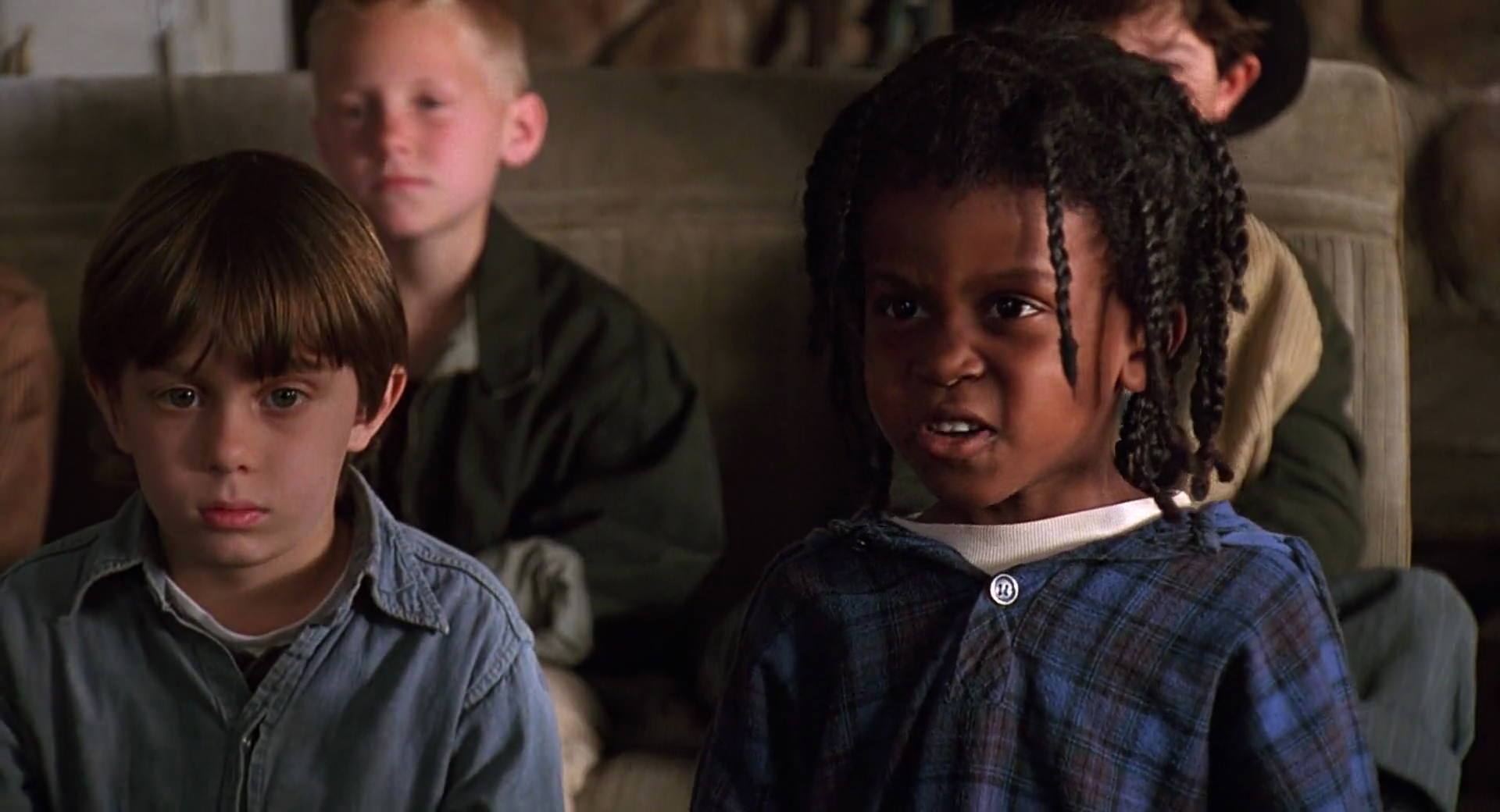
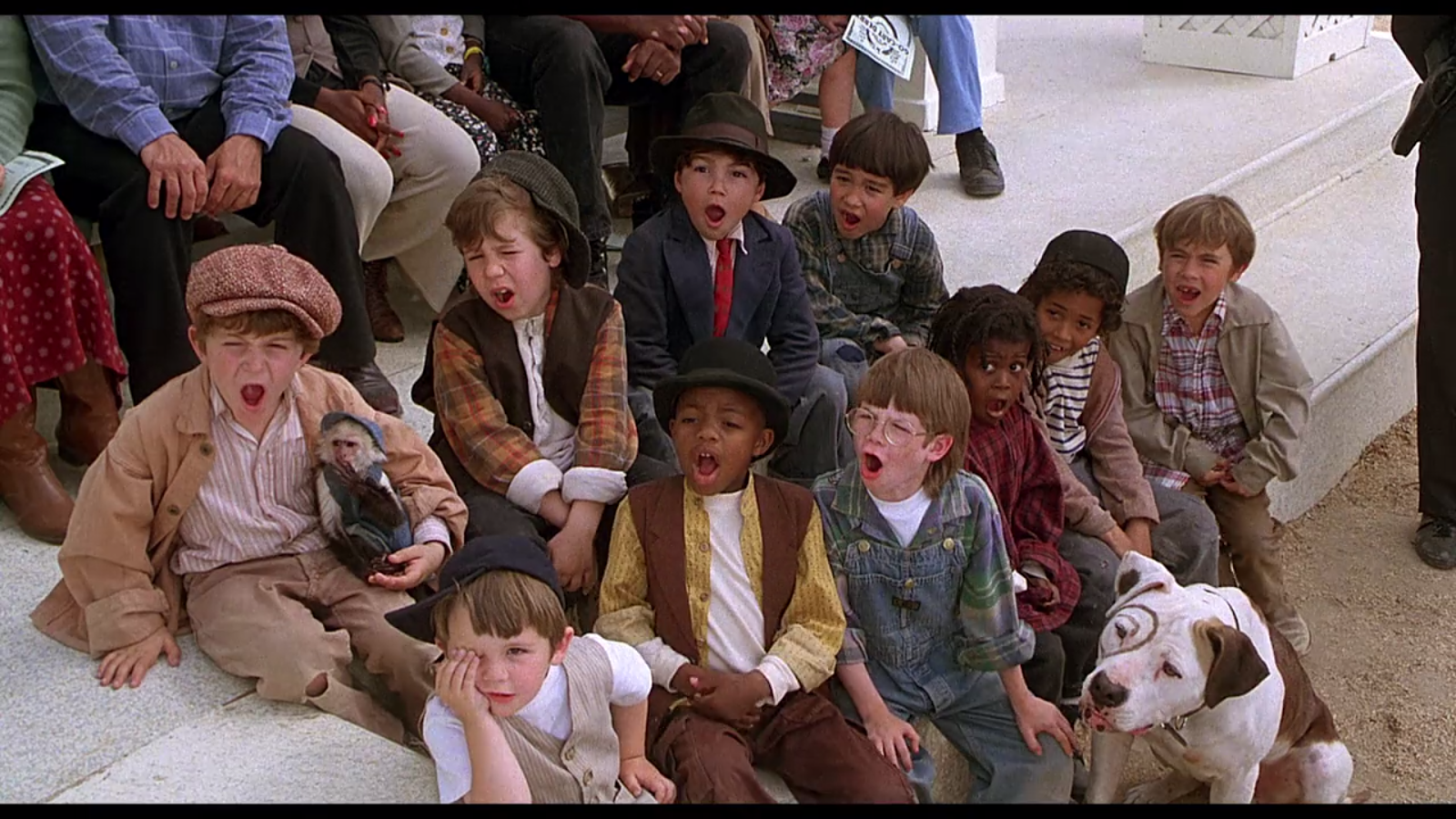
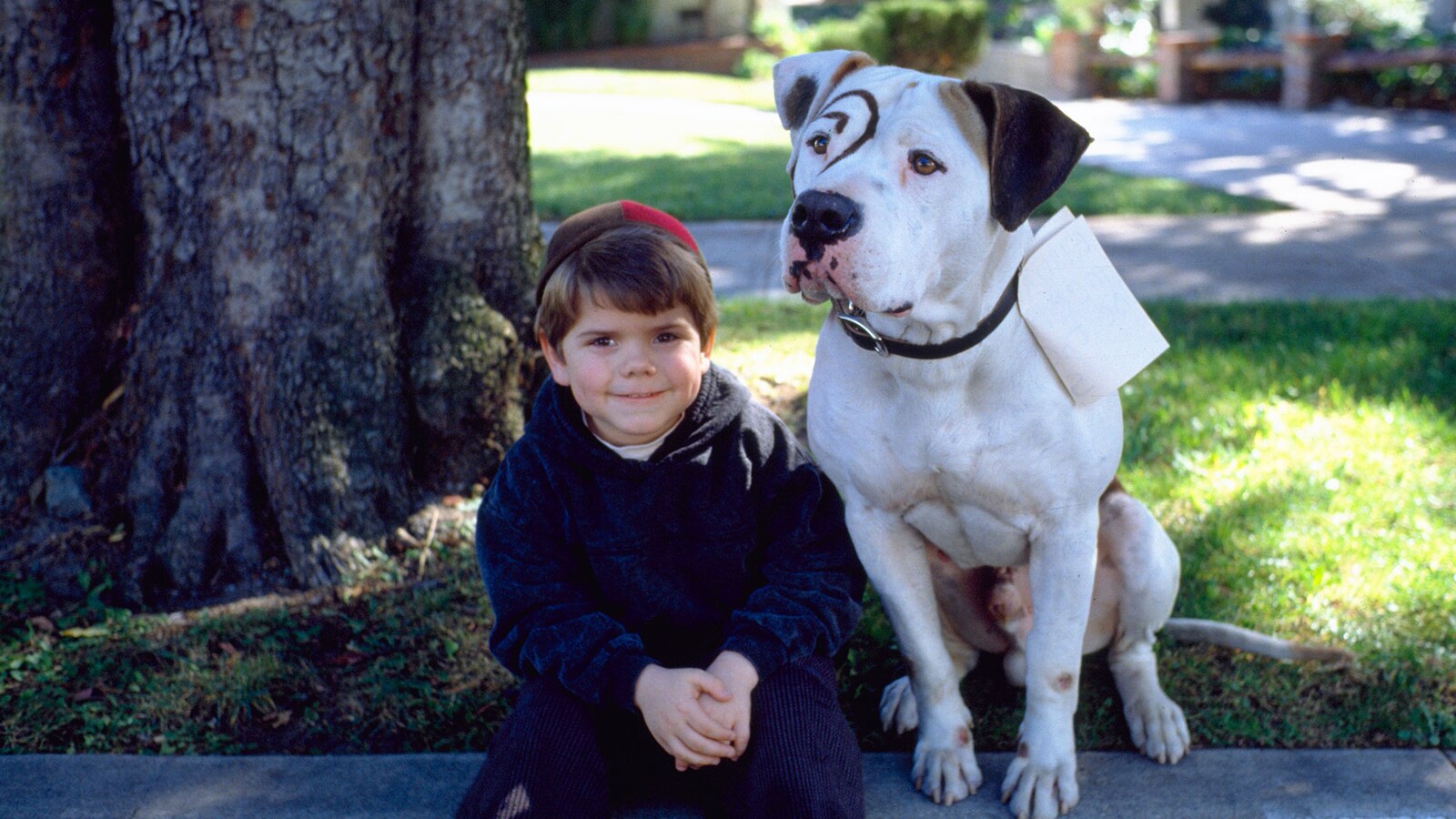
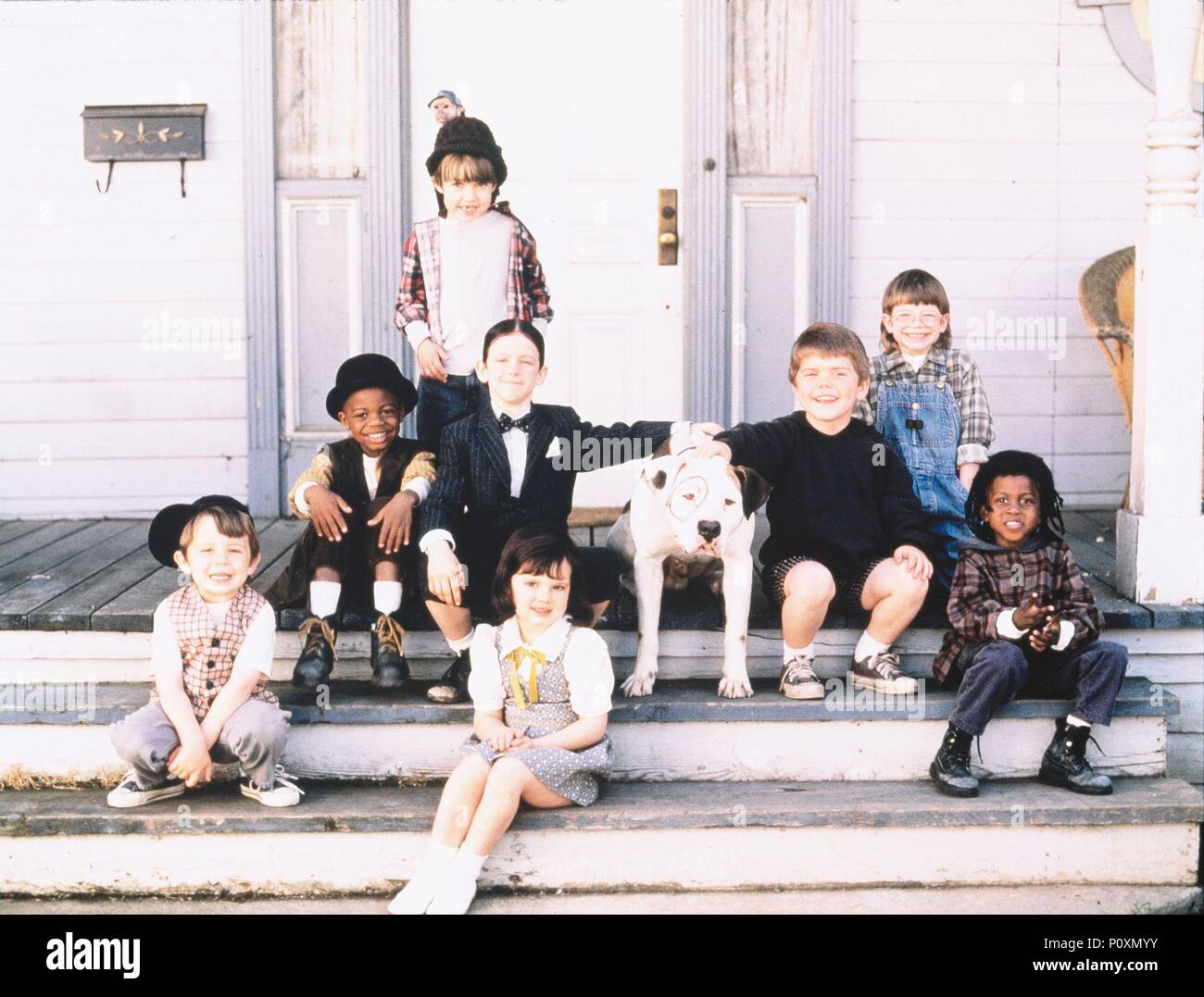
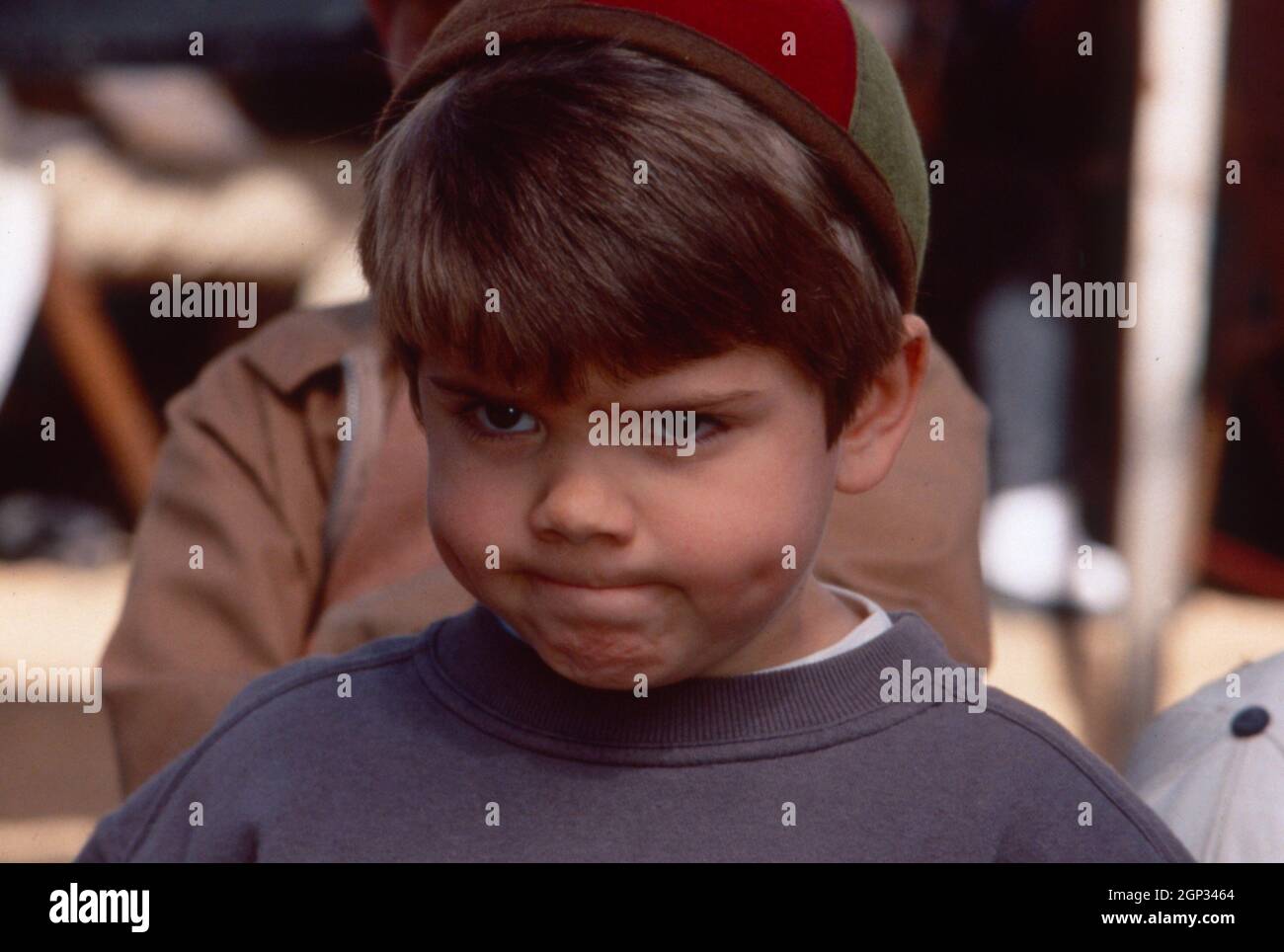
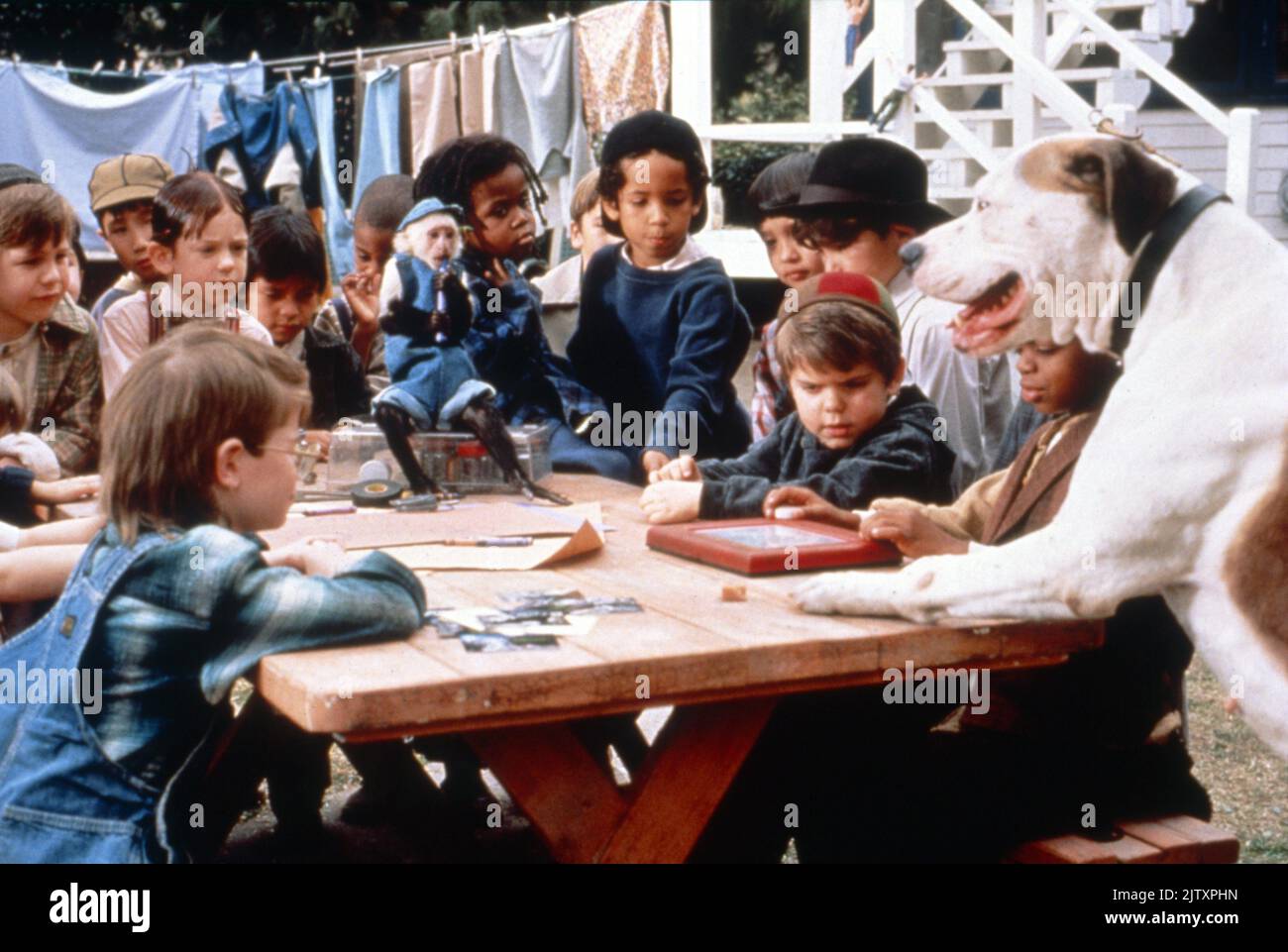
The 1994 film adaptation of The Little Rascals brought the classic Hal Roach short comedies to a modern cinematic audience, blending 1920s and 1930s nostalgia with mid-1990s family comedy sensibilities. Directed by Penelope Spheeris, the Universal Pictures release featured a young ensemble cast portraying Spanky, Alfalfa, Darla, and the rest of the neighborhood gang.
Origins and Adaptation of the Hal Roach Classics
The cinematic journey of The Little Rascals traces its roots back to the silent film era. Hal Roach produced a series of short films originally titled Our Gang between 1922 and 1944. These shorts focused on the day-to-day adventures, misadventures, and romantic entanglements of a multi-ethnic group of neighborhood children. When television syndication picked up the shorts in the 1950s, the package was renamed The Little Rascals, a moniker that stuck in the American cultural lexicon.
By the early 1990s, Universal Pictures and Amblin Entertainment recognized a lucrative opportunity to revive nostalgic properties for a new generation. Penelope Spheeris, fresh off the commercial success of Wayne's World (1992), was brought on to direct and co-write the screenplay alongside Paul Guay and Stephen Mazur. Rather than establishing a period piece set strictly in the Great Depression, the filmmakers crafted a timeless, stylized suburban universe that retained vintage aesthetics—such as old-fashioned fire engines, wooden soapbox derby cars, and classic slang—while infusing contemporary 1990s comedic pacing.
The production team faced the delicate task of honoring beloved characters while updating their dynamics for modern family audiences. Iconic elements, such as Alfalfa's cowlick, Spanky's leadership of the "He-Man Woman Haters Club," and Buckwheat's distinctive hat, were meticulously recreated. The plot centers primarily on Alfalfa falling in love with Darla Hood, which threatens to tear apart the He-Man Woman Haters Club and culminates in the neighborhood's annual soapbox derby race.
Casting the 1994 Ensemble and Iconic Performances
Finding the right child actors to portray characters deeply embedded in nostalgic memory required an exhaustive nationwide talent search. The production evaluated thousands of children before finalizing the ensemble. Travis Tedford secured the role of Spanky McFarland, bringing a natural comedic timing and mischievous grin to the ringleader of the group. Bug Hall was cast as Alfalfa Switzer, complete with his trademark persistent cowlick that required substantial styling and hair gel to maintain during shooting.
Brittany Ashton Holmes portrayed Darla, capturing the poise and charm that turns the neighborhood upside down. Meanwhile, Kevin Jamal Woods stepped into the role of Stymie, Courtland Mead played the enthusiastic neighborhood dog-lover Lee "Otis" Halpern, and Ross Bagley brought charm and wit to Buckwheat. The supporting cast featured notable child actors like Blake McIver Ewing as the wealthy, snobbish Waldo, and Sam Saletta as Butch, the neighborhood bully.
| Character | 1994 Film Actor | Original Series Counterpart |
|---|---|---|
| Spanky McFarland | Travis Tedford | George "Spanky" McFarland |
| Alfalfa Switzer | Bug Hall | Carl "Alfalfa" Switzer |
| Darla Hood | Brittany Ashton Holmes | Darla Hood |
| Buckwheat | Ross Bagley | William "Buckwheat" Thomas |
| Stymie | Kevin Jamal Woods | Matthew "Stymie" Beard |
| Porky | Zachary Mabry | Eugene "Porky" Lee |
| Waldo | Blake McIver Ewing | N/A (Original Film Character) |
Beyond the child ensemble, the 1994 adaptation gained significant cultural traction through its unexpected adult cameo appearances. Pop culture figures of the era eagerly signed on for bit parts, adding layers of self-aware humor for adult viewers. Mel Brooks appeared as Mr. Welling, the bank loan officer. Reba McEntire played A.J. Ferguson, the soapbox race track announcer. Other notable cameos included Donald Trump as Waldo's wealthy father, Whoopi Goldberg as Buckwheat's mother, Daryl Hannah as a pageant hostess, and Eric Edwards as a police officer.
Production Design, Visual Style, and Filming Locations
The distinctive aesthetic of The Little Rascals relies heavily on meticulous production design and location scouting. Director Penelope Spheeris and production designer Lee Mayman sought to create a storybook neighborhood that felt both grounded and whimsical. Principal photography took place primarily in the Los Angeles area, utilizing neighborhoods and constructed sets that provided a warm, saturated color palette reminiscent of classic Saturday morning television.
The clubhouse, constructed as a sprawling, multi-tiered treehouse, served as the central hub for the He-Man Woman Haters Club. Building the structure required engineering safeguards to ensure the safety of the child actors while maintaining a ramshackle, kid-built appearance. Similarly, the soapbox derby vehicles—ranging from standard wooden chassis to elaborate, engine-less racing machines shaped like animals—were fully functional and engineered to be driven safely down steep residential streets during the film's climax.
Costume design also played a critical role in distinguishing the characters instantly. Alfalfa's red-and-white striped shirt, Spanky's checkered vest, and Buckwheat's oversized overalls became recognizable shorthand for the characters. The wardrobe team had to create multiple duplicates of every costume to account for wear and tear, mud, water slides, and soapbox crashes during stunt sequences.
Box Office Performance and Critical Reception
Upon its theatrical release on August 5, 1994, The Little Rascals performed solidly at the North American box office, appealing directly to families and older viewers nostalgic for the original shorts. Distributed by Universal Pictures, the film grossed approximately $51.7 million domestically against an estimated production budget of around $20 million. While it did not match the blockbuster heights of summer competitors like The Lion King, it proved to be a profitable venture for the studio.
Critical reception at the time was mixed. Reviewers praised the energetic performances of the young cast and the clever adult cameo appearances, noting that Spheeris successfully captured the innocent, anarchic spirit of childhood camaraderie. However, some critics argued that the narrative structure felt stretched thin over a feature-length runtime, given that the original Roach shorts typically spanned fifteen to twenty minutes. Over the subsequent decades, the film's reputation grew considerably. Fueled by home video releases on VHS and DVD, repeated cable television broadcasts, and millennial nostalgia, the 1994 adaptation transitioned into a cult classic of 1990s family cinema.
Cultural Impact and Lasting Legacy in 1990s Cinema
The cultural footprint of the 1994 film extends far beyond its initial box office returns. It helped define a specific sub-genre of 1990s family comedies that adapted vintage television and radio properties into live-action feature films, paving the way for projects like George of the Jungle and The Flintstones. The film also established a template for balancing broad physical comedy with heartfelt themes of friendship, loyalty, and early childhood crushes.
For the cast members, the film remains a defining milestone. While some pursued long-term careers in the entertainment industry, others transitioned away from acting entirely, embracing private lives away from the Hollywood spotlight. Despite the varying career trajectories of its child stars, quotes, visual gags, and musical cues from the film—most notably Alfalfa's off-key serenade of "You Are My Sunshine"—continue to circulate widely across internet memes and pop culture retrospectives.
Frequently Asked Questions About the 1994 Little Rascals
Who directed the 1994 Little Rascals movie?
The 1994 film was directed by Penelope Spheeris. Spheeris is also widely known for directing the 1992 comedy hit Wayne's World as well as the acclaimed 1981 documentary The Decline of Western Civilization.
Are the actors in the 1994 movie the same children from the original shorts?
No, the 1994 film is a modern feature-length remake featuring an entirely new cast of child actors. The original Hal Roach Our Gang shorts were produced between 1922 and 1944, meaning those original child actors were adults or deceased by the time the 1994 film was made.
Which celebrities made cameo appearances in the film?
The film features several high-profile adult cameos, including Mel Brooks, Whoopi Goldberg, Reba McEntire, Donald Trump, Daryl Hannah, and Raven-Symoné. These cameos added an extra layer of entertainment for parents and adult viewers watching alongside children.
Where was the 1994 Little Rascals movie filmed?
Principal photography for the film took place primarily in and around Los Angeles, California. Production utilized local residential streets for the soapbox derby sequences and constructed specialized sets for interior scenes and the neighborhood clubhouse.
Did Alfalfa actually sing "You Are My Sunshine" in the movie?
While Bug Hall portrayed Alfalfa on screen, his singing voice was dubbed by professional child singer Zachary M. Page. The off-key serenade remains one of the most memorable musical moments in modern family comedy history.
Ensuring an Authentic Viewing and Collecting Experience
For collectors, film historians, and fans looking to revisit the 1994 adaptation, verifying format editions and regional releases is essential. The film has transitioned through multiple home video iterations, moving from standard VHS and widescreen Laserdisc releases to collector-edition DVDs and high-definition digital streaming platforms. When purchasing physical media or selecting streaming options, ensure that you check audio commentary tracks, behind-the-scenes featurettes, and original theatrical aspect ratios to experience the production as intended by Penelope Spheeris and her crew.