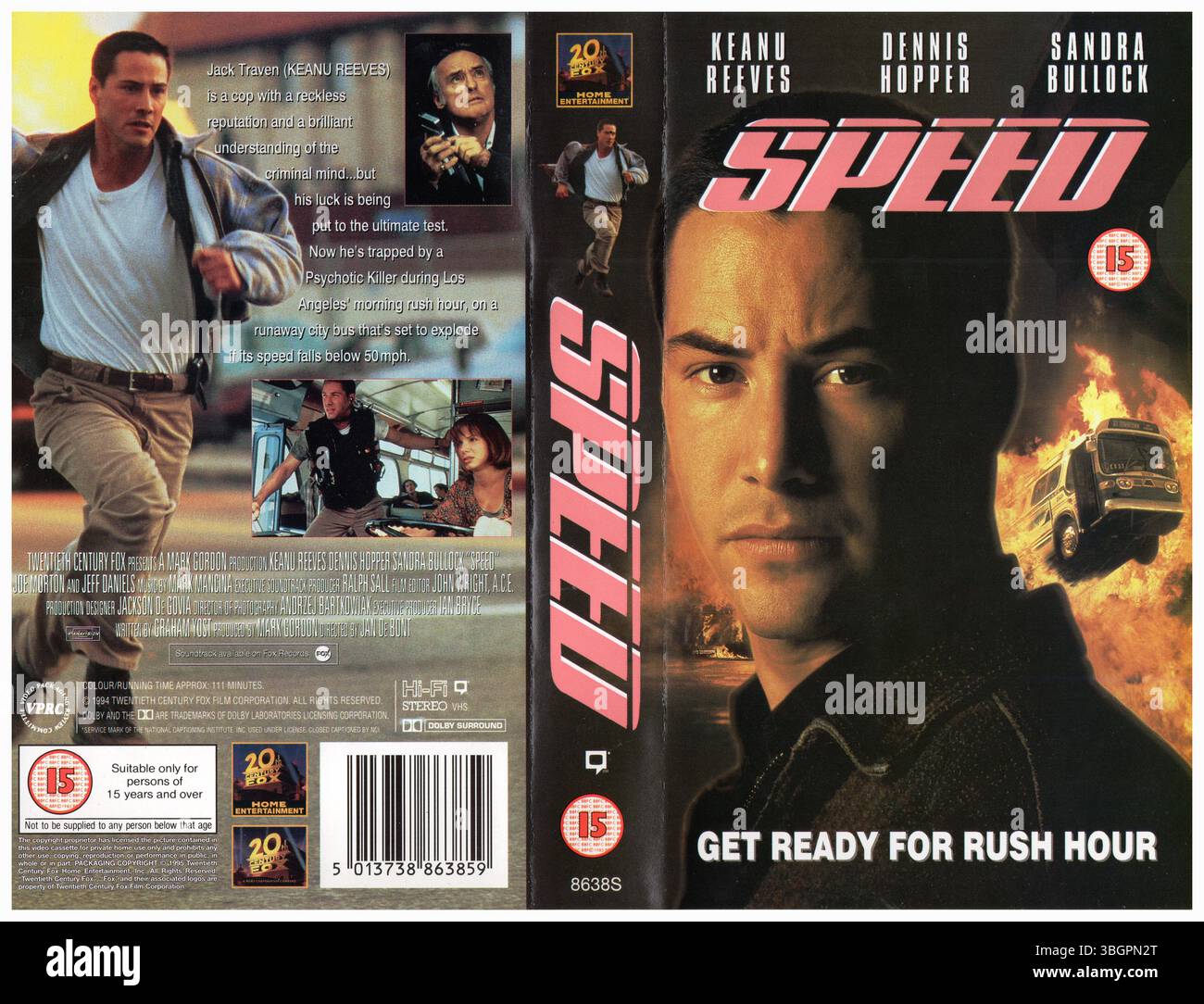
The year 1994 remains one of the most celebrated and culturally transformative periods in cinematic history, boasting a slate of releases that continue to define modern pop culture. Examining the 1994 film cast landscape reveals a convergence of visionary directing, watertight screenwriting, and generational acting talent. From gritty independent crime dramas to epic animated features and sweeping historical narratives, the ensembles assembled in 1994 set a benchmark for character work that resonates with audiences and industry professionals alike.
Navigating the cinematic offerings of this pivotal year requires looking past individual star power to understand how supporting players, ensemble chemistry, and breakout performances anchored some of the greatest movies ever made. Whether analyzing the tense dialogue exchanges in a Los Angeles diner or the vocal dynamics behind a sweeping African savanna epic, the casting decisions made in 1994 shaped the trajectory of Hollywood for decades to follow.
Defining the Cinematic Landscape of 1994
The mid-1990s marked a unique transitional era for the motion picture industry. Major studios were willing to take substantial financial and creative risks on mid-budget adult dramas, quirky independent pictures, and high-concept blockbusters alike. At the center of this creative boom were casting directors and filmmakers who favored unexpected talent pairings and deep character actor benches over purely commercial marquee names.
This strategic approach to casting fostered an environment where relative unknowns could share the screen with established icons, creating a dynamic tension that elevated the material. The resulting films did not merely entertain contemporary audiences; they established enduring cultural touchstones. By prioritizing psychological depth and authentic chemistry, the casting choices of 1994 ensured these projects would withstand decades of critical re-evaluation and public adoration.
Landmark Ensembles and Character Dynamics
Several films released in 1994 relied entirely on ensemble cohesion to achieve their artistic goals. In the realm of crime drama and dark comedy, filmmakers abandoned traditional heroic archetypes in favor of flawed, unpredictable, and fiercely articulate characters. These ensembles demanded performers capable of delivering rhythmic, highly stylized dialogue while maintaining emotional grounding.
For instance, neo-noir and crime thrillers of this vintage succeeded by placing intense, dialogue-driven performances at the forefront. Actors who had previously inhabited the fringes of independent cinema found themselves elevated to global prominence. This shift demonstrated that audiences hungered for complex moral ambiguity delivered by casts that felt lived-in and authentic rather than artificially polished.
Major 1994 Films and Ensemble Structures
| Film Title | Genre | Primary Ensemble Focus | Notable Cast Members |
|---|---|---|---|
| Pulp Fiction | Crime / Drama | Interconnected vignette structure | John Travolta, Samuel L. Jackson, Uma Thurman, Bruce Willis |
| The Shawshank Redemption | Drama | Institutional prison hierarchy | Tim Robbins, Morgan Freeman, Bob Gunton, William Sadler |
| Forrest Gump | Comedy / Drama | Epic chronological character journey | Tom Hanks, Robin Wright, Gary Sinise, Sally Field |
| The Lion King | Animation / Musical | Vocal characterization and vocal chemistry | Matthew Broderick, James Earl Jones, Jeremy Irons, Nathan Lane |
Breakthrough Performances and Career Transformations
Beyond collaborative ensembles, 1994 served as a crucial turning point for individual careers. Several performers delivered breakout turns that immediately redefined their industry status, transforming character actors into leading figures and introducing fresh faces who would dominate global cinema well into the twenty-first century.
This phenomenon was not limited to live-action performances. Voice acting in major animated features also received a significant prestige upgrade during this period, as studios began casting celebrated stage and screen veterans to imbue animated animals and mythical figures with profound psychological realism. These vocal performances proved that emotional resonance relies on precise timing, vocal texture, and dramatic commitment regardless of whether the actor appears physically on screen.
Behind the Scenes: The Art of Casting in 1994
The mechanics of assembling a major motion picture cast in 1994 involved rigorous audition processes, extensive table reads, and a willingness from studio executives to trust unorthodox creative instincts. Casting directors served as crucial architects, balancing financial pressures from financiers with the artistic demands of auteur directors.
During this era, casting offices relied heavily on physical auditions and recorded screen tests rather than digital portfolios or self-tapes. This tangible, room-based process allowed directors to test chemistry dynamically, ensuring that comedic timing or dramatic friction between actors would translate effectively to the final cut. The meticulous nature of these early casting sessions directly contributed to the longevity and durability of the era's most iconic performances.
Critical Reception and Enduring Legacy
Upon release, the critical consensus surrounding the top-tier 1994 film rosters was overwhelmingly positive, culminating in competitive awards seasons that are still studied by film historians. The Academy Awards and various international critics' associations recognized the sheer breadth of talent displayed throughout the year, rewarding both veteran actors achieving career peaks and newcomers disrupting traditional casting norms.
Decades later, the legacy of these casts persists through digital streaming preservation, anniversary screenings, and deep-dive media analyses. Modern casting directors frequently look back at the 1994 paradigm as a masterclass in risk management and ensemble balance, proving that memorable character work remains the single most important anchor for cinematic permanence.
Frequently Asked Questions
Which 1994 film featured the most celebrated ensemble cast?
While critical opinion varies, Pulp Fiction and The Shawshank Redemption are universally cited as having two of the most celebrated and enduring ensembles of 1994. Both films utilized vastly different stylistic approaches—one relying on nonlinear, snappy dialogue exchanges and the other on slow-burn institutional drama—to showcase exceptional group chemistry.
How did casting practices in 1994 differ from modern Hollywood?
In 1994, casting relied primarily on in-person auditions, physical screen tests, and extended table reads rather than digital self-tapes. Studios were also more willing to build ensembles around respected character actors and rising independent film stars rather than relying exclusively on globally recognized franchise anchors.
Did voice acting receive major recognition in 1994 films?
Yes, 1994 marked a significant shift in animated feature casting by utilizing prominent live-action film and stage actors for principal vocal roles. This elevated vocal performance standards and proved that animated characters could carry complex dramatic weight.
What factors determined a successful film cast in the mid-1990s?
Success depended heavily on interpersonal chemistry during screen tests, the director's ability to balance dominant personalities with supporting players, and a script capable of supporting layered, multi-dimensional character motivations.
Strategic Next Steps for Film Historians and Researchers
For those looking to conduct deeper research into the 1994 cinematic canon, examining original trade publications, casting director interview archives, and historical production notes provides invaluable context. Analyzing how specific casting choices influenced box office returns and awards season trajectories offers a comprehensive view of how Hollywood operated during one of its most creatively fertile decades. Researchers should prioritize primary documentation, studio press kits, and verified biographical records to maintain strict historical accuracy when studying this legendary cinematic era.