The year 1994 stands as one of the most remarkable and transformative periods in cinema history, characterized by an unprecedented convergence of commercial blockbuster dominance, daring independent filmmaking, and technological innovation. Rather than being defined by a single cinematic movement, the 1994 film landscape reshaped global popular culture through enduring storytelling, generational performances, and a fundamental shift in how studios greenlit and marketed motion pictures.
The Cultural and Industrial Landscape of 1994 Cinema
The mid-1990s marked a vibrant transitional era for the global film industry. Major Hollywood studios were aggressively pursuing high-concept event cinema, yet they simultaneously maintained robust investments in mid-budget dramas, gritty crime thrillers, and character-driven comedies. This economic and creative ecosystem allowed filmmakers to take substantial artistic risks.
At the same time, the independent film sector—energized by the late-80s and early-90s festival movements—fully penetrated the mainstream consciousness. The commercial triumph of unconventional features demonstrated that audiences craved dialogue-heavy narratives, non-linear storytelling, and morally ambiguous protagonists. Consequently, 1994 became a watershed year that permanently altered the trajectory of both commercial blockbusters and underground cinema.
Defining Blockbusters and Commercial Megahits
Few years in motion picture history can rival the sheer commercial and cultural footprint established by the marquee releases of 1994. These films did not merely dominate the global box office; they also ingrained themselves deeply into the lexicon of modern media, spawning franchises, merchandising empires, and persistent academic analysis.
The commercial titan of the year was Forrest Gump, directed by Robert Zemeckis. Blending cutting-edge visual effects with a sentimental, episodic journey through American history, the film captured the public imagination and secured six Academy Awards, including Best Picture, Best Actor for Tom Hanks, and Best Director. Its resonance highlighted a widespread appetite for comforting, emotionally sweeping Americana during a period of rapid technological and social modernization.
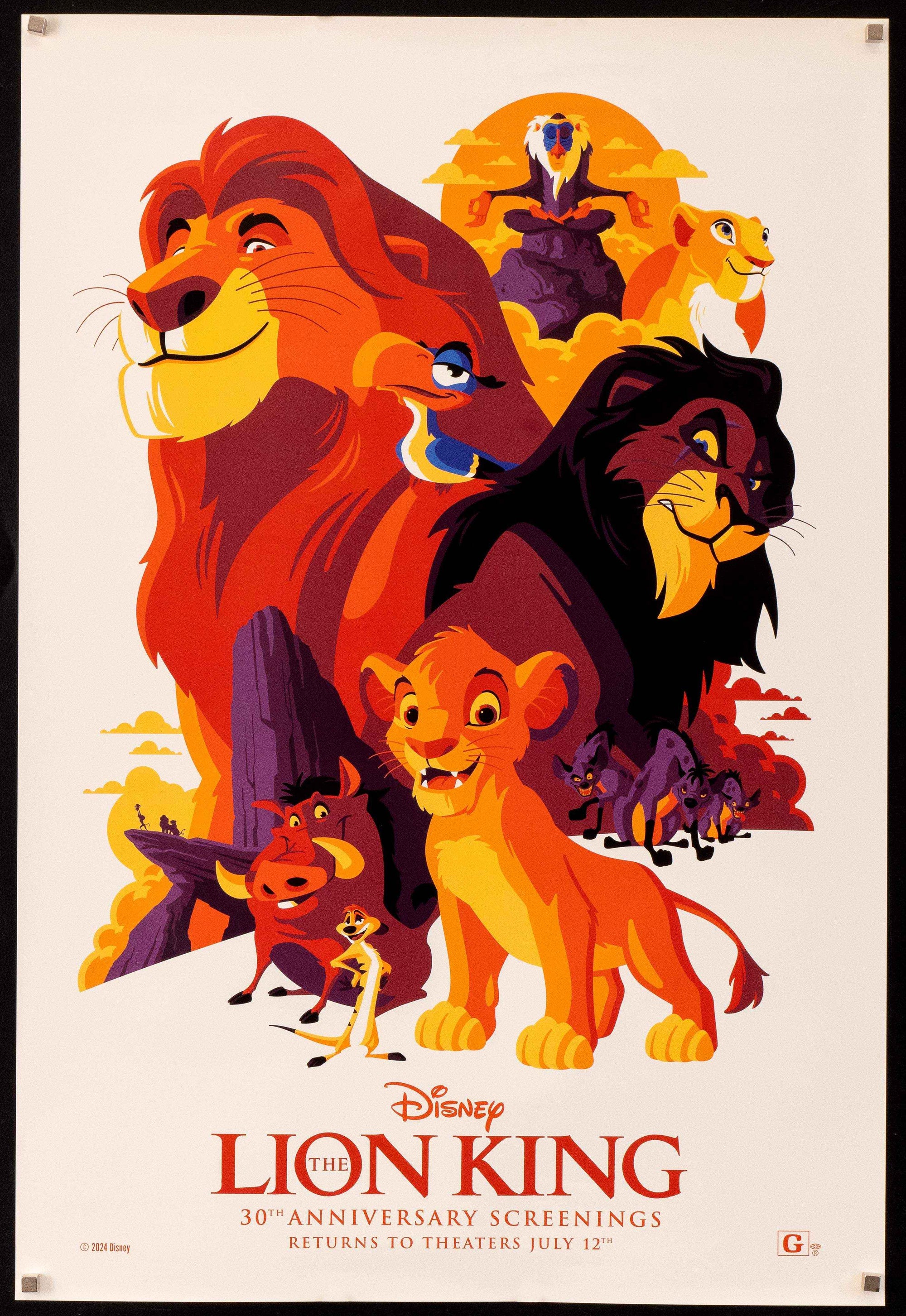
Concurrently, Disney’s animated masterpiece The Lion King redefined the economic ceiling for traditional hand-drawn animation. Combining an epic Shakespearean narrative arc with an unforgettable musical score by Elton John and Tim Rice, the film became a cultural phenomenon and the highest-grossing release of the year worldwide. Its success cemented the animated musical as a dominant summer event strategy for major studios.
| Film Title | Director | Primary Genre | Box Office Significance | Key Accolades |
|---|---|---|---|---|
| Forrest Gump | Robert Zemeckis | Drama / Comedy | Massive global commercial hit; defined 90s sentimentality. | 6 Academy Awards (including Best Picture) |
| The Lion King | Roger Allers, Rob Minkoff | Animation / Musical | Highest-grossing film of 1994 worldwide. | 2 Academy Awards (Score, Original Song) |
| Pulp Fiction | Quentin Tarantino | Crime / Neo-Noir | Revolutionized independent cinema economics and distribution. | Palme d'Or (Cannes), Academy Award (Original Screenplay) |
| The Shawshank Redemption | Frank Darabont | Drama | Moderate initial box office; grew into an enduring cultural touchstone. | 7 Academy Award nominations |
| Speed | Jan de Bont | Action / Thriller | Redefined the high-concept 90s action thriller formula. | 2 Academy Awards (Sound, Sound Effects Editing) |
The Independent Revolution and Neo-Noir Renaissance
While mainstream studios enjoyed record-breaking grosses, the independent film sector achieved a historic breakthrough that redefined artistic boundaries. The most influential catalyst of this movement was Quentin Tarantino’s Pulp Fiction, which captured the prestigious Palme d'Or at the Cannes Film Festival before becoming a massive commercial success for Miramax.
Pulp Fiction popularized a distinctive cinematic grammar characterized by non-linear storytelling, razor-sharp pop-culture dialogue, and stylized violence. Its triumph proved that independently produced features with edgy subject matter could achieve mainstream profitability without sacrificing artistic integrity. This success opened financial doors for a generation of independent filmmakers, sparking a boom in quirkier, dialogue-driven crime dramas and dark comedies throughout the decade.
Complementing this gritty aesthetic was a broader neo-noir renaissance. Films like The Last Seduction showcased predatory, complex antiheroes and sharp neo-noir plotting that bypassed traditional censorship limitations. Creators embraced moral ambiguity, moving away from the clearly defined good-versus-evil paradigms that dominated earlier blockbuster eras.
Breakthrough Dramas and Critically Revered Masterpieces
Beyond blockbusters and crime thrillers, 1994 produced several deeply resonant dramas that initially experienced modest box office returns before achieving legendary status through home video, television syndication, and critical reappraisal.
Frank Darabont’s directorial debut, The Shawshank Redemption, adapted from a Stephen King novella, exemplifies this trajectory. Despite facing stiff box office competition upon its theatrical release, the film garnered seven Academy Award nominations and eventually claimed the top spot on numerous audience-voted film databases, celebrated for its enduring themes of hope, institutionalization, and enduring friendship.
Similarly, Krzysztof Kieślowski’s Three Colours: Red (Trois couleurs: Rouge) concluded the acclaimed French-Swiss trilogy, representing a high-water mark for European art-house cinema. Its sophisticated exploration of human connection, chance, and morality demonstrated the vibrant health of international filmmaking during a period dominated by Hollywood expansionism.
Technological Shifts and Visual Effects Milestones
The mid-1990s served as a crucial bridge between practical filmmaking techniques and the digital revolution. While CGI (Computer-Generated Imagery) was still in its relative infancy compared to 21st-century standards, 1994 showcased groundbreaking implementations that altered visual storytelling expectations.
Forrest Gump famously utilized digital compositing to insert Tom Hanks’ character into archival footage alongside historical figures such as John F. Kennedy and John Lennon. This technical achievement signaled to filmmakers that digital manipulation could seamlessly blend historical reality with fictional narrative.
At the same time, action cinema pushed practical stunts and pacing to new heights. Speed, directed by Jan de Bont, relied on meticulous practical stunt work, precise editing, and relentless pacing to create a masterclass in high-concept suspense. The film proved that visceral, tightly engineered practical thrills could compete directly with increasingly digitalized cinematic spectacles.
Frequently Asked Questions About 1994 Cinema
What made 1994 such a historically significant year for film?
The year 1994 is celebrated because it featured an exceptional concurrence of critically acclaimed masterpieces, massive box office sensations, and revolutionary independent releases. It produced iconic titles such as The Shawshank Redemption, Pulp Fiction, Forrest Gump, and The Lion King all within the same twelve-month window, establishing a benchmark for creative diversity in modern cinema.
Which film won the Academy Award for Best Picture for releases in 1994?
Forrest Gump won the Academy Award for Best Picture at the 67th Academy Awards held in early 1995. It competed against other critically lauded 1994 releases, including Pulp Fiction and The Shawshank Redemption.
How did Pulp Fiction impact the film industry in 1994?
Pulp Fiction transformed the independent film landscape by proving that non-linear storytelling, dark humor, and indie-budgeted productions could achieve mainstream commercial viability. It propelled Miramax into a major industry player and inspired a wave of neo-noir crime imitations throughout the late 1990s.
Was The Shawshank Redemption a box office hit when it was released in 1994?
No, The Shawshank Redemption had a modest theatrical run and initially failed to recoup its production budget during its first theatrical release. However, strong word-of-mouth, multiple Academy Award nominations, and massive success on home video and cable television transformed it into one of the most beloved films of all time.
What was the highest-grossing film worldwide in 1994?
Disney’s animated feature The Lion King was the highest-grossing film of 1994 globally, pulling in over $760 million during its initial theatrical run and establishing animation as a primary financial powerhouse for major studios.
Assessing and Experiencing the Cinema of 1994 Today
For cinephiles, historians, and casual viewers looking to explore the 1994 film canon, the best approach is to examine the era's stylistic dichotomy. Viewers should balance major studio tentpoles with the landmark independent features that debuted that year to appreciate the full scope of 1990s moviemaking. Accessing these films through physical media, specialized streaming platforms, or retrospective theatrical screenings provides valuable context on how late-20th-century art and commerce intersected.