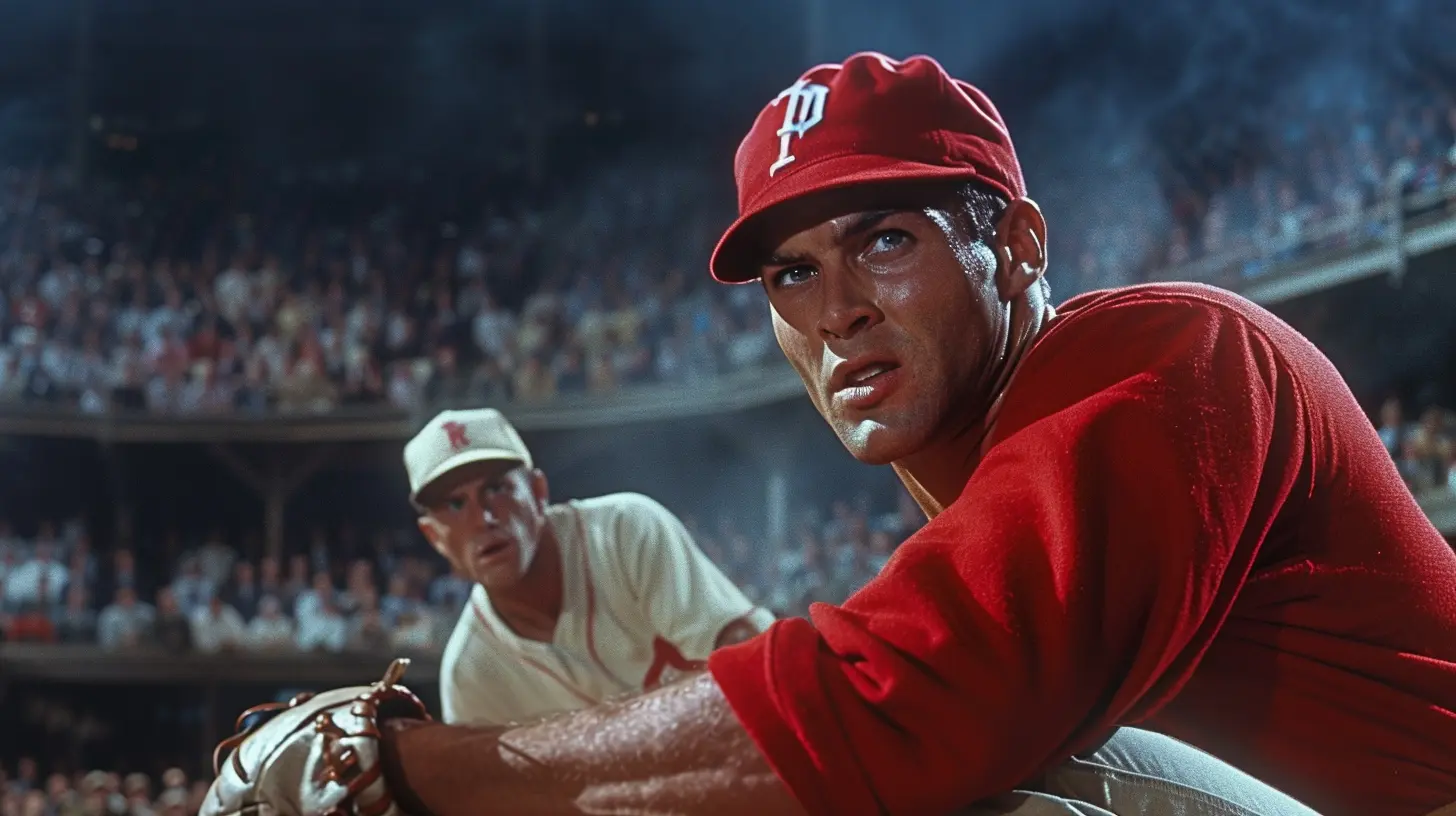
The 1994 family sports film represents a distinct golden era in Hollywood cinema, combining wholesome entertainment, inspirational underdog narratives, and innovative marketing that transformed mid-tier studio releases into enduring pop-culture milestones. During this specific calendar year, major studios released a remarkable cluster of youth-oriented sports movies—including The Mighty Ducks, Little Giants, Angels in the Outfield, Blue Chips, and The Sandlot (which debuted in home video and late spring windows alongside theatrical runs)—that defined a generation's cinematic landscape. These productions relied on ensemble casts of young talent, approachable athletic themes, and emotional stakes that resonated deeply with both children and adults, establishing a blueprint that contemporary family entertainment still emulates.
Defining the 1994 Family Sports Film Phenomenon
The mid-1990s marked a unique intersection where live-action family cinema transitioned from traditional slapstick and fantasy into grounded, competitive athletic settings. A 1994 family sports film characteristically revolves around organized youth sports, community leagues, or professional organizations viewed through a child's eyes. These narratives typically bridge generational divides, pairing stubborn, unorthodox adult coaches or fading professional athletes with ragtag groups of children who learn valuable lessons about teamwork, perseverance, and self-belief.
Unlike gritty adult sports dramas focused on financial corruption or physical brutality, the family-oriented subgenre softens high-stakes competition with broad comedy, slapstick elements, and clear moral resolutions. The formula relies on predictable narrative arcs: a misfit team forms, faces initial failure against privileged opponents, undergoes a training montage, experiences an internal crisis, and ultimately achieves redemption in a high-stakes championship game. This structural consistency did not diminish audience engagement; rather, it provided a comforting, repeatable framework that prioritized emotional catharsis over athletic realism.
Production Trends and Studio Strategies Behind the Genre
The commercial viability of the 1994 family sports film was driven by shifting studio economics and demographic trends. Major Hollywood entities, particularly Walt Disney Pictures (via its Hollywood Pictures and Caravan Pictures banners) and 20th Century Fox, recognized that sports-themed properties offered exceptional cross-promotional opportunities. Merchandising, fast-food tie-ins, and VHS home-video releases created multiple revenue streams that insulated studios against modest box-office performances.
Furthermore, the production landscape of 1994 benefited from lower budget ceilings compared to blockbuster science fiction or action spectacles. Most family sports films were produced on moderate budgets ranging from $10 million to $25 million, allowing studios to greenlight multiple titles annually without assuming catastrophic financial risk. Directors and producers capitalized on practical locations, community baseball diamonds, local hockey rinks, and suburban football fields, keeping overhead expenses manageable while capturing an authentic, lived-in aesthetic that resonated with family audiences.
Narrative Tropes and Character Archetypes
The enduring appeal of the 1994 family sports film stems from its reliance on instantly recognizable archetypes and narrative devices. These elements create an accessible entry point for younger viewers while providing nostalgic comfort for adult audiences revisiting the material decades later.
- The Reluctant Coach: Usually a cynical, burnt-out former athlete or an overworked regular citizen who is forced into coaching by court order, community pressure, or romantic interest.
- The Ragtag Misfit Roster: A diverse collection of children featuring distinct personality traits—the oversized enforcer, the hyperactive speedster, the intellectual analyst, and the quiet underdog harboring hidden talent.
- The Over-The-Top Antagonist: A wealthy, impeccably uniformed rival team coached by an arrogant authoritarian who wins through intimidation and financial privilege rather than sportsmanship.
- The Training Montage: An essential structural sequence set to an upbeat, energetic soundtrack where the team transforms from uncoordinated novices into a synchronized competitive unit.
| Film Title | Primary Sport | Key Adult Lead | Central Theme |
|---|---|---|---|
| Little Giants | American Football | Rick Moranis | Overcoming sibling rivalry and underdog status |
| Angels in the Outfield | Baseball | Danny Glover | Faith, family reconciliation, and belief |
| D3: The Mighty Ducks | Ice Hockey | Emilio Estevez | Team unity and institutional transition |
| Cobb | Baseball (Biopic) | Tommy Lee Jones | Complex psychological sports drama (Adult-skewed counter-example) |
Examining Cultural Impact and Nostalgia Value
Decades after their initial theatrical windows and early home-video distribution, the sports films of this era occupy a secure niche in modern nostalgia culture. Streaming platforms have routinely cataloged these titles as reliable engagement drivers, proving that their fundamental human themes transcend the stylistic constraints of 1990s filmmaking. The fashion, vernacular, and classic sporting equipment featured in these movies have even influenced retro streetwear trends and athletic apparel revivals.
Beyond aesthetics, these films helped shape the modern youth sports ecosystem. The cinematic portrayal of community leagues, encouraging parental figures, and inclusive team environments mirrored a broader cultural shift toward organized youth athletics in North America during the late 20th century. While modern youth sports have evolved into high-pressure, specialized competitive circuits, these 1994 releases continue to symbolize a more innocent, recreational approach to play and competition.
Evaluating Long-Term Artistic Influences on Modern Cinema
The cinematic language established by family sports films in 1994 left a permanent imprint on subsequent children's entertainment and athletic biographies. Modern family programming, whether distributed via theatrical chains or subscription streaming services, frequently borrows the precise comedic timing, emotional pacing, and character redemption arcs perfected during this period. Screenwriters continue to utilize the "misfit sports team" framework because it provides a reliable narrative engine for exploring themes of bullying, self-esteem, and social integration.
Moreover, many child actors from the 1994 cinematic slate went on to shape contemporary media culture, transforming childhood recognition into lasting industry careers. The technical execution—such as blending practical stunt work with early digital effects in fantasy-adjacent sports narratives—paved the way for more sophisticated visual storytelling in later youth-oriented sports franchises.
Frequently Asked Questions About 1994 Family Sports Films
What defines a true family sports film from 1994?
A true family sports film from this era balances competitive athletics with wholesome, multi-generational storytelling, focusing heavily on youth participation, moral lessons, and character growth rather than adult cynicism or gritty realism.
Were these films successful at the box office?
Most mid-1990s family sports films performed solidly at the box office, supported by moderate production budgets, counter-programming strategies during non-summer windows, and exceptionally lucrative home-video sales.
How did studios market sports movies to children in 1994?
Studios utilized comprehensive marketing campaigns that included fast-food partnerships, cereal-box promotions, action-figure merchandise, and theatrical trailers designed to appeal directly to school-aged demographics.
Are these classic sports films still relevant for modern audiences?
Yes, contemporary streaming metrics and family movie nights demonstrate that the universal themes of friendship, perseverance, and teamwork remain engaging for new generations of young viewers.
Where can current viewers stream classic family sports movies?
Streaming availability varies frequently by region and licensing agreements, but major titles are routinely hosted across platforms such as Disney+, Paramount+, and digital rental storefronts like Amazon Prime Video and Apple TV.
Selecting and Enjoying Classic Athletic Cinema Today
For viewers seeking to experience or revisit the distinctive charm of the 1994 family sports film era, the best approach involves examining the specific sub-genre—whether hockey, baseball, or football—that matches personal interest. Prioritizing original releases over subsequent modern remakes ensures an authentic appreciation of the practical stunts, period-accurate wardrobe, and classic cinematic scoring that defined the era. Verify current digital availability through major aggregator services to locate high-definition or restored physical media editions for the optimal home-viewing experience.