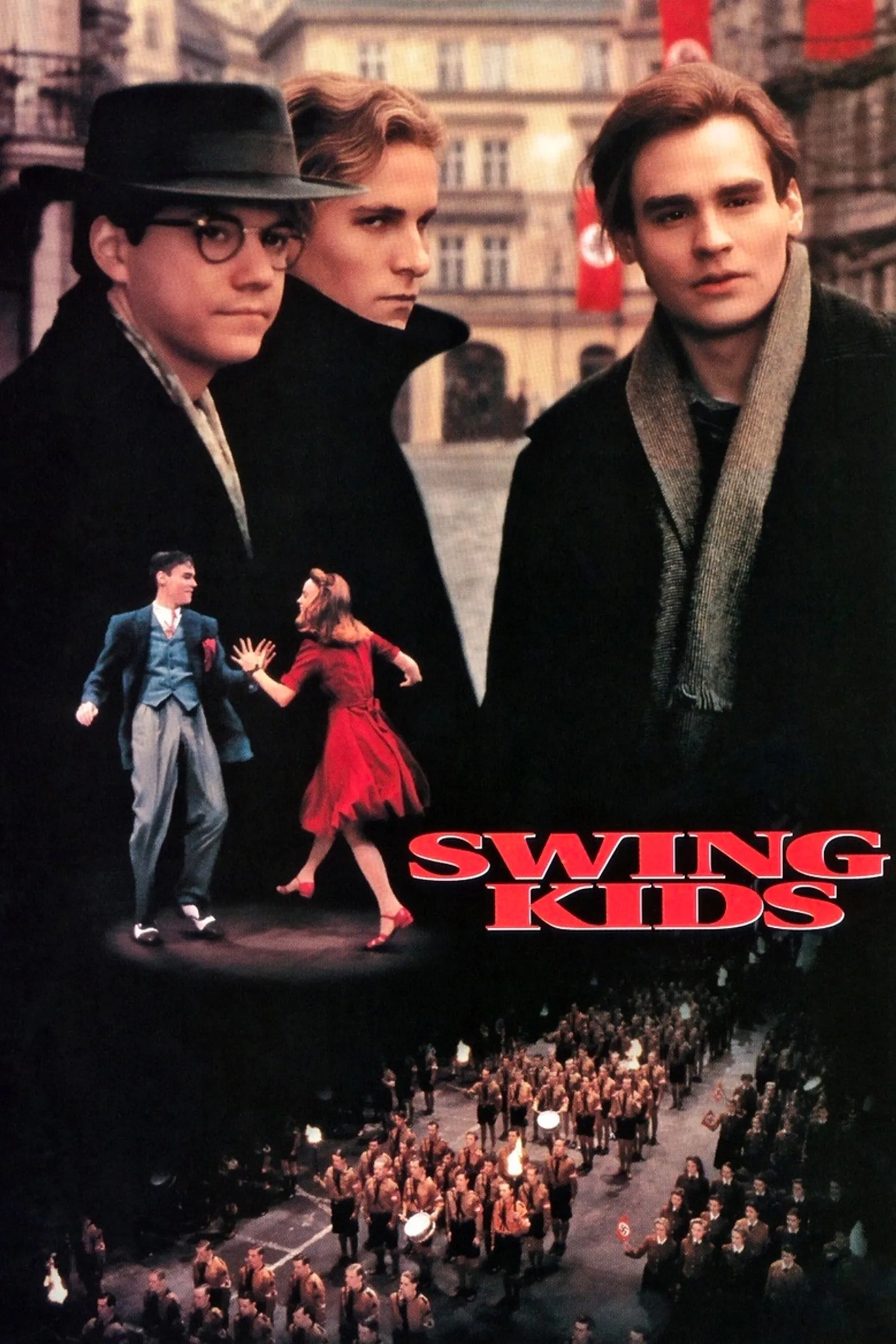
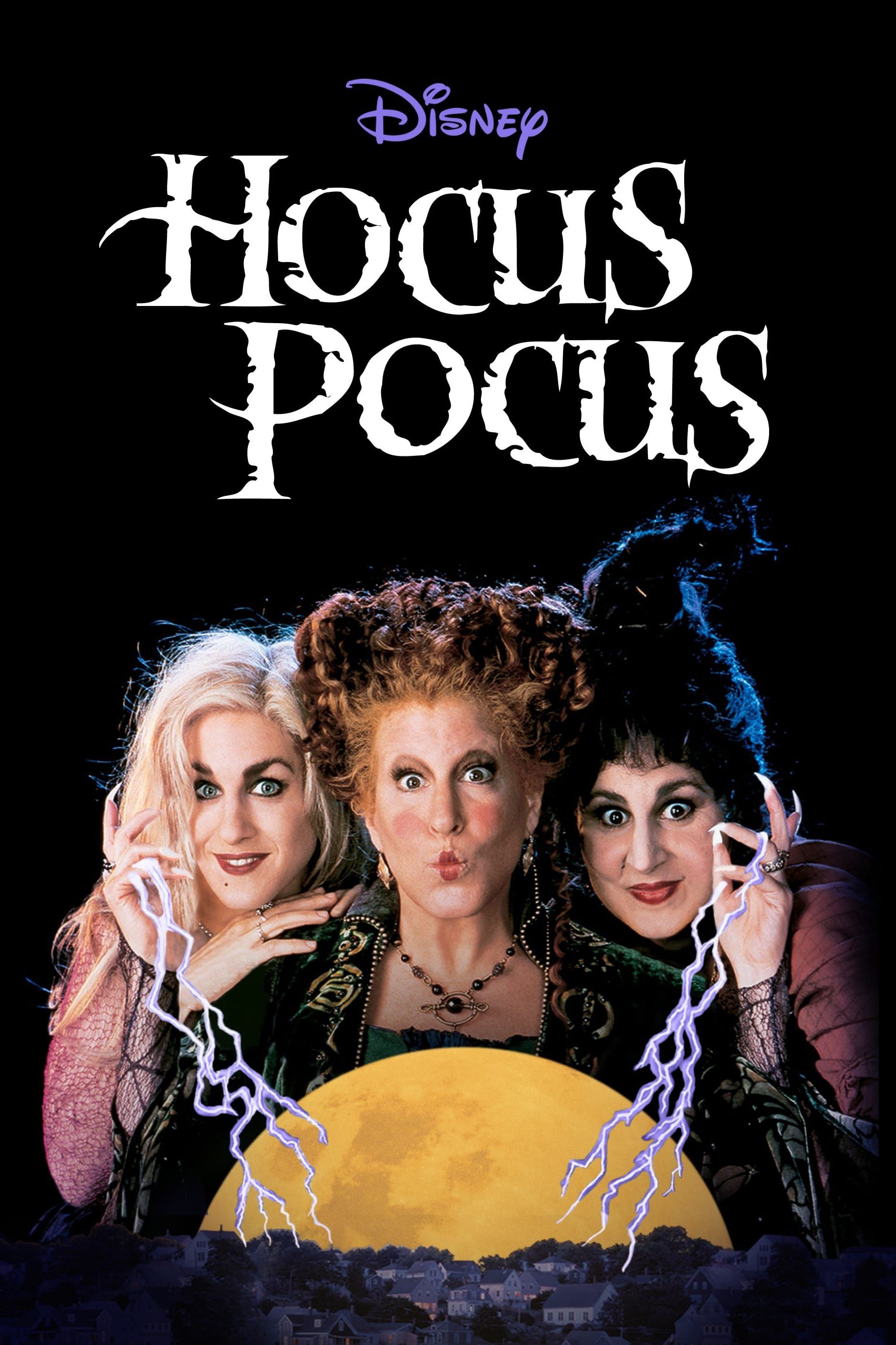
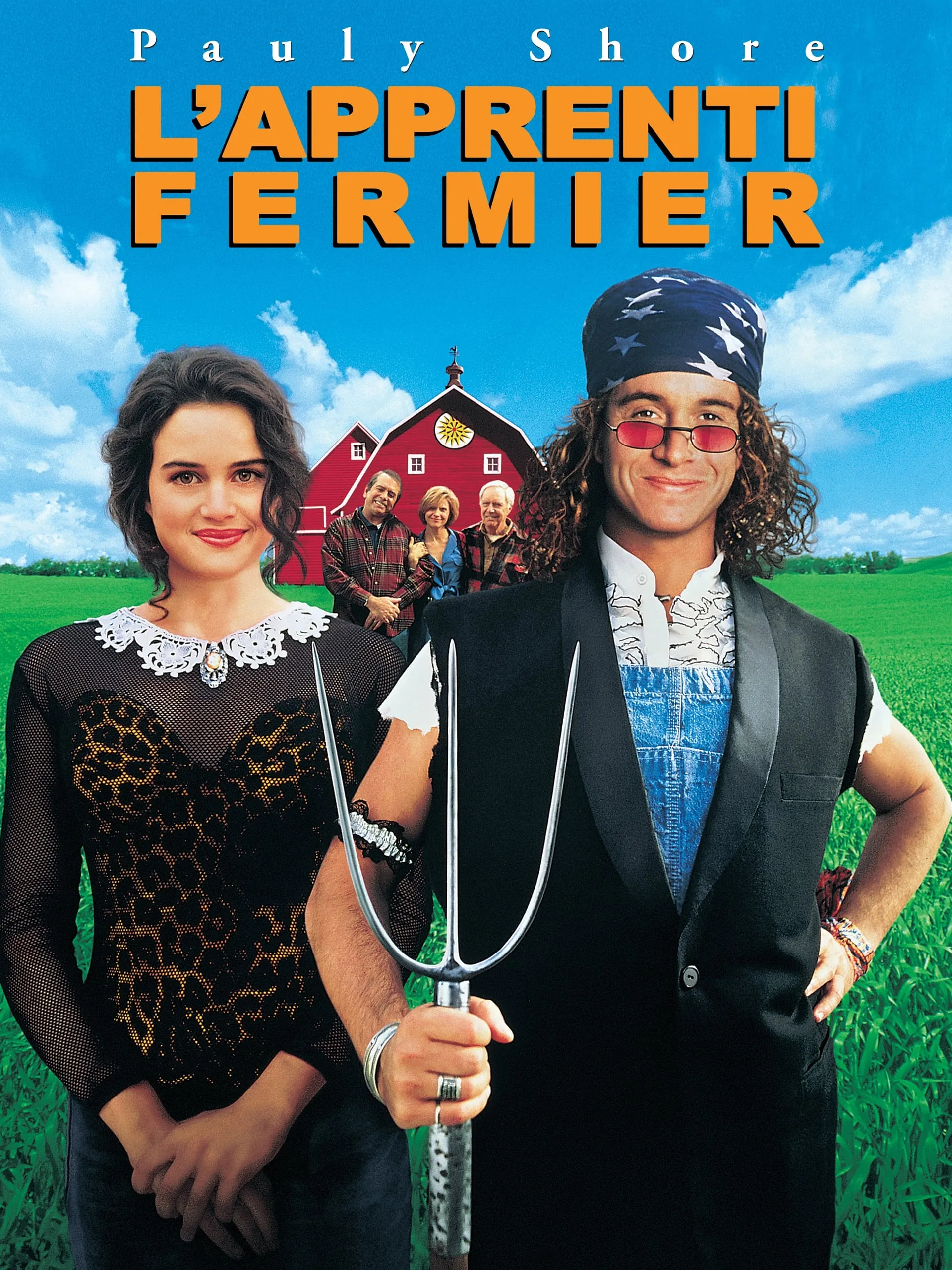
The year 1993 stands as a monumental turning point in cinema history, defined by groundbreaking advancements in digital visual effects, the commercial dominance of high-concept blockbusters, and the simultaneous thriving of independent filmmaking. This cinematic landscape successfully bridged the gap between practical filmmaking techniques and the computer-generated future of the medium, yielding a diverse library of enduring classics across multiple genres.
Technological Transformation and Digital Special Effects
The defining technical characteristic of 1993 films was the profound shift toward computer-generated imagery (CGI). For decades, Hollywood relied on stop-motion animation, optical compositing, physical miniatures, and complex animatronics to bring fantastical elements to the screen. While practical effects still formed the backbone of physical production, 1993 demonstrated how digital manipulation could seamlessly integrate computer-rendered entities into live-action footage with unprecedented realism.
This transition fundamentally altered audience expectations for spectacle. Studios recognized that narrative stakes could be elevated when visual disbelief was suspended entirely through digital wizardry. The technology required close collaboration between traditional artists, such as sculptors and puppeteers, and software engineers at digital post-production houses. Consequently, filmmakers gained newfound spatial freedom, allowing cameras to move in ways previously restricted by the physical limitations of motion-control rigs and blue-screen mattes.
Beyond pure spectacle, this technological evolution influenced editorial pacing and sound design. Because digital effects often required extended post-production windows, editing philosophies shifted to accommodate rendered shots, leading to tighter coordination between pre-production storyboarding and final assembly. The resulting aesthetic established a modern visual grammar that would dominate studio filmmaking for the next three decades.
The Blockbuster Paradigm Shift
While technical wizardry captured headlines, the business model of Hollywood underwent an equally significant transformation in 1993. The industry perfected the concept of the global summer event film, establishing marketing synergies, merchandising blitzes, and wide theatrical rollouts that set a new financial benchmark for the box office.
Studio executives increasingly prioritized high-concept properties that possessed international appeal, relying on universal themes, fast-paced storytelling, and state-of-the-art attractions rather than dialogue-heavy drama. This strategy minimized box-office reliance on domestic markets alone, ensuring that productions could recoup massive budgets through overseas territories and ancillary product sales, including home video and soundtrack albums.
| Film Title | Primary Genre | Estimated Production Budget | Notable Technical Achievement / Legacy |
|---|---|---|---|
| Jurassic Park | Sci-Fi / Adventure | $63 Million | Pioneered photorealistic CGI integration with animatronics. |
| Schindler's List | Historical Drama | $22 Million | Mastered emotive black-and-white cinematography and authentic historical scale. |
| The Fugitive | Action / Thriller | $44 Million | Established the template for fast-paced adult-skewing studio thrillers. |
| Groundhog Day | Comedy / Fantasy | $14.6 Million | Refined the narrative structure of the high-concept time-loop subgenre. |
| Dazed and Confused | Coming-of-Age Comedy | $6.9 Million | Defined authentic 1970s period recreation and ensemble character writing. |
The financial success of these tentpole releases did not crowd out mid-budget dramas entirely, but it altered how risk was calculated in corporate boardrooms. The growing disparity between multi-million dollar event films and lower-budget independent productions began to polarize the theatrical marketplace, a trend that accelerated throughout the remainder of the decade.
The Rise and Validation of Independent Cinema
In parallel with studio blockbusters, the American independent film movement achieved unprecedented mainstream cultural visibility and critical validation in 1993. Building on the momentum of late-1980s art-house successes, independent distributors and writer-directors proved that alternative narratives and uncompromised artistic visions could capture public imagination and achieve commercial viability.
These films relied on character-driven scripts, unconventional structural choices, and modest budgets that allowed creators to explore taboo subjects, gritty urban realities, and complex interpersonal dynamics without studio interference. Festivals served as crucial launchpads, transforming regional art-house curiosities into national cultural touchstones through word-of-mouth acclaim.
Independent cinema of this era also revitalized the careers of established actors seeking challenging material while launching the trajectories of fresh cinematic voices. The commercial viability of these projects demonstrated to major studios that distinct, auteur-driven storytelling possessed a dedicated, paying audience, prompting conglomerates to establish specialty divisions dedicated to acquiring and distributing independent cinema.
Critical Masterpieces and Genre Defining Works
Beyond commercial trends, 1993 produced a remarkable concentration of critically acclaimed works that redefined their respective genres. From psychological thrillers and neo-noir mysteries to historical epics and philosophical comedies, filmmakers delivered projects characterized by rigorous screenwriting and uncompromising artistic ambition.
Directors pushed narrative boundaries by subverting audience expectations. Crime dramas embraced non-linear storytelling structures and dark, cynical humor, while historical dramas utilized striking visual palettes to examine profound moral questions with stark immediacy. These works relied on meticulous production design, period-accurate costuming, and evocative musical scores to establish immersive worlds that resonated deeply with contemporary viewers.
Furthermore, the performances captured in these films often set career benchmarks for their casts. The combination of sharp dialogue, authentic emotional stakes, and confident direction ensured that these artistic achievements retained their cultural relevance decades later, frequently appearing on scholarly lists of the greatest films ever made.
How to Curate and Evaluate a 1993 Film Watchlist
For contemporary viewers seeking to explore the cinema of 1993, a structured approach ensures exposure to both legendary blockbusters and overlooked artistic achievements. Because the year offered such stylistic variety, categorizing viewing choices by genre or production scale provides a balanced perspective on the era.
- Establish a Baseline: Begin with culturally ubiquitous tentpole releases that transformed visual effects and global marketing strategies, observing how digital and practical techniques intersect.
- Explore Historical and Prestige Drama: Examine how major directors tackled complex historical trauma and intimate human narratives with restrained aesthetics.
- Investigate Independent Milestones: Watch low-budget and art-house releases from the era to understand the counter-programming that thrived alongside studio spectacles.
- Sample Genre Ensembles: Select comedies, thrillers, and crime films to evaluate the screenwriting standards and ensemble acting styles of early-1990s Hollywood.
When evaluating these works, consider the technological limitations and distribution models of the pre-digital era. Recognizing the context in which these films were produced deepens appreciation for their craftsmanship and enduring influence on modern filmmaking.
Frequently Asked Questions
What was the highest-grossing film of 1993?
Steven Spielberg’s Jurassic Park was the highest-grossing film of 1993 worldwide, earning over $900 million during its initial theatrical release and temporarily becoming the highest-grossing film in cinematic history before subsequent re-releases pushed its lifetime global gross past $1 billion.
Which film won the Academy Award for Best Picture for 1993?
Schindler's List, directed by Steven Spielberg, won the Academy Award for Best Picture at the 66th Academy Awards ceremony held in March 1994, alongside six other Oscars including Best Director and Best Adapted Screenplay.
Did 1993 mark the complete replacement of practical effects by CGI?
No. While 1993 was a watershed moment for CGI due to Jurassic Park, digital effects were used primarily for specific, complex shots. Practical effects, animatronics, miniatures, and traditional makeup continued to form the core of physical production throughout the decade.
How did the 1993 independent film scene impact Hollywood?
The success of independent films in 1993 proved that low-budget, character-driven projects could achieve mainstream profitability and critical acclaim, leading major studios to create dedicated specialty divisions to acquire and distribute similar art-house fare.
Are 1993 films readily available for modern streaming and home viewing?
Most major studio releases and acclaimed independent films from 1993 are widely available across various digital rental platforms, subscription streaming services, and high-definition physical media formats such as Blu-ray and 4K Ultra HD.
Curating Your Retrospective Viewing Schedule
To maximize your appreciation of this cinematic year, construct a balanced viewing schedule that juxtaposes high-budget technical showcases with intimate independent dramas. Dedicate viewing sessions to understanding how different directors utilized the tools available at the dawn of the digital age, and note the lasting influence these artistic decisions hold over contemporary motion picture production.