The 1993 comedy film landscape represents a transitional era in cinematic humor, bridging high-concept family fare, anarchic television-to-film adaptations, and high-grossing romantic comedies that defined the decade's pop culture. This cinematic year balanced traditional slapstick with sharper satirical undertones, laying structural groundwork for modern studio comedies while generating enduring commercial blockbusters.
Defining the 1993 Comedy Film Era
The year 1993 was a remarkable watershed for comedic cinema, characterized by a diverse blend of high-concept premises, practical special effects, and generational talent. Rather than relying on a single uniform style, comedies released during this period fractured into distinct sub-genres: suburban family fantasy, cynical workplace satire, and high-energy vehicle pictures for established television and stand-up stars. This stylistic variety allowed studios to target multiple demographics simultaneously, from Saturday morning family audiences to late-night counter-culture viewers.
During this era, major Hollywood studios heavily invested in star-driven vehicles. Actors who transitioned successfully from television or stand-up comedy to the silver screen during this period dominated the box office charts. The integration of advanced practical effects with traditional physical comedy enabled filmmakers to execute ambitious concepts—such as characters trapped in time loops, teenagers switching bodies with adults, or dinosaurs interacting with modern humans in genre-bending hybrids—that would have been technically impossible or unconvincing in previous decades.
Major Sub-Genres and Box Office Pillars
To understand the scope of the 1993 comedy film market, one must examine the specific categories that captured audience attention and drove theatrical revenue. The era was defined by three primary sub-genres, each bringing unique storytelling mechanics and audience expectations to the box office.
Suburban Family Fantasies and High-Concept Premises
High-concept comedies relied on a single, easily marketable premise that blended mundane suburban environments with extraordinary, often fantastical elements. These films frequently utilized body-swapping mechanics, temporal displacement, or fish-out-of-water scenarios to generate humor. The appeal lay in watching ordinary characters react to impossible circumstances, anchoring supernatural or absurd plots with relatable domestic struggles.
Satirical Workplace and Romantic Comedies
Concurrently, romantic and workplace comedies began shifting toward sharper social observations. These narratives often featured cynical protagonists navigating urban environments, corporate structures, or complex dating pools. While maintaining traditional narrative resolutions, these scripts incorporated faster dialogue, deadpan delivery, and a mild deconstruction of traditional family values compared to the wholesome fare of the 1980s.
Slapstick and Anarchic Character Comedies
Character-driven slapstick relied heavily on the specific idiosyncratic performances of lead comedians. These films prioritized physical gag execution, verbal improvisation, and chaotic set pieces over strict narrative coherence. The humor often stemmed from an absolute commitment to a ridiculous persona, creating cult followings and merchandising empires that extended far beyond the theatrical run.
Representative Comedies of 1993
The enduring legacy of 1993 in comedy is best observed through specific cinematic releases that captured both critical attention and commercial dominance. While thousands of motion pictures entered production, a select few established benchmarks for writing, performance, and technical execution that remain referenced by industry professionals today.
| Film Title | Primary Sub-Genre | Key Creative Talent | Distinctive Production Element |
|---|---|---|---|
| Groundhog Day | Philosophical Fantasy / Romance | Harold Ramis, Bill Murray | Structural time-loop narrative mechanics |
| Mrs. Doubtfire | Family Comedy / Drama | Chris Columbus, Robin Williams | Extensive prosthetic makeup and dual-persona performance |
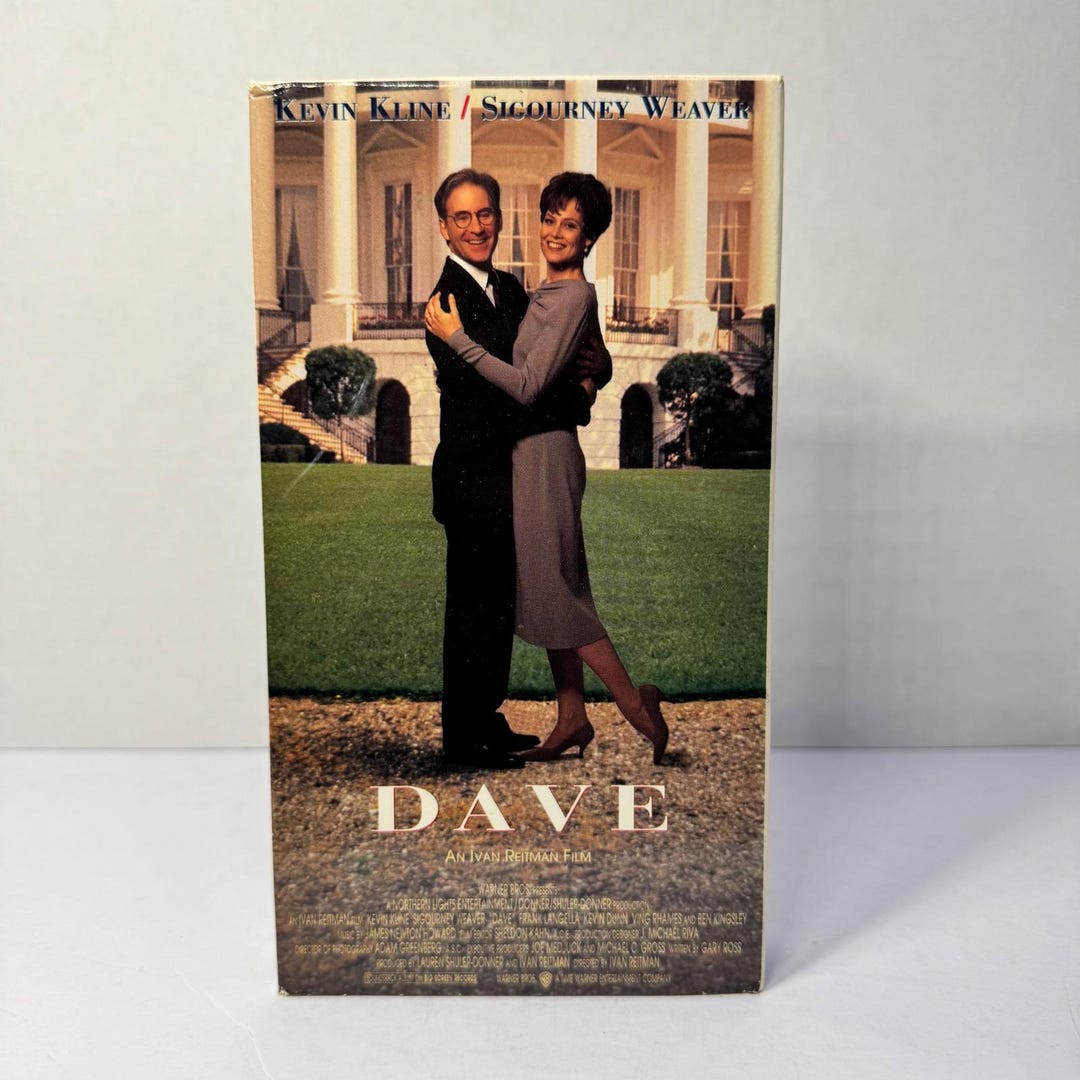
| Dave | Political Satire / Romance | Ivan Reitman, Kevin Kline | High-concept presidential body double premise |
| Wayne's World 2 | Anarchic Sequel / Pop Culture | Stephen Surjik, Mike Myers | Meta-textual fourth-wall breaking and music integration |
Each of these productions utilized distinct narrative and technical approaches. For instance, Groundhog Day utilized a repetitive narrative structure to explore existential themes wrapped inside a romantic comedy framework, establishing a storytelling template later replicated across numerous science fiction and comedic scripts. Conversely, Mrs. Doubtfire mastered the blend of broad family farce with genuine emotional pathos, utilizing complex prosthetic transformations that required hours of daily application for the lead actor.
Production Techniques and Technical Innovations
The execution of 1993 comedies relied heavily on practical production techniques that preceded the widespread implementation of digital computer-generated imagery. Special effects supervisors coordinated closely with directors to ensure that physical gags, stunt work, and mechanical effects appeared seamless on screen. Makeup effects departments played a critical role, particularly in transformation-heavy projects requiring intricate prosthetics that could withstand intense studio lighting and physical exertion without degrading.
Furthermore, screenwriting during this period emphasized structural precision. The "three-act structure" served as an unbreakable baseline, but writers incorporated rapid-fire dialogue pacing and overlapping comedic beats that required tight editorial timing. Sound design and music supervision also evolved, utilizing contemporary pop soundtracks and targeted orchestral cues to punctuate comedic punchlines and enhance scene transitions, a technique that set a standard for subsequent studio comedies.
Cultural Legacy and Long-Term Influence
The 1993 comedy film catalog holds a unique position in modern media consumption, serving as a bridge between physical-era cinema and contemporary digital distribution. These films established many tropes, character archetypes, and narrative shortcuts still utilized in television sitcoms and streaming series. By demonstrating that high-concept premises could achieve massive global box office returns without sacrificing character depth, 1993 proved that comedic cinema could be both commercially viable and artistically durable.
As these films transitioned from theatrical exhibition to home video formats—first through VHS cassette sales and later via digital streaming libraries—they maintained generational appeal. Audiences who experienced these releases in theaters introduced them to younger viewers, cementing their status as cultural touchstones. The careful balance of accessible physical humor and sophisticated subtext ensures that the definitive comedies of 1993 continue to serve as study material for contemporary screenwriters and entertainment historians alike.
Frequently Asked Questions
What made 1993 a standout year for comedy films?
The year 1993 stood out because it featured a rare convergence of high-concept storytelling, advanced practical effects, and peak performances from defining comedic actors. Studios successfully blended broad family appeal with sharper satirical writing, producing enduring hits that dominated global box office charts and established long-lasting cinematic tropes.
How did practical effects influence 1993 comedies?
Practical effects, including advanced prosthetics, mechanical props, and stunt choreography, allowed filmmakers to execute physical transformations and elaborate slapstick gags with tactile realism. This hands-on approach grounded surreal premises in physical reality, enhancing the comedic impact of transformative performances and chaotic action set pieces.
Are 1993 comedies suitable for all audiences?
Suitability varies significantly depending on the specific film's rating and thematic content. While suburban family fantasies and slapstick features targeted broad, all-ages demographics, political satires and romantic comedies often incorporated adult humor, cynical subtext, and mature situations intended primarily for teen and adult viewers.
What structural storytelling template became prominent in 1993 comedies?
The temporal time-loop narrative and the high-concept body-swap or double premise gained significant traction in 1993. These structures allowed screenwriters to subject ordinary protagonists to repetitive or absurd trials, driving character growth through escalating comedic situations while maintaining a clear, satisfying narrative arc.
How do contemporary platforms distribute 1993 comedies?
Contemporary distribution relies heavily on digital subscription streaming services, video-on-demand digital storefronts, and high-definition physical media formats like Blu-ray. These platforms allow legacy titles to reach new, younger audiences globally while maintaining preserved historical aspect ratios and remastered audio tracks.
Selecting and Evaluating Comedies for Modern Viewing
To maximize enjoyment when revisiting or discovering comedies from this era, viewers should evaluate their personal preferences regarding pacing, tone, and nostalgic context. If you prefer high-energy character antics and family-oriented emotional beats, focus your viewing on transformation-heavy features or suburban fantasy premises. Conversely, if you favor sharp dialogue, cynical observation, and structured narrative puzzles, prioritize satirical workplace comedies and existential time-loop romances. Verify streaming availability on licensed platforms to ensure access to proper widescreen presentations and original theatrical audio mixes.