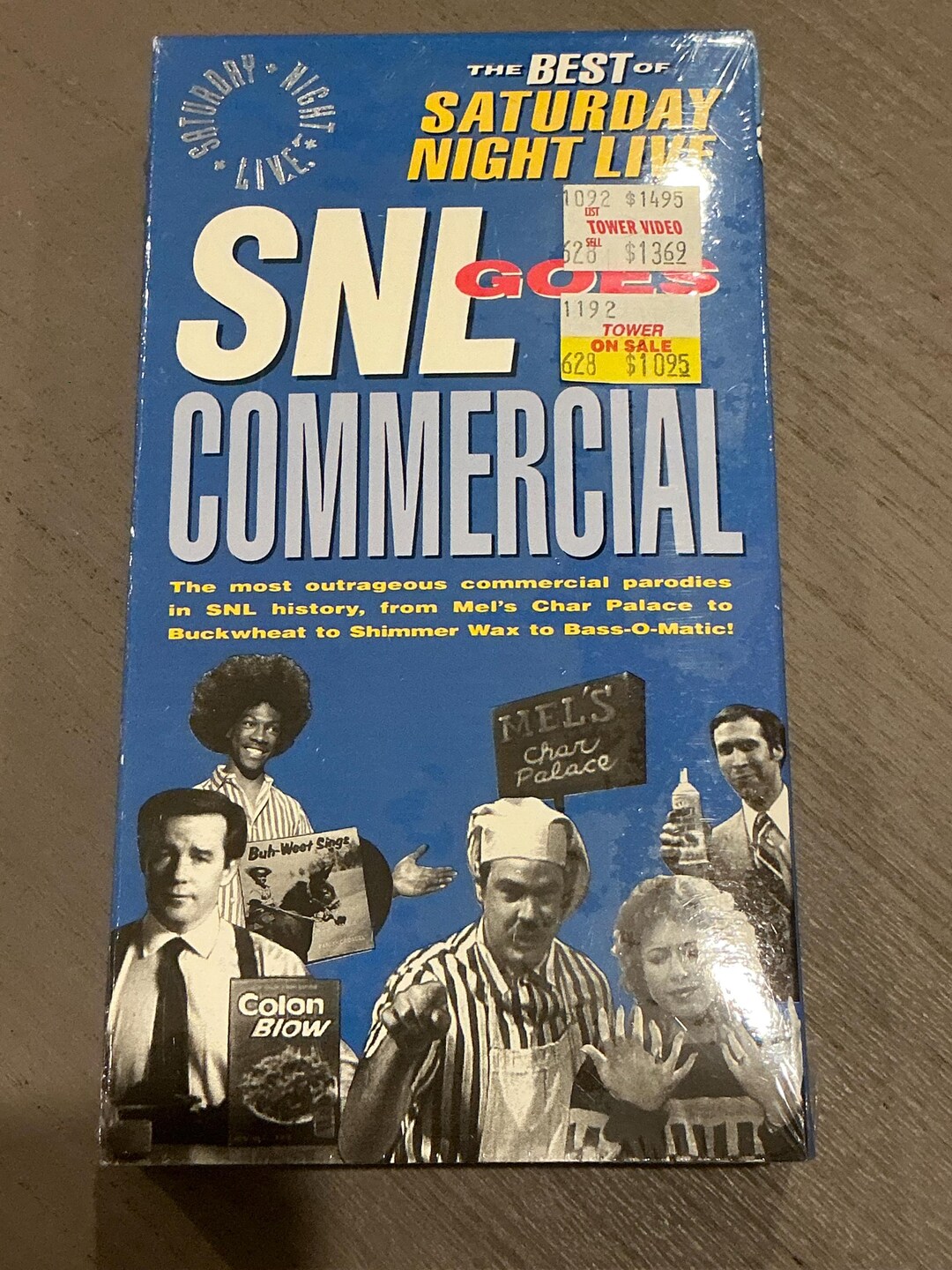
The 1992 season of Saturday Night Live (SNL) captured a pivotal transitional era for the long-running NBC sketch comedy show, bridging the late-eighties generation of cast members with the emergence of 1990s alternative culture. Positioned squarely during an unpredictable presidential election year and a shifting media landscape, the 1992 broadcasts of the show—spanning the second half of Season 17 and the first half of Season 18—left an indelible mark on American political satire, pop culture, and television history.
The State of Saturday Night Live in 1992
By 1992, Saturday Night Live was navigating a period of creative and structural reinvention. The late 1980s had revived the franchise through the star power of performers like Dana Carvey, Jon Lovitz, Dennis Miller, and Phil Hartman. However, as the calendar turned to 1992, several foundational cast members were approaching the final phases of their tenures. This dynamic created a unique tension on screen, where veteran polish met the frantic energy of newer additions trying to carve out distinct niches.
The production atmosphere behind the scenes at Studio 8H in Rockefeller Center reflected the pressures of television in an election year. Lorne Michaels and his writing staff had to manage network expectations while adapting to an evolving cultural environment characterized by the rise of grunge music, independent cinema, and a more cynical, fast-paced public discourse. The show remained the preeminent platform for satirical commentary, yet it faced intense competition from emerging cable alternatives and a changing late-night television schedule.
Political Satire and the 1992 Presidential Election
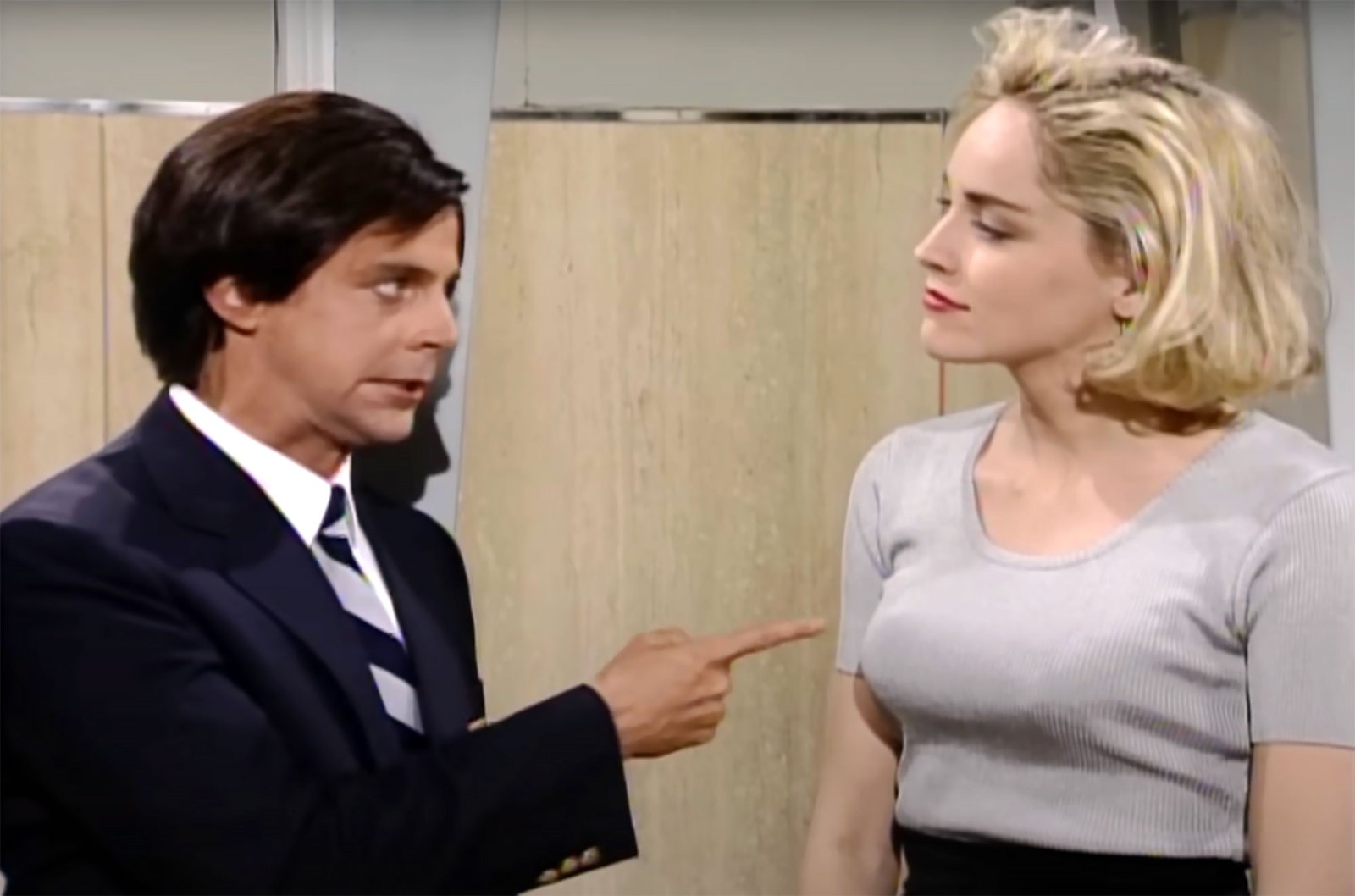
The defining feature of the 1992 SNL episodes was their heavy focus on the United States presidential election, which pitted incumbent Republican George H.W. Bush against Democratic challenger Bill Clinton and independent candidate Ross Perot. This political cycle inspired some of the most enduring character work in the history of the program, transforming how television audiences viewed national political figures.
Dana Carvey’s portrayal of George H.W. Bush became a cultural touchstone, characterized by eccentric mannerisms, phrases like "wouldn't be prudent," and an exaggerated New England aristocratic cadence. Meanwhile, Phil Hartman brought a steady, smooth gravitas to his performance as Admiral James Stockdale and later as Bill Clinton, establishing a blueprint for presidential impersonations that balanced policy familiarity with personal idiosyncrasies. When actual candidates, including Bill Clinton and Ross Perot, made cameo appearances on the show, it solidified 1992 as a watershed moment when the boundary between real politics and television parody officially dissolved.
| Cast Member | Notable 1992 Character / Impression | Primary Cultural Impact |
|---|---|---|
| Dana Carvey | George H.W. Bush / Garth Algar | Defined political satire of the early 1990s election cycle. |
| Phil Hartman | Bill Clinton / Frank Sinatra | Provided foundational anchoring for complex political sketches. |
| Mike Myers | Wayne Campbell | Transformed a recurring sketch character into a global box office phenomenon. |
| Chris Farley | Matt Foley (Motivational Speaker) | Introduced high-intensity physical comedy that defined the mid-90s. |
Notable Cast Dynamics and Breakthrough Performers
The cast roster during the 1992 calendar year represented a fascinating generational bridge. On one side stood the "Bad Boys of SNL" era and their immediate predecessors; on the other stood a wave of fresh talent that would dominate the remainder of the decade. The year 1992 witnessed the maturation of performers who relied heavily on physical comedy, complex character acting, and alternative sensibilities.
Chris Farley's integration into the permanent cast brought a level of volatile, high-stakes physical comedy that galvanized studio audiences. Concurrently, Adam Sandler, David Spade, Rob Schneider, and Tim Meadows were developing recurring segments that resonated strongly with younger demographics. This blend of polished sketch veterans and chaotic newcomers occasionally created friction in the writers' room, but it also ensured that the show appealed to a broad demographic spectrum, ranging from traditional television viewers to college students embracing alternative comedy styles.
The Crossover Between Film and Television
A defining characteristic of the 1992 SNL production cycle was the increasing synergy between the television program and major Hollywood motion pictures. The most prominent example of this trend was the feature film adaptation of Wayne's World, starring Mike Myers and Dana Carvey as heavy-metal-loving public access hosts Wayne Campbell and Garth Algar. Released in February 1992 by Paramount Pictures, the film became a massive critical and commercial success, grossing over $183 million worldwide and proving that recurring sketch characters could successfully transition to the silver screen.
This cinematic crossover changed how NBC and Lorne Michaels managed intellectual property. The success of Wayne's World set a precedent for future film adaptations, altering the career trajectories of its creators and demonstrating the economic power of the show's recurring sketches. Throughout 1992, references to the film and its catchphrases permeated popular culture, reinforcing the show's dominance in the contemporary media ecosystem.
Musical Guests and Counterculture Integration
The musical selections on Saturday Night Live in 1992 reflected the tectonic shifts occurring in the American music industry, most notably the commercial breakthrough of alternative rock, grunge, and modern hip-hop. While the show had historically favored mainstream pop and classic rock acts, the 1992 bookings increasingly embraced artists who defined the zeitgeist of the emerging decade.
Performances by bands such as Nirvana, Pearl Jam, Red Hot Chili Peppers, and Cypress Hill brought countercultural aesthetics directly into the conservative living rooms of mainstream television viewers. These appearances were frequently accompanied by memorable behind-the-scenes moments, on-stage antics, and a general disruption of traditional television broadcast norms. The inclusion of these musical acts helped maintain the show's relevance among younger viewers who might otherwise have tuned out traditional network programming.
Challenges, Censorship, and Controversies
Operating a live, unspooled television sketch comedy show in 1992 naturally brought its share of controversies and broadcast friction. The network standards and practices department maintained strict oversight regarding language, political fairness doctrines during the election season, and explicit content. However, the performers frequently pushed against these boundaries.
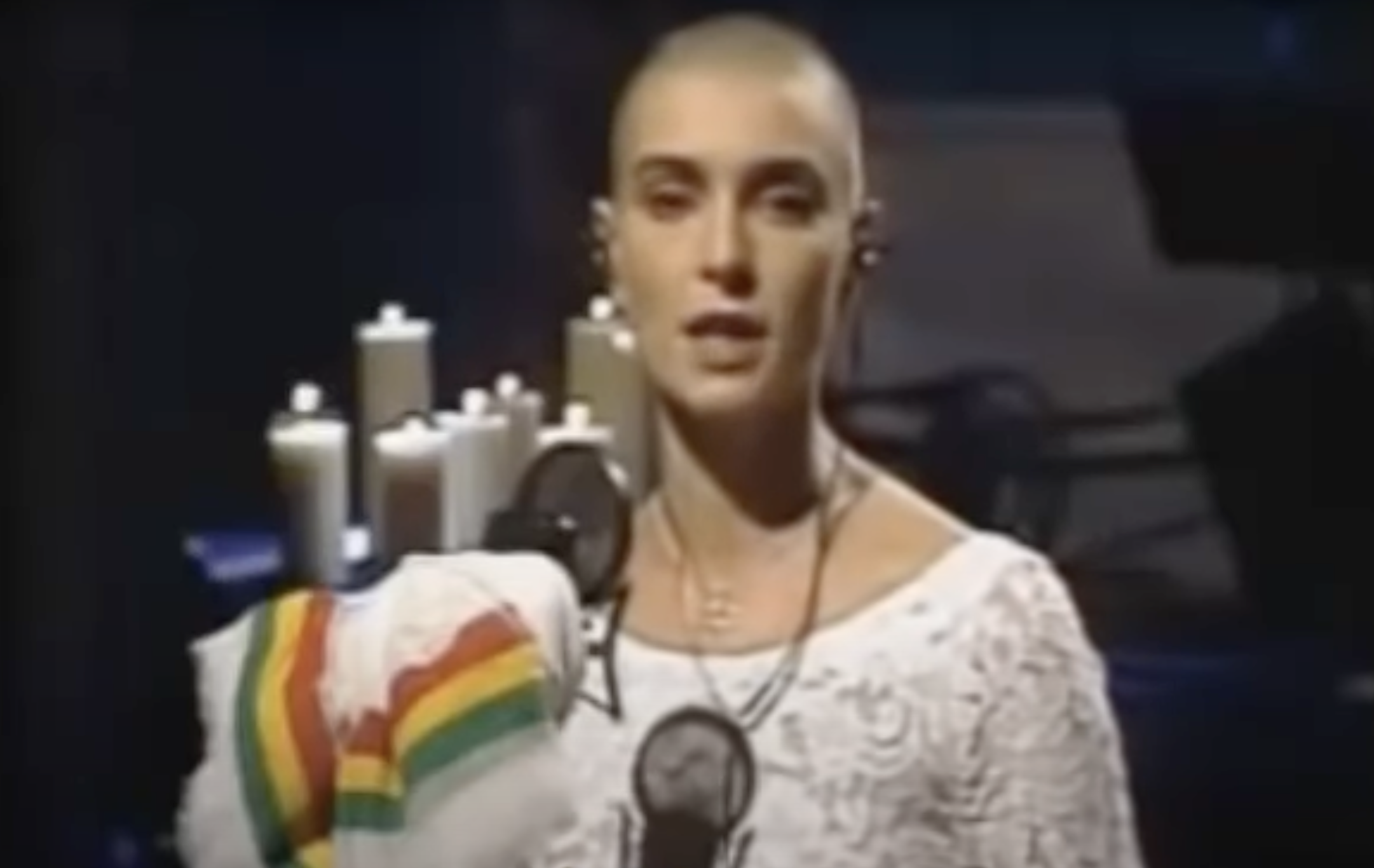
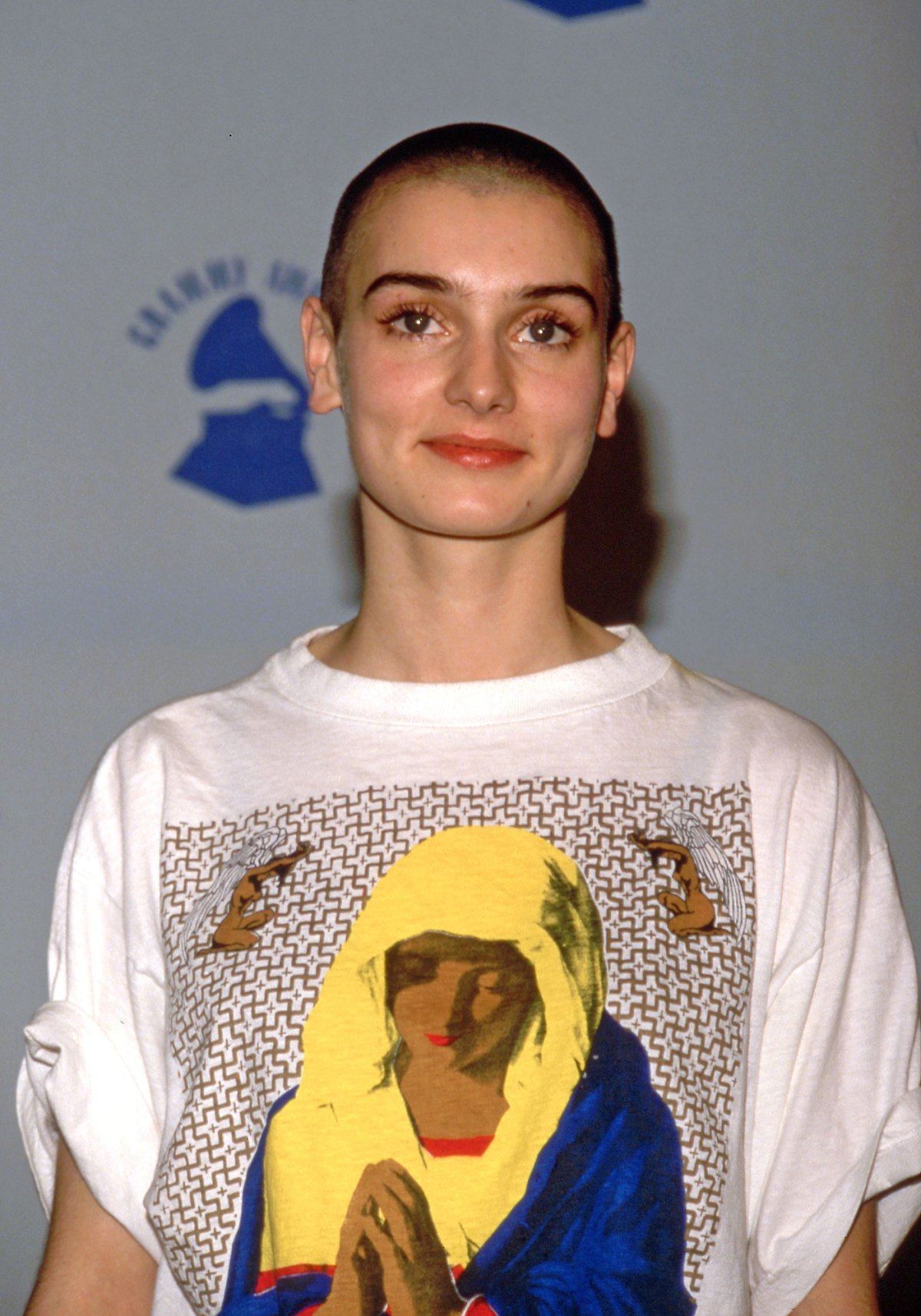
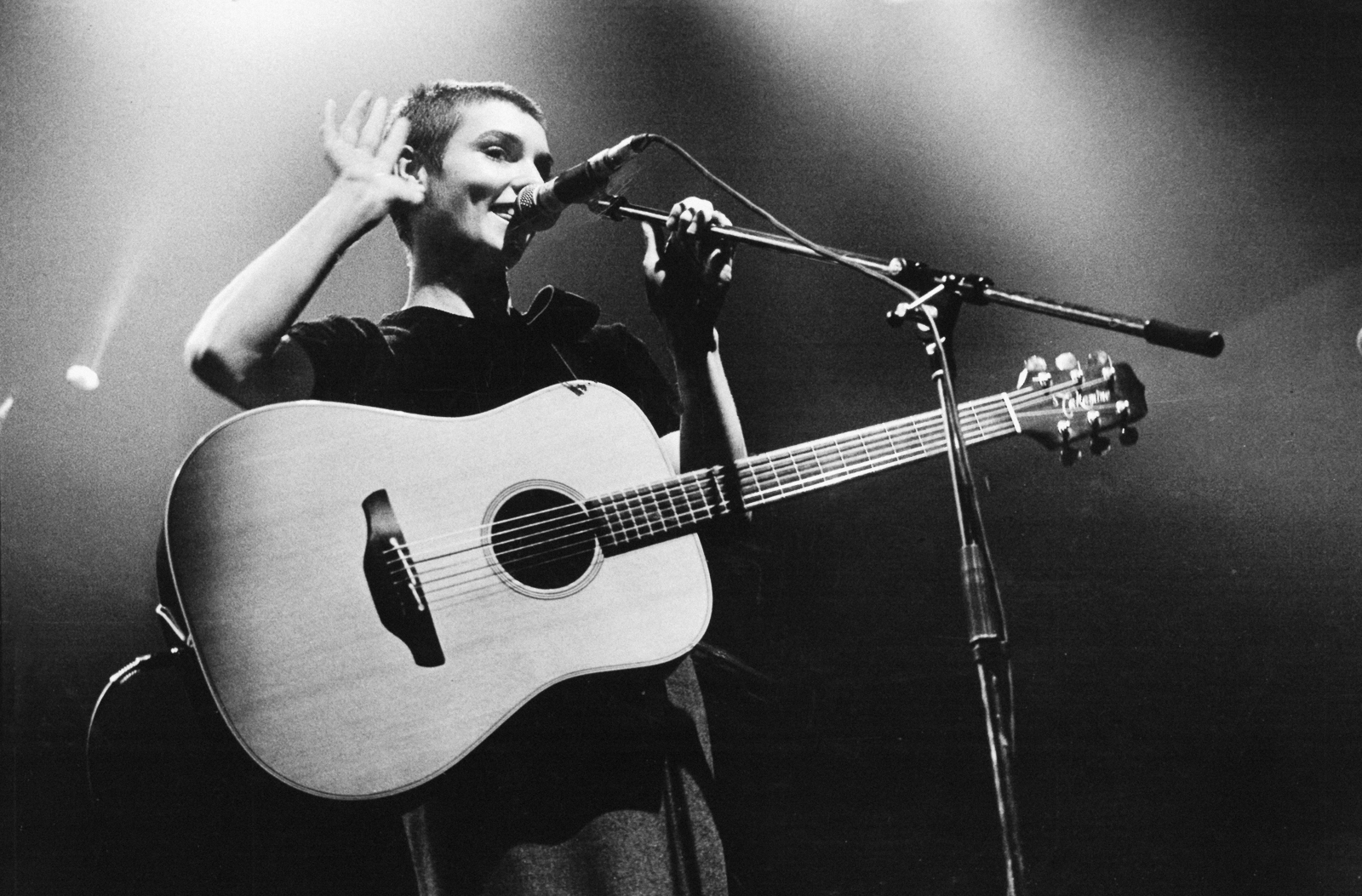
One of the most notable controversies of the era occurred when musical guest Sinéad O'Connor tore up a photograph of Pope John Paul II during her an cappella performance on the October 3, 1992 episode. This unscripted act of protest against the Catholic Church sparked immediate outrage, network switchboard floods, and permanent industry fallout, illustrating the high-wire act of broadcasting live television where performers could bypass censors in real time. Incidents like this cemented the show's reputation as a platform where spontaneous cultural and political statements could bypass traditional media filters.
Frequently Asked Questions
Who were the main cast members of Saturday Night Live in 1992?
The primary cast during the 1992 calendar year included long-running veterans and rising stars such as Dana Carvey, Phil Hartman, Mike Myers, Kevin Nealon, Victoria Jackson, Chris Farley, Adam Sandler, David Spade, Rob Schneider, Julia Sweeney, and Tim Meadows. This group represented a mix of polished impressionists and absurdist physical comedians.
How did the 1992 US Presidential Election influence the show?
The 1992 election provided abundant material for cold opens and political sketches, heavily featuring Dana Carvey's impression of George H.W. Bush and Phil Hartman's portrayal of Bill Clinton. The satire heavily influenced public perception of the candidates, with actual contenders even making guest appearances on the program to rehabilitate or boost their public images.
Which movie originated from an SNL sketch and was released in 1992?
Wayne's World, based on the recurring sketch featuring Wayne Campbell and Garth Algar played by Mike Myers and Dana Carvey, was released in February 1992. The film became a massive box office hit and cemented the viability of turning television sketches into major feature-length motion pictures.
What was the significance of the musical guests on SNL in 1992?
The musical bookings in 1992 marked a decisive shift toward alternative rock, grunge, and hip-hop. By featuring bands like Nirvana and Pearl Jam, the show connected directly with younger, countercultural audiences and documented the broader musical revolution of the early 1990s.
Why is the October 1992 episode featuring Sinéad O'Connor remembered?
Sinéad O'Connor is remembered for an unscripted protest during her musical performance where she tore up a photograph of Pope John Paul II. The incident generated massive public controversy, strict network rebukes, and enduring discussion about artistic freedom and live broadcast television.
Strategic Legacy and Archival Evaluation
Evaluating the 1992 broadcast year of Saturday Night Live requires examining both its immediate cultural footprint and its long-term structural influence on late-night television. By successfully navigating a volatile political landscape, launching commercially viable cinematic franchises, and incorporating contemporary alternative music, the production proved its resilience during a period of intense media fragmentation. Reviewing these episodes today reveals a vital historical record of American humor, media saturation, and social anxiety at the dawn of the modern digital age.