The role of a 1992 film director was defined by a volatile intersection of rising independent cinema, high-stakes Hollywood blockbuster filmmaking, and a global shift toward edgy, provocative storytelling. Directors working in this pivotal year navigated shifting studio economics, emerging digital-adjacent technologies like early CGI, and an appetite for narratives that challenged traditional censorship and moral boundaries.
Defining the Cinematic Landscape of 1992
The year 1992 occupied a unique space in film history, bridging the high-concept commercialism of the 1980s with the cynical, self-aware storytelling of the late 19th and early 20th centuries. A 1992 film director operated in an environment where major studios were beginning to consolidate, yet independent financing models started to prove that low-budget features could achieve massive cultural penetration and commercial viability. This duality allowed auteurs and genre filmmakers alike to push boundaries.
Studio executives during this period sought high-return properties, leading to the greenlighting of major action features, neo-noir thrillers, and prestige historical dramas. Simultaneously, the Sundance Film Festival and other independent showcases were gaining unstoppable momentum. Directors who broke out or delivered career-defining work in 1992 found themselves navigating a rapidly changing media ecosystem where marketing campaigns, home video distribution via VHS, and theatrical box office receipts all dictated long-term career survival.
Major Directorial Styles and Subgenres of the Era
Directorial approaches in 1992 varied wildly across genres, reflecting a fractured audience looking for both escapism and gritty realism. The landscape can be categorized into distinct buckets of directorial focus:
- The Neo-Noir and Psychological Thriller Director: Crafting tension through atmospheric lighting, complex anti-heroes, and morally ambiguous plots.
- The Independent Auteur: Operating outside major studio oversight to explore fringe subcultures, taboo subjects, and non-linear narratives.
- The Studio Blockbuster Visionary: Managing inflated budgets, massive crew sizes, and practical-to-digital visual effects transitions.
- The Prestige Historical and Biographical Director: Focusing on meticulous production design, sweeping cinematography, and actor-driven character studies.
Understanding these divergent paths clarifies why a 1992 film director could range from an avant-garde indie pioneer to a master of studio spectacle, each facing distinct operational challenges on set.
Technical Realities and Production Constraints on Set
Directing a feature film in 1992 meant working with physical mediums and logistical constraints that have largely vanished in the modern digital era. Celluloid film stock—predominantly 35mm and 16mm—governed every creative decision. Directors had to manage limited stock, expensive laboratory processing, and strict ratios of printed takes versus wasted footage.
Key Technical Challenges Faced by 1992 Directors
- Limited Playback Options: Unlike modern digital sets with instant monitors and digital dailies, directors relied on optical viewfinders and analog video assist monitors with low resolution to review blocking and framing.
- Practical Effects Dominance: Physical stunts, animatronics, and in-camera optical effects required precise timing between the director, director of photography, and special effects supervisors, as digital compositing was still in its infancy.
- Sound Design Limitations: Double-system sound recording on analog magnetic tape meant audio fidelity relied heavily on boom operators and production mixers capturing clean dialogue on set, prior to extensive digital sweetening.
These physical constraints demanded meticulous pre-production planning. Storyboarding was not merely an optional visual aid but an absolute necessity for communicating complex camera movements and action sequences to the crew before burning expensive film stock.
Notable Releases and Directorial Approaches of the Year
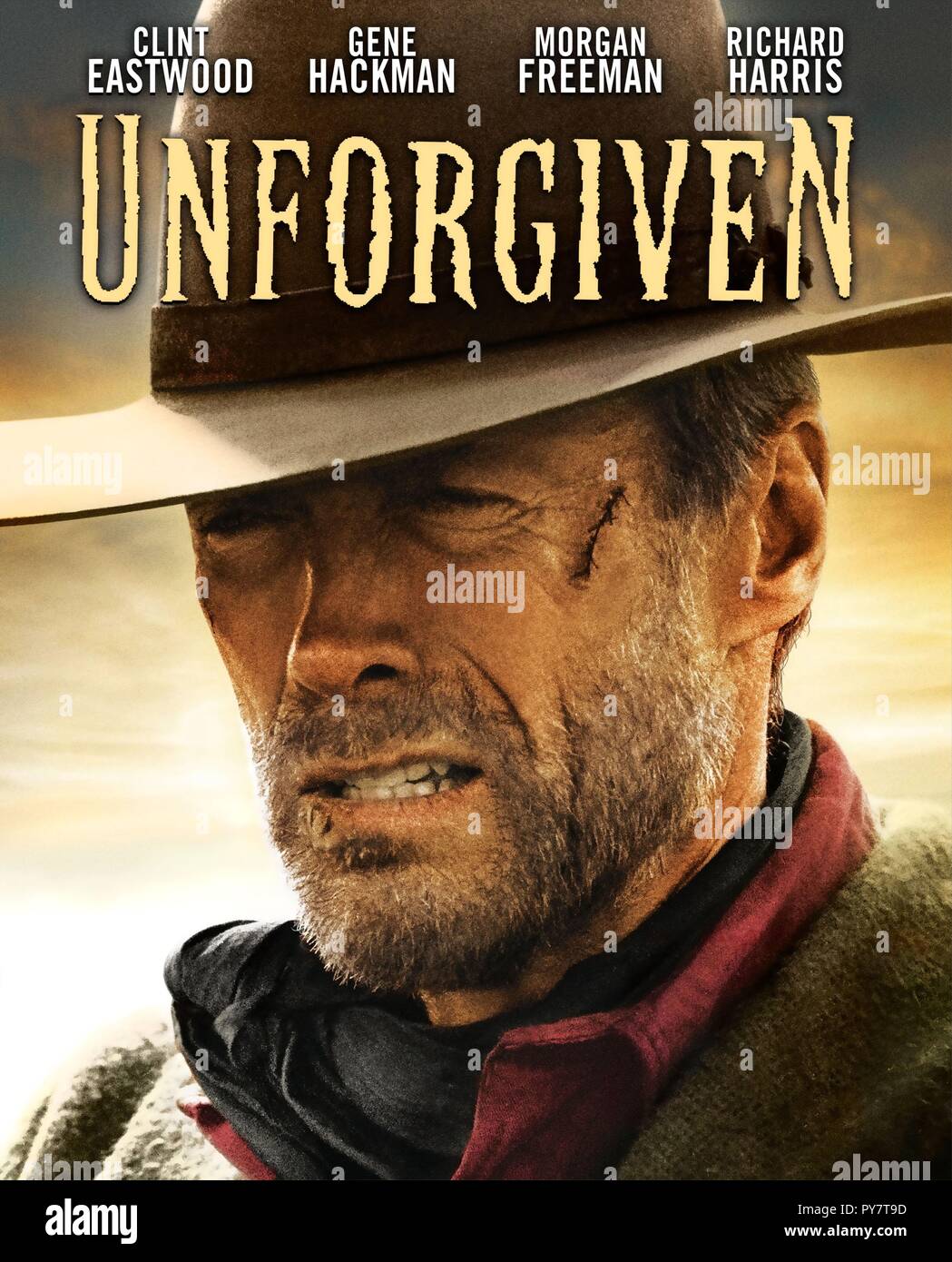
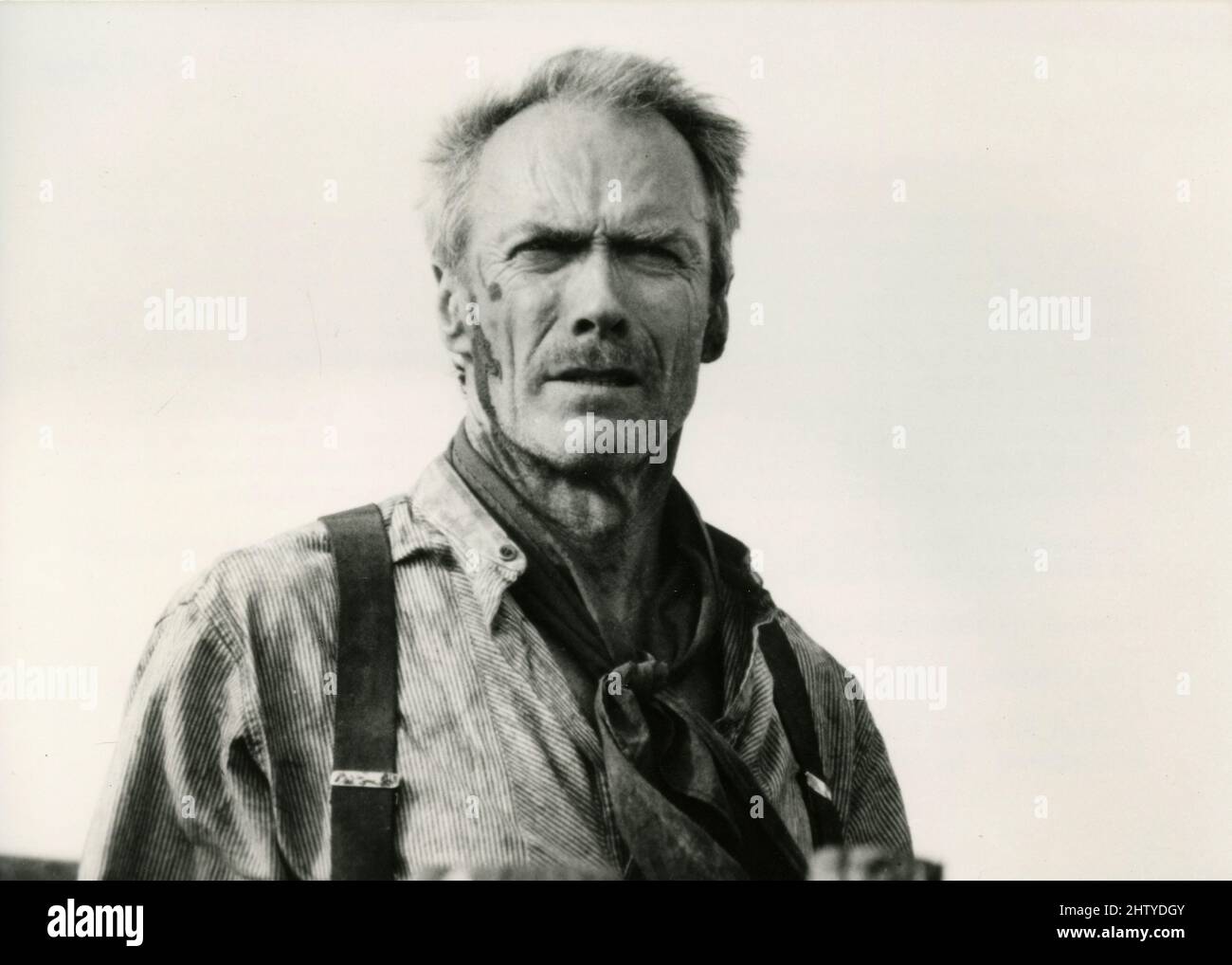
The cinematic output of 1992 featured several landmark releases that showcased the versatility and daring nature of directors working at the time. Clint Eastwood cemented his status as a master craftsman and director with Unforgiven, a revisionist Western that deconstructed the mythos of the American frontier and earned him the Academy Award for Best Director. The film demonstrated how a veteran director could subvert a classic Hollywood genre for modern audiences.
In the realm of independent and neo-noir cinema, Quentin Tarantino’s debut feature Reservoir Dogs premiered in 1992, introducing a radical directorial voice characterized by non-linear storytelling, sharp pop-culture dialogue, and extreme tonal shifts. Meanwhile, directors like David Fincher transitioned from music videos to feature films with Alien 3, experiencing the grueling studio interference and creative friction that often characterized high-budget studio filmmaking for first-time feature directors in that era.
| Film Title | Director | Primary Genre | Directorial Focus & Technique |
|---|---|---|---|
| Unforgiven | Clint Eastwood | Western | Revisionist narrative, naturalistic lighting, efficient shooting schedule. |
| Reservoir Dogs | Quentin Tarantino | Crime Thriller | Sharp dialogue, stylized violence, ensemble cast management. |
| Basic Instinct | Paul Verhoeven | Neo-Noir / Erotic Thriller | High-contrast visual style, provocative subject matter, suspense pacing. |
| Bram Stoker's Dracula | Francis Ford Coppola | Gothic Horror | In-camera practical effects, expressionistic set design, theatrical staging. |
The Business of Direction: Studio Politics and Independent Financing
For a 1992 film director, securing financing was inextricably linked to the rising power of independent production companies and foreign pre-sales. While major studios like Warner Bros., Universal, and Paramount controlled wide distribution networks, independent financiers such as October Films and Savoy Pictures began carving out market share. Directors had to learn to pitch not just to studio heads, but to international distributors at markets like the American Film Market (AFM) and Cannes.
Creative control remained a constant battleground. Final cut privileges were heavily guarded, and studio interference frequently resulted in re-edited theatrical cuts, particularly in the thriller and action genres. Directors who successfully balanced commercial expectations with personal vision—such as Robert Altman with The Player—used the Hollywood system's own conventions as the subject matter for scathing, self-referential satires.
How Has the Role of the Film Director Changed Since 1992?
The responsibilities of a film director have evolved significantly since 1992, transitioning from a primarily celluloid-based, analog management role to a largely digital workflow encompassing post-visualization, heavy CGI supervision, and multi-platform distribution strategy. While the core artistic responsibility of guiding actors and shaping narrative tone remains constant, the technical fluency required of a modern director extends deep into digital asset management and virtual production environments that did not exist in 1992.
Frequently Asked Questions
What camera formats did a 1992 film director primarily use?
Directors in 1992 shot almost exclusively on physical celluloid film stock, primarily 35mm for theatrical feature films and occasional 16mm for low-budget independent productions. Video cameras were used strictly for television production or analog video assist monitoring on set.
How did directors handle visual effects in 1992?
Visual effects in 1992 relied heavily on practical effects, miniatures, animatronics, and optical printer compositing. While computer-generated imagery was beginning to make waves—most notably demonstrated by Terminator 2: Judgment Day the previous year and continued in 1992 projects—it was specialized and expensive, requiring separate digital houses rather than on-set digital rendering.
Did independent directors have more freedom in 1992?
Independent directors in 1992 experienced a major boom due to the expansion of specialty divisions within major studios and independent distributors. This environment allowed filmmakers to secure financing outside the traditional studio system, granting them greater script and final-cut autonomy, provided budgets remained strictly controlled.
What were the primary distribution channels for a 1992 film?
Theatrical release remained the primary prestige and revenue-driving channel, but the booming home video market via VHS rentals and purchases had become a massive secondary revenue stream that actively influenced how directors and producers evaluated a film's ultimate financial viability.
How did directors prepare storyboards before digital pre-visualization?
Directors relied on professional storyboard artists who drew frame-by-frame sketches on paper. These physical storyboards were duplicated and distributed to the cinematographer, gaffer, and assistant directors to plan camera setups, lighting requirements, and blocking prior to arriving on location or soundstages.
Strategic Next Steps for Film History Research
To deepen your understanding of this era, examine the trade publications of the period, such as Variety and The Hollywood Reporter from 1992, to see how editorial coverage shaped public perception of box-office performance. Reviewing original shooting scripts alongside the finished theatrical cuts of major 1992 releases also provides direct insight into how directorial choices altered pacing, character development, and narrative structure on the cutting room floor.