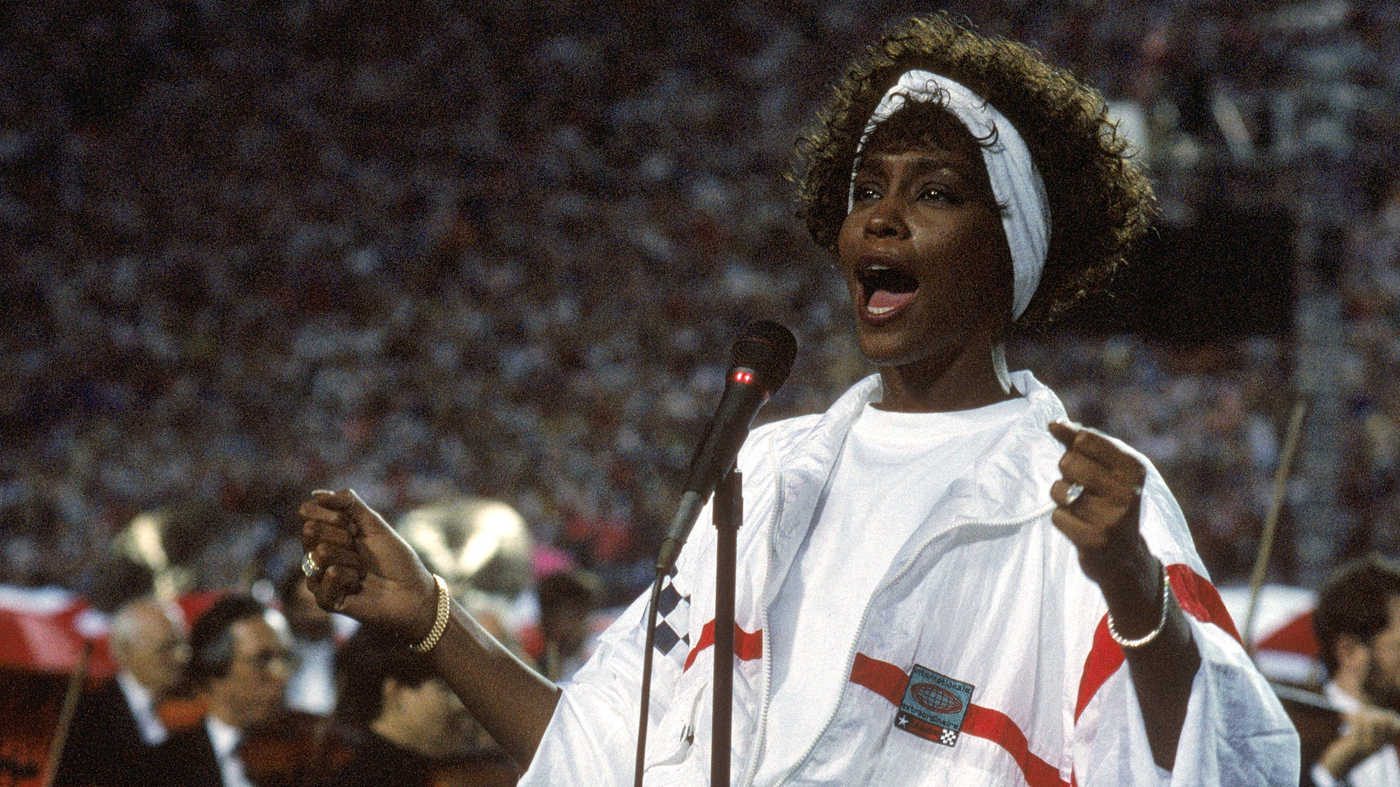
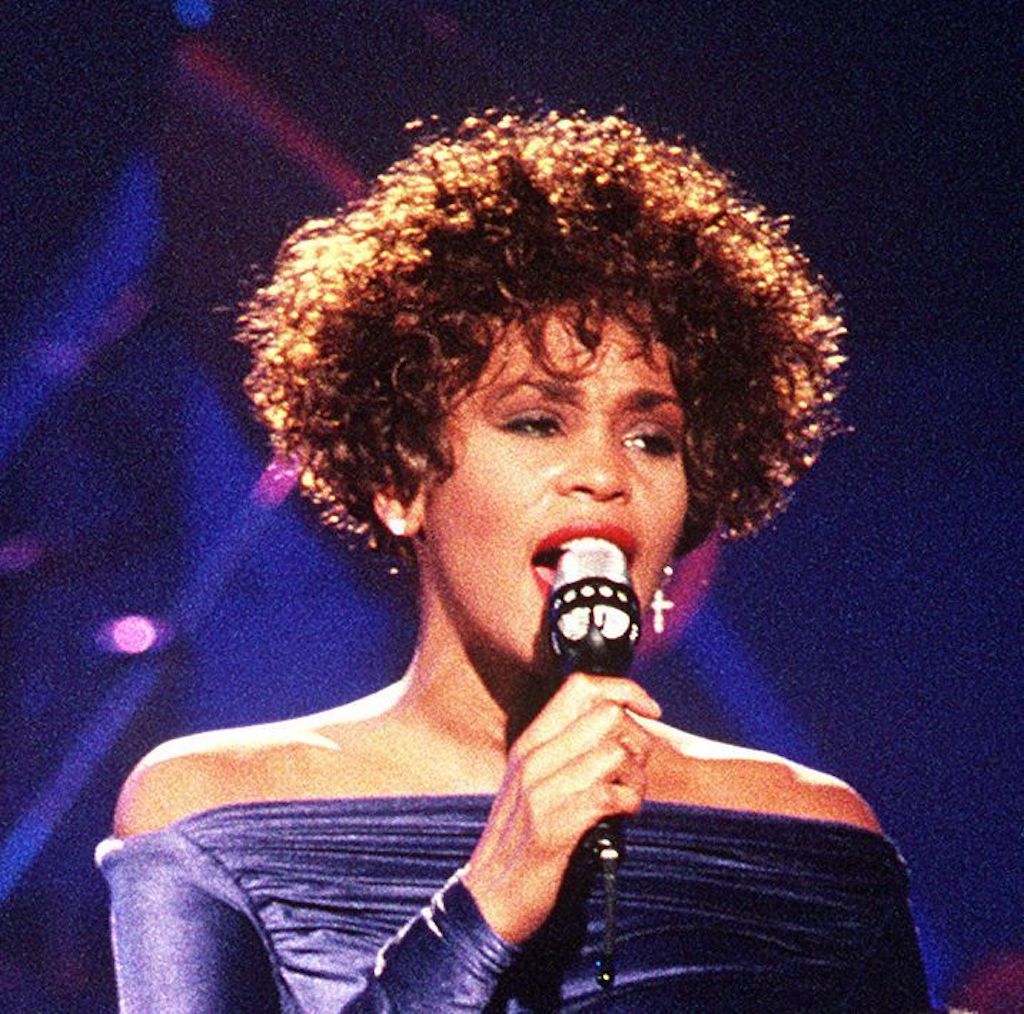
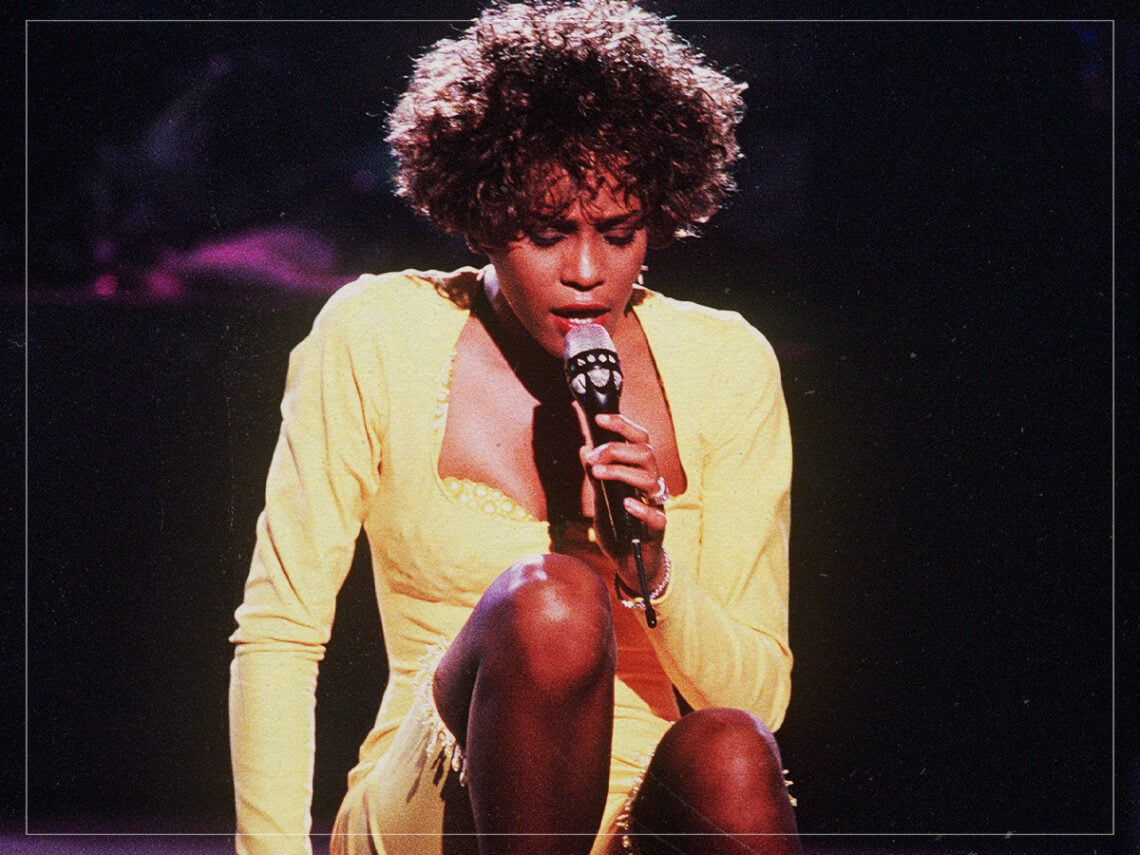
Whitney Houston’s performance of "The Star-Spangled Banner" at Super Bowl XXV on January 27, 1991, at Tampa Stadium remains the gold standard for patriotic musical interpretations, blending soaring vocal technical precision with profound emotional resonance during a time of national conflict.
When Whitney Houston stepped onto the turf of Tampa Stadium prior to Super Bowl XXV, the geopolitical landscape charged the atmosphere with unprecedented tension. The United States was actively engaged in Operation Desert Storm in the Persian Gulf, transforming what is typically a standard sports entertainment segment into a moment of collective national consolidation. Dressed in a classic red, white, and blue tracksuit, Houston did not rely on the conventional gospel-infused vocal acrobatics or slow tempo pacing common to contemporary stadium anthems. Instead, working alongside musical director and arranger Rickey Minor, she performed a sweeping, rhythmically distinct 4/4 arrangement of the anthem that immediately captured the attention of over 115 million television viewers.
The enduring legacy of this specific performance rests not merely on its vocal perfection, but on how it redefined the intersection of popular music, televised sports, and national identity. Decades after the initial broadcast, the arrangement became a benchmark for every subsequent artist tasked with opening a major sporting event. Understanding why this performance retains its cultural currency requires examining the technical elements, the historical backdrop, the commercial aftermath, and the lasting impact on the music industry.
Historical Context and the Shadow of Operation Desert Storm
The operational backdrop of Super Bowl XXV significantly influenced the emotional weight carried by Whitney Houston's vocal delivery. Scheduled for January 27, 1991, the National Football League event took place less than two weeks after the commencement of the Gulf War. Security protocols at Tampa Stadium were exceptionally stringent, mirroring heightened threat levels across the United States. Viewers tuned in not only to watch the New York Giants play the Buffalo Bills, but to seek reassurance and unity through a shared cultural ritual.
In this climate of collective anxiety, the NFL sought an artist capable of delivering an anthem that felt both unifying and majestic. Houston, then at the height of her commercial powers following a string of multi-platinum albums, was the league's primary choice. However, her initial rehearsal tape featured a traditional 3/4 time signature that failed to provide the driving momentum Minor and Houston envisioned. The decision to shift the arrangement to a stirring 4/4 meter created a forward-leaning, anthemic pulse that elevated the song from a traditional hymn into an empowering public address. This structural alteration allowed Houston to build tension methodically across the verses, holding back her immense vocal power until the final, explosive phrases that defined the broadcast.
Musical Arrangements and Vocal Execution
The technical architecture of Whitney Houston’s 1991 performance reveals a masterclass in vocal control, dynamics, and stylistic restructuring. Most vocalists approach the national anthem with an improvisational freedom that can occasionally obscure the underlying melody. Houston grounded her rendition in absolute pitch precision while executing complex stylistic choices that highlighted her five-octave vocal range without ever descending into self-indulgence.
Working within the 4/4 framework, the arrangement utilized a marching snare pattern that underscored the military context of the evening without overpowering the vocals. Houston’s phrasing on lines like "the rocket's red glare" demonstrated a calculated use of stato and legato delivery, cutting through the stadium acoustics. Her phrasing was captured live through a high-end vocal microphone feed, which famously bypassed the usual acoustic muddying of open-air sports complexes.
| Performance Element | Traditional Approach | Whitney Houston (1991) Approach |
|---|---|---|
| Time Signature | Standard 3/4 waltz time | Driving 4/4 contemporary march time |
| Tempo | Slower, rubato-heavy pacing | Consistent, deliberate mid-tempo drive |
| Vocal Styling | Operatic or traditional choral | Pop-soul belting with gospel phrasing |
| Orchestration | Standard brass and marching band | Florida Orchestra backing with modern rhythm section |
This deliberate pacing provided listeners with distinct dynamic contrasts. The verses were delivered with a warm, measured intimacy that contrasted sharply with the soaring, unbridled power unleashed during the chorus and the final cadence. By treating the anthem as a contemporary composition rather than a museum piece, Houston demonstrated how pop vocal technique could elevate traditional material.
Commercial Release and Humanitarian Impact
The immediate public reaction to the Super Bowl XXV performance caught both Arista Records and the NFL off guard. Within hours of the broadcast, record label executives were inundated with requests from consumers demanding to purchase a commercial copy of the audio. Recognizing both the artistic significance and the extraordinary public demand, Whitney Houston and Arista Records agreed to release the performance as a commercial single and video, with all of Houston's royalties and record company proceeds donated to the American Red Cross Gulf War Crisis Fund.
| Distribution Milestone | Details |
|---|---|
| Initial Broadcast | January 27, 1991 (Tampa Stadium / ABC Sports) |
| First Commercial Release | February 1991 (Cassette single and 7-inch vinyl) |
| Chart Peak (1991) | Reached #20 on the Billboard Hot 100 |
| Re-Release Peak (2001) | Reached #6 on the Billboard Hot 100 following September 11 attacks |
The single achieved unprecedented success for a live performance of a national anthem. In 1991, it peaked at number 20 on the US Billboard Hot 100 chart. A decade later, following the terrorist attacks of September 11, 2001, Arista re-released the single, and it climbed even higher, peaking at number 6. This resurgence underscored the song's enduring role as a musical touchstone for American resilience during national crises.
Evolution of Stadium Anthems After 1991
Before 1991, the Super Bowl national anthem was treated as a standard protocol item, often assigned to traditional marching bands, collegiate choirs, or veteran easy-listening vocalists. Houston’s performance permanently altered the industry standard, establishing the event as a premier showcase for major pop and R&B headliners. Artists such as Mariah Carey, Beyoncé, Lady Gaga, and Eric Church have all subsequently approached the anthem under the structural and stylistic shadow cast by Houston's Tampa appearance.
Furthermore, the performance accelerated the industry standard of pre-recording or backing live vocals with live instrumentation for massive broadcast events. While intense public debate has occasionally surrounded whether modern artists sing live or use pre-recorded tracks at the Super Bowl, audio engineers and producers frequently point to Houston’s 1991 performance as proof that absolute vocal clarity can be achieved live in a chaotic stadium environment when executed by a generational vocalist supported by meticulous audio engineering.
Frequently Asked Questions
Did Whitney Houston sing live at the 1991 Super Bowl?
Yes, Whitney Houston sang live. Although the Florida Orchestra and the rhythm section performed their parts live alongside a safety track to manage stadium acoustic delays, Houston’s vocal delivery was transmitted live to the television broadcast and the stadium speakers. Sound engineers confirmed that her microphone captured her unadulterated live performance throughout the entire duration of the song.
Why was the time signature changed for this performance?
The arrangement was shifted from the traditional 3/4 waltz time to a 4/4 march time by musical director Rickey Minor. This change gave the song a stronger, more propulsive rhythm that matched the military cadence appropriate for the historical moment while allowing Houston more rhythmic flexibility for her vocal runs.
Did Whitney Houston make money from the single release?
No. Whitney Houston and her management team donated all of her personal royalties from the commercial sales of the single and video to the American Red Cross Gulf War Crisis Fund, supporting families of deployed service members and humanitarian relief efforts.
How did the performance chart on the Billboard Hot 100?
The single originally peaked at number 20 on the US Billboard Hot 100 in February 1991. Following its re-release in the aftermath of the September 11 attacks in 2001, the single re-entered the charts and peaked at number 6, generating additional donations for charity.
What orchestra backed Whitney Houston during the performance?
The backing music was provided by the Florida Orchestra, augmented by a rhythm section and specialized percussion arrangements designed to translate cleanly across broadcast television audio systems.
Next Actions and Further Exploration
For researchers, musicologists, and fans seeking to study the mechanics of vocal performance and television broadcast history, examining the archived footage offers valuable insights into live sound mixing and vocal stamina. Reviewing contemporary journalism from January 1991 provides further context regarding the public mood during the opening weeks of the Gulf War. Those interested in the technical production can consult interviews with musical director Rickey Minor, who has detailed the specific arrangement decisions and rehearsal processes that shaped this defining moment in entertainment history.