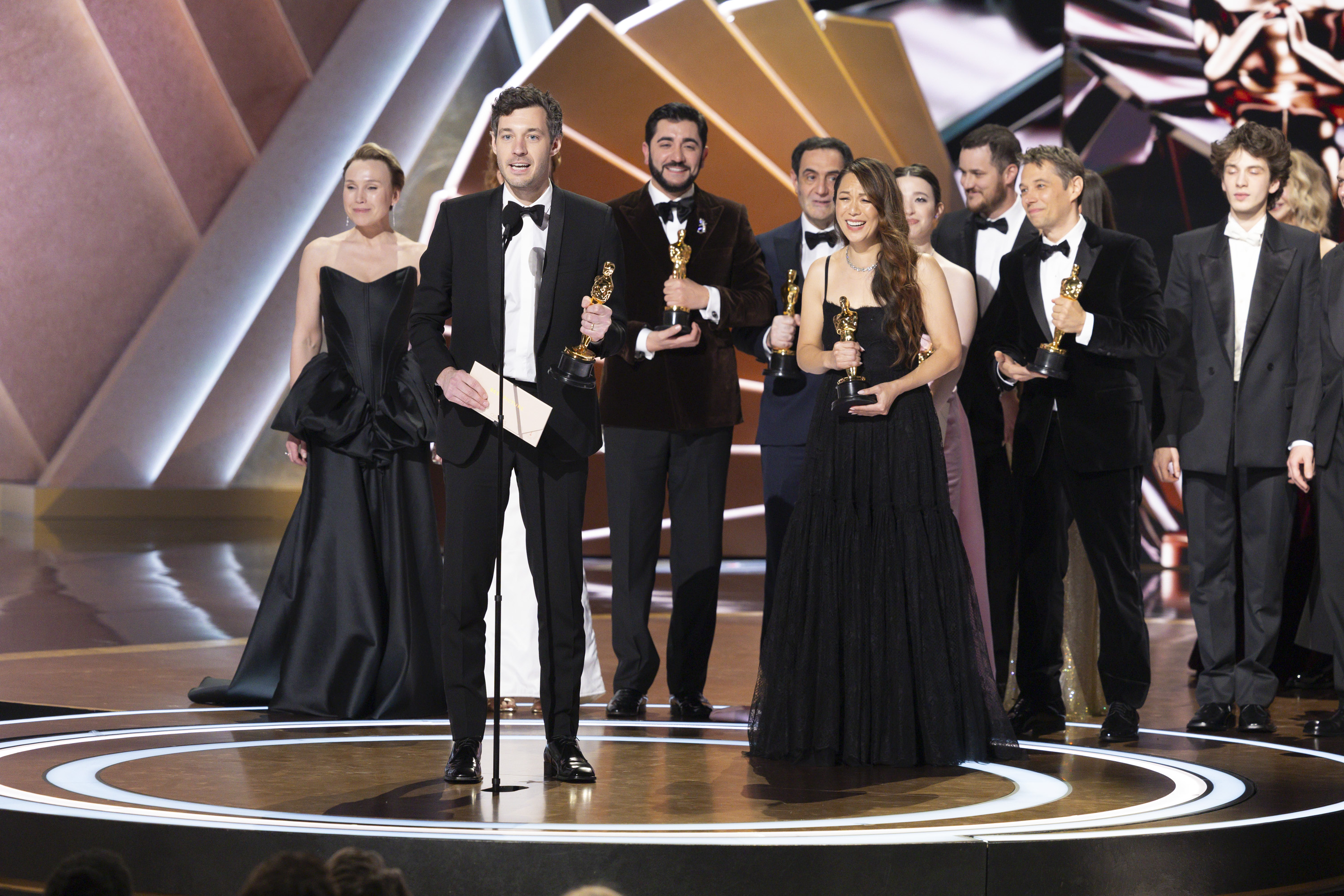
The 63rd Academy Awards ceremony, honoring the best films of 1990, stands out as one of the most culturally significant and fiercely contested nights in Hollywood history, dominated by Jonathan Demme’s psychological thriller The Silence of the Lambs and featuring memorable performances, emotional acceptance speeches, and high-stakes box office triumphs.
The Historic Sweep of The Silence of the Lambs
The 1991 Academy Awards, held on March 30, 1992, at the Dorothy Chandler Pavilion in Los Angeles and hosted by Billy Crystal, marked a watershed moment for genre filmmaking. Before that night, horror and psychological thrillers were routinely relegated to technical categories or ignored entirely by the Academy of Motion Picture Arts and Sciences. The Silence of the Lambs shattered this barrier by pulling off the rare and prestigious "Big Five" sweep, winning Best Picture, Best Actor for Anthony Hopkins, Best Actress for Jodie Foster, Best Director for Jonathan Demme, and Best Adapted Screenplay by Ted Tally.
This achievement placed the film in elite cinematic company alongside It Happened One Night (1934) and One Flew Over the Cuckoo's Nest (1975). Anthony Hopkins delivered a masterclass in economy, chilling audiences as Dr. Hannibal Lecter despite receiving less than 17 minutes of total screen time. Jodie Foster cemented her status as a powerhouse dramatic actor with her portrayal of FBI trainee Clarice Starling, balancing vulnerability with fierce determination. The film's victory validated dark, adult-oriented storytelling at a time when major studio releases often favored conventional drama or sweeping epics.
Major Category Winners and Nominees
While The Silence of the Lambs claimed the night's top honors, the broader field of nominees represented a diverse cross-section of 1991 cinema, ranging from big-budget historical epics to gritty independent dramas. Kevin Costner’s directorial debut, the Western epic Dances with Wolves, had entered the race as a massive commercial and critical juggernaut with 12 nominations, ultimately securing seven Oscars, including Best Director for Costner and Best Cinematography for Dean Semler. However, it lost the Best Picture battle to Demme's thriller.
In the acting categories, competition was fierce. Supporting actor categories highlighted career-defining work from veteran performers and breakout stars alike. Jack Palance delivered a memorable and physically commanding turn in the comedy City Slickers, punctuated by his legendary one-armed pushups on the Oscar stage during his acceptance speech. Mercedes Ruehl took home Best Supporting Actress for her vibrant, sharp-witted performance in Terry Gilliam's The Fisher King.
| Category | Winner | Film | Notable Nominees |
|---|---|---|---|
| Best Picture | The Silence of the Lambs | Orion Pictures | Dances with Wolves, Bugsy, JFK, The Prince of Tides |
| Best Director | Jonathan Demme | The Silence of the Lambs | Kevin Costner (Dances with Wolves), Martin Scorsese (Cape Fear), Ridley Scott (Thelma & Louise), John Singleton (Boyz n the Hood) |
| Best Actor | Anthony Hopkins | The Silence of the Lambs | Warren Beatty (Bugsy), Robert De Niro (Cape Fear), Nick Nolte (The Prince of Tides), Robin Williams (The Fisher King) |
| Best Actress | Jodie Foster | The Silence of the Lambs | Geena Davis (Thelma & Louise), Laura Dern (Rambling Rose), Susan Sarandon (Thelma & Louise), Meryl Streep (Postcards from the Edge) |
| Best Supporting Actor | Jack Palance | City Slickers | Tommy Lee Jones (JFK), Harvey Keitel (Bugsy), Ben Kingsley (Bugsy), Michael Lerner (Barton Fink) |
| Best Supporting Actress | Mercedes Ruehl | The Fisher King | Diane Ladd (Rambling Rose), Juliette Lewis (Cape Fear), Kate Nelligan (The Prince of Tides), Jessica Tandy (Fried Green Tomatoes) |
Directorial Milestones and Cultural Impact
Beyond the major wins, the 1991 ceremony is frequently remembered for breaking barriers behind the camera. John Singleton earned a historic nomination for Best Director at age 24 for his searing urban drama Boyz n the Hood, making him both the youngest person ever nominated in that category and the first African American director to receive the nod. Though the award ultimately went to Jonathan Demme, Singleton's nomination opened crucial institutional doors and brought urgent conversations about systemic racism, urban poverty, and representation into the mainstream awards conversation.
Similarly, Ridley Scott secured a Best Director nomination for Thelma & Louise, Callie Khouri's revolutionary feminist road-trip film that polarized audiences while igniting fierce debate about agency, self-defense, and patriarchal structures in American cinema. Khouri walked away with the Oscar for Best Original Screenplay, cementing the film's legacy as a touchstone of 1990s cultural evolution. These milestones demonstrated that the Academy was slowly beginning to recognize narratives outside traditional white, male-dominated historical frameworks.
Unforgettable Broadcast Moments and Stage Highlights
Billy Crystal’s opening monologue set a high comedic standard for future Oscar hosts, featuring a dramatic entrance where he was wheeled out in a replica of Hannibal Lecter’s restraint mask and cart, referencing the film that would dominate the evening. Crystal’s customized song-and-dance numbers, a staple of his multi-year hosting tenure, cleverly summarized all the Best Picture nominees, blending sharp industry satire with affectionate pop-culture celebration.
Another emotional high point of the evening arrived when Jack Palance accepted his Best Supporting Actor award. After poking fun at producers who worry older actors might die on stage, he dropped to the floor to demonstrate his physical fitness at age 73, generating massive applause and becoming one of the most replayed clips in television history. The broadcast also featured high-fashion moments that defined early-1990s aesthetics, alongside emotional tributes to figures who had recently passed away, reminding viewers of Hollywood's long-standing institutional lineage.
Technical Excellence and Craft Categories
The technical awards at the 1991 Academy Awards reflected a period of transition in Hollywood, balancing traditional physical craftsmanship with early digital integration. Terminator 2: Judgment Day, directed by James Cameron, revolutionized visual effects by introducing groundbreaking computer-generated imagery (CGI) through Industrial Light & Magic, particularly for the liquid-metal T-1000 antagonist. The film dominated the technical categories, winning for Best Visual Effects, Best Sound, Best Sound Effects Editing, and Best Makeup.
Costume design and art direction further showcased period authenticity and imaginative world-building. Bugsy, directed by Barry Levinson, captured the opulent, sun-drenched gangster aesthetic of 1940s Las Vegas development, securing wins for Best Art Direction and Best Costume Design. Meanwhile, Alan Menken and Howard Ashman continued their dominant run in the musical categories, winning Best Original Song and Best Original Score for Disney's animated classic Beauty and the Beast, a monumental achievement that marked the first time an animated film was nominated for Best Picture.
Frequently Asked Questions
Which film won Best Picture at the 1991 Academy Awards?
The Silence of the Lambs won Best Picture at the 63rd Academy Awards. It became only the third film in Oscar history to sweep the primary categories of Best Picture, Best Director, Best Actor, Best Actress, and Best Screenplay.
How many Oscars did The Silence of the Lambs win?
The film won five Academy Awards. Those wins covered Best Picture, Best Director for Jonathan Demme, Best Actor for Anthony Hopkins, Best Actress for Jodie Foster, and Best Adapted Screenplay for Ted Tally out of seven total nominations.
Who hosted the 1991 Academy Awards ceremony?
Billy Crystal hosted the ceremony, which took place on March 30, 1992, at the Dorothy Chandler Pavilion in Los Angeles. His opening musical medley and comedic timing are widely regarded as highlights of Oscar hosting history.
What historic record did John Singleton set at this ceremony?
John Singleton became the youngest nominee for Best Director in Oscar history at age 24 and the first African American director to be nominated in the category for his feature film debut, Boyz n the Hood.
Why was Beauty and the Beast significant at the 1991 Oscars?
Disney's Beauty and the Beast became the first animated feature film in history to be nominated for Best Picture. It won two Academy Awards, for Best Original Score and Best Original Song, out of six total nominations.
Archival Research and Full Show Access
For researchers, film historians, and enthusiasts looking to explore the full scope of the 1991 Academy Awards, complete broadcast archives, official nominee lists, and acceptance speech transcripts are preserved through the official Oscars database managed by the Academy of Motion Picture Arts and Sciences. Reviewing the complete ceremony provides a valuable snapshot of Hollywood's creative landscape during a decade defined by independent cinema breakthroughs, technological transitions, and shifting cultural narratives.