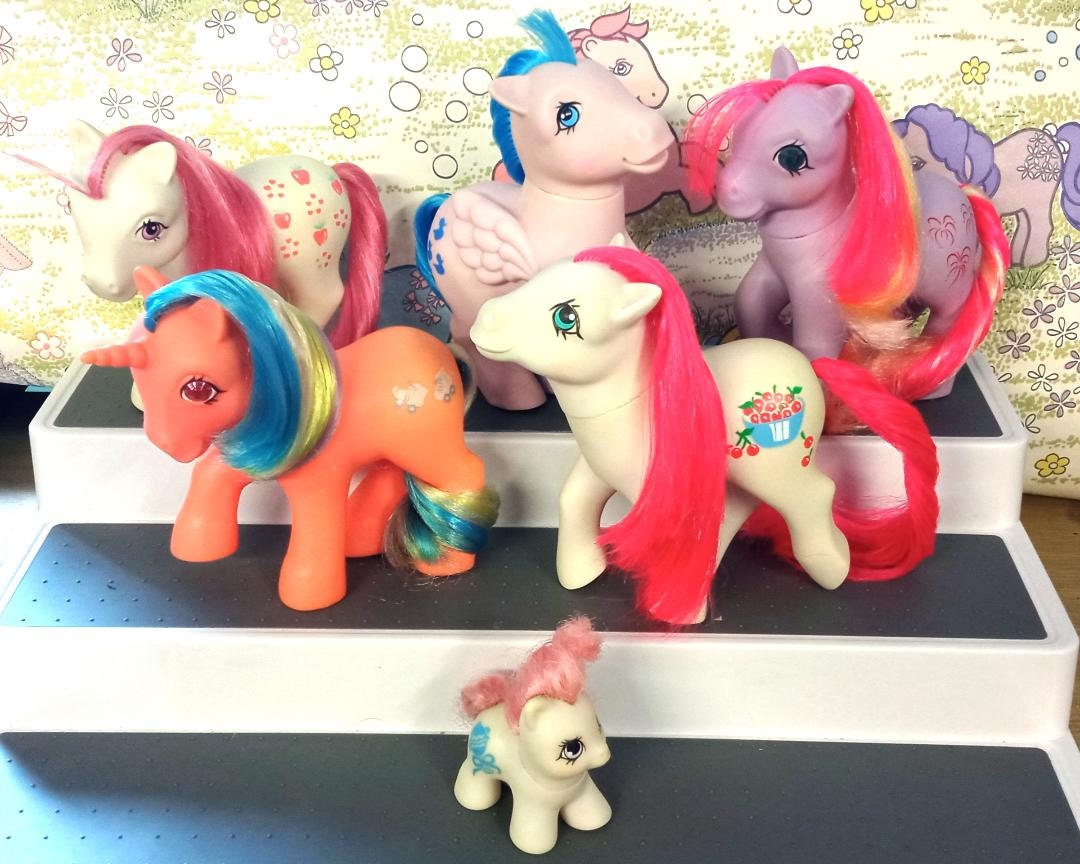
The 1990s was a transformative decade for play, characterized by the convergence of traditional mechanical manufacturing with microchips, LCD screens, and aggressive Saturday morning television marketing. From interactive robotic companions and high-tech Tamagotchis to collectible bean-filled plushies and customizable plastic fighting figures, the toys of this era defined the childhood experiences of Millennials and laid the groundwork for modern collectible markets.
The Technological Shift: Digital Pets and Interactive Robotics
The defining characteristic of late 20th-century playthings was the widespread integration of consumer electronics. Manufacturers moved away from static plastic models toward devices that required ongoing engagement, feeding, and physical interaction. This shift altered how children formed attachments to inanimate objects, transforming toys from passive items into responsive entities that simulated life cycles.
At the forefront of this digital revolution was the Tamagotchi, released by Bandai in 1996. Housed inside a small egg-shaped plastic casing with a pixelated monochrome liquid crystal display, this pocket-sized virtual pet required constant maintenance. Users had to clean up digital waste, feed their pet, play mini-games, and discipline it to prevent premature virtual death. The cultural footprint of the Tamagotchi was immense, leading to temporary bans in numerous schools worldwide due to classroom disruptions and distraction concerns.
Parallel to the virtual pet craze, Tiger Electronics introduced Furby in 1998. Developed by Dave Hampton and Caleb Chung, Furby combined physical plush materials with sophisticated internal mechanics, infrared sensors, and a vocabulary processor. Initially speaking only "Furbish," the creature gradually learned English through environmental interaction and could communicate with other Furbies via infrared ports. This marked an early mainstream foray into animatronics accessible to the general consumer market, setting a high benchmark for interactive play that subsequent generations of robotics would follow.
Collectible Culture: Beanie Babies and Trading Card Games
Beyond electronics, the decade codified modern collectible culture, transforming everyday play items into speculative assets. The market dynamics shifted dramatically as adults and children alike began viewing toys not merely as sources of entertainment, but as investments that might appreciate significantly over time.
Ty Warner’s Beanie Babies, introduced in 1993, became the epicenter of this speculative phenomenon. Filled with plastic pellets rather than traditional stuffing and accompanied by heart-shaped plastic swing tags containing poems and birthdates, these bean-filled plush animals spawned a secondary market driven by perceived artificial scarcity. The manufacturer’s strategy of retiring specific designs abruptly fueled a frenzy of hoarding, trading conventions, and early internet-based commerce through auction sites like eBay.
Concurrently, the collectible card game (CCG) industry exploded, fundamentally altering tabletop gaming. Wizards of the Coast published Magic: The Gathering in 1993, establishing the mechanics of randomized booster packs, rare foil treatments, and competitive tournament structures. Shortly thereafter, the Pokémon Trading Card Game arrived internationally in 1999, tying directly into Nintendo’s massively successful Game Boy role-playing titles and anime series. These games required strategic deck-building, fostering vibrant local community spaces in hobby shops and school cafeterias while introducing complex economic lessons in supply, demand, and asset preservation to young collectors.
Action Figures and Media Franchises: The Synergy of Screen and Shelf
The 1990s perfected the symbiotic relationship between syndicated television programming, feature films, and retail merchandise lines. Toy manufacturers no longer waited years to produce tie-in merchandise; instead, toy concepts and media scripts were often developed concurrently to maximize commercial impact during the critical holiday shopping seasons.
Kohlrabi Studios and Playmates Toys executed this synergy masterfully with Teenage Mutant Ninja Turtles, which sustained immense popularity well into the decade. The action figure line was notable for its sheer breadth of characters, modular vehicles, and playsets that encouraged expansive imaginative play. Sculpting grew increasingly detailed, shifting away from the uniform muscle molds of the 1980s toward distinct character silhouettes, asymmetrical armor, and specialized action features.
Similarly, Kenner’s Star Wars lines experienced a massive resurgence starting in 1995 with the release of the "Power of the Force" collection. This era catered simultaneously to nostalgic adults preserving mint-in-box items and a new generation of children encountering the franchise for the first time via cinematic special editions. The increased articulation and rugged build quality of these figures contrasted with the delicate, easily lost accessories of earlier decades, reflecting practical engineering improvements driven by safety regulations and consumer feedback.
Key 1990s Toy Categories and Their Market Impact
| Category | Representative Products | Primary Innovation | Long-Term Market Impact |
|---|---|---|---|
| Digital Pets | Tamagotchi, Nano Baby | LCD screens, lifecycle simulation | Established wearable and portable engagement models |
| Interactive Robotics | Furby, Big Trak (updates) | Infrared sensors, speech processing | Paved the way for modern consumer AI companions |
| Collectible Plush | Beanie Babies | PVC pellet fill, artificial scarcity | Sparked 1990s speculative collecting and early e-commerce |
| Trading Card Games | Magic: The Gathering, Pokémon | Randomized booster packs, competitive meta | Created multi-billion-dollar organized competitive ecosystems |
| Action Figures | TMNT, Power Rangers, Star Wars | Integrated media tie-ins, detailed tooling | Standardized multimedia franchise marketing strategies |
The Mechanics of Play: Construction, Creativity, and Physical Engagement
While electronics dominated headlines, traditional physical play underwent a quiet evolution. Construction toys and physical activity items emphasized durability, modularity, and cross-generational appeal. LEGO entered its own golden age during this decade, introducing theme-based lines such as LEGO Castle, Space, and the nascent iterations of LEGO Star Wars in 1999. These sets moved away from generic building bricks toward specialized pieces and narrative-driven building instructions that allowed users to reconstruct elaborate fictional universes.
Concurrently, outdoor and active play saw the rise of items like the Razor Scooter (which debuted at the very tail end of the decade in 1999) and Nerf’s transition into high-velocity foam dart blasters. The Nerf "Bow 'n' Arrow" and the iconic "CPS" (Constant Pressure System) water blasters manufactured by Larami revolutionized backyard combat. By utilizing pneumatic pressure tanks, these water guns extended firing ranges significantly, transforming simple summer games into tactical exercises that required strategic positioning and equipment maintenance.
Preservation, Valuation, and Collecting in 2026
Evaluating the legacy of late-century playthings requires navigating a mature secondary market. In 2026, original 1990s items command vastly different values depending heavily on condition, packaging integrity, and production variants.
- Packaging Condition: For action figures and collectible plushies, retaining the original box, blister pack, or swing tag in unpunched or mint condition remains the primary driver of high market valuation.
- Functional Verification: Electronic devices such as Furbys or Tamagotchis often suffer from battery corrosion. Testing electronic components, speaker clarity, and sensor responsiveness is essential for verifying operational status.
- Authentication: The prevalence of counterfeits, particularly within trading card games and rare plush variants, necessitates professional grading and authentication services to verify manufacturing stamps and ink patterns.
Collectors seeking to rebuild or curate historical collections should prioritize purchasing from reputable dealers who specialize in vintage toys, ensuring that items have been stored away from direct sunlight and humidity to prevent degradation of plastics and paper components.
Frequently Asked Questions
Why did 1990s toys rely so heavily on electronic components compared to earlier decades?
The rapid miniaturization of microchips, reduction in liquid crystal display costs, and the widespread availability of cheap micro-controllers enabled manufacturers to embed rudimentary artificial intelligence and digital feedback loops into affordable consumer goods, meeting a growing consumer demand for dynamic, responsive play experiences.
Are original 1990s Beanie Babies worth a significant amount of money today?
Generally, no. While certain rare error tags, prototypes, or exceptionally scarce holiday bears command higher prices among niche collectors, the vast majority of mass-produced Beanie Babies hold modest secondary market value due to overproduction and widespread hoarding during the height of the craze.
What caused the classroom bans associated with Tamagotchis?
Tamagotchis required constant, real-time attention to prevent the virtual pet from becoming sick or dying. Because the devices lacked pause functions, children frequently attempted to care for them during school hours, causing significant classroom disruptions and prompting administrators to prohibit them on school grounds.
How do modern collectors verify the authenticity of vintage Pokémon cards from 1999?
Authenticity is typically verified by examining the card stock thickness, the specific font typography used for stats and attacks, the presence of the correct holographic foil sheen, and submitting the item to professional third-party grading services like PSA or Beckett for encapsulation and certification.
What safety regulations impacted toy manufacturing during the 1990s?
Regulatory bodies such as the Consumer Product Safety Commission enforced stricter limits on small parts to prevent choking hazards, mandated non-toxic paints, and required improved structural integrity for ride-on toys and projectile-launching items like dart blasters and water guns.
How can I properly clean and restore vintage plastic action figures without damaging them?
Most durable plastic figures can be safely cleaned using warm water, a mild dish soap, and a soft-bristled toothbrush to remove dust from crevices. Avoid harsh chemical solvents, bleach, or prolonged exposure to direct sunlight, which can degrade the PVC plastic and fade factory-applied paint applications.
Curating and Preserving Your Collection
Preserving historical playthings requires deliberate environmental controls. Store items in climate-controlled spaces with stable humidity levels between 45% and 55% to prevent mold growth on cardboard packaging and rubber degradation on mechanical parts. Use acid-free storage boxes and UV-protective acrylic display cases for high-value items, and always remove alkaline batteries from electronic devices prior to long-term storage to eliminate the risk of acid leakage destroying internal circuit boards.