The 1990s sitcom revolutionized television comedy by shifting away from traditional family models toward character-driven, cynical, and self-aware narratives. This era introduced groundbreaking ensemble casts, pushed boundaries with serialized storytelling, and defined a generation of pop culture through iconic settings like coffee shops and New York apartments.
The Cultural Shift: From Domestic Purity to Urban Cynicism
Television comedy underwent a radical transformation at the start of the final decade of the 20th century. Throughout the 1970s and 1980s, network television was dominated by wholesome domestic comedies centered around nuclear families, moral lessons, and cozy suburban homes. Shows like The Cosby Show and Family Ties provided comforting resolutions to episodic conflicts. As the 1990s dawned, cultural shifts, changing demographics, and the fragmentation of broadcast networks via cable competition forced creators to target younger, more cynical, and increasingly urban audiences.
This pivot manifested as a move away from the traditional family unit toward the concept of the "chosen family"—groups of friends navigating young adulthood, professional struggles, and dating in major metropolitan areas. Shows abandoned the earnest moralizing of the past in favor of irony, sarcasm, and situational absurdity. Creators realized that viewers resonated more with characters who failed, made poor romantic choices, and shared caustic banter than with idealized parents imparting wisdom. This new paradigm laid the groundwork for antiheroes and deeply flawed protagonists who dominated prestige television in later decades.
Defining Pillars of the Decade: Landmark Shows That Shaped the Genre
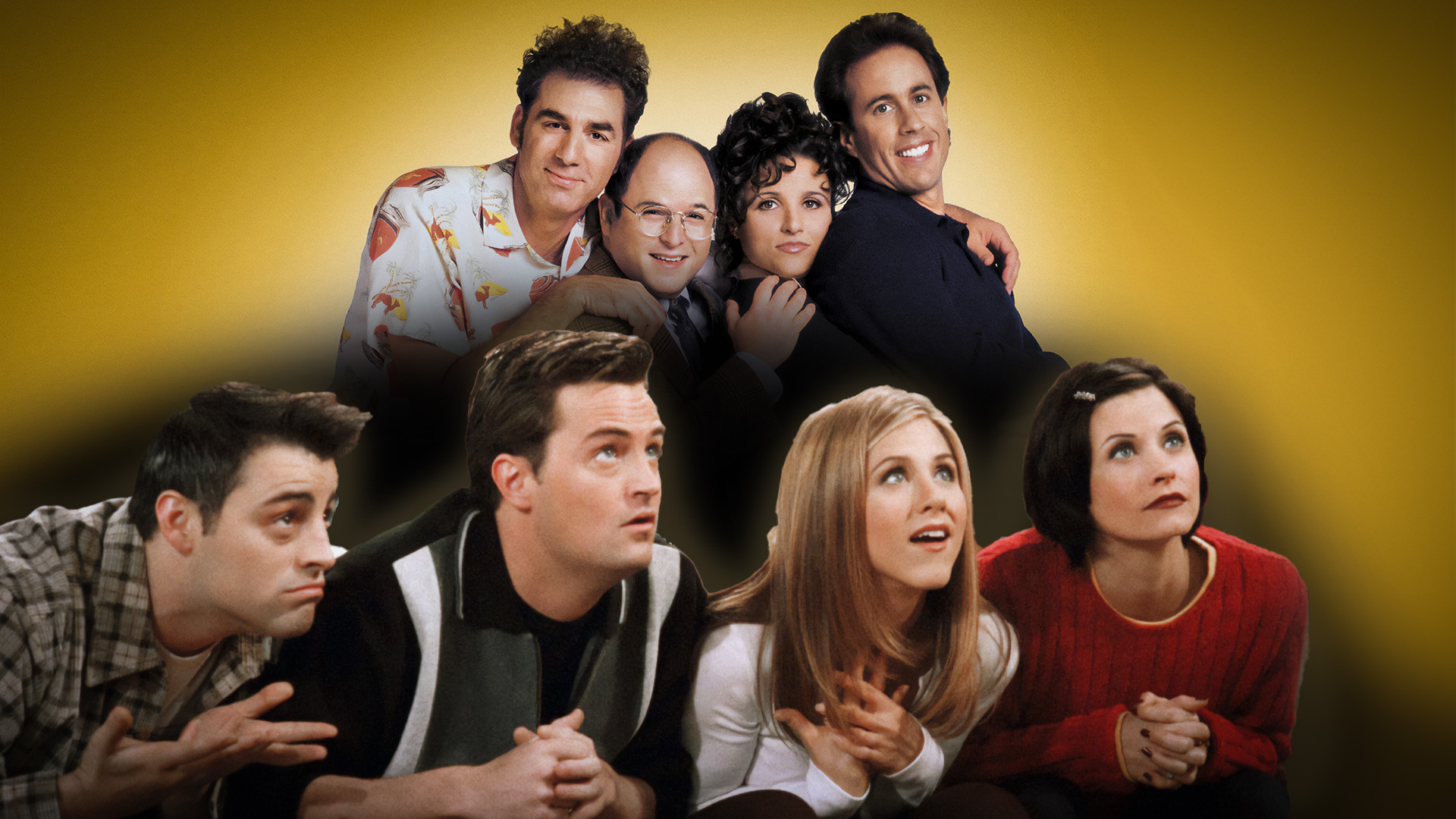
Several defining programs anchored the 1990s sitcom landscape, each pioneering distinct narrative mechanics that altered television production. Seinfeld, which debuted in 1989 and ran through 1998, famously dubbed itself "a show about nothing." By stripping away sentimental growth and emotional resolutions—summarized by creators Jerry Seinfeld and Larry David as "no hugging, no learning"—the series proved that audiences would embrace amoral, neurotic characters whose petty grievances drove multi-season arcs.
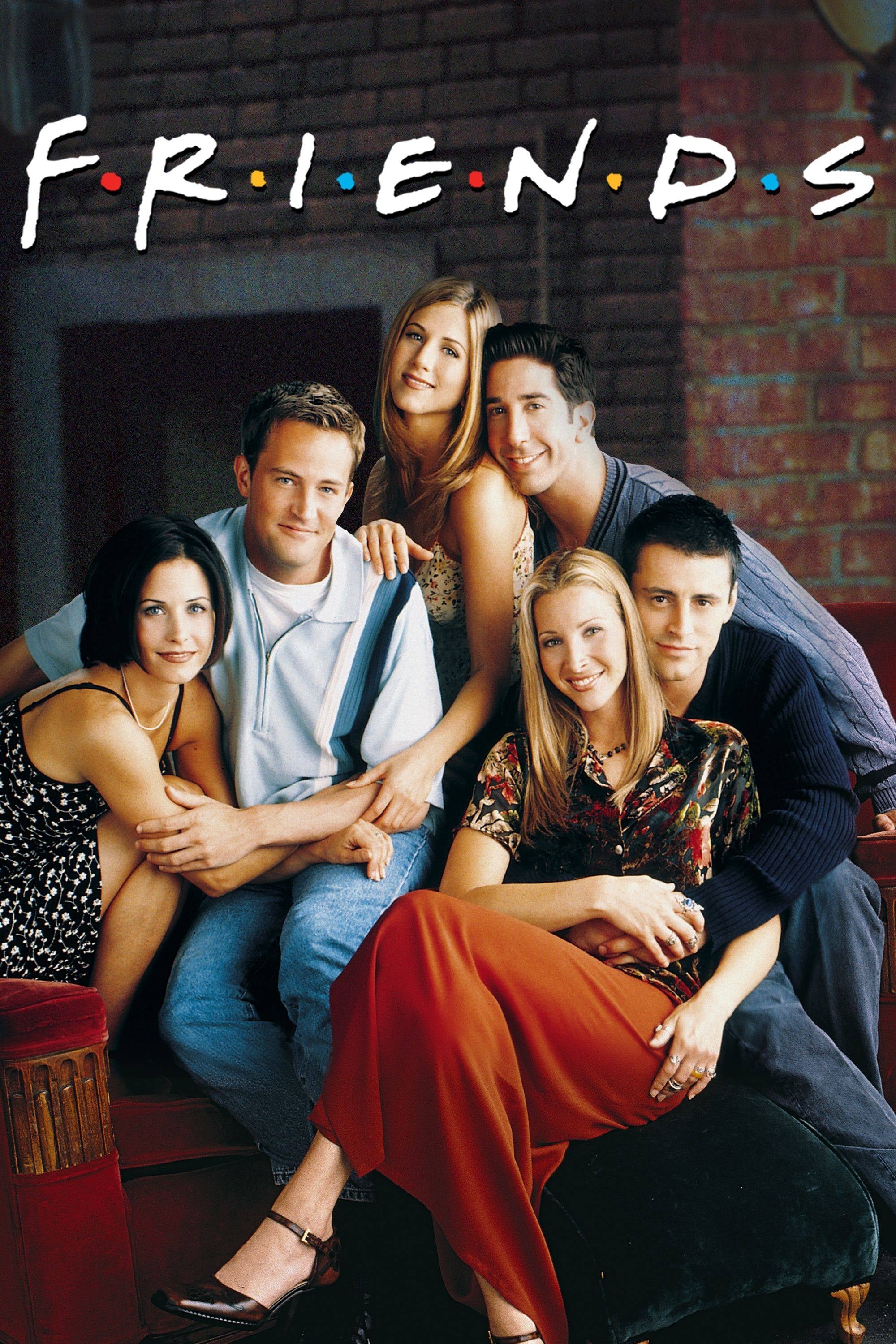
Concurrently, Friends perfected the hangout sitcom format, blending serialized romantic tension with rapid-fire comedic writing. Premiering in 1994, it transformed its ensemble cast into global superstars and established a template for apartment-sharing comedies that networks chased for years. Meanwhile, animated comedies like The Simpsons—which launched its primetime run in 1989—and live-action boundary-pushers like The Fresh Prince of Bel-Air and Martin expanded the cultural boundaries of the medium, introducing diverse perspectives, sharp sociopolitical satire, and hyper-referential humor that appealed simultaneously to children and adults.
| Show Title | Original Run | Primary Setting | Core Premise | Notable Cultural Impact |
|---|---|---|---|---|
| Seinfeld | 1989–1998 | New York City | Observational humor about the mundane annoyances of daily life. | Popularized numerous catchphrases and lexicons (e.g., "yada yada yada," "double dipper"). |
| The Simpsons | 1989–Present | Springfield | Satirical depiction of working-class American family life and media. | Longest-running American sitcom; pioneered sharp, layered adult animation. |
| The Fresh Prince of Bel-Air | 1990–1996 | Los Angeles | A street-smart teenager from Philadelphia moves in with wealthy relatives. | Launched Will Smith’s acting career; balanced comedy with serious socio-economic themes. |
| Friends | 1994–2004 | New York City | Six young adults navigate careers, romance, and friendship in Manhattan. | Defined the "hangout" comedy template and achieved unprecedented global syndication. |
| Frasier | 1993–2004 | Seattle | A pompous radio psychiatrist relocates to handle his eccentric family. | Won a then-record number of Primetime Emmy Awards for Comedy Series. |
Structural and Technical Innovations in Production
The technical production of sitcoms also evolved significantly during this era. While the multi-camera setup filmed in front of a live studio audience remained the industry standard for traditional shows, creators experimented with pacing, editing rhythms, and single-camera mockumentary precursors. The multi-camera format allowed for tight coordination between actors and writers, often resulting in rewritten jokes mid-taping if a studio audience’s reaction indicated a line fell flat.
At the same time, the writing room shifted from hierarchical structures to collaborative pods where joke density became the primary metric of success. Shows like Frasier relied on intricate farce, verbal wit, and theatrical staging, whereas Seinfeld interconnected seemingly unrelated plot threads across a single episode—a technique known as the "dateline" or convergence structure. Soundtracks and theme songs also became vital cultural artifacts; distinctive basslines, alternative rock anthems, and brassy pop tracks signaled identity and set emotional tones before a single word of dialogue was spoken.
Representation, Diversity, and Social Boundaries
As the decade progressed, networks slowly expanded demographic representation, though progress was uneven and often heavily contested by network executives. Groundbreaking African American sitcoms such as Martin, Living Single, and Moesha provided vibrant, culturally specific depictions of Black urban life, creating spaces for Black comedic talent both in front of and behind the camera. These shows achieved massive ratings and proved that stories centered on non-white urban professionals and youth had broad, cross-demographic appeal.
Concurrently, the inclusion of LGBTQ+ characters and storylines began to challenge network censorship boards. The most notable watershed moment occurred in 1997 when the protagonist of Ellen came out publicly both in real life and within the narrative of the show. Despite facing advertiser resistance and political controversy, this milestone opened doors for future inclusive storytelling, paving the way for the nuanced representation seen in later television eras. However, representation for other minority groups remained scarce, and reliance on broad stereotypes persisted in many supporting roles across mainstream network schedules.
Syndication Economics and the Death of the Era
The financial architecture of the 1990s sitcom was underpinned by the lucrative syndication market. For television studios, producing a successful network sitcom was a high-risk endeavor that promised extraordinary financial rewards if a show crossed the magical threshold of 100 episodes—the industry standard required to sell daily rerun packages to local television stations and cable networks. This economic model encouraged long-running narrative arcs, familiar character archetypes, and evergreen episodic structures that could be viewed out of order without alienating casual viewers.
By the turn of the millennium, this golden age of traditional studio-audience sitcoms began to wane. The rise of reality television, which offered lower production costs and high viewer engagement, combined with the emergence of single-camera, mockumentary-style comedies like Arrested Development and The Office in the early 2000s, signaled a shift in viewer tastes. Audiences grew tired of the glossy lighting, predictable pause-for-applause pacing, and soundstages of 1990s hits, favoring more naturalistic, serialized, and ironic viewing experiences.
Frequently Asked Questions About 1990s Sitcoms
What made 1990s sitcoms different from those of the 1980s?
Unlike the wholesome, family-centric domestic comedies of the 1980s that focused on parenting and moral instruction, 1990s sitcoms favored cynicism, irony, and ensembles of single friends. They focused on urban life, workplace environments, and interpersonal neuroses rather than traditional nuclear family values.
Why did so many 1990s sitcoms take place in New York City?
New York City offered a dense, walkable backdrop where diverse groups of young adults could naturally cross paths in coffee shops, diners, and apartments. It provided an aspirational yet gritty aesthetic that contrasted sharply with the suburban backlot sets of earlier decades.
How did the 100-episode rule affect 1990s television production?
The 100-episode milestone was the threshold required for a series to enter lucrative daily syndication reruns. This financial incentive drove networks and producers to protect and extend the lifespans of successful shows, sometimes altering storylines or keeping casts intact long past their original creative peaks.
Were all 1990s sitcoms filmed in front of a live audience?
While the vast majority of traditional network sitcoms used a multi-camera setup before a live studio audience or used sweetened laugh tracks, a notable subset experimented with single-camera setups, location shooting, and animation, laying the groundwork for modern comedy formats.
How did the syndication boom change the television industry?
Lucrative syndication deals turned successful sitcom actors into some of the highest-paid performers in television history. This wealth generation shifted power dynamics in contract negotiations, leading to unprecedented salary demands for ensemble casts at the peak of their popularity.
Choosing and Re-watching Classic Comedies Today
Navigating the vast library of 1990s television requires understanding how viewing habits have shifted from scheduled broadcast programming to on-demand streaming platforms. When revisiting these programs, viewers should look past dated technological props—such as landline telephones and bulky computer monitors—to appreciate the foundational writing, character chemistry, and comic timing that continue to influence modern entertainment. Selecting a series that matches your preferred comedic style, whether it is the fast-paced verbal sparring of Frasier or the observational absurdity of Seinfeld, ensures an engaging viewing experience that highlights the enduring craftsmanship of the era.