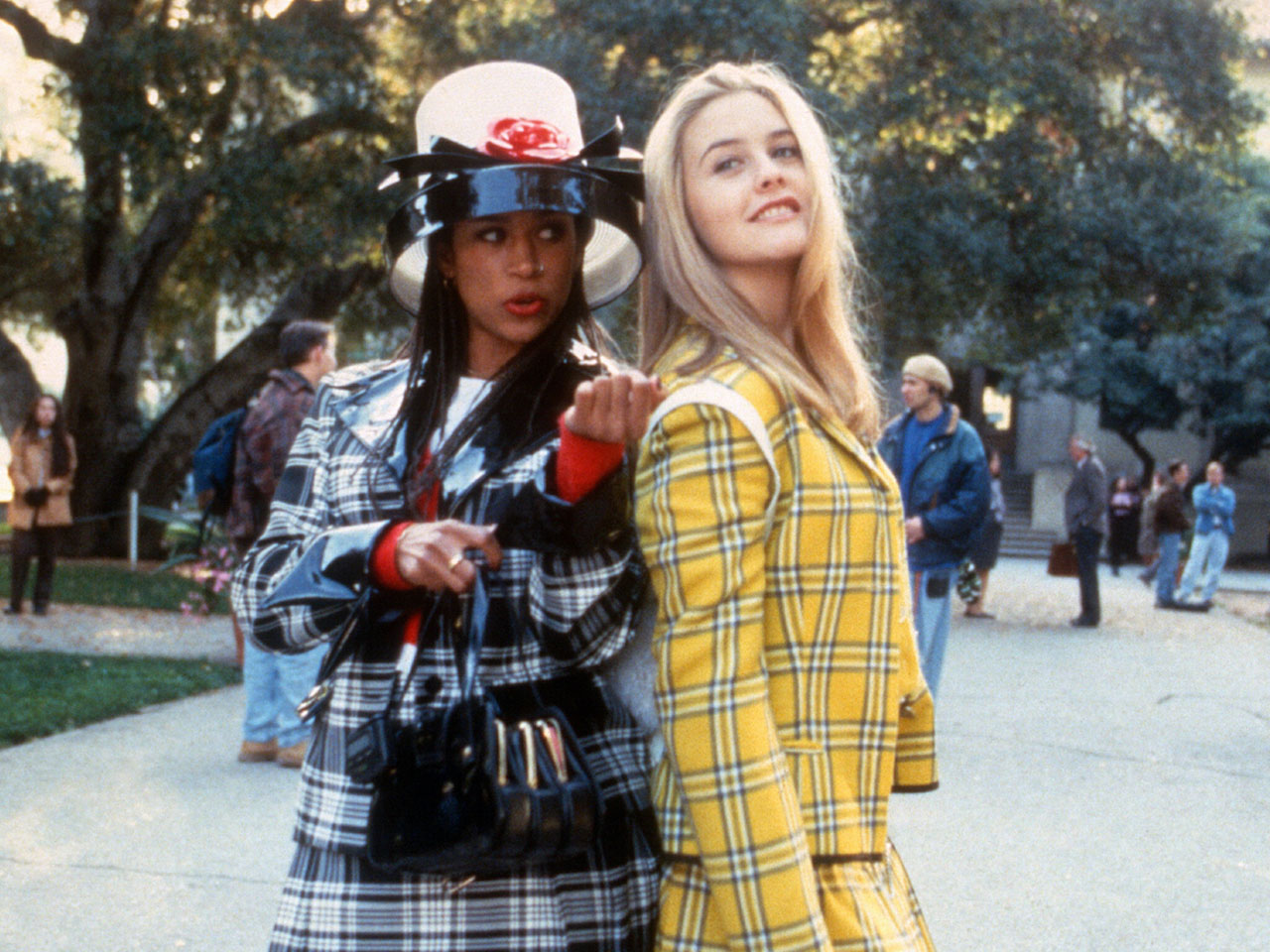
The 1990s romantic comedy represents a golden era for the genre, defined by star-driven studio releases, witty banter, high-concept premises, and recognizable soundtracks. This cinematic period transformed traditional screwball dynamics into modern urban fairy tales, establishing enduring narrative formulas and launching several actors to global superstardom.
During the final decade of the 20th century, the romantic comedy shifted from the cynical, gritty independent films of the 1980s toward glossy, optimistic mainstream productions. Major studios consistently greenlit mid-budget and high-budget romantic features, creating a reliable box-office powerhouse. These films relied heavily on charismatic lead pairings, recognizable urban backdrops—most notably New York City and London—and scripts that balanced sharp comedic timing with emotional vulnerability. Far from being uniform, the decade's output evolved from traditional matchmaking narratives into diverse explorations of modern courtship, workplace dynamics, and cross-cultural romance.
The Economic and Cultural Context of 1990s Cinema
The commercial resurgence of the romantic comedy in the 1990s was rooted in changing studio economics and shifting demographic patterns. Throughout the 1970s and 1980s, Hollywood increasingly prioritized high-concept action blockbusters and sci-fi spectacles aimed at teenage and young male demographics. By the end of the 1980s, however, studios recognized a distinct market gap for adult-oriented, character-driven entertainment that appealed broadly across demographics, particularly female moviegoers and couples.
The breakout success of films like When Harry Met Sally... in late 1989 proved that intelligent, dialogue-driven romances could generate substantial box-office returns. Studios responded by establishing dedicated slates for romantic comedies, securing top-tier talent, and investing in sophisticated marketing campaigns. This financial backing allowed filmmakers to hire notable screenwriters, assemble pristine costume and set designs, and curate contemporary pop soundtracks that often achieved independent commercial success.
Furthermore, the international box office expanded rapidly during this period. Romantic comedies proved highly exportable because their central themes of love, miscommunication, and personal growth translated across cultural boundaries without requiring extensive exposition of complex action mythologies.
Defining Tropes and Narrative Structures
The 1990s romantic comedy established several recurring narrative frameworks that became synonymous with the genre. While these formulas risked predictability, skilled screenwriters and directors utilized them as reliable scaffolding for sharp character development and social commentary.
A primary structural staple of the decade was the "high-concept premise." Rather than simply depicting two people meeting naturally, these films often introduced an artificial constraint, a deception, or an extreme lifestyle clash. Examples include contractual marriages, mistaken identities, class divides, or professional rivalries. This friction generated immediate comedic tension, forcing characters who initially disliked or misunderstood one another into prolonged proximity.
| Sub-Genre / Tropes | Defining Characteristics | Representative 1990s Examples |
|---|---|---|
| The Fake Relationship / Contract | Characters agree to pretend to be romantically involved for social or professional gain, inevitably developing genuine feelings. | Pretty Woman (1990), Picture Perfect (1997) |
| Enemies-to-Lovers / Workplace Rivalry | Professional competitors or ideological opposites must collaborate, overcoming mutual disdain through verbal sparring. | You've Got Mail (1998), The American President (1995) |
| The Transformation / Makeover | A protagonist undergoes an aesthetic or social evolution, though the core narrative eventually validates their authentic self. | Clueless (1995), She's All That (1999) |
| The Destination / Cross-Cultural Romance | Protagonists navigate unfamiliar cultural settings or travel away from home, stripping away their usual social armor. | Four Weddings and a Funeral (1994), Notting Hill (1999) |
Beyond overarching plots, specific micro-tropes defined the era. The "meet cute"—an eccentric or awkward initial encounter between the leads—became an obligatory narrative set-piece. Additionally, the "public grand gesture" climax emerged as a standard resolution, where one character interrupted a wedding, an airport departure, or a public gathering to declare their love.
The Star System and Defining Persona Archetypes
The success of 1990s romantic comedies relied heavily on the star system, with specific actors cultivating distinct, bankable personas. Unlike action stars whose appeal rested on physical invulnerability, romantic leads succeeded by projecting vulnerability, charm, and everyday relatability combined with exceptional physical attractiveness.
Julia Roberts established herself as the definitive romantic lead of the decade following her breakout role in Pretty Woman (1990). Her persona combined an infectious laugh, accessible warmth, and sharp emotional depth, which she carried into subsequent hits like My Best Friend's Wedding (1997) and Notting Hill (1999). Meg Ryan developed a different, equally influential archetype: the neurotic, endearingly articulate heroine navigating the anxieties of modern romance in films like When Harry Met Sally... (1989), Sleepless in Seattle (1993), and You've Got Mail (1998).
On the male side, actors like Hugh Grant popularized self-deprecating British charm, stuttering hesitantly through romantic confusion in Richard Curtis-scripted hits. Tom Hanks bridged the gap between dramatic weight and comedic accessibility, anchoring high-concept premises with grounded sincerity. Meanwhile, the mid-to-late 1990s saw the rise of teen-oriented romantic comedies, adapting classical literature like Jane Austen's Emma into modern high school settings, as seen in Clueless (1995), which launched Alicia Silverstone into prominent stardom.
Directorial Styles and Aesthetic Choices
The visual and auditory landscape of 1990s romantic comedies contributed significantly to their enduring appeal. Directors working within this space prioritized polished, warm cinematography, capturing urban landscapes as romanticized playgrounds. New York City, in particular, was rendered in amber lighting, autumnal park settings, and cozy, sprawling apartments that bore little resemblance to actual urban real estate costs.
Soundtracks played an equally vital role in establishing tone. These films frequently utilized covers of classic soul and pop tracks, lush orchestral scores, and contemporary adult-alternative radio hits. Music served as emotional shorthand, cueing the audience to shifts in character interiority and elevating mundane activities—such as walking down a cobblestone street or browsing in a bookstore—into cinematic moments.
Costume design also functioned as a key storytelling tool. From the minimalist slip dresses of the mid-1990s to tailored power suits and casual collegiate wear, wardrobe choices reflected character arcs, signaling shifts in confidence, economic status, or personal independence.
Evolution and Subversion Toward the End of the Decade
As the decade progressed, filmmakers began subverting the standard conventions of the romantic comedy, introducing darker comedic elements, cynicism, and structural deconstruction. While traditional crowd-pleasers continued to dominate the box office, films like My Best Friend's Wedding (1997) challenged audience expectations by featuring a protagonist who actively attempts to sabotage a wedding and ultimately fails to win the romantic lead, offering a more bittersweet resolution.
Similarly, teen adaptations of classical texts introduced biting satire and sharp social critique beneath the romantic framework. Clueless utilized deadpan voiceover and keen observational humor to examine high school social hierarchies, while Ten Things I Hate About You (1999) updated Shakespeare's The Taming of the Shrew while interrogating patriarchal double standards. These narrative adjustments signaled a maturation of the genre, proving that the standard romantic formula could accommodate diverse tonal registers without alienating mainstream audiences.
Enduring Cultural Legacy and Nostalgia
Decades after their initial theatrical runs, 1990s romantic comedies maintain a robust cultural footprint, sustained through streaming platforms, physical media collectors, and nostalgic re-evaluation. The continued popularity of these films stems partly from their tactile aesthetic—an era of landline telephones, independent bookstores, and analog communication that predates modern smartphone dependency and dating applications.
Furthermore, the genre's emphasis on snappy dialogue, chemistry-driven performances, and resolved emotional arcs provides a comforting viewing experience. While cinematic tastes and industry funding models have shifted significantly since the year 2000, the 1990s romantic comedy remains a benchmark for studio craftsmanship, character-driven screenwriting, and cinematic comfort food.
Frequently Asked Questions About 1990s Romantic Comedies
What defined the visual style of 1990s romantic comedies?
The visual style typically featured warm, polished cinematography, romanticized urban backdrops like New York or London, and meticulous set design that prioritized aesthetic comfort and cozy domestic spaces over gritty realism.
Why are Nora Ephron and Richard Curtis important to this era?
Nora Ephron and Richard Curtis were the definitive screenwriters and directors of the genre, establishing the verbal wit, neurotic charm, and structural blueprint that defined major hits like Sleepless in Seattle and Four Weddings and a Funeral.
How did teen romantic comedies change in the 1990s?
Teen romantic comedies evolved by modernizing classic literary texts into high school settings, blending accessible teen melodrama with sharp social satire, fashion-forward costume design, and feminist subtexts.
What role did soundtracks play in these films?
Soundtracks utilized a mix of contemporary adult-alternative hits, lush orchestral scores, and classic soul covers to emotionally anchor scenes, establish urban atmospheres, and enhance the romantic tension between leads.
Did 1990s romantic comedies always have happy endings?
While the vast majority adhered to conventional happy endings, late-decade entries increasingly incorporated bittersweet resolutions, unresolved tensions, or unconventional romantic pairings to subvert audience expectations.
Strategic Rewatch and Collection Planning
For viewers looking to explore or revisit the pinnacle of the genre, structuring a viewing list chronologically offers a clear view of how the decade matured. Begin with foundational urban romances like When Harry Met Sally... (1989) and Pretty Woman (1990) to understand the baseline tropes and star power. Progress to mid-decade ensemble pieces and international co-productions such as Four Weddings and a Funeral (1994) and Clueless (1995), before examining late-decade metatextual entries like You've Got Mail (1998) and Ten Things I Hate About You (1999) to observe how the genre adapted before the turn of the millennium.