The 1990s was a transformative decade for R&B, bridging the gap between classic soul and modern hip-hop culture through the development of New Jack Swing, smooth slow jams, and sophisticated vocal production. This era defined a golden age of commercial success and artistic innovation, reshaping contemporary popular music worldwide.
The Foundation of New Jack Swing and Digital Production
At the dawn of the 1990s, R&B underwent a radical sonic overhaul driven by producers like Teddy Riley, who pioneered the New Jack Swing movement. This subgenre combined the sampled breakbeats and attitude of hip-hop with slick R&B vocal arrangements, synthesizer staccato riffs, and driving dance rhythms. Artists such as Guy, Bobby Brown, and Keith Sweat demonstrated that urban contemporary music could dominate mainstream pop charts while maintaining street credibility.
Digital production technology advanced rapidly during this period, moving away from the sparse, synthesized drum machines of the mid-1980s toward layered, multi-track studio arrangements. Producers utilized hardware samplers like the Akai MPC60 and Roland TR-808 to create punchy percussion tracks that gave 1990s R&B its signature rhythmic bounce. This technological shift enabled artists to execute complex rhythmic phrasing that previously belonged strictly to rap music, fostering a natural cross-pollination between the two genres.
The Rise of the Producer-Auteur and Vocal Groups
The decade was also defined by the emergence of powerhouse producer-songwriters who controlled every aspect of a track's creation. Figures like Babyface (Kenneth Edmonds), Dallas Austin, Jimmy Jam and Terry Lewis, and Sean "Puff" Daddy Combs crafted distinct sonic identities for the artists they produced. Babyface, in particular, established the template for lush, emotionally resonant slow jams that dominated the pop charts, emphasizing pristine acoustic instrumentation, rich background vocal stacking, and deeply romantic lyricism.
Concurrently, vocal groups ruled the landscape, setting new standards for harmonic execution and synchronized choreography. Boy bands and girl groups alike achieved unprecedented multi-platinum success by combining distinct lead vocalists with airtight three- and four-part harmonies.
- Jodeci: Brought a gritty, bad-boy aesthetic and gospel-infused soul to male vocal groups, heavily influencing the future of urban contemporary styling.
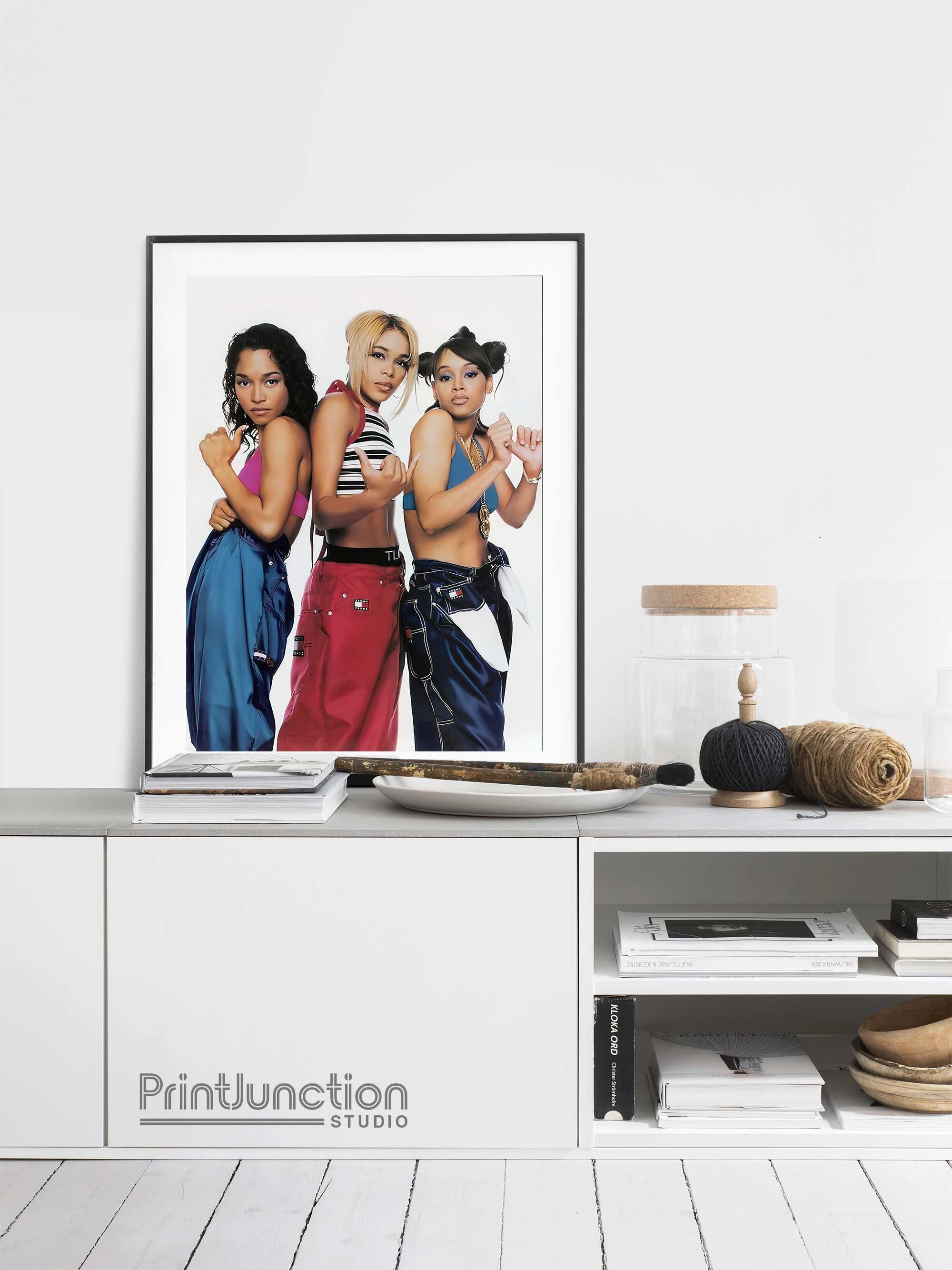
- TLC: Blended pop sensibilities with socially conscious lyricism, hip-hop fashion, and avant-garde production courtesy of Dallas Austin and the late Lisa "Left Eye" Lopes.
- Boyz II Men: Perfected a cappella-driven, emotive balladry, setting historical Billboard chart records with singles like "End of the Road" and "One Sweet Day."
- En Vogue: Reintroduced classic glamour and operatic vocal precision to female groups, anchoring their success on technical prowess and empowerment anthems.
The Hip-Hop Soul Fusion and Urban-Pop Crossover
As hip-hop gained cultural dominance in the mid-1990s, R&B adapted by incorporating raw street aesthetics and rap verses into traditional melodic structures. Sean "Puff" Daddy Combs popularized the "Hip-Hop Soul" blueprint at Uptown Records and later Bad Boy Entertainment, pairing melodic R&B vocalists with gritty hip-hop drum loops and prominent guest rap features. Mary J. Blige, widely crowned the Queen of Hip-Hop Soul, spearheaded this movement with her debut albums What's the 411? and My Life, introducing a vulnerable, confessional lyricism that reflected the realities of urban life.
This fusion transformed the commercial structure of the music industry. Record labels increasingly paired R&B singers with underground or mainstream rappers for official remixes, creating dual-market hits that conquered both R&B and pop radio formats. Tracks featuring this dynamic—such as Mariah Carey featuring O.D.B. on "Fantasy" or Faith Evans paired with various rap collaborators—became blueprints for modern pop arrangement, permanently dissolving the strict boundaries that previously separated Black urban radio from mainstream adult contemporary markets.
Comparison of 1990s R&B Subgenres
| Subgenre | Defining Characteristics | Key Artists & Producers | Notable Releases |
|---|---|---|---|
| New Jack Swing | Heavy hip-hop beats, synthesizer stabs, rhythmic spoken-word intros, dance-pop appeal. | Teddy Riley, Guy, Bobby Brown, Keith Sweat | Guy (Guy), Don't Be Cruel (Bobby Brown) |
| Hip-Hop Soul | Sample-heavy boom-bap percussion, confessional lyricism, integrated rap verses. | Mary J. Blige, Jodeci, Sean "Puff" Daddy Combs | What's the 411? (Mary J. Blige), Diary of a Mad Band (Jodeci) |
| Neo-Soul | Live instrumentation, organic jazz/funk influences, spiritual and political lyricism. | D'Angelo, Erykah Badu, Lauryn Hill, Maxwell | Brown Sugar (D'Angelo), Baduizm (Erykah Badu) |
| Pop-R&B Ballads | Pristine vocal runs, lush string arrangements, acoustic piano, high commercial crossover. | Babyface, Mariah Carey, Boyz II Men, Whitney Houston | Cooleyhighharmony (Boyz II Men), Music Box (Mariah Carey) |
The Neo-Soul Counter-Movement
Toward the end of the decade, a counter-movement emerged in reaction to the slick, highly commercialized, and heavily produced urban-pop dominating MTV and commercial radio. Dubbed "Neo-Soul" by music industry executive Kedar Massenburg, this movement looked backward to 1970s soul, jazz, and funk traditions, prioritizing live instrumentation, organic groove, and deeply personal, socially aware lyricism.
Artists such as D'Angelo, Erykah Badu, Lauryn Hill, and Maxwell rejected standard pop-formula arrangements in favor of sprawling, unhurried grooves anchored by electric pianos, upright basses, and live drumming. D'Angelo's landmark album Brown Sugar (1995) and Erykah Badu's Baduizm (1997) proved there was a massive, underserved audience hungry for authentic musicianship. This artistic shift expanded the boundaries of R&B, proving that the genre could simultaneously engage in high-art introspection and commercial chart dominance.
Frequently Asked Questions
What defined the vocal style of 1990s R&B?
The vocal style of 1990s R&B was characterized by intricate melisma—singing a single syllable through multiple notes—alongside rich background vocal arrangements and gospel church inflections. Singers balanced powerful belt delivery with breathy, intimate phrasing, particularly on slow jams, creating a distinct emotional depth that heavily influenced modern vocal training.
How did hip-hop influence 1990s R&B music?
Hip-hop directly influenced 1990s R&B by introducing sampled breakbeats, swing-inflected drum patterns, street fashion, and rap verses into R&B compositions. Producers began utilizing hip-hop production techniques to give smooth vocal melodies a harder, rhythmic edge, eventually leading to the creation of the distinct Hip-Hop Soul subgenre.
Who were the key producers behind 1990s R&B hits?
Key producers of the era included Babyface, Teddy Riley, Jimmy Jam and Terry Lewis, Dallas Austin, and Sean "Puff" Daddy Combs. These architects shaped the decade's radio landscape by developing unique sonic signatures, writing career-defining hits for major vocal acts, and pioneering new studio production technologies.
What is the difference between New Jack Swing and Neo-Soul?
New Jack Swing is an upbeat, high-energy fusion of 1980s urban contemporary R&B and early hip-hop rhythm tracks, utilizing heavy synthesizers and dance beats. Neo-Soul, which emerged in the mid-to-late 1990s, is an organic, acoustic-driven movement rooted in 1970s soul and jazz, featuring live bands, relaxed tempos, and socially reflective lyricism.
Why is 1990s R&B considered a golden era?
The decade is regarded as a golden era because it combined high artistic achievement in vocal performance and songwriting with massive commercial viability. During this period, R&B artists achieved unprecedented crossover success on the Billboard Hot 100 while establishing enduring templates for contemporary popular music, fashion, and culture.
Archival Preservation and Modern Legacy
Exploring and preserving the legacy of 1990s R&B requires engaging with original physical media, remastered digital catalogs, and comprehensive liner notes that document the studio personnel behind classic recordings. Music enthusiasts, researchers, and aspiring producers should consult original album releases, archival interviews with key producers like Babyface and Teddy Riley, and documentary retrospectives to understand the intricate production techniques that defined the era. When studying these recordings, pay close attention to the spatial mixing, background vocal layering, and sample clearance histories, as these elements explain how modern urban contemporary music evolved into its current global form.