The 1990s music landscape was a transformative decade defined by the commercial explosion of alternative rock, the golden age of hip-hop, the rise of electronic dance music, and the dominance of pop superstars. This era bridged the analog production techniques of the past with the digital distribution and recording technologies of the 21st century, reshaping the global entertainment industry.
The Cultural Shift: From Analog to Digital and the Post-Cold War Landscape
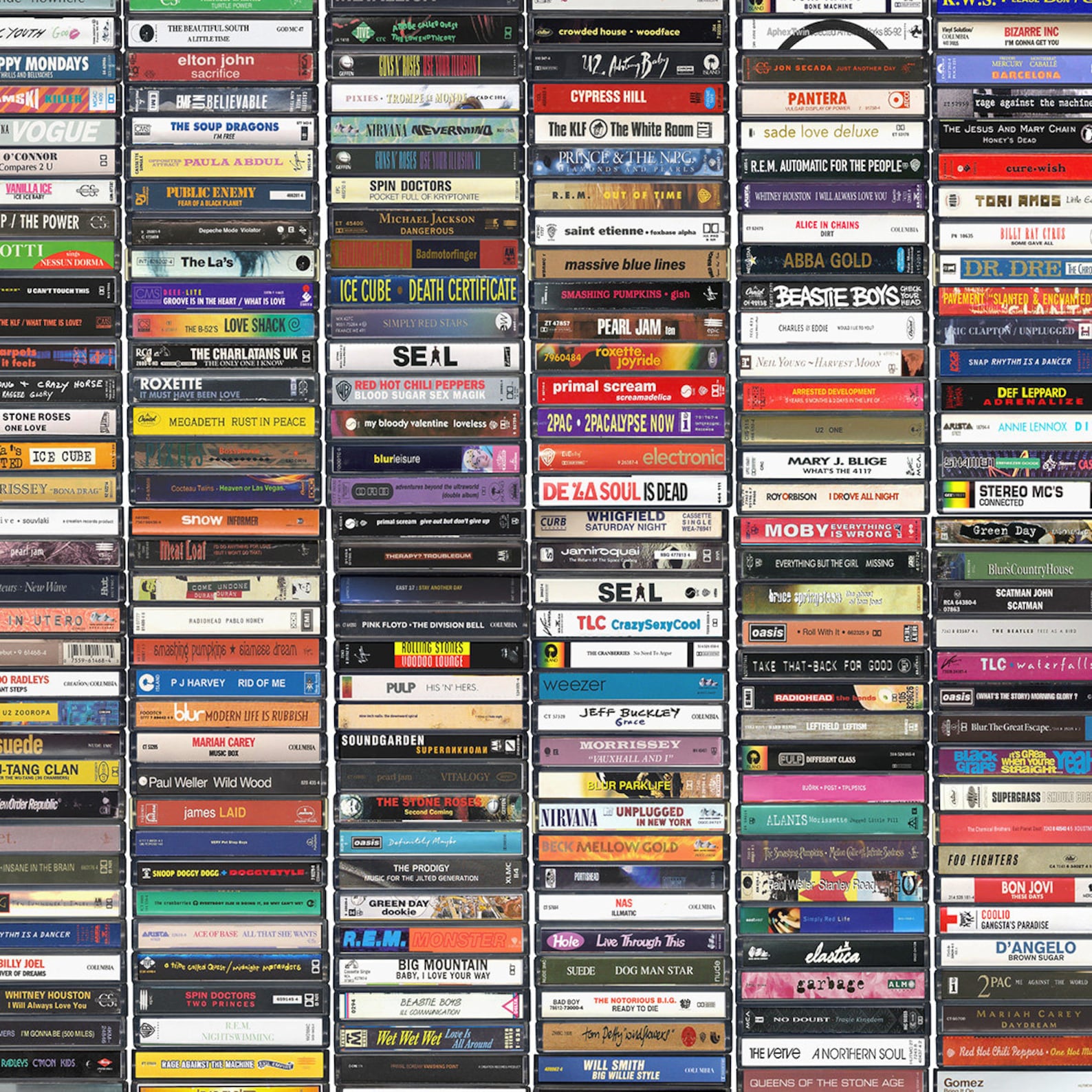
The musical ecosystem of the 1990s emerged against a backdrop of rapid geopolitical change and technological transition. As the Cold War concluded and the internet began its infancy, the music industry experienced a period of unprecedented commercial growth driven by the compact disc (CD). The CD replaced vinyl and cassette tapes as the primary consumer format, offering superior audio fidelity and triggering massive catalog reissues that generated billions for major record labels.
At the same time, home recording technology became more accessible and affordable. ADAT (Acoustic Digital Audio Tape) systems and early digital audio workstations allowed independent artists to produce professional-grade recordings outside of traditional, high-cost studio environments. This democratization of production fueled the growth of countercultural movements that rejected the polished, synthesiser-heavy pop and hair metal of the 1980s in favor of raw, unvarnished artistic expression.
The Alternative Rock Explosion and Grunge
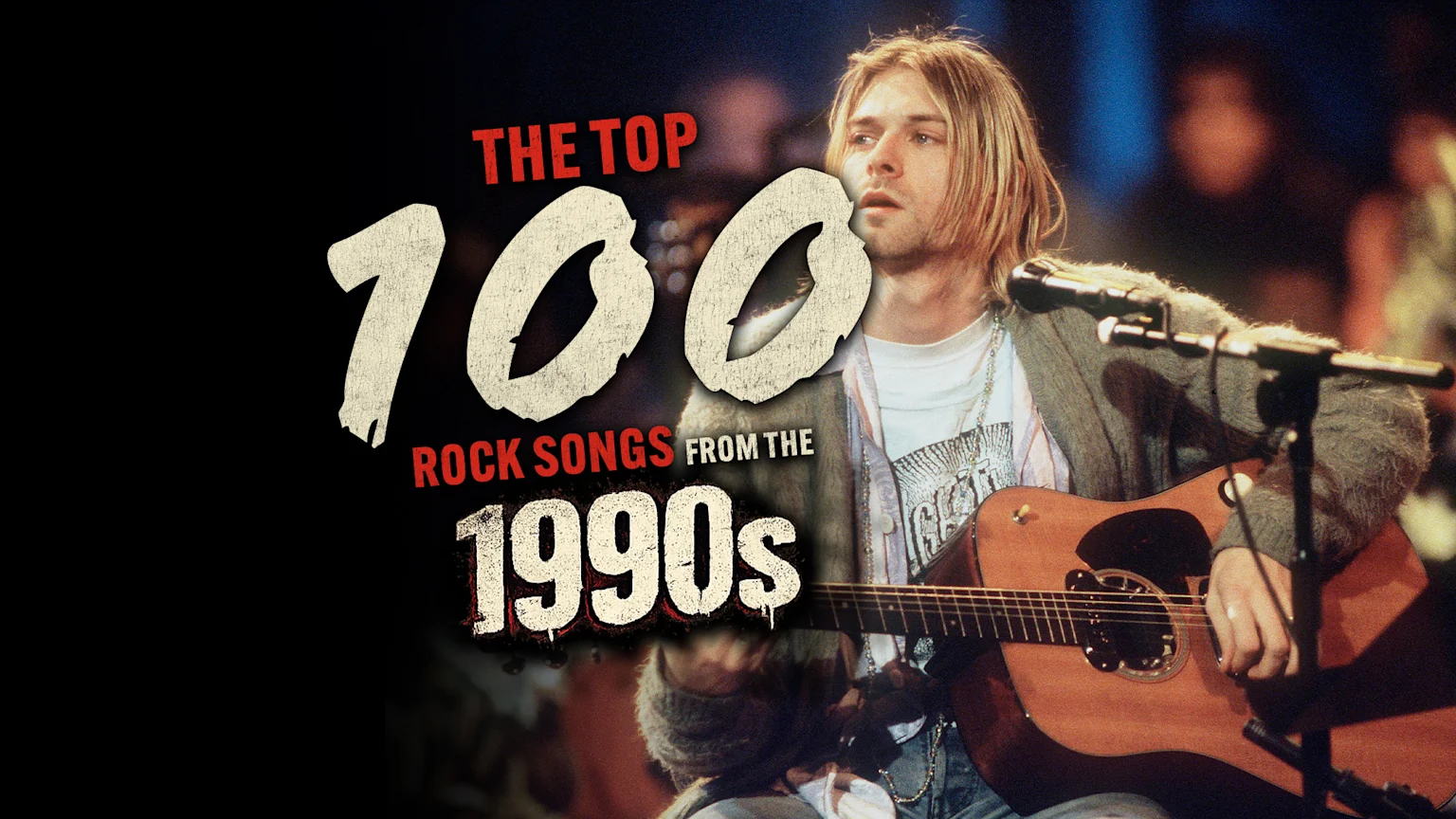
No genre defines the early-to-mid 1990s quite like alternative rock, specifically the Seattle grunge movement. Characterized by distorted guitar tones, heavy drums, and lyrics reflecting angst, alienation, and social apathy, grunge broke into the mainstream in late 1991 with the release of Nirvana's Nevermind. The album's unexpected commercial dominance dethroned pop mainstays and propelled independent labels into the corporate spotlight.
Bands like Pearl Jam, Soundgarden, and Alice in Chains quickly followed, establishing the Pacific Northwest as the epicenter of modern rock. Simultaneously, the broader alternative rock umbrella expanded to include diverse regional sounds. British bands spearheaded the Britpop phenomenon, characterized by a distinctly British melodic sensibility and cultural rivalry, led by groups like Oasis and Blur. Meanwhile, American alternative acts such as R.E.M., Smashing Pumpkins, and Green Hill punk-pop pioneers Green Day achieved massive global audiences, proving that underground aesthetics could sustain mainstream viability.
The Golden Age and Commercialization of Hip-Hop
The 1990s are widely regarded as the golden age of hip-hop, a decade where the genre matured lyrically, expanded sonically, and established itself as a dominant commercial force. The early part of the decade was defined by East Coast boom-bap lyricism and Afrocentric consciousness, championed by artists like A Tribe Called Quest, Nas, and The Notorious B.I.G.
As the decade progressed, regional rivalries fueled the commercial ascent of both East Coast and West Coast scenes. Dr. Dre's 1992 release The Chronic introduced G-funk, a subgenre featuring synthesizer-heavy, slow-rolling basslines derived from 1970s P-Funk samples, which propelled artists like Snoop Dogg to international stardom. The latter half of the decade saw the tragic deaths of Tupac Shakur and The Notorious B.I.G., events that marked a turning point in hip-hop culture. Concurrently, southern and midwestern scenes began to emerge, and hip-hop transformed into a polished corporate enterprise led by mogul-driven labels like Death Row Records and Bad Boy Entertainment.
Electronic Dance Music, Rave Culture, and Pop Resurgence
Electronic dance music (EDM) transitioned from underground warehouse parties into a global cultural phenomenon during the 1990s. Genres such as techno, house, trance, and jungle evolved in cities like Detroit, Chicago, and London, powered by affordable synthesizers, drum machines, and samplers like the Roland TR-808 and TB-303. British acts like The Prodigy, The Chemical Brothers, and Fatboy Slim blended electronic breakbeats with rock sensibilities, bringing electronica into mainstream charts.
Toward the late 1990s, the music industry experienced a massive resurgence of teen pop. Driven by independent talent management and major label infrastructure, acts like the Spice Girls, Britney Spears, Backstreet Boys, and *NSYNC dominated global charts. This wave relied on highly choreographed performances, catchy songwriting, and aggressive multimedia marketing, setting the stage for the modern pop machine of the 21st century.
Major Genres and Defining Artists of the 1990s
| Genre | Defining Characteristics | Key Artists and Landmark Releases |
|---|---|---|
| Grunge / Alternative Rock | Distorted guitars, angst-driven lyrics, anti-establishment ethos | Nirvana (Nevermind), Pearl Jam (Ten), Soundgarden (Superunknown) |
| Golden Age Hip-Hop | Complex rhyme schemes, jazz sampling, regional storytelling | Nas (Illmatic), The Notorious B.I.G. (Ready to Die), Dr. Dre (The Chronic) |
| Britpop | Melodic guitar pop, British cultural themes, traditional songwriting | Oasis ((What's the Story) Morning Glory?), Blur (Parklife) |
| Electronic / Big Beat | Synthesizers, heavy breakbeats, hypnotic club rhythms | The Prodigy (The Fat of the Land), The Chemical Brothers (Dig Your Own Hole) |
| Teen Pop | Vocal harmonies, polished production, high-energy dance hooks | Spice Girls (Spice), Britney Spears (...Baby One More Time), Backstreet Boys (Millennium) |
Frequently Asked Questions About 1990s Music
What caused the shift from 1980s pop and hair metal to 1990s grunge?
The shift was driven by listener fatigue with over-produced, commercialized sounds and an appetite for authenticity. When Nirvana's Nevermind unexpectedly displaced mainstream pop charts in late 1991, it signaled a cultural rejection of gloss and excess in favor of raw, emotionally direct garage-band aesthetics.
How did the compact disc (CD) impact the 1990s music industry?
The compact disc provided superior audio durability and fidelity, prompting consumers to replace their entire vinyl and cassette libraries. This triggered a massive revenue boom for major record labels, allowing them to finance expansive promotional campaigns and sign diverse rosters of alternative and hip-hop acts.
What defined the East Coast and West Coast hip-hop rivalry of the 1990s?
The rivalry was a complex interplay of regional pride, stylistic differences, and media sensationalism between New York-based and Los Angeles-based record labels. East Coast hip-hop emphasized intricate lyrical poetry and gritty boom-bap beats, whereas West Coast G-funk relied on smooth, synth-driven funk samples and cinematic realism.
How did electronic music break into the mainstream during this decade?
Electronic music evolved from underground warehouse raves into commercial radio staples through the development of subgenres like big beat and ambient techno. British acts successfully merged electronic production loops with rock energy, creating festival-scale performances that appealed to traditional rock fans and clubgoers alike.
What role did independent record labels play in 1990s music?
Independent labels served as crucial incubators for emerging genres like grunge, indie rock, and underground hip-hop. Labels such as Sub Pop, Matador, and Def Jam discovered and nurtured talent outside the conservative risk management structures of major corporate conglomerates, frequently licensing breakout acts to major distributors once commercial viability was proven.
Exploring and Collecting 1990s Music Today
To fully appreciate or collect 1990s music in the modern era, collectors and enthusiasts should explore both physical media and lossless digital archives. Original compact disc pressings from the mid-to-late 1990s frequently offer superior dynamic range compared to heavily compressed post-2000 remasters affected by the "loudness war." Vinyl record collectors should verify whether a desired album was originally pressed on vinyl during the decade—as many 1990s releases had very limited LP runs due to the dominance of the CD—or if a modern, high-quality audiophile reissue is required for optimal sound reproduction.