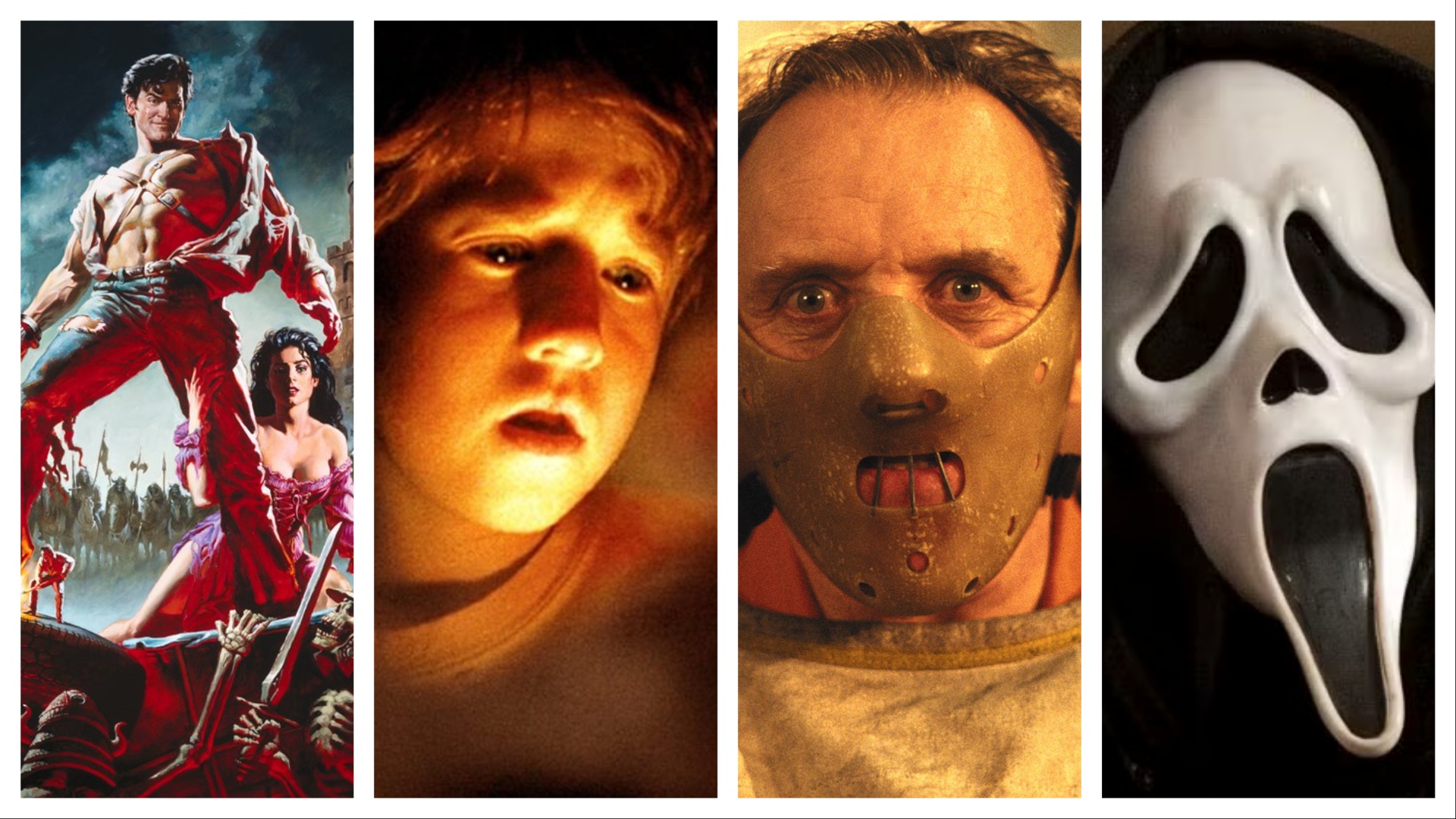
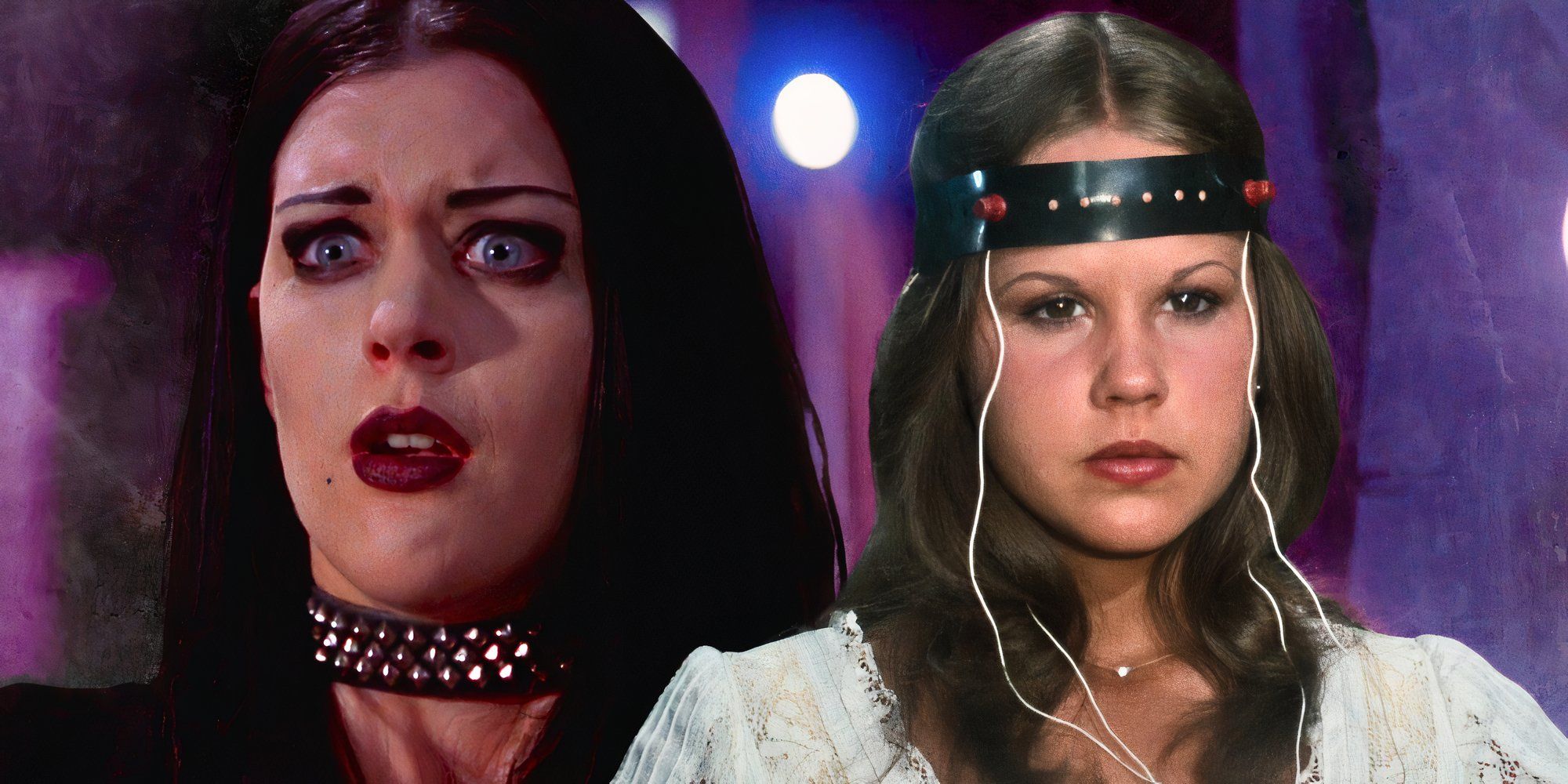
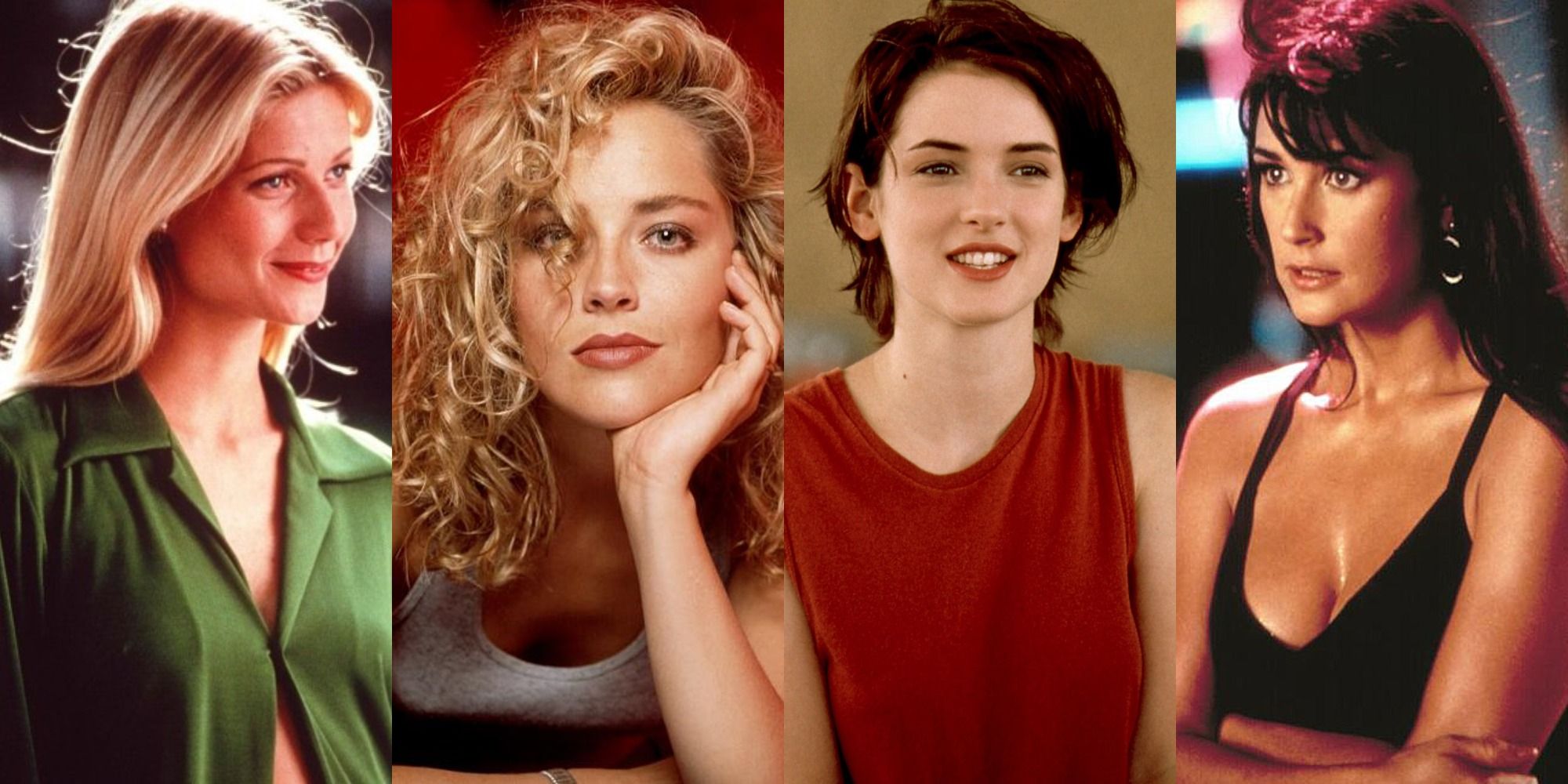
The defining decade of post-slasher cinema relied heavily on a distinct roster of talent who navigated meta-narratives, gritty indie chillers, and supernatural mysteries. 1990s horror actresses bridged the gap between the vulnerable traditional scream queens of the 1970s and 1980s and the self-aware, genre-literate protagonists of the modern era.
The Evolution of the Horror Genre and Female Protagonists in the 1990s
The landscape of horror underwent a profound transformation during the 1990s. Following the fatigue of the traditional, franchise-heavy slasher formulas of the previous decade—typified by endless sequels for Jason Voorhees and Michael Myers—the genre fragmented into high-concept thrillers, supernatural mysteries, and self-referential satire. This shift deeply influenced the requirements placed upon actresses working within the genre. Rather than acting strictly as helpless targets awaiting rescue, performers were increasingly required to display intellect, physical resilience, and investigative agency.
This transition paved the way for characters who analyzed their own terrifying predicaments using genre tropes. The decade's cinematic output can be broadly divided into two major stylistic movements: the ironic, ultra-slick meta-slasher popularized by screenwriter Kevin Williamson and director Wes Craven, and the brooding, atmospheric indie horror that explored psychological trauma and body horror. Actresses of this era had to master both extremes, transitioning seamlessly from high-gloss teen-ensemble thrillers to grim, grounded independent productions. Their performances established new archetypes that rejected passive victimhood in favor of active survival, permanently altering how female characters were framed within terrifying narratives.
The Meta-Slasher Queens: Defining the Post-Modern Scream Queen
The mid-1990s revival of the slasher film, catalyzed by the massive success of Scream (1996), created a new breed of horror heroine. These characters possessed cinematic literacy, often discussing the "rules" of surviving a horror movie while actively trying to break them. Neve Campbell’s portrayal of Sidney Prescott in the Scream franchise became the gold standard for this era. Prescott was not merely a target; she was a complex survivor dealing with familial trauma, grief, and betrayal who ultimately turned the tables on her tormentors through tactical ingenuity.
Similarly, Jennifer Love Hewitt anchored the late-decade teen slasher boom with I Know What You Did Last Summer (1997) and its sequel. Hewitt’s portrayal of Julie James balanced raw emotional vulnerability with high-stakes determination. Sarah Michelle Gellar, operating across both television (Buffy the Vampire Slayer) and cinema (I Know What You Did Last Summer, Scream 2), solidified an athletic, fiercely independent archetype. These actresses brought a dramatic gravity to scripts that could have easily slipped into camp, ensuring that audiences invested deeply in their emotional survival rather than just anticipating the next scare.
Indie Horrors, Psychological Thrillers, and Dark Auteurs
While commercial multiplexes were dominated by glossy slashers, the 1990s independent film circuit nurtured a different class of horror actresses who tackled atmospheric, psychological, and body horror subjects. These performers worked with visionary directors to explore taboo themes, existential dread, and psychological disintegration. Fairuza Balk delivered a chilling masterclass in teenage malice and occult obsession as Nancy Downs in The Craft (1996), a film that redefined the supernatural teen dark fantasy subgenre.
In the realm of psychological and body horror, actresses like Julianne Moore brought prestige-level dramatic intensity to challenging projects. Moore’s work in Safe (1995), directed by Todd Haynes, uses the conventions of horror and thriller cinema to explore environmental illness, modern alienation, and the breakdown of the human body. Meanwhile, actresses like Parker Posey and Shelley Duvall occasionally drifted into eccentric, unsettling character spaces within indie horror-adjacent projects. These performances proved that horror was a legitimate artistic vehicle for intense character studies, attracting classically trained performers who elevated the genre’s critical standing.
Supernatural Investigators and Cryptic Mysteries
The late 1990s saw a massive surge in supernatural horror, haunted house mysteries, and urban legends, often leaning heavily on investigative plots. Actresses in these films functioned as detectives of the occult, piecing together historical tragedies and supernatural curses to save themselves and others. Emily Watson’s haunting presence in Lars von Trier's boundary-pushing dramatic works set a standard for emotional intensity that bled into psychological horror sensibilities, while actresses in traditional ghost stories faced different technical demands.
Consider the requirements placed upon performers in films like The Haunting (1999) or supernatural thrillers of the period: they had to convey visceral terror while reacting to invisible or computer-generated threats that were not present on set. This demanded exceptional imagination, precise physical control, and sustained emotional stamina over grueling shooting schedules. The success of these supernatural features relied almost entirely on the actress's ability to sell the reality of the unbelievable, grounding paranormal phenomena in genuine psychological trauma and domestic vulnerability.
Comparative Overview of 1990s Horror Subgenres and Performance Styles
| Subgenre Movement | Primary Characteristics | Defining Actresses | Representative Films |
|---|---|---|---|
| Meta-Slasher | Self-aware, witty, strategic survival, urban settings | Neve Campbell, Sarah Michelle Gellar, Jennifer Love Hewitt | Scream (1996), I Know What You Did Last Summer (1997) |
| Supernatural & Occult | Atmospheric dread, witchcraft, historical curses | Fairuza Balk, Robin Tunney, Fairuza Balk | The Craft (1996), The Sixth Sense (1999) |
| Psychological & Body Horror | Internalized trauma, disease, isolation, slow-burn tension | Julianne Moore, Lili Taylor, Toni Collette (early career crossovers) | Safe (1995), The Addiction (1995) |
| Monster & Creature Features | Physical survival, hostile environments, action-oriented | Penelope Ann Miller, Mira Sorvino | The Relic (1997), Mimic (1997) |
The Transition from Traditional Victim to Action Heroine
One of the most consequential shifts driven by 1990s horror actresses was the permanent merger of the horror protagonist with the action heroine. In previous decades, female characters who fought back successfully were often anomalies—exceptions to the rule of the helpless victim. By the late 1990s, active resistance was the baseline expectation for audiences. Actresses underwent physical training, learned stunt choreography, and portrayed characters who engaged in direct physical combat with killers and monsters.
This evolution required a different physical vocabulary on screen. Actresses had to project bodily strength and tactical awareness, changing how costume, makeup, and camera framing were utilized. Torn clothing and bruised faces were no longer merely decorative elements of distress; they were badges of combat endurance. This shift directly influenced the action and sci-fi crossover hits of the subsequent decades, proving that horror actresses could carry multi-million-dollar blockbusters anchored by physical prowess and emotional resilience.
Frequently Asked Questions About 1990s Horror Actresses
Who are considered the definitive scream queens of the 1990s?
The definitive scream queens of the decade include Neve Campbell (Scream), Sarah Michelle Gellar (I Know What You Did Last Summer, Scream 2), Jennifer Love Hewitt (I Know What You Did Last Summer), and Fairuza Balk (The Craft). These performers anchored the major box-office horror hits of the era and established the template for modern genre heroines.
How did 1990s horror actresses differ from those in the 1980s?
While 1980s horror actresses frequently portrayed vulnerable targets in traditional slasher setups, 1990s horror actresses typically played genre-savvy, self-aware characters. These later protagonists actively investigated threats, used meta-commentary about horror tropes, and engaged in direct physical resistance against their antagonists.
What role did independent cinema play in 1990s horror acting?
Independent cinema allowed actresses to explore psychological, body, and art-house horror away from studio constraints. Films distributed through indie circuits featured complex character studies dealing with trauma, alienation, and the occult, attracting critically acclaimed performers who elevated the genre's artistic reputation.
Did 1990s horror actresses transition into mainstream blockbusters?
Many 1990s horror actresses successfully translated their genre success into mainstream Hollywood careers. Performers like Neve Campbell, Jennifer Love Hewitt, Julianne Moore, and Sarah Michelle Gellar leveraged their visibility in horror hits to secure leading roles in television, romantic comedies, dramas, and major action franchises.
What technical challenges did 1990s horror actresses face on set?
Actresses in this era frequently worked with practical special effects, extensive blood rigs, and night-shoot schedules. Additionally, the rise of late-decade supernatural thrillers required them to interact with early digital effects and green-screen environments, demanding high levels of focus and imaginative stamina to sustain genuine terror.
Preserving and Re-evaluating the Legacy of 1990s Genre Icons
Revisiting the filmography of 1990s horror actresses reveals a foundational era that modernized cinematic fear and redefined female agency on screen. Far from being simple footnotes in pop culture history, these performers established narrative conventions that continue to shape contemporary thriller and horror storytelling. Film historians, modern creators, and genre enthusiasts seeking to understand the roots of contemporary horror must examine how these actresses balanced commercial appeal with genuine dramatic execution. Reviewing their complete bodies of work offers essential insight into an era when horror became self-aware, fiercely independent, and critically respected.