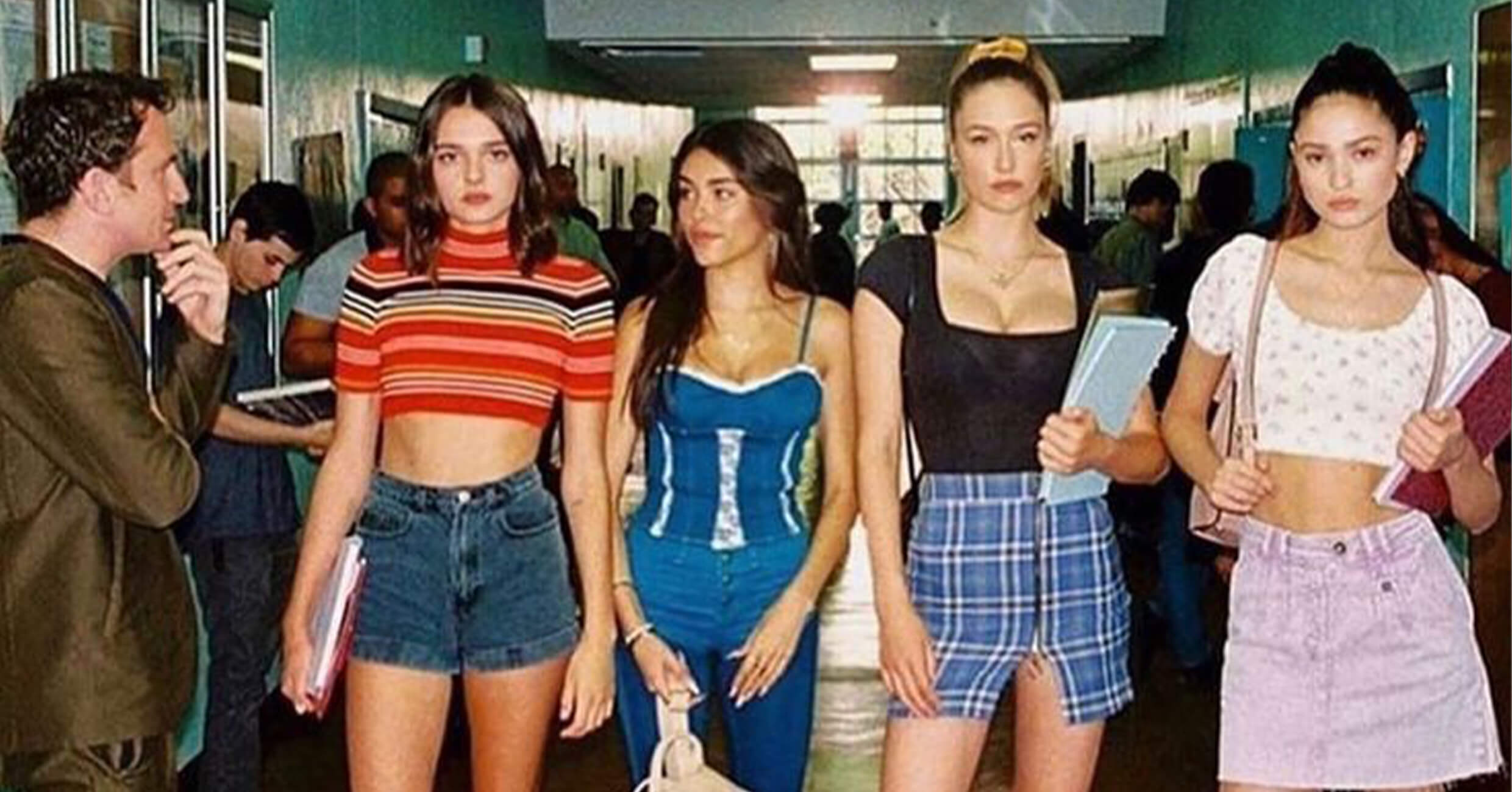
1990s fashion represents a defining stylistic pivot away from the excess of the 1980s toward minimalism, utility, grunge, and youth-driven subcultures. Characterized by contrasting movements like slip dresses, distressed denim, oversized streetwear, and tech-infused club wear, the decade established foundational aesthetics that continue to cycle through modern runways and street style.
The Shift from 1980s Excess to 1990s Minimalism
The transition from the late 1980s to the early 1990s marked a sharp rejection of power dressing, neon colors, heavy shoulder pads, and conspicuous luxury. Consumers and designers grew fatigued by the rigid corporate formality and ostentatious wealth signaling of the previous decade. In its place, a distinct minimalist ethos emerged, championed by American and Belgian designers who prioritized clean lines, neutral color palettes, and unpretentious silhouettes.
This minimalist shift was rooted in a desire for authenticity and comfort. Fabrics transitioned from stiff silks and heavy brocades to lightweight cottons, ribbed knits, and simple crepes. Calvin Klein became a primary architect of this movement, utilizing stark advertising campaigns featuring understated slip dresses and minimalist tailoring. The philosophy was simple: clothing should frame the individual rather than overpower them. This stripped-down approach created a blank canvas for youth culture to inject its own rebellious attitude into everyday dress, setting the stage for the fragmented, subculture-driven trends that would dominate the rest of the decade.
Grunge Culture and Alternative Youth Movements
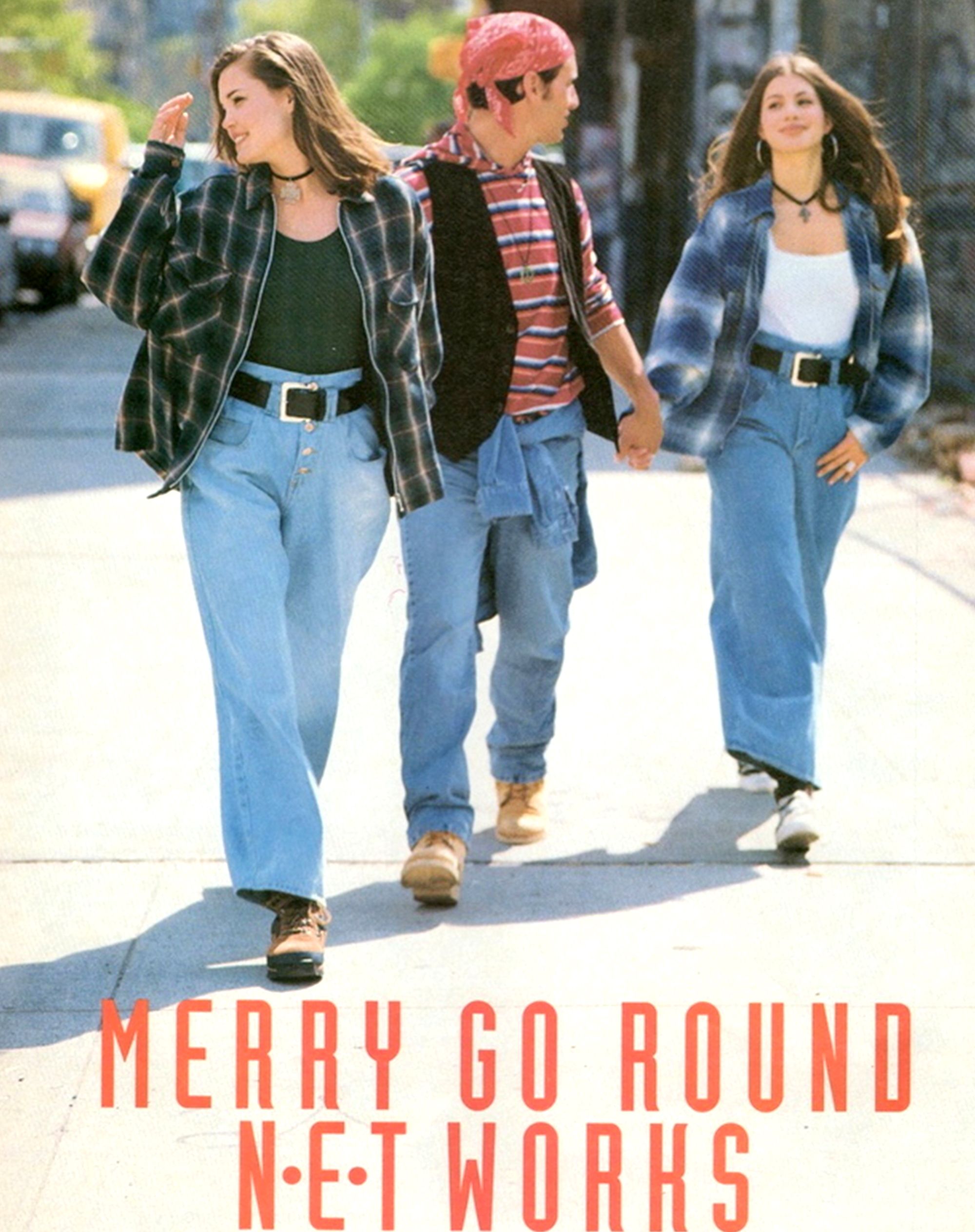
Originating in the Pacific Northwest music scene, grunge exploded into mainstream fashion by the mid-1990s, translating the anti-consumerist ethos of alternative rock into a global aesthetic. Characterized by thrift-store layering, flannel shirts, ripped denim, combat boots, and oversized cardigans, grunge was an intentional exercise in deliberate dishevelment. Designers like Marc Jacobs famously brought this countercultural look to the high-fashion runway in his Spring 1993 collection for Perry Ellis, validating an aesthetic born from economic recession and teenage apathy.
Beyond grunge, other alternative youth movements shaped the decade's visual landscape. Skateboarding culture popularized wide-leg cargo pants, graphic tees, and branded skate shoes like Vans and DC. Meanwhile, the resurgence of punk and the rise of indie rock introduced elements like band t-shirts, leather jackets, and chunky platform shoes. These subcultures shared a common thread: they valued personal expression, comfort, and durability over traditional tailoring and seasonal trend compliance.
Streetwear, Hip-Hop Culture, and Athletic Influence
The 1990s solidified the intersection of high fashion, hip-hop culture, and athletic wear, transforming casual streetwear into a powerful global phenomenon. As hip-hop grew in commercial and cultural dominance, artists and fans alike embraced oversized silhouettes. Baggy jeans, oversized sports jerseys, puffer jackets, bucket hats, and high-top sneakers became standard attire, popularized by icons such as Tupac Shakur, The Notorious B.I.G., and TLC.
Simultaneously, sportswear brands like Nike, Adidas, Champion, and Starter became status symbols. Athletic warm-up suits, track jackets, and baseball caps were no longer restricted to the gym; they were worn as everyday fashion statements. This era also saw the birth and expansion of dedicated streetwear labels that bridged the gap between skate culture, graffiti art, and urban style. The emphasis on branding, logo-mania, and comfortable, functional silhouettes during this period laid the operational and aesthetic groundwork for the multi-billion-dollar luxury streetwear market of the twenty-first century.
High Fashion, Supermodels, and the Rise of Heroin Chic
While streetwear and grunge dominated the streets, the high-fashion runway experienced a golden era defined by the cult of the supermodel and a new, gritty photographic realism. Figures like Naomi Campbell, Kate Moss, Cindy Crawford, and Linda Evangelista achieved unprecedented cultural ubiquity, becoming household names and driving consumer demand through sheer personality and presence.
During the mid-1990s, the dominant high-fashion imagery shifted away from the polished, vibrant glamour of the supermodel era toward "heroin chic"—an aesthetic characterized by pale skin, dark circles under the eyes, and an emaciated, grunge-influenced appearance. Photographers like Juergen Teller and Corinne Day spearheaded this raw, documentary-style approach in magazines like The Face and iD, challenging traditional standards of beauty and luxury advertising. Concurrently, haute couture experienced a revival of theatrical craftsmanship, led by visionary designers such as Alexander McQueen and John Galliano, who infused historical romance and avant-garde drama into their collections for houses like Givenchy and Dior.
Iconic 1990s Wardrobe Staples and Designers
| Category | Key Garments / Items | Defining Designers & Brands | Cultural Touchstones |
|---|---|---|---|
| Minimalism | Slip dresses, minimalist columns, neutral-toned pantsuits | Calvin Klein, Helmut Lang, Jil Sander | Gwyneth Paltrow, Minimalist runway shows |
| Grunge | Flannel shirts, distressed denim, combat boots, baby doll dresses | Marc Jacobs, Anna Sui, Perry Ellis | Kurt Cobain, Courtney Love, Seattle music scene |
| Streetwear | Baggy jeans, oversized jerseys, puffer jackets, bucket hats | Supreme, Stüssy, Karl Kani, Tommy Hilfiger | Hip-hop artists, skate culture, MTV music videos |
| Club Wear | Vinyl pants, platform shoes, neon accents, cyber-goth gear | Vivienne Westwood, Prada, MUGLER | Rave culture, electronic music festivals |
Frequently Asked Questions
What defined the minimalist fashion trend of the 1990s?
The minimalist trend was defined by clean lines, neutral color palettes, unpretentious silhouettes, and a rejection of 1980s excess. Designers like Calvin Klein utilized simple fabrics such as silk crepe, cotton, and wool to create streamlined garments that emphasized understated elegance and personal comfort over overt luxury signaling.
How did grunge fashion influence mainstream retail?
Grunge fashion shifted consumer demand from structured, tailored clothing to thrift-store aesthetics, flannel, ripped denim, and combat boots. Originally born from the Pacific Northwest music scene, the look was popularized globally when high-fashion designers adopted these countercultural elements onto the runway, proving that casual, distressed clothing could command high-end market appeal.
Which brands dominated 1990s streetwear and athletic wear?
Major brands that dominated the decade included Nike, Adidas, Champion, Starter, and Tommy Hilfiger. These labels benefited immensely from the mainstream crossover of hip-hop culture and sports fandom, turning everyday athletic apparel, logo-heavy sweatshirts, and oversized outerwear into definitive status symbols.
Why are 1990s fashion trends popular again today?
The cyclical nature of fashion, typically operating on a twenty-to-thirty-year revival window, has driven the return of 1990s aesthetics. Younger generations connect with the authentic comfort, practical utility, and distinct subcultural identities of the era, while nostalgia fuels the rediscovery of archival pieces worn by 90s icons.
Incorporating 90s Elements into Modern Styling
To successfully integrate 1990s fashion elements into a contemporary wardrobe without looking costume-like, focus on balancing proportions and selecting single statement pieces. Pair an oversized flannel shirt or a vintage graphic tee with modern slim-fit trousers or tailored denim to ground the voluminous silhouettes of the era. Alternatively, layer a minimalist silk slip dress over a fitted t-shirt or beneath a structured leather blazer to blend the decade's contrasting minimalist and grunge impulses. Prioritize quality materials and verify fit to ensure the look translates smoothly into a modern context.