1990s commercials represent a distinct era of television advertising defined by rapid shifts in consumer culture, the birth of digital editing techniques, and the transition from wholesome family-oriented messaging to edgy, ironic, and high-budget mini-cinematic spectacles. This decade transformed advertising breaks from simple product interruptions into culturally significant pop-culture events.
The Cultural Landscape of 1990s Advertising
The cultural fabric of the 1990s underwent profound changes, and television advertising served as both a mirror and a driving force for these shifts. As Generation X came of age, traditional, overly earnest advertising pitches began to fall flat. Advertisers quickly realized they needed a new vocabulary to reach an audience that valued irony, skepticism, and authenticity. This shift gave rise to commercials that relied heavily on subversion, dark humor, and self-awareness, changing how brands communicated with consumers.
Concurrently, the decade witnessed the commercialization of the internet and the rapid expansion of cable television. With hundreds of channels competing for viewer attention, the 30-second spot had to work harder than ever to retain audiences who possessed remote controls and the newfound ability to channel-surf during commercial breaks. Brands responded by investing heavily in high-production-value spots that felt more like Hollywood movie trailers than traditional sales pitches.
Furthermore, the socioeconomic climate of the 1990s—characterized by early-decade economic recession followed by the roaring dot-com boom—created a bifurcated advertising strategy. Brands oscillated between comforting, nostalgic imagery that evoked simpler times and ultra-modern, techno-optimistic campaigns that celebrated the dawn of the digital age. This duality ensured that 1990s commercials captured a wide spectrum of human emotion, ranging from absolute absurdity to genuine sentimentality.
Technological Shifts in Production and Broadcast
Behind the creative evolution of 1990s commercials lay a quiet revolution in broadcast technology and post-production techniques. The early part of the decade still relied heavily on traditional film stock and physical tape editing, but the mid-to-late 1990s ushered in the era of digital non-linear editing systems like Avid, as well as early computer-generated imagery (CGI). These tools allowed editors to manipulate footage with unprecedented speed, layering multiple visual tracks, experimenting with rapid-fire cuts, and integrating primitive 3D graphics directly into live-action scenes.
Color grading and special effects also took massive leaps forward. Commercials for automotive brands, soft drinks, and technology products began utilizing computer-assisted motion control cameras, making impossible camera movements routine. The widespread adoption of Dolby Surround sound in home theaters pushed advertisers to invest heavily in sound design. Jingles were increasingly supplemented by licensed pop and rock tracks, transforming soundtrack selection into a critical element of brand identity.
| Technology / Technique | Era Impact | Primary Use Case |
|---|---|---|
| Film Stock (35mm) | High-budget cinematic look | Premium brands, automotive, and Super Bowl spots |
| Non-Linear Editing (NIL) | Accelerated post-production workflows | Fast-paced cuts, music synchronization, and quick turnarounds |
| Early CGI & Wire Removal | Introduction of digital fantasy elements | Special effects, sci-fi aesthetics, and impossible physics |
| Licensed Pop Music | Cultural resonance and instant recognition | Soft drink, apparel, and youth-targeted campaigns |
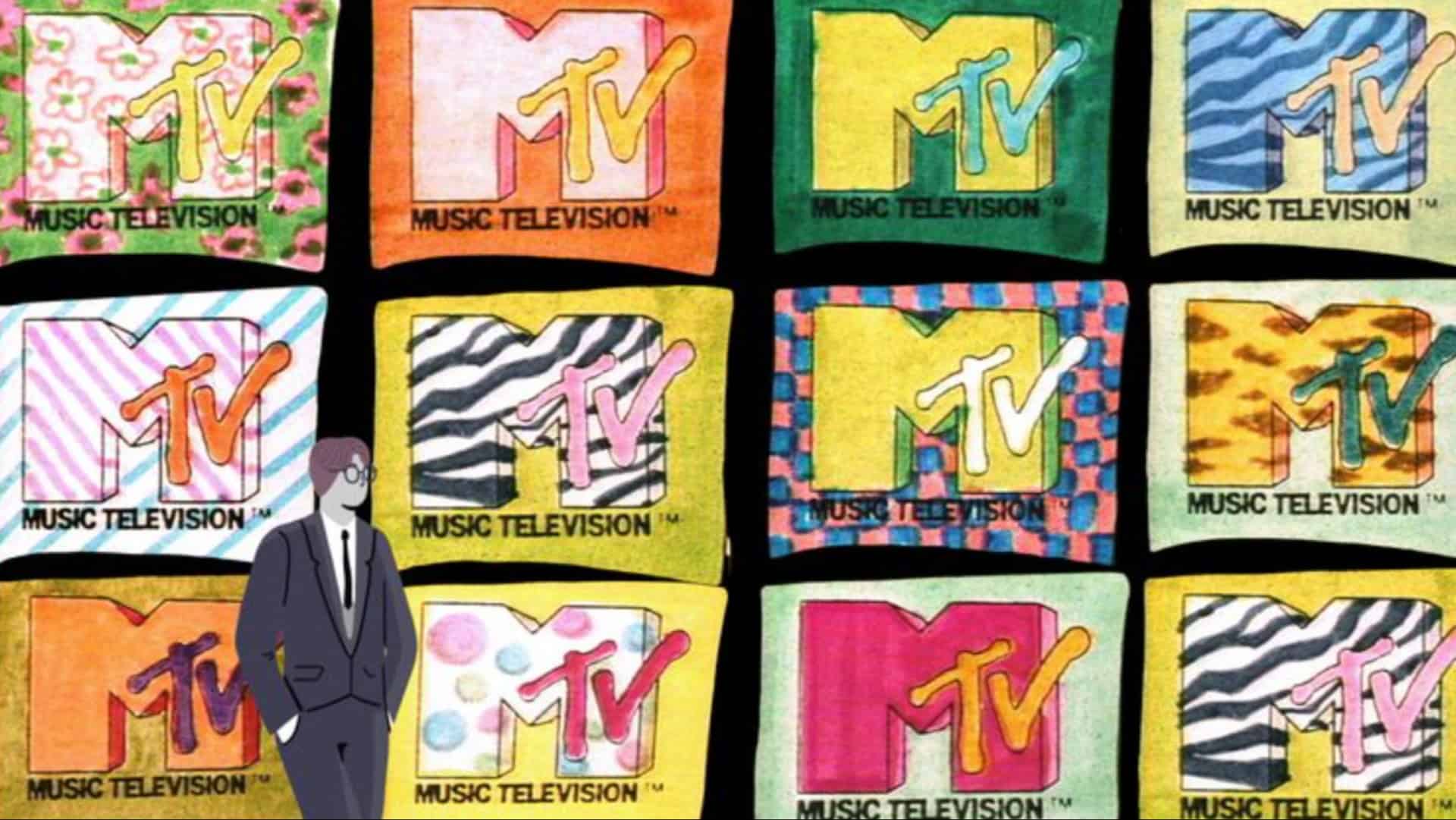
Broadcast distribution also evolved. While network television still commanded massive, unified audiences, the rise of niche cable networks allowed advertisers to hyper-target specific demographics. Advertisers could now craft entirely different tones for MTV viewers compared to those watching CNN or Nickelodeon, laying the groundwork for modern targeted digital advertising.
Iconic Campaigns and Memorable Brand Strategies
Several campaigns from the 1990s achieved legendary status, permanently altering how companies approach marketing. These campaigns often broke conventional rules, prioritizing long-term brand equity and emotional resonance over direct product features.
The "Got Milk?" campaign, launched in 1993 by the California Milk Processor Board, is a prime example. Rather than listing the nutritional benefits of calcium, the campaign focused on the acute agony of running out of milk when eating something that demanded it, starting with the iconic "Aaron Burr" radio and television spot directed by Michael Bay. The campaign demonstrated that humor and relatable domestic crisis could revitalize a stagnant commodity market.
Similarly, the beverage wars between Coca-Cola and Pepsi reached a fever pitch in the 1990s, characterized by high-concept storytelling. Pepsi's "Pepsi Stuff" loyalty campaign and their surreal, cinematic ads featuring Cindy Crawford and talking animals redefined youth marketing. Meanwhile, beer brands like Budweiser revolutionized Super Bowl advertising with recurring characters like the "Bud Frogs" and "Spuds MacKenzie" (though Spuds debuted in the late 80s, the frog phenomenon defined the 90s), proving the commercial value of serialized storytelling across multiple seasons.
The Evolution of Super Bowl Commercials as Cultural Events
Before the 1990s, the Super Bowl was primarily a sporting event with standard commercial breaks. However, the 1990s solidified the game as the premier showcase for the advertising industry. This transformation began in earnest when networks started charging unprecedented rates for ad space, forcing brands to justify the expenditure by creating mini-events within the broadcast.
Apple, Nike, and Wendy's set new benchmarks for what a single television spot could achieve. Advertisers began teasing their commercials weeks in advance on morning news programs, a practice that eventually evolved into the multi-platform digital rollouts seen today. Viewers started tuning into the Super Bowl as much for the commercials as for the game itself, sparking the tradition of commercial review segments on post-game news broadcasts.
This shift altered the economics of production. Directors who traditionally worked exclusively in feature films, such as David Fincher and Ridley Scott, routinely directed commercials during this decade. The budgets for single 30-second spots ballooned into the millions of dollars, establishing a high-stakes environment where a poorly received commercial could result in immediate public ridicule and a drop in stock value.
The Legacy and Preservation of 1990s Commercials
Decades after their initial broadcast, 1990s commercials occupy a unique space in digital culture. What was once ephemeral broadcast media has been meticulously archived, digitized, and shared across video-sharing platforms and dedicated archival websites. This preservation allows cultural historians, filmmakers, and nostalgic viewers to examine the social attitudes, fashion trends, and design aesthetics of the era with high fidelity.
The enduring appeal of these advertisements lies in their encapsulation of a pre-smartphone, pre-social media world. They offer a window into an era of mass media consumption where millions of people experienced the exact same cultural touchpoints simultaneously. As contemporary brands increasingly lean into 90s nostalgia—reviving character tropes, jingles, and visual styles—understanding the original context of these commercials provides valuable insight into modern marketing psychology.
Frequently Asked Questions
Why did 1990s commercials rely so heavily on licensed music?
Advertisers realized that popular songs immediately evoked specific emotions and cultural identities, allowing brands to short-circuit the need for lengthy exposition. Licensing established tracks helped capture the attention of skeptical Gen X consumers who tuned out traditional advertising jingles.
How did television technology change commercial production in the 1990s?
The transition to digital editing suites, improved film stocks, and early computer-generated imagery allowed for faster cuts, complex visual effects, and a more cinematic look. These tools enabled directors to experiment with pacing and visual styles that were impossible in previous decades.
What made Super Bowl commercials change during this decade?
As networks raised advertising rates, brands responded by creating high-budget, highly creative event spots designed to generate post-game press coverage and water-cooler conversation. This economic pressure turned the commercial break into a major pop-culture phenomenon.
Are original 1990s television commercials archived anywhere?
Yes, extensive libraries of 1990s commercials are preserved on digital video platforms, museum archives, and dedicated retro-advertising websites. These collections are maintained by media historians and enthusiasts dedicated to preserving broadcast history.
How did the target audience change for advertisers in the 1990s?
Advertisers shifted their focus toward Generation X, a demographic known for its cynicism toward institutional authority and traditional sales pitches. This required a move away from earnest, straightforward product claims toward irony, humor, and self-awareness.
Preserving and Exploring Retro Media Archives
For those looking to explore or study 1990s commercials for research, creative inspiration, or personal nostalgia, sourcing high-quality archives is essential. Start by consulting institutional digital repositories, such as university library media collections and public broadcasting archives, which often host digitized reels of vintage television broadcasts complete with original commercial breaks. When searching online platforms, utilize specific keyword combinations—such as specific brand names, broadcast years, or campaign titles—to bypass low-quality re-uploads and locate original master tapes or clean VHS rips. Researchers should also cross-reference broadcast dates with historical trade publications like Advertising Age to understand the media buying strategies and reception of specific campaigns.