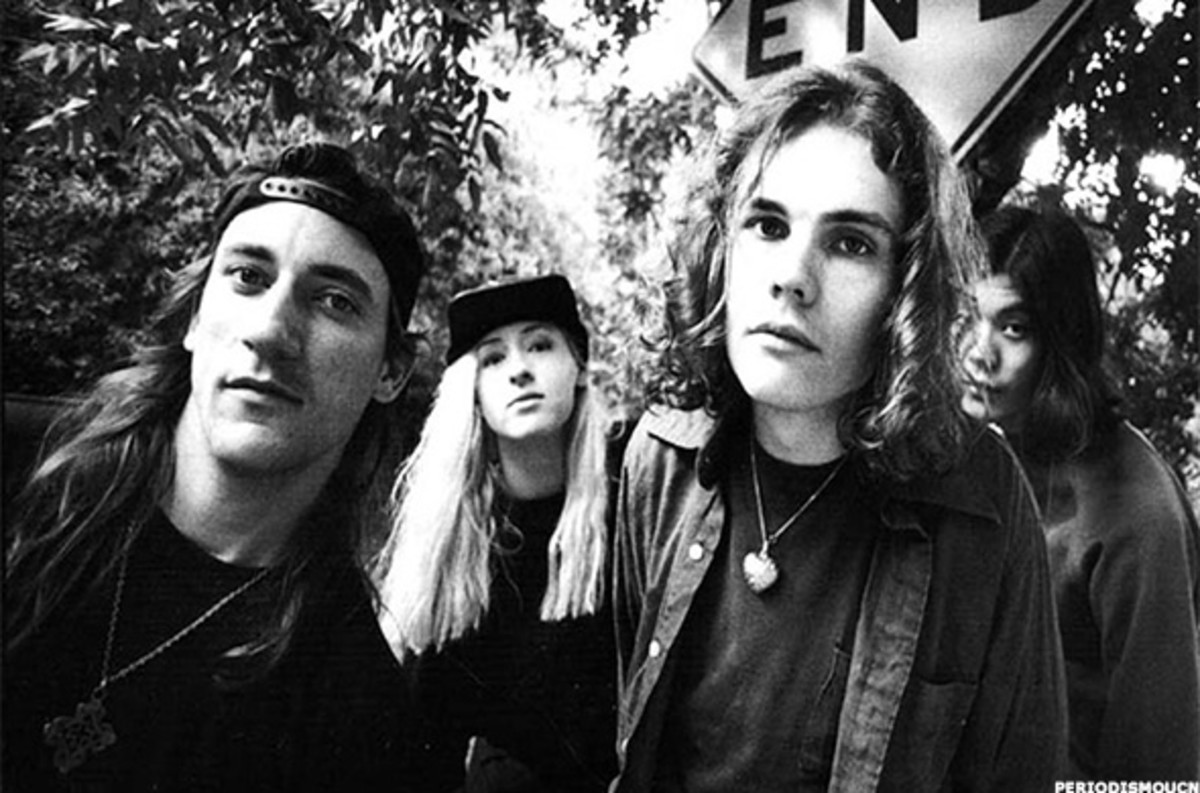
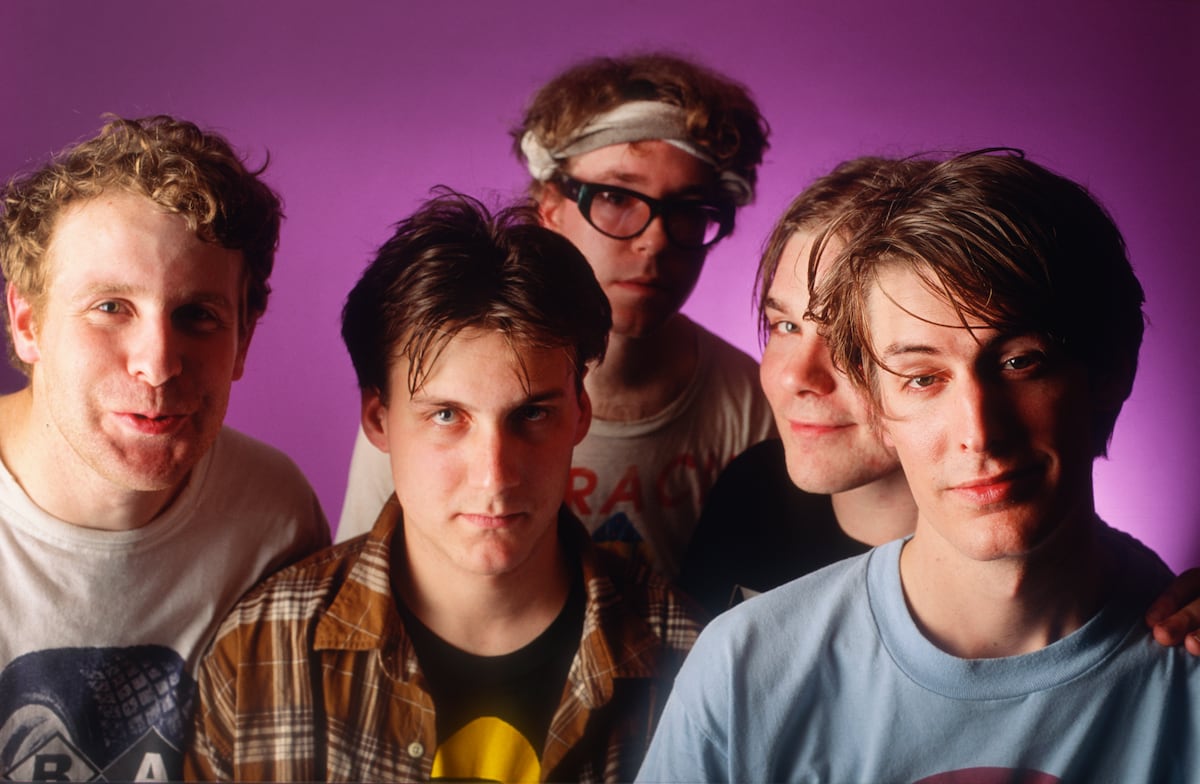
The 1990s music scene underwent a seismic shift, moving away from glossy 1980s hair metal and synth-pop toward the raw authenticity of grunge, the polished melodies of britpop, and the aggressive experimentation of alternative rock and nu-metal. This era redefined commercial radio, youth fashion, and the global music industry, establishing a legacy that continues to influence contemporary artists today.
The Grunge Explosion and the Pacific Northwest Sound
At the absolute forefront of the decade’s musical revolution was the grunge movement, originating primarily in Seattle, Washington. Characterized by heavy, sludgy guitar distortion, angst-ridden lyrics, and a rejection of mainstream rock star excess, this subgenre thrust underground music into global arena status.
Nirvana became the standard-bearers of this cultural shift with the 1991 release of Nevermind. Their breakout single, "Smells Like Teen Spirit," dismantled the prevailing commercial formulas of the era and vaulted alternative rock to the top of the Billboard charts. Frontman Kurt Cobain’s songwriting articulated the alienation of Generation X, cementing the band's status as a generational focal point.
Simultaneously, Pearl Jam emerged from the same Seattle ecosystem with their debut album, Ten. Featuring Eddie Vedder's distinct baritone vocals and Mike McCready's soaring guitar solos, Pearl Jam integrated classic rock structures with punk ethos. Their persistent battles against ticket-distribution monopolies and refusal to make traditional music videos defined their independent stance within major-label frameworks.
Other essential contributors to this Pacific Northwest phenomenon included Soundgarden, who fused heavy metal riffing with psychedelic textures under Chris Cornell’s four-octave vocal range, and Alice in Chains, whose darker, doom-laden harmonies explored themes of addiction and existential dread with unflinching honesty.
Alternative Rock Innovators and Post-Grunge Pioneers
Beyond the Pacific Northwest, alternative rock fractured into a diverse tapestry of sounds that dominated commercial airwaves throughout the mid-to-late 1990s. Bands that had previously existed in college-radio obscurity suddenly found themselves commanding massive commercial audiences.
R.E.M., having transitioned from underground darlings to global icons in the late 1980s, solidified their stadium status in the 90s with albums like Out of Time and Automatic for the People. Their mandolin-driven hit "Losing My Religion" proved that unconventional instrumentation could achieve massive mainstream success.
Meanwhile, Smashing Pumpkins combined the towering guitar walls of shoegaze with progressive rock arrangements and Billy Corgan’s emotionally volatile lyricism. Siamese Dream and Mellon Collie and the Infinite Sadness showcased an intricate blend of delicate acoustic passages and crushing distortion, establishing a benchmark for production scale in alternative music.
As the decade progressed, a wave of post-grunge bands emerged, streamlining the heavier elements of early 90s rock for commercial consumption. Groups like Foo Fighters—founded by former Nirvana drummer Dave Grohl—Silverchair, and Bush maintained the heavy guitar aesthetic while injecting radio-friendly hooks that sustained rock's dominance on the charts.
The British Invasion: Britpop and the Cool Britannia Era
Across the Atlantic, the United Kingdom developed its own distinct musical counter-movement in direct opposition to American grunge. Britpop rejected the gloomy introspection of Seattle in favor of melodic, guitar-driven pop heavily inspired by 1960s British invasion bands like The Beatles, The Kinks, and The Who.
At the center of this cultural wave was Oasis, led by the Gallagher brothers, Liam and Noel. Their sophomore album, (What's the Story) Morning Glory?, became one of the best-selling albums in UK history, fueled by anthemic tracks like "Wonderwall" and "Don't Look Back in Anger." Their rivalry with fellow Britpop titans Blur dominated British tabloid culture, creating a media spectacle often dubbed "The Battle of Britpop."
Blur, led by Damon Albarn, navigated a stylistic evolution from the jangly indie pop of Leisure to the art-rock textures of Modern Life Is Rubbish and Parklife. By incorporating elements of American lo-fi indie rock later in the decade, Blur helped pave the way for the broader post-punk revival of the 2000s.
Other prominent figures in the Britpop landscape included Pulp, whose ironic, socially observant lyricism and Jarvis Cocker's eccentric stage presence yielded hits like "Common People," and Suede, who introduced a theatrical, glam-rock sensibility to the movement.
Electronic Rock, Industrial, and Nu-Metal Expansion
The latter half of the 1990s witnessed the mainstream integration of electronic music production techniques into traditional rock instrumentation, creating aggressive new hybrids that captured the anxiety of the approaching new millennium.
Industrial rock gained unprecedented commercial footing through bands like Nine Inch Nails, spearheaded by Trent Reznor. Albums such as The Downward Spiral blended synthesizer basslines, aggressive beat-programming, and raw industrial noise with traditional rock structures, creating a deeply influential blueprint for modern production.
Concurrently, the seeds of nu-metal were planted as bands began fusing heavy metal down-tuned guitars with hip-hop rhythmic structures and turntablism. Korn released their self-titled debut in 1994, establishing a template of psychological distress and groove-heavy riffs that would dominate hard rock radio by the turn of the millennium. Rage Against the Machine similarly fused heavy metal, funk, and explicitly political rap verses, creating a potent vehicle for social protest that remained unmatched in commercial accessibility.
| Subgenre | Defining Characteristics | Key Artists | Landmark Album |
|---|---|---|---|
| Grunge | Sludgy guitar distortion, angst-filled lyrics, flannel aesthetic | Nirvana, Pearl Jam, Soundgarden | Nevermind (1991) - Nirvana |
| Alternative Rock | Eclectic sonic textures, college-radio roots, dynamic volume shifts | R.E.M., Smashing Pumpkins, Weezer | Siamese Dream (1993) - Smashing Pumpkins |
| Britpop | 1960s melodic sensibilities, British cultural pride, catchy hooks | Oasis, Blur, Pulp | (What's the Story) Morning Glory? (1995) - Oasis |
| Industrial / Nu-Metal | Electronic integration, down-tuned riffs, aggressive rhythms | Nine Inch Nails, Korn, Rage Against the Machine | The Downward Spiral (1994) - Nine Inch Nails |
Assessing the Commercial and Cultural Legacy of 1990s Bands
Evaluating the enduring impact of 1990s bands requires looking past nostalgic radio rotation to examine how these groups restructured the music industry. The decade marked the final era of physical media dominance—primarily compact discs and cassette tapes—before peer-to-peer file sharing and digital streaming permanently altered consumer habits.
Major record labels, initially caught off guard by the independent ethos of grunge and indie rock, spent the decade frantically acquiring smaller independent labels or establishing subsidiaries to capture the alternative market. This dynamic created a tension between commercial co-optation and artistic integrity, forcing bands to navigate the realities of major-label distribution while maintaining their counter-cultural credibility.
Furthermore, the production standards established during this decade continue to resonate. Producers like Butch Vig, Rick Rubin, and Steve Albini pioneered recording techniques that balanced high-fidelity clarity with the raw grit of analog tape, establishing a sonic signature that modern rock producers still emulate.
Frequently Asked Questions
Which band started the 1990s grunge movement?
Green River and Soundgarden are widely credited with pioneering the early Seattle sound in the mid-to-late 1980s, but Nirvana's 1991 release of Nevermind is universally recognized as the catalyst that launched the grunge movement into global commercial prominence.
What was the main difference between American grunge and British Britpop?
American grunge focused on heavy guitar distortion, introspective and often cynical lyrics, and a rejection of flashy showmanship. In contrast, British Britpop emphasized melodic, upbeat songwriting inspired by 1960s pop traditions, celebrating British working-class culture and stylistic extroversion.
How did the 1990s music industry change after the CD boom?
The 1990s represented the peak era of physical compact disc sales, generating massive revenues for major labels. However, the end of the decade laid the groundwork for digital distribution models, as home computers and internet file-sharing protocols began challenging traditional physical retail supply chains.
Are 1990s bands still relevant in contemporary music streaming?
Yes, streaming data indicates that many 1990s rock bands maintain massive daily listener bases, often outperforming newer rock acts. Tracks like Nirvana's "Smells Like Teen Spirit" and Oasis's "Wonderwall" have accumulated billions of streams, bridging generational divides and introducing legacy acts to younger demographics.
Strategic Discovery and Exploration of 1990s Music
To fully appreciate the scope of 1990s bands, listeners should explore beyond the standard radio hits and investigate the regional scenes that birthed them. Seek out original studio albums rather than compressed greatest-hits compilations to experience the intended sequencing and artistic vision of each release. Documentaries concerning the Seattle music scene, the history of Creation Records, and the evolution of alternative radio offer valuable historical context regarding the socio-economic conditions that fueled this remarkably diverse musical decade.