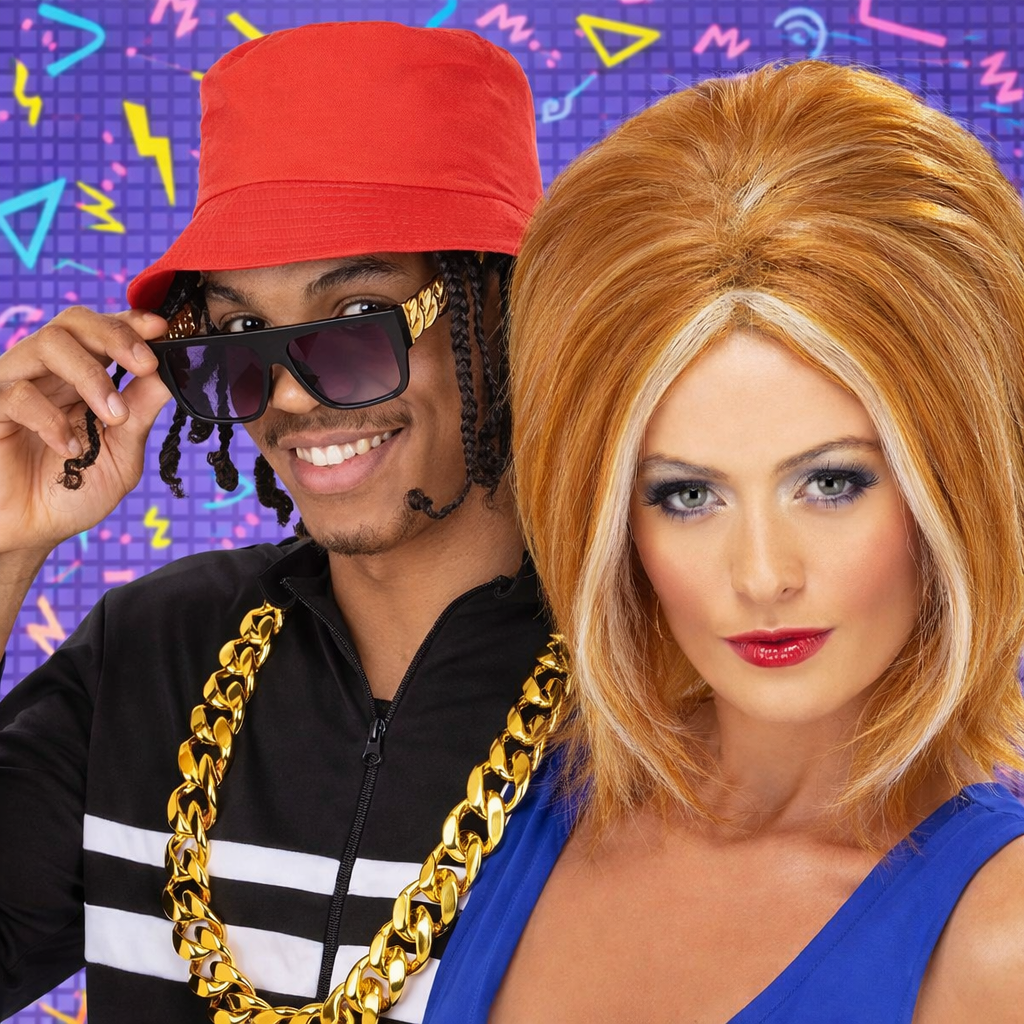
The fashion of the 1990s was defined by minimalism, grunge, and the dawn of digital culture, making 1990s accessories the essential finishing touches that transformed simple slip dresses and baggy jeans into iconic cultural statements. From plastic choker necklaces and chunky platform shoes to mini backpacks and slap bracelets, these items captured a transitional era of style that continues to influence contemporary wardrobes.
Understanding the Aesthetic Landscape of 1990s Fashion
The accessories of the 1990s did not emerge in a vacuum; they were direct reactions to the excess, neon, and heavy corporate power dressing of the 1980s. As youth culture fragmented into distinct subcultures—including grunge, hip-hop, rave culture, and preppy minimalism—accessories became the primary vehicle for signaling identity. Designers and mass-market brands alike shifted their focus toward accessible, tactile, and often playful materials.
Plastics, synthetic fabrics, rubber, and cheap metals dominated the market, democratizing fashion in a way previous decades had rarely seen. A teenager could completely alter their look by swapping out a velvet choker for a nylon lanyard or a beaded friendship bracelet. This versatility allowed 1990s accessories to bridge the gap between high runway fashion and accessible street style, laying the groundwork for modern fast-fashion trends.
Iconic Neckwear and Facial Adornments
Neckwear during this decade underwent a radical shift away from heavy gold ropes and oversized pearls toward delicate, subversive, and youth-oriented pieces. The most ubiquitous neck ornament of the era was the tattoo choker, constructed from tightly coiled strands of black plastic that stretched over the head and snapped back to fit snugly against the throat. Originally inspired by Victorian mourning jewelry and Indigenous weaving traditions, these chokers were affordable, durable, and universally worn across middle and high schools.
Alongside the plastic choker, velvet ribbons secured with vintage-style cameos or small silver charms gained immense popularity, heavily influenced by the gothic revival and alternative rock scene. Silver ball-chain necklaces, often paired with dog tags or yin-yang pendants, also served as staples of everyday teenage attire. Meanwhile, body piercing moved from the fringes into mainstream fashion, making tongue rings, eyebrow barbells, and navel rings some of the most sought-after physical modifications and accessory pairings of the late 90s.
Footwear Transformations: Platforms, Mules, and Chunky Soles
Footwear in the 1990s prioritized dramatic silhouettes and structural heft, breaking away from the sleek stiletto heels and athletic running shoes of the preceding decades. Heavy-duty combat boots, most notably manufactured by Dr. Martens, became the uniform of the grunge movement, paired incongruously with floral-print slip dresses and oversized flannel shirts. These boots valued durability and comfort, reflecting a broader cultural fatigue with restrictive fashion norms.
At the other end of the spectrum, platform shoes achieved massive commercial success, popularized by pop groups like the Spice Girls. Foam-soled sneakers, chunky Mary Janes, and wooden-soled mules elevated wearers by several inches while demanding a distinct, confident stride. Skate shoes from brands like Vans and DC also emerged as essential streetwear, featuring wide profiles and padded tongues that dominated skate parks and suburban hallways alike.
| Accessory Category | Dominant Materials | Key Cultural Influences | Typical Price Range (1990s Retail) |
|---|---|---|---|
| Chokers | Stretch plastic, velvet, metal | Grunge, Alternative Rock, Gothic revival | $2.00 – $15.00 |
| Mini Backpacks | Nylon, faux leather, clear PVC | Pop culture, preppy school style | $15.00 – $50.00 |
| Platform Shoes | Foam, rubber, heavy canvas | Pop music, rave culture, street fashion | $30.00 – $100.00+ |
| Hair Accessories | Acetate, velvet, metal springs | Teen television, casual daily wear | $1.00 – $10.00 |
Headwear and Hair Innovations
Hair styling and headwear in the 1990s relied heavily on practical utility paired with playful nostalgia. The butterfly clip—small, spring-loaded plastic clips shaped like butterflies with iridescent or metallic wings—became the defining hair accessory of the late decade. Worn in clusters to secure small twists or framing sections of the face, they encapsulated the whimsical, technicolor optimism of the Y2K transition.
Scrunchies, constructed from gathered fabric enveloping an elastic band, offered a gentle alternative to traditional rubber bands that routinely snapped hair. They were worn both in the hair and stacked as bracelets on the wrist. Headbands made of flexible plastic teeth, known as comb headbands, kept hair strictly swept back, while bucket hats made of fleece, nylon, or denim provided both sun protection and casual street credibility, particularly within hip-hop communities.
Bags, Packs, and Carryalls
The way individuals carried their daily belongings shifted dramatically during the 1990s, moving away from structured leather handbags toward casual, hands-free options. The mini backpack, pioneered in luxury by brands like Prada with their black nylon iterations and replicated endlessly by mass-market retailers, became the ultimate status symbol for young women. These packs were small, lightweight, and designed to hold little more than a wallet, keys, and a compact mirror.
Fanny packs, worn around the waist or slung diagonally across the chest, served a similar utilitarian purpose for tourists and festival-goers, utilizing durable nylon fabrics and plastic snap buckles. Messenger bags also gained traction among urban commuters and students, offering a rugged, weather-resistant canvas construction that could accommodate textbooks, portable CD players, and early cellular devices.
Frequently Asked Questions
What made 1990s accessories distinct from previous decades?
The accessories of the 1990s were characterized by a shift toward accessible, synthetic materials like plastic, nylon, and rubber. Influenced by subcultures like grunge and hip-hop, they emphasized casual wearability, youth rebellion, and playful nostalgia over traditional luxury and formal elegance.
How did the rise of rave culture impact 1990s accessories?
Rave culture introduced high-visibility, neon, and futuristic elements into everyday accessorizing. Items like beaded candy bracelets, pacifier necklaces, reflective slap bracelets, and colored tinted sunglasses originated or gained mainstream traction through the electronic dance music scene.
Are original 1990s accessories considered valuable collectibles today?
Certain authentic designer pieces, particularly vintage nylon Prada mini backpacks, original Vivienne Westwood platform shoes, and pristine vintage band merchandise, hold significant collectible value. Mass-market plastic items, however, are generally valued more for nostalgia than monetary investment.
What are the defining characteristics of grunge-era accessories?
Grunge accessories prioritized utility, thrift-store aesthetics, and anti-fashion sentiments. Key items included distressed leather belts, chunky silver hoop earrings, heavy combat boots, knitted beanies, and dark velvet chokers that reflected a gritty, unpolished visual identity.
How can modern wardrobes incorporate 1990s accessories without looking costumey?
To integrate these pieces into contemporary wardrobes, select one focal point—such as a minimalist nylon shoulder bag or a subtle metal chain choker—and pair it with modern, neutral-toned basics rather than dressing in head-to-toe period attire.
Sourcing and Preserving Vintage Pieces
Building a collection of authentic period pieces requires a discerning eye and an understanding of material degradation. Plastics from the 1990s, particularly polyurethane and certain synthetic foams used in platform shoes, are susceptible to hydrolysis and embrittlement over time. When acquiring vintage footwear or plastic-heavy accessories, inspect them for structural integrity, checking whether the soles remain securely attached and whether elastic components have lost their tension. Thrift stores, specialized vintage boutiques, and online resale platforms remain the most reliable sources for acquiring verified period items. Proper storage, away from direct sunlight and excessive humidity, ensures that these fragile artifacts of late-20th-century fashion endure for future study and wear.