The 1990 Chinese New Year marked the beginning of the Year of the Metal Horse, a period in the traditional Chinese lunisolar calendar associated with dynamic energy, independence, and industriousness. Celebrated by millions worldwide through ancestral veneration, family reunions, and traditional feasts, the 1990 lunar new year followed a complex intercalation system that aligned agrarian traditions with modern global chronology.
Astrological Foundations of the 1990 Year of the Horse
The traditional Chinese calendar operates on a sixty-year sexagenary cycle formed by combining ten Heavenly Stems with twelve Earthly Branches. Within this framework, the Horse is the seventh animal of the Chinese zodiac, representing vitality, passion, and swift movement. The specific cyclical pillar for 1990 was Gengwu (庚午), which pairs the Metal element (Geng) with the Horse branch (Wu).
In Chinese element theory, Metal governs structure, determination, and resilience. When combined with the inherent fiery and active nature of the Horse, the Metal Horse year of 1990 was traditionally interpreted as a time requiring clear boundaries, decisive action, and disciplined execution of personal and communal goals. Astrologers and practitioners viewed the year as favorable for commerce, travel, and structural innovation, albeit with a caution against impulsiveness or overextension.
Astronomical Dating and the Lunar Calendar Calculation
Unlike the fixed Gregorian calendar, which is based strictly on the solar cycle, the Chinese calendar is lunisolar, meaning it tracks both the phases of the moon and the solar year. Because the lunar cycle (from one new moon to the next) averages approximately 29.53 days, twelve lunar months total roughly 354 days—about eleven days short of a tropical solar year. To prevent the calendar from drifting out of alignment with the agricultural seasons, intercalary months (leap months) are added periodically.
In 1990, the Lunar New Year—often referred to as the Spring Festival—fell on January 27. This date was determined by calculating the second new moon following the winter solstice (which typically occurs around December 21 or 22). The exact timing of the new moon must occur within the East Asian Standard Time zone (UTC+8), which dictates whether a festival falls on a specific date in Beijing, Taipei, Singapore, or among diaspora communities adjusting for local time zones.
Cultural Traditions and Rituals of the Spring Festival
The observation of the Spring Festival extends well beyond a single day, encompassing a multi-week period of preparation, ritual observance, and social restoration. In 1990, as in preceding and succeeding generations, families engaged in deeply rooted customs designed to usher out the misfortunes of the past year and invite prosperity for the upcoming cycle.
Pre-Festival Cleanliness and Preparation
Weeks before January 27, 1990, households engaged in a thorough housecleaning. This physical act symbolized the sweeping away of stagnant energy, bad luck, and accumulated misfortunes from the previous year. Brooms and dustpans were hidden on New Year's Day itself to prevent accidentally sweeping away newly arrived good fortune. Doors and window frames were freshly painted or decorated with red paper cutouts, poetic couplets (chuntian), and New Year paintings depicting wealth gods, auspicious animals, and agricultural abundance.
The Reunion Dinner and Ancestral Veneration
On the eve of the Lunar New Year, families gathered for the Nianfan, or reunion dinner. This meal is traditionally the most important culinary gathering of the year, featuring specific dishes chosen for their auspicious homophones. Whole fish represented surplus and abundance (yu), long noodles symbolized longevity, and dumplings shaped like ancient gold ingots signified wealth. Before partaking, families offered food, wine, and incense to their ancestors on household altars, expressing gratitude for familial lineage and asking for continued protection and guidance.
Red Envelopes and Intergenerational Bonds
A defining ritual of the Spring Festival is the exchange of Hongbao, or red envelopes containing money. In 1990, elders presented these packets to children and unmarried younger family members. The red color of the packet symbolizes energy, happiness, and good luck, while warding off evil spirits. The monetary gift, known as yasui qian (money suppressing the New Year or aging), carries the blessing of health and safe passage into the next year.
Historical and Societal Context of 1990
Observing the Chinese New Year in 1990 occurred during a period of significant global transition. In Mainland China, the decade of economic reform initiated in the late 1970s was entering a new phase of consolidation and market maturation. Urban centers and rural communities alike balanced traditional festival observances with the realities of modern industrial employment and state planning frameworks.
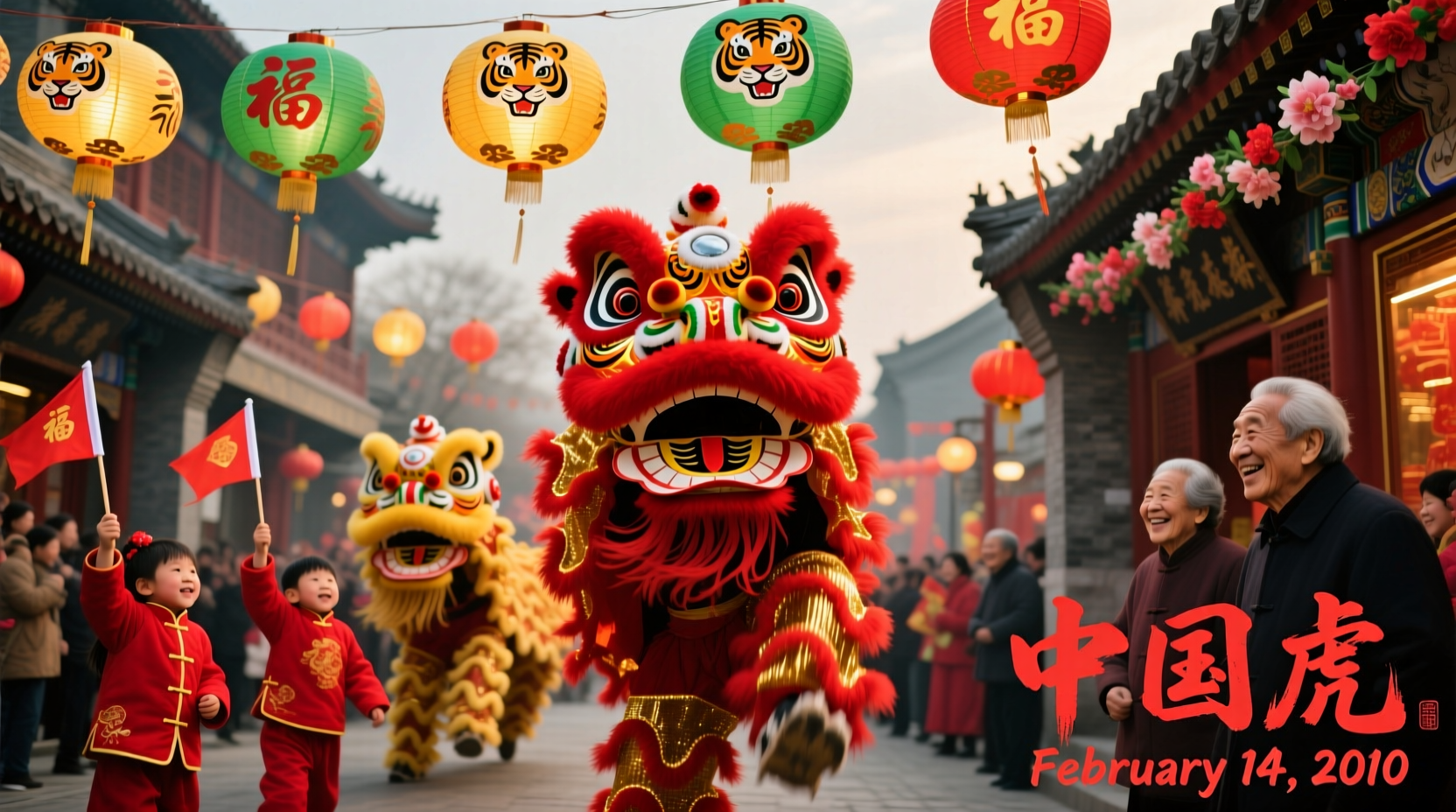
Outside of Mainland China, thriving diaspora communities in Hong Kong, Taiwan, Southeast Asia, and Western nations observed the Year of the Horse with vibrant public celebrations, lion dances, temple fairs, and community banquets. These gatherings served as vital cultural anchors, preserving linguistic heritage and traditional arts across generations living far from their ancestral homes.
| Astrological Year | Element | Gregorian Date of Lunar New Year | Dominant Cultural Themes |
|---|---|---|---|
| 1966 | Fire Horse | January 21, 1966 | Radical transformation, high volatility, social upheaval |
| 1978 | Earth Horse | February 7, 1978 | Grounded growth, structural reform, pragmatic transition |
| 1990 | Metal Horse | January 27, 1990 | Decisive action, commercial expansion, structural discipline |
| 2002 | Water Horse | February 12, 2002 | Adaptability, intellectual pursuits, global connectivity |
| 2014 | Wood Horse | January 31, 2014 | Creative expansion, personal development, collaborative ventures |
Frequently Asked Questions
What day did Chinese New Year fall on in 1990?
Chinese New Year in 1990 fell on Saturday, January 27. This date marked the official first day of the Year of the Metal Horse according to the traditional lunisolar calendar.
Which animal and element governed the year 1990 in the Chinese zodiac?
The year 1990 was governed by the Horse animal sign and the Metal element, resulting in the Metal Horse designation. This combination recurs every sixty years within the sexagenary cycle.
How is the date for Chinese New Year determined each year?
The date is determined by astronomical calculations based on the phases of the moon. Lunar New Year always falls on the second new moon following the winter solstice, placing it between January 21 and February 20 on the Gregorian calendar.
What are the traditional foods eaten during the Lunar New Year reunion dinner?
Traditional foods include a whole fish to symbolize surplus, long noodles for longevity, and dumplings shaped like ancient gold ingots to represent wealth and prosperity for the coming year.
Why are red envelopes given during the Spring Festival?
Red envelopes containing money are given by elders to younger family members to symbolize good luck, happiness, and warding off evil spirits, while passing down blessings of health and longevity.
Preserving Lunar Calendar Traditions Today
Understanding the historical observance of the 1990 Year of the Horse offers insight into how ancient astronomical calculations and enduring cultural practices intersect. Whether studying the mechanics of the lunisolar calendar, researching family genealogy, or examining the sociological evolution of the Spring Festival, recognizing the specific traditions of 1990 highlights the resilience and adaptability of cultural heritage across time and geography.