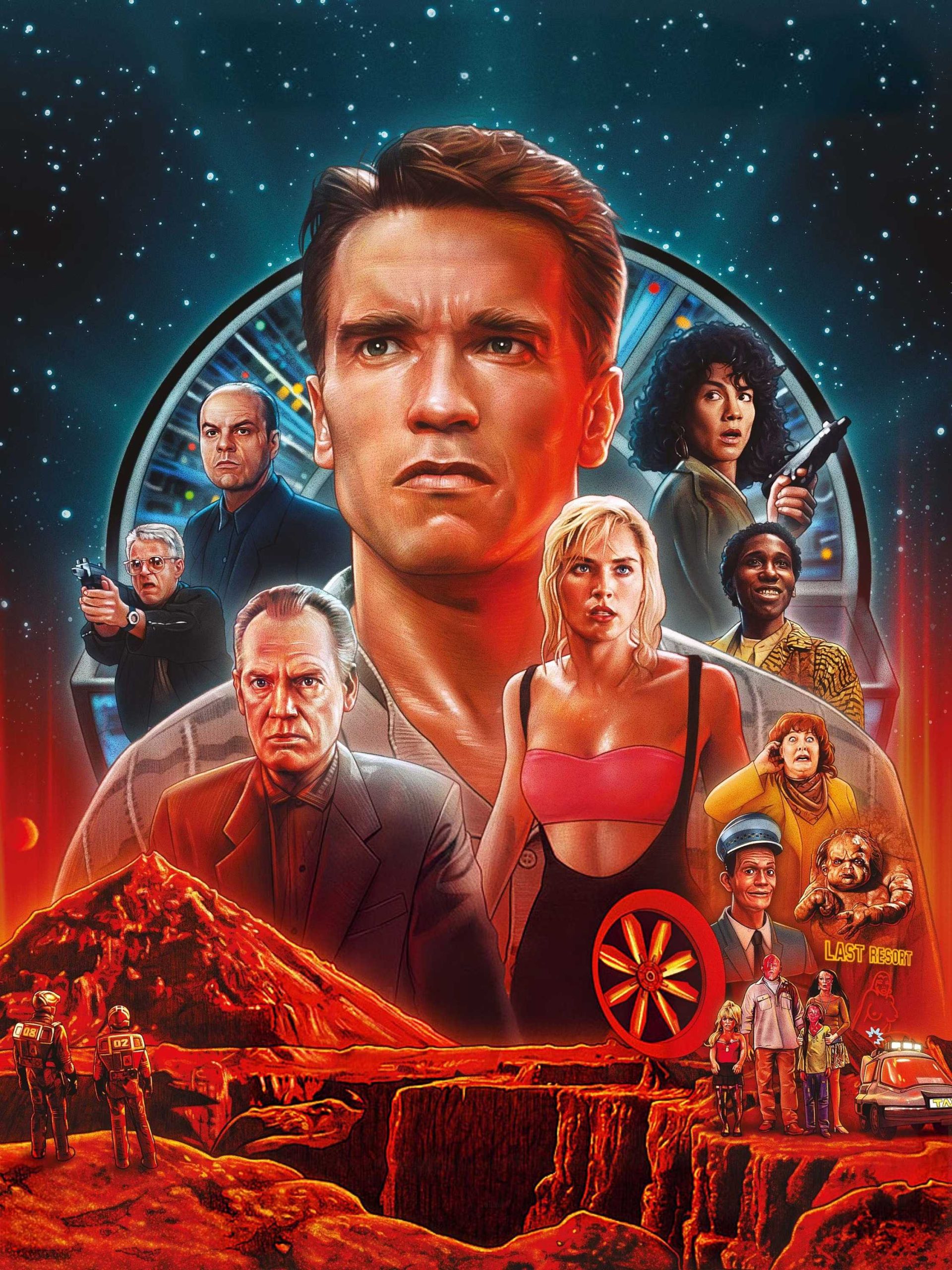
The year 1990 marked a significant transitional period for both the film industry and cinematic criticism, sitting at the intersection of traditional print-based journalism and the dawn of independent cinema blockbusters. 1990 film reviews capture a unique historical moment when established critics grappled with high-budget studio risks, bold auteur visions, and the sudden commercial viability of independent filmmaking.
The Landscape of Film Criticism in 1990
Before the widespread adoption of the internet, cinematic discourse relied heavily on daily newspapers, weekly newsmagazines, and specialized film journals. Critics wielded substantial influence over box office performance and public perception, often shaping the cultural legacy of a movie decades before home video or streaming archives consolidated its reputation.
In 1990, the critical establishment was dominated by legendary voices writing for major metropolitan publications, alongside television reviewers who could catapult a modest release into a weekend sensation. The critical reception of 1990 releases reveals a distinct tension between mainstream commercial expectations and a growing appetite for subversive storytelling. Reviewers of this era operated under strict word-count limitations imposed by print media, forcing concise, punchy evaluations that prioritized immediate thematic analysis and cultural context over exhaustive deep-dives.
Major Cinematic Releases and Contemporary Critical Reception
The cinematic output of 1990 was remarkably diverse, encompassing gritty crime dramas, high-concept science fiction, psychological thrillers, and groundbreaking independent features. Contemporary critics often struggled to categorize films that defied traditional genre boundaries.
For instance, Martin Scorsese’s GoodFellas, released in September 1990, received widespread critical acclaim, though some contemporary reviewers debated its stylized violence and moral ambiguity. Similarly, Tim Burton’s Edward Scissorhands challenged critics to reconcile fairy-tale whimsy with suburban satire, resulting in varied initial assessments that eventually coalesced into universal praise. Meanwhile, blockbusters like Ghost and Home Alone elicited mixed reactions from high-brow critics who frequently underestimated their enduring cultural impact while acknowledging their immense box office appeal.
Critical Divergence: Studio Blockbusters vs. Independent Milestones
A defining characteristic of 1990 film reviews is the stark divergence in how reviewers treated major studio releases compared to independent breakthroughs. Independent cinema was on the cusp of a major commercial boom, largely catalyzed by films that secured distribution at festivals like Sundance.
| Film Title | Primary Genre | Critical Consensus in 1990 | Long-Term Retrospective View |
|---|---|---|---|
| GoodFellas | Crime Drama | Overwhelmingly positive; lauded for technical mastery and kinetic pacing. | Widely regarded as one of the greatest films of the 20th century. |
| Ghost | Supernatural Romance | Mixed; praised for performances, dismissed by some as overly sentimental. | Celebrated as a defining cultural touchstone of the early 1990s. |
| Wild at Heart | Neo-Noir / Road Movie | Highly polarized; shocked traditionalists, praised by avant-garde critics. | Recognized as a quintessential Lynchian masterpiece of style and grit. |
| Die Hard 2 | Action | Favorable to mixed; viewed as a competent, high-stakes sequel. | Evaluated as a solid genre entry reflecting peak 1990s action tropes. |
The Impact of Print and Broadcast Media on Box Office Success
During 1990, consumer behavior regarding film attendance was deeply tethered to local newspaper reviews and Friday television segments. A favorable review from nationally syndicated critics could rescue a struggling studio picture, while a scathing review could prematurely halt a film's theatrical run.
This era also highlighted a growing disconnect between audience attendance and critical consensus. Several of the highest-grossing films of 1990 faced lukewarm or negative notices from professional critics, demonstrating that word-of-mouth and high-concept marketing campaigns were beginning to rival the traditional gatekeeping power of established reviewers. This tension forced critics to adapt, leading some to focus more deeply on sociological subtexts and technical craftsmanship rather than mere recommendations.
Methodological Shifts in How Critics Evaluated Form and Narrative
The stylistic conventions of 1990 film reviews reflect a transitional phase in film theory. Reviewers frequently emphasized narrative coherence, character motivation, and moral frameworks. However, the increasing prominence of MTV aesthetics, rapid editing styles, and postmodern storytelling forced critics to expand their vocabulary.
Reviewers began paying closer attention to soundtrack curation, atmospheric lighting, and director-driven visual signatures. As home video formats like VHS expanded accessibility, film criticism started shifting from ephemeral daily reporting toward a more permanent, analytical approach. Critics recognized that their reviews would serve as historical records for future generations attempting to understand the cultural anxieties of the post-Cold War era.
How Retrospective Evaluations Have Reshaped 1990 Cinema
Decades after their initial publication, 1990 film reviews provide a fascinating study in historical shifting perspectives. Many films that received dismissive or mediocre notices upon release have undergone dramatic critical re-evaluations, while some critical darlings have faded from cultural memory.
Retrospective analysis often exposes the blind spots of contemporary 1990 criticism, particularly regarding gender representation, racial dynamics, and the dismissal of genre cinema. Modern film scholars frequently revisit 1990 reviews not merely to gauge a film's initial reception, but to understand the institutional biases and cultural values of the critics themselves. This ongoing dialogue ensures that the cinematic output of 1990 continues to be re-examined through contemporary critical frameworks.
Frequently Asked Questions
How did 1990 film reviews differ from modern online movie criticism?
1990 film reviews were constrained by print deadlines and strict word counts, resulting in concise, highly edited evaluations. Modern online criticism allows for unlimited length, immediate audience engagement, and deep community discussions across digital platforms.
Were major 1990 box office hits universally praised by critics?
No. Several top-grossing films of 1990 received mixed or negative reviews from professional critics, proving that high commercial success did not automatically guarantee critical endorsement during that era.
Which 1990 film experienced the most significant shift in critical reputation?
Several independent and genre releases, including idiosyncratic auteur projects and psychological thrillers, saw their critical standing rise significantly as retrospective analyses recognized their stylistic influence on later decades.
What role did television critics play in the film industry in 1990?
Television film reviewers held immense persuasive power, as their visual broadcasts reached wide audiences just before the crucial weekend box office window, often swaying casual moviegoers more effectively than print columns.
Where can historical 1990 film reviews be accessed today?
Historical reviews are preserved in digitized newspaper archives, specialized university library databases, and microfiche collections of major metropolitan publications and trade journals from that era.
Strategic Next Steps for Researching Historical Cinema
Researchers, film students, and cultural historians seeking to explore 1990 cinema should consult archived editions of major trade publications and metropolitan newspapers from that specific calendar year. Cross-referencing contemporary box office receipts with original critical notices offers a comprehensive understanding of how specific movies resonated with audiences versus professional reviewers. Prioritizing primary source databases ensures accurate historical context when analyzing the cinematic landscape of 1990.