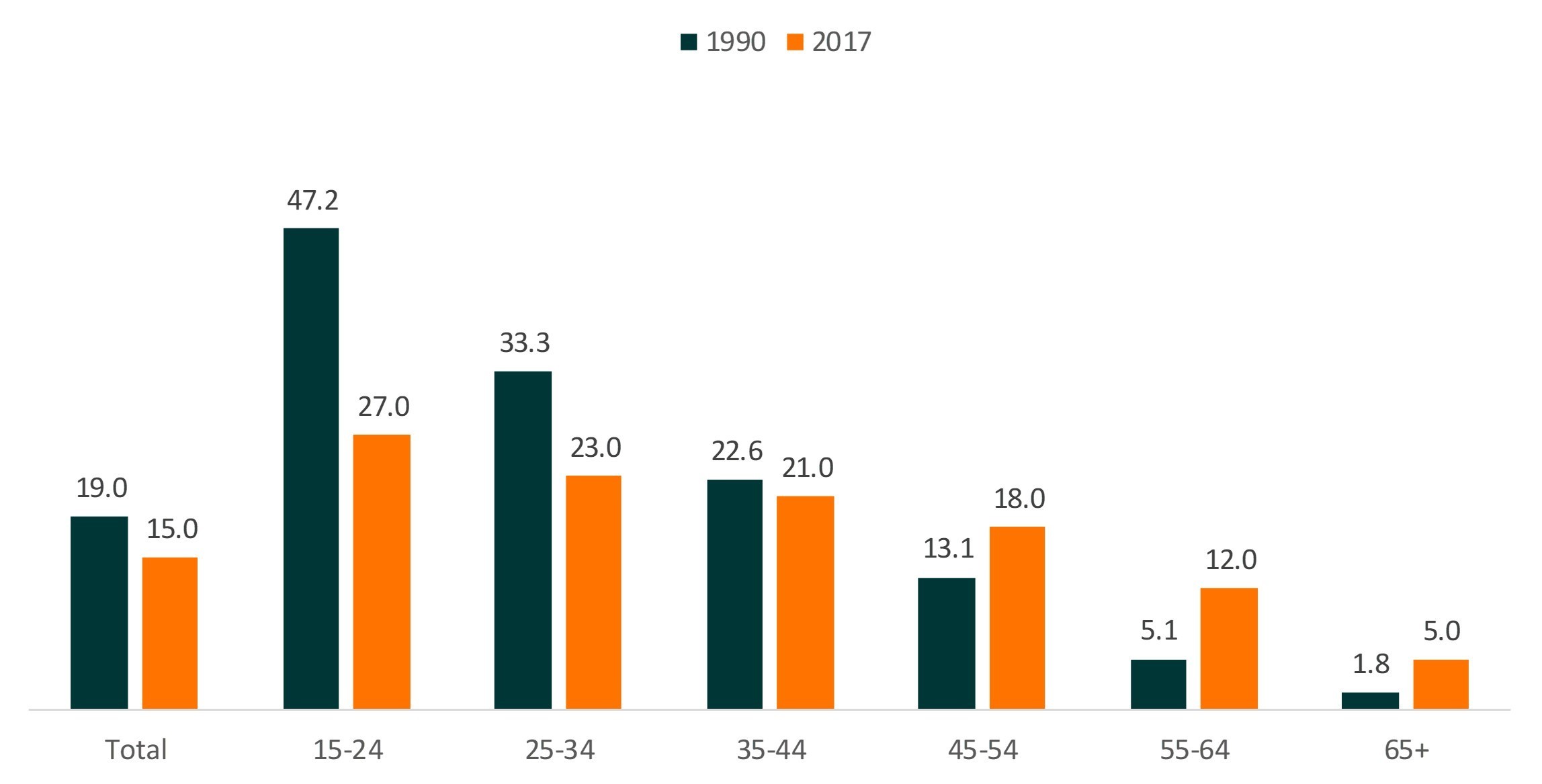
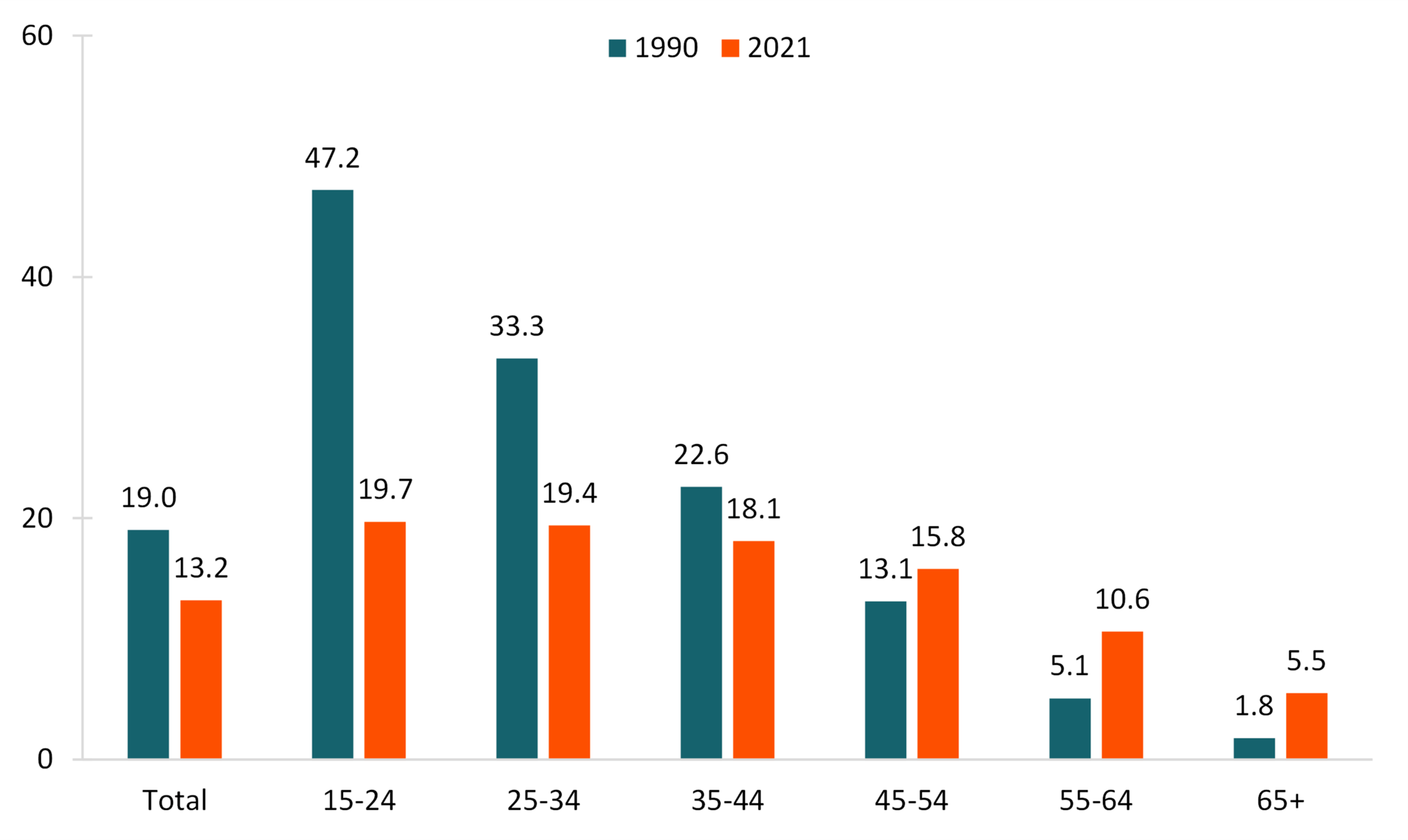
A 1990 divorce reflects the legal, social, and demographic realities of marital dissolution at the turn of the decade, a period characterized by shifting societal norms around gender roles, the widespread adoption of no-fault divorce laws, and distinct statistical patterns in family law practice.
The legal dissolution of marriage in 1990 occupied a unique transitional phase in modern jurisprudence. Moving away from the heavily contested, fault-based litigation models of earlier decades, family law courts by 1990 operated primarily under the framework of no-fault divorce statutes across most jurisdictions. This structural shift fundamentally altered how couples approached asset division, child custody, and financial support obligations, establishing precedents that continue to influence contemporary marital dissolution procedures.
Historical and Legal Framework of Divorce in 1990
By 1990, the legal landscape of marriage dissolution had been reshaped by two decades of legislative reform. California pioneered no-fault divorce in 1969, and by the end of the 1980s, every U.S. state had adopted some form of no-fault legislation. In 1990, a petitioner no longer needed to prove adultery, physical cruelty, or abandonment to secure a legal separation of assets and status. Instead, irreconcilable differences or the irretrievable breakdown of the marriage served as the primary legal grounds.
This transition reduced the adversarial nature of court proceedings, though complex financial disputes and custody battles remained common. Attorneys specializing in family law during this era focused heavily on equitable distribution statutes, which had largely replaced traditional common law property rules in non-community property states. Courts evaluated contributions made by both spouses—including homemaking and childcare—when dividing marital estates, marking a significant departure from older property regimes that favored the wage-earning spouse.
Demographic Trends and Statistical Context
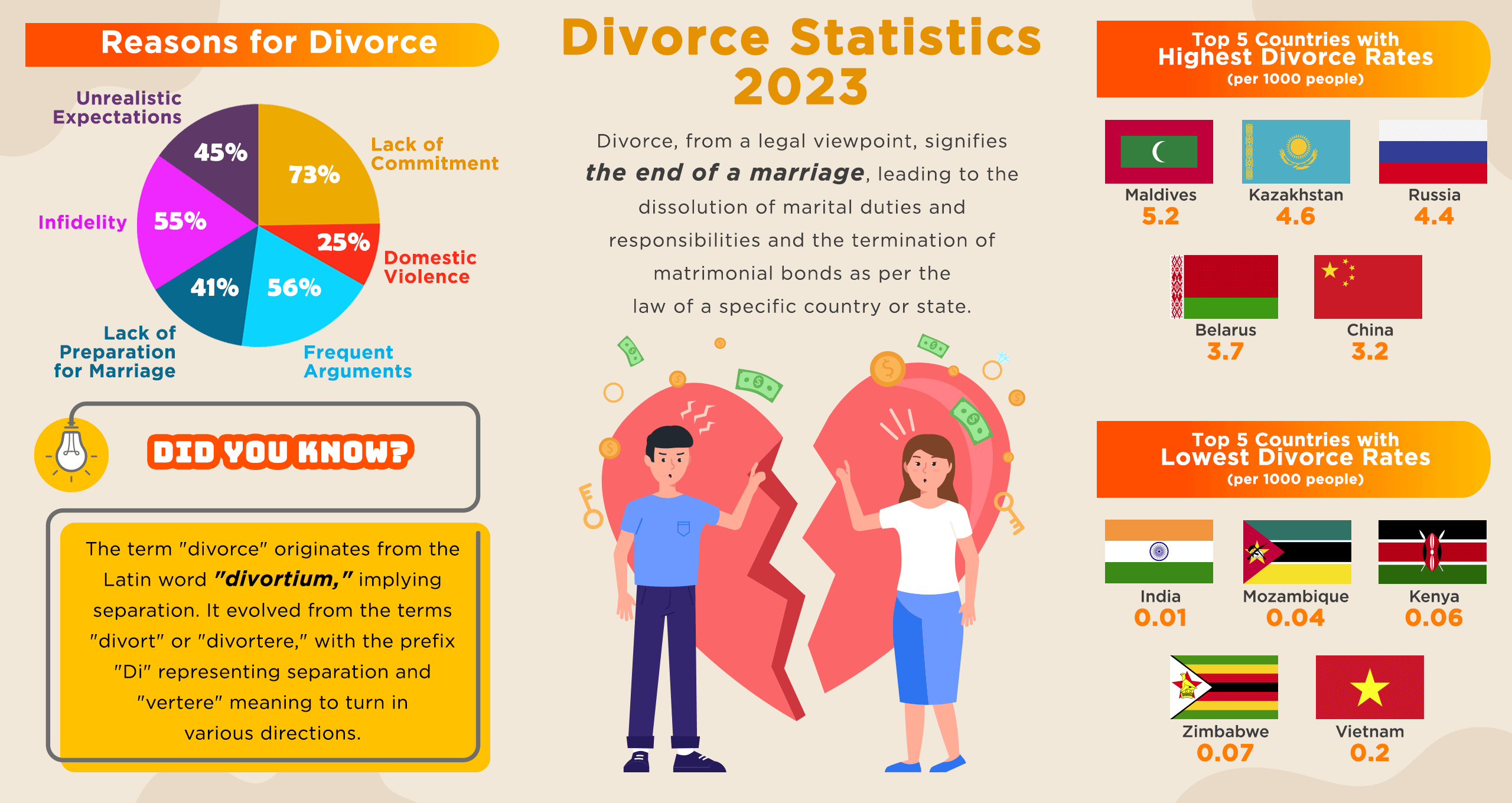
Statistical tracking by agencies such as the National Center for Health Statistics (NCHS) during this era provides a clear picture of marriage and dissolution rates. Around 1990, the U.S. divorce rate hovered near historical highs established in the late 1970s and early 1980s, stabilizing at approximately 4.7 divorces per 1,000 total population.
Several demographic variables influenced marital stability during this period:
- Age at Marriage: Individuals who married in their teens or early twenties experienced significantly higher dissolution rates compared to those marrying after age twenty-five.
- Economic Factors: Dual-income households altered financial interdependency, granting individuals greater financial independence to exit unhappy or unstable marriages.
- Second Marriages: Dissolution rates for second and subsequent marriages consistently outpaced those for first marriages throughout the late 20th century.
- Socioeconomic Status: Educational attainment and household income levels correlated inversely with the likelihood of marital disruption.
Financial Disentanglement and Property Division
Dividing marital assets in 1990 required navigating complex valuation methods for real estate, retirement accounts, and closely held businesses. Unlike earlier decades where tangible personal property dominated household estates, the 1990 divorce involved increasingly sophisticated financial instruments.
Pension plans and emerging defined-contribution accounts, such as 401(k) plans, became central points of negotiation. The Retirement Equity Act of 1984 had established Qualified Domestic Relations Orders (QDROs), which by 1990 were standard legal mechanisms used to divide retirement benefits without incurring immediate tax penalties or early withdrawal fees. Real estate valuations also required specialized appraisals, particularly as suburban housing markets fluctuated during the early 1990s economic recession.
| Financial Asset Category | Valuation Method in 1990 | Primary Legal Mechanism |
|---|---|---|
| Real Estate | Independent professional appraisal | Deed transfer or forced market sale |
| Retirement Accounts | Actuarial present value / Account balance | Qualified Domestic Relations Order (QDRO) |
| Closely Held Businesses | Income, market, or asset-based valuation | Buyout agreement or asset liquidation |
| Personal Property | Thrift value or replacement cost | Mutual inventory and physical partition |
Child Custody and Support Standards
Child custody determinations in 1990 marked a definitive shift toward the "best interests of the child" standard, moving away from the traditional "tender years doctrine" which presumptively favored maternal custody for young children. Joint custody arrangements gained legal recognition and popularity, encouraging shared parental responsibility even when marital bonds dissolved.
Child support guidelines underwent a federal standardization process during this era. The Family Support Act of 1988 mandated that states establish numerical guidelines for calculating child support awards by 1989, meaning that courts in 1990 relied heavily on standardized formulas based on parental income percentages rather than judicial discretion alone. This standardization aimed to increase award consistency and ensure adequate financial support for dependent children.
Procedural Steps in a 1990 Court Proceeding
Navigating the court system in 1990 involved a structured, paper-based administrative process that contrasts sharply with today's electronic filing systems. Litigants typically followed a multi-stage procedure to achieve a final decree.
- Filing the Petition: One spouse filed a petition for dissolution of marriage in the local domestic relations court, citing statutory grounds such as irreconcilable differences.
- Service of Process: A formal summons and copy of the petition were served upon the respondent spouse, often via a professional process server or sheriff.
- Financial Disclosure: Both parties completed mandatory financial affidavits disclosing income, debts, assets, and monthly expenses.
- Temporary Orders: Hearings were scheduled to resolve immediate concerns regarding temporary child custody, spousal support, and exclusive use of the marital residence during litigation.
- Negotiation and Settlement: Attorneys negotiated property settlement agreements. If agreements could not be reached, the case proceeded to a bench trial before a judge.
- Final Decree: The court reviewed and incorporated the settlement agreement or trial judgment into a final decree of divorce, officially terminating the marriage.
Long-term Legacy and Historical Impact
The structural frameworks established around 1990 laid the groundwork for modern family law. The normalization of no-fault proceedings, the institutionalization of equitable distribution, and the reliance on standardized child support formulas removed much of the arbitrary nature from marital dissolutions. These legal mechanics balanced the rights of both parties while attempting to mitigate the socioeconomic shocks associated with family restructuring. Examining this period provides essential context for understanding contemporary divorce statutes, mediation practices, and family court administration.
Frequently Asked Questions
What were the primary legal grounds for a divorce in 1990?
By 1990, nearly all jurisdictions permitted no-fault divorces grounded in "irreconcilable differences" or the "irretrievable breakdown" of the marriage. Traditional fault-based grounds such as adultery, cruelty, or desertion were largely supplementary or superseded, though fault could still occasionally influence alimony or property division awards in specific states.
How were retirement accounts handled during a 1990 divorce?
Retirement assets accumulated during the marriage were treated as marital property subject to equitable distribution. Attorneys utilized Qualified Domestic Relations Orders (QDROs) to divide pension plans and 401(k) accounts legally between spouses without triggering premature tax penalties.
Did courts favor mothers for child custody in 1990?
While maternal preference historically dominated family law, courts in 1990 firmly adhered to the "best interests of the child" standard. Joint legal custody and shared parenting arrangements grew increasingly common as courts recognized the value of continued involvement from both parents.
How was child support calculated during this period?
Child support calculations in 1990 were standardized following the implementation of the Family Support Act of 1988. State courts utilized mandatory mathematical guidelines based on gross income percentages of the non-custodial parent and the number of children requiring support.
What role did mediation play in 1990 divorce proceedings?
Court-ordered or voluntary mediation began gaining traction around 1990 as an alternative to prolonged litigation. While not as universally mandated as it is in many jurisdictions today, mediation helped couples resolve disputes over property division and custody outside the courtroom.