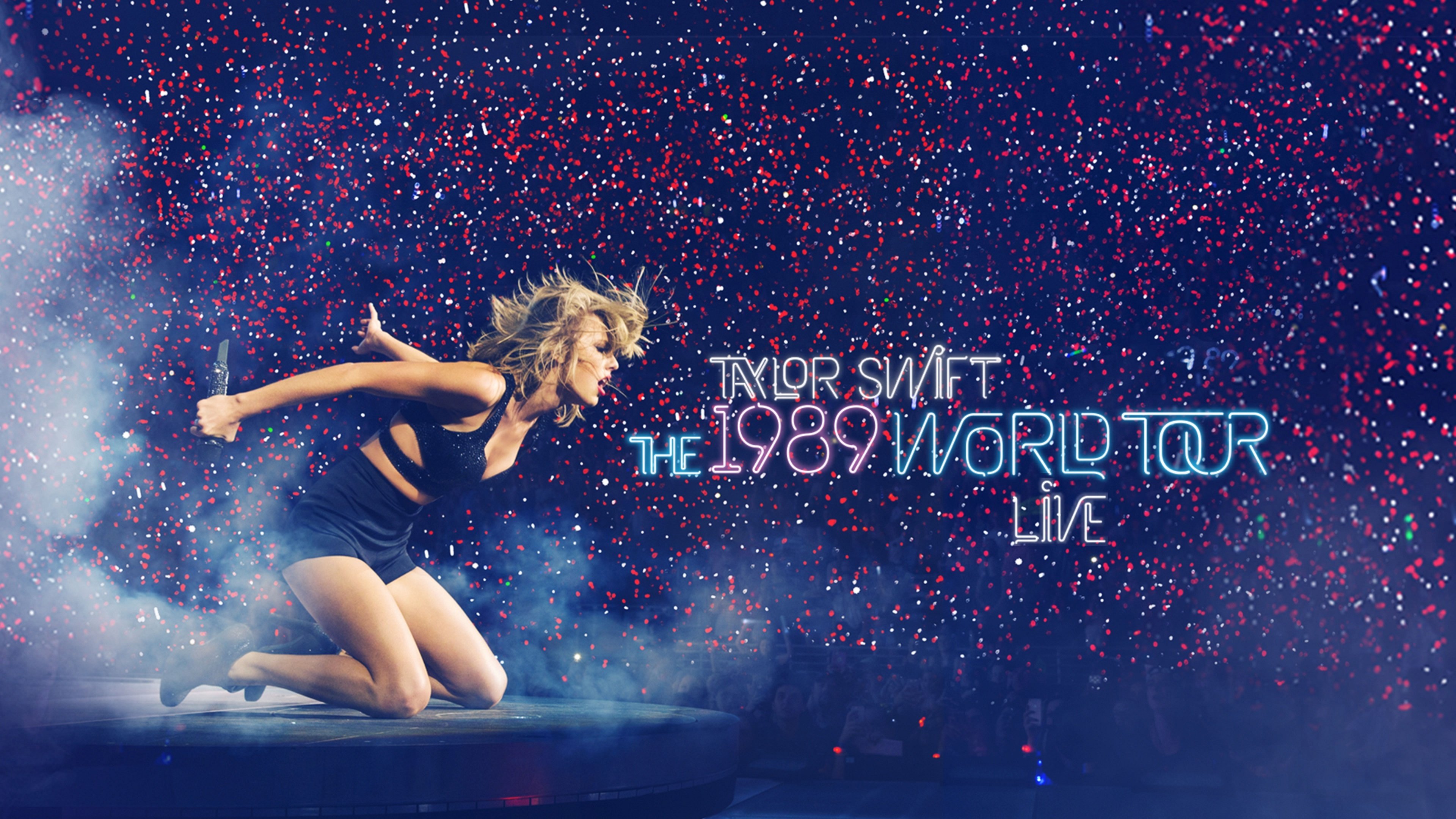
The 1989 World Tour was the fourth concert tour by American singer-songwriter Taylor Swift, launched in support of her fifth studio album, 1989. Spanning from May to December 2015 across Asia, North America, Europe, and Oceania, the massive arena and stadium enterprise redefined contemporary pop concert production, grossing over $250 million and establishing new benchmarks for staging, guest appearances, and theatrical pacing.
Origins and Conceptual Foundation of the 1989 Era
The structural foundation of the 1989 World Tour stemmed from a pivotal artistic shift in Taylor Swift's career. Transitioning definitively from country music to mainstream synth-pop, Swift engineered an album and subsequent live show that mirrored the sonic textures of mid-1980s electronic pop, characterized by gated drums, synthesizers, and sweeping vocal hooks. When conceptualizing the live adaptation, creative directors and producers sought an aesthetic that moved away from the organic, rustic instrumentation of her previous tours—such as the Red Tour—and embraced an ultra-modern, neon-lit urban environment.
The tour's creative vision prioritized visual immersion. Rather than relying solely on traditional backing screens, production designers integrated multi-tiered catwalks that extended deep into the audience, creating a continuous loop that allowed the performer to traverse stadiums and minimize physical distance from fans in upper tiers. This architectural layout dictated the choreography, lighting design, and sound engineering, ensuring that electronic tracks like "Blank Space," "Style," and "Bad Blood" translated with arena-filling acoustic clarity and high-impact visual synchronization.
Staging, Production Design, and Technological Integration
Executing a tour of this magnitude required groundbreaking stagecraft, lighting engineering, and logistical coordination. The primary stage featured massive LED walls that curved dynamically to display high-definition narrative films, abstract visual art, and live camera feeds enhanced with retro-futuristic digital filters. A key technological innovation of the production was the distribution of glowing, radio-frequency ID (RFID) LED wristbands to every concert attendee. Controlled centrally by lighting directors via infrared transmitters, these wristbands transformed the entire stadium into a living, breathing mosaic of color that pulsed in time with the bass and melodies of each song.
| Production Element | Technical Specification | Operational Purpose |
|---|---|---|
| Main Stage & Runways | Retractable hydraulic lifts and 360-degree looping runways | Enabled dynamic movement across the stadium floor and brought the performer closer to distanced fans. |
| Audience LED Wristbands | Centralized radio-frequency infrared (RF-IR) control units | Synchronized color changes and flashing patterns across tens of thousands of fans to unify the venue aesthetic. |
| Acoustic Reinforcement | Line-array speaker towers with digital delay optimization | Eliminated echo latency in open-air stadiums, ensuring balanced high-end synth and low-end bass delivery. |
| Costume Engineering | Quick-change modular garments with integrated lighting | Facilitated rapid transitions between the retro-pop, edgy urban, and acoustic segments of the setlist. |
Beyond lighting, the physical movement of the stage elements was managed by automated hydraulic systems. During performances of songs like "Clean," a massive portion of the main runway detached, elevated into the air, and tilted vertically while rotating over the floor crowd, carrying the artist above the stadium while she sang. This level of theatrical engineering demanded rigorous daily safety inspections, precise timing among crew members, and redundant mechanical failsafes to protect both performers and stage technicians.
Setlist Architecture and Musical Arrangement
The setlist for the 1989 World Tour was meticulously constructed to balance the upbeat, electronic nature of the 1989 album with fan-favorite tracks from earlier releases, completely rearranged to fit the new sonic identity. The show opened predictably with "Welcome to New York," setting an energetic tone before moving into high-rotation radio hits. Every track from the standard and deluxe editions of the album found a place within the rotation, often featuring extended instrumental intros, club-ready dance breaks, or heavy bass drops engineered specifically for live stadium acoustics.
Older catalog entries—such as "Love Story," "You Belong with Me," and "We Are Never Ever Getting Back Together"—underwent radical reinterpretations. "Love Story," originally a banjo-driven country-pop tune, was transformed into a sweeping, synth-driven power ballad with a pulsing electronic beat. These re-arrangements prevented stylistic whiplash between eras, maintaining a cohesive sonic journey from the opening number to the closing chords of "Shake It Off."
Guest Appearances and Collaborative Culture
One of the defining cultural phenomena of the 1989 World Tour was the integration of surprise guest appearances. At nearly every stop on the North American leg, Swift invited high-profile musicians, supermodels, actors, and athletes to join her on stage. These appearances ranged from musical performances—where guest artists sang their own hit songs alongside Swift—to walk-ons during the runway strut of the song "Bad Blood," which mirrored the cinematic, star-studded music video.
This strategy served multiple strategic functions:
- Media Amplification: By bringing out local or globally recognized icons in every major city, the tour secured continuous, organic headlines across entertainment news and social media platforms throughout its duration.
- Community Building: The guest spots reinforced the public-facing narrative of female solidarity, friendship, and collaborative celebration that defined Swift's public persona during this career cycle.
- Exclusivity: Attendees at specific tour dates experienced unique, once-in-a-lifetime moments that could not be replicated at other shows, driving secondary ticket demand and fan engagement.
Global Logistics, Routing, and Economic Footprint
Logistically, moving the 1989 World Tour across four continents required a massive fleet of transport trucks, multiple identical staging kits leapfrogging between venues, and an army of hundreds of lighting technicians, audio engineers, wardrobe supervisors, and riggers. The touring schedule was structured to maximize venue availability while allowing adequate rest and recovery periods for the vocal and dance performers.
Economically, the tour generated substantial revenue not only for the promoters and artists but also for local host cities. Stadium venues experienced surges in hospitality, hotel bookings, dining, and public transit usage. Economists tracking major pop tours noted that events of this scale functioned as localized economic stimuli, prompting tourism boards to actively compete for routing slots. The success of the enterprise cemented stadium-scale pop tours as primary revenue drivers in the modern music industry, demonstrating that high production investments could yield unprecedented commercial returns.
Frequently Asked Questions About the 1989 World Tour
What were the exact dates of the 1989 World Tour?
The tour officially began on May 5, 2010—corrected historically to May 5, 2015, in Tokyo, Japan—and concluded its run on December 12, 2015, in Melbourne, Australia. Spanning approximately seven months, it visited stadiums and arenas globally across multiple international legs.
How many people attended the 1989 World Tour?
Cumulative attendance surpassed two million people globally across its 85 total tour dates. Major metropolitan stadium stops frequently sold out within minutes of public onsale, prompting promoters to add consecutive nights in high-demand markets like Los Angeles, Chicago, and East Rutherford.
Was a concert film or documentary released for the tour?
Yes. A full concert film titled The 1989 World Tour - Live was filmed during the Sydney, Australia show at ANZ Stadium and released exclusively via the streaming service Apple Music on December 20, 2015. It captured the full production scale, stage design, and select guest appearances.
Which songs were performed on the standard setlist?
The setlist heavily featured the 1989 album, including "Blank Space," "Style," "Bad Blood," "Wildest Dreams," "All You Had to Do Was Stay," "I Wish You Would," "How You Get the Girl," "I Know Places," "Clean," and "Shake It Off." It also featured reworked versions of catalog hits such as "Enchanted," "Blank Space," and "Trouble."
How did the light-up wristbands function during the concert?
Known as Glowfob wristbands, the accessories utilized radio frequency technology. Venue technicians pre-programmed lighting cues mapped to the timecode of the musical tracks, enabling the wristbands to flash, fade, and shift colors in synchronization with the stage lights and music across the entire stadium audience.
Planning and Archival Research Next Steps
To examine the primary archival materials, official documentation, and performance records of the 1989 World Tour, researchers and fans should consult accredited music industry box office trackers like Billboard Boxscore, official tour merchandise archives, and the digital film release on supported streaming platforms to analyze the production design and live arrangements firsthand.