The year 1982 remains a definitive high-water mark in the history of horror cinema, characterized by a unique intersection of groundbreaking practical special effects, thematic innovation, and the transition from suspense-driven narratives to visceral, creature-focused terror. This period redefined the industry's technical standards and established visual tropes that continue to influence modern film production nearly half a century later.
The Technical Renaissance of Practical Effects
Before the proliferation of computer-generated imagery (CGI), 1982 stood as the pinnacle of practical, tactile special effects. Filmmakers relied on latex, animatronics, stop-motion animation, and complex hydraulic systems to create monsters that felt physically present on set.
This focus on physical reality had a profound impact on audience engagement. Because the effects were tangible, actors could interact with them directly, leading to more naturalistic performances that grounded the supernatural elements in a recognizable reality. The technical complexity of these productions required massive pre-production planning, where artists like Rob Bottin and Stan Winston pushed the boundaries of what could be achieved with rubber and blood. The result was a texture of horror—viscous, heavy, and undeniably "real"—that remains a key reference point for technical directors and horror enthusiasts in 2026.
Iconic Releases and Their Lasting Influence
The cinematic output of 1982 was dominated by several major studio releases that pushed the genre beyond the limitations of the low-budget "slasher" wave that defined the late 1970s. These films expanded the scope of what horror could be, incorporating science fiction, psychological trauma, and body horror into mainstream narratives.
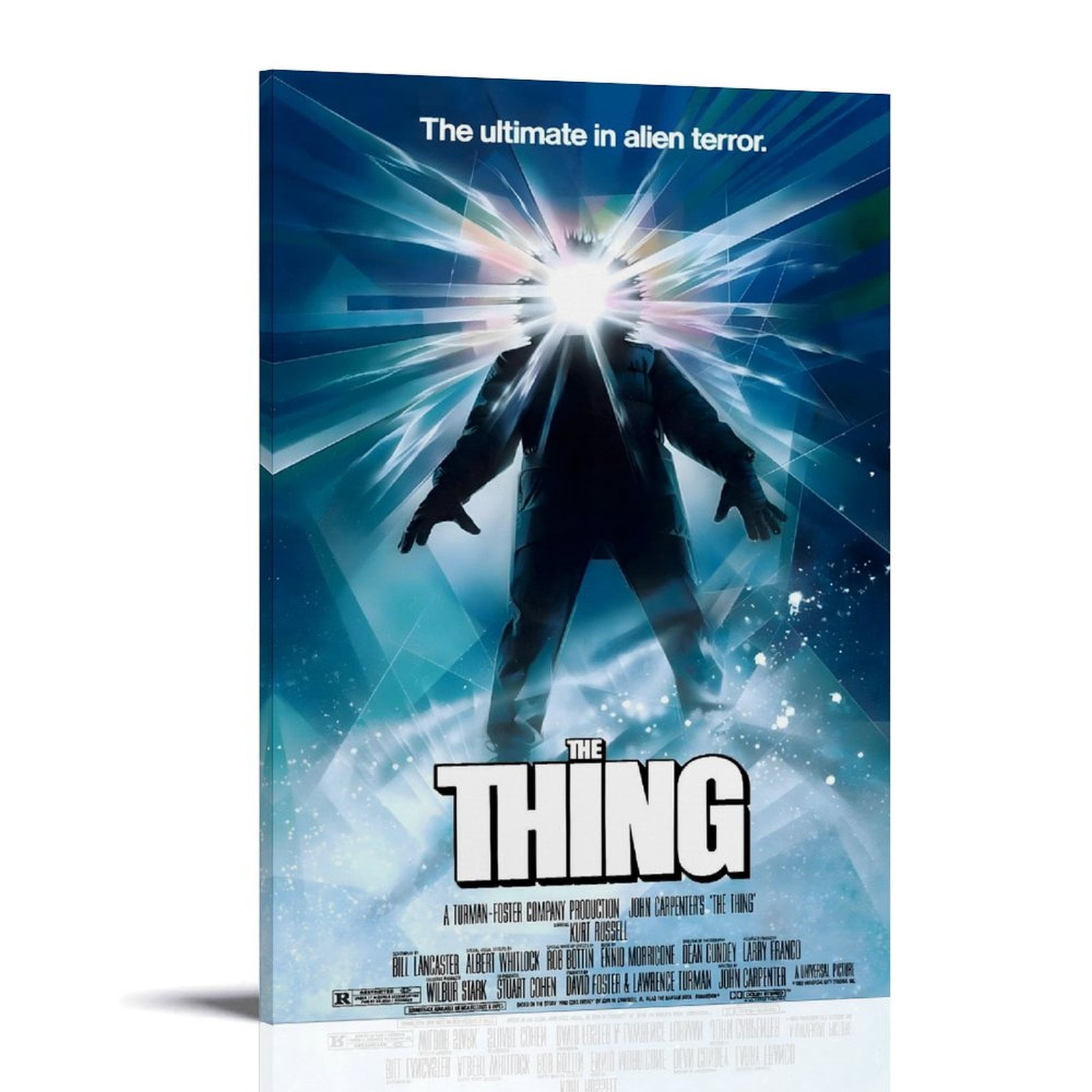
John Carpenter’s The Thing
Often cited as the technical masterpiece of the year, The Thing utilized revolutionary creature effects to depict a shape-shifting alien entity. Its focus on paranoia and isolation among a research team in Antarctica remains a masterclass in tension. The film’s failure to find a massive commercial audience upon its initial release highlights the volatility of audience expectations at the time, yet its subsequent critical reappraisal confirms it as the gold standard for creature design.
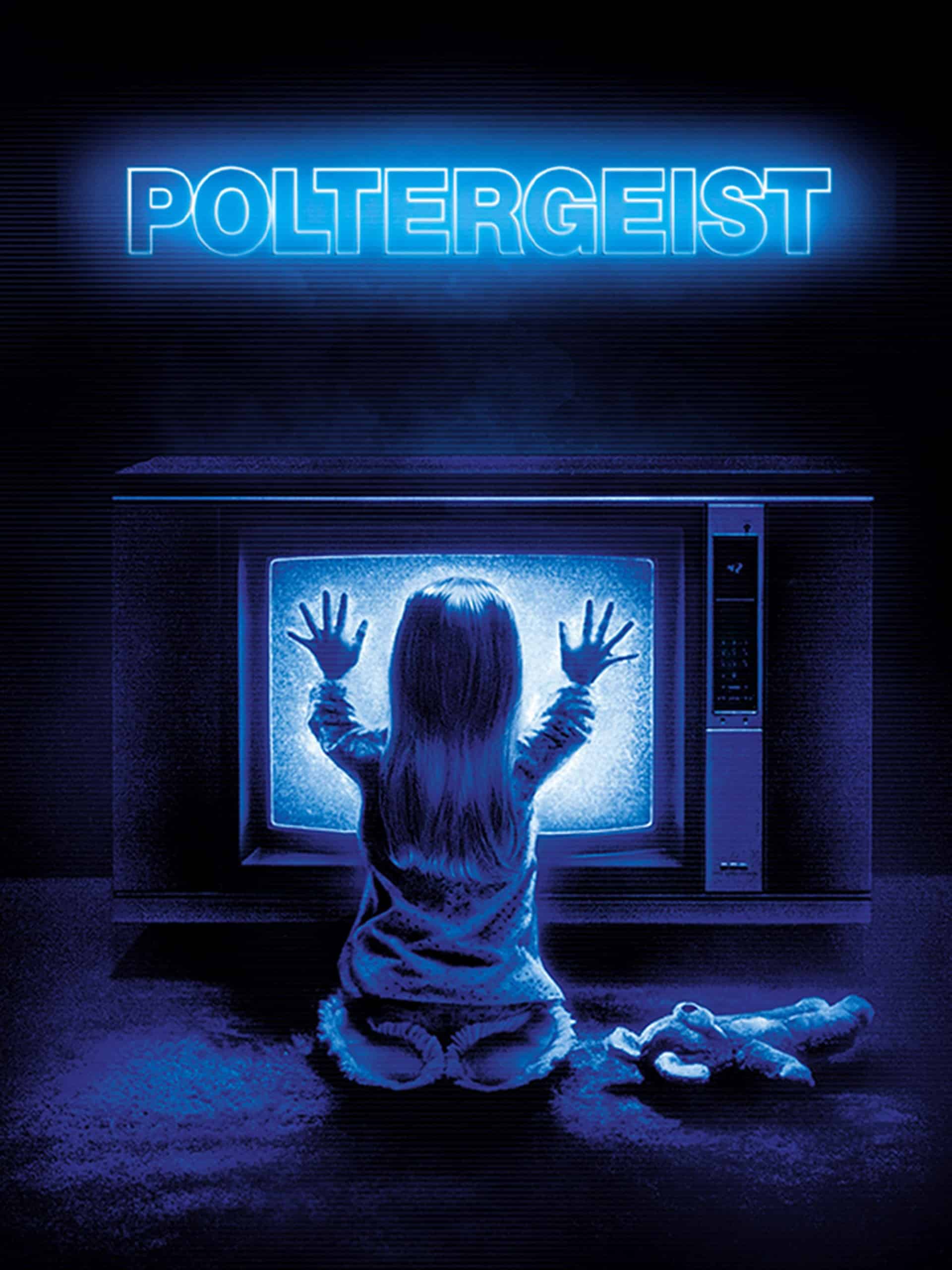
Poltergeist
Directed by Tobe Hooper and produced by Steven Spielberg, Poltergeist bridged the gap between suburban family drama and supernatural terror. It demonstrated that horror did not require a distant, exotic location to be effective; rather, it could weaponize the domestic comfort of the American middle-class home. The technical execution—specifically the blending of optical effects with practical puppetry—created a sense of "technicolor" horror that was both accessible and deeply unsettling.
Creepshow
An anthology film directed by George A. Romero, Creepshow served as a conscious homage to the EC Comics of the 1950s. By adopting a stylized, comic-book aesthetic, the production team used vibrant lighting and exaggerated framing to explore a different side of the genre. This film proved that horror could be fun, campy, and rhythmically paced, providing a necessary counterpoint to the nihilism seen in other 1982 releases.
Comparing the Sub-Genres of 1982
The following table outlines the diverse approaches to horror seen throughout this specific year, highlighting how different production priorities shaped the final output.
| Film Title | Primary Sub-Genre | Key Technical Focus | Narrative Tone |
|---|---|---|---|
| The Thing | Science Fiction Horror | Animatronics & Latex | Paranoid / Bleak |
| Poltergeist | Supernatural | Optical Compositing | Dread-infused / Kinetic |
| Creepshow | Anthology / Comedy | Stylized Lighting | Satirical / Nostalgic |
| Friday the 13th Part 3 | Slasher | 3D Stereoscopy | Formulaic / Suspense |
| The Slumber Party Massacre | Slasher | Practical Blood Effects | Meta-textual / Satiric |
The Industry Shift: From Suspense to Visceral Impact
The transition observed in 1982 was marked by a shift in how directors approached the "scare." In the 1970s, the horror genre often favored "off-screen" threats, relying on the audience's imagination to build terror. By 1982, the trend shifted toward showing the horror in explicit, meticulous detail.
This shift was largely driven by the advancement of the film industry’s ability to manufacture convincing prosthetics. Producers and studios, recognizing the financial potential of horror franchises, began allocating larger portions of their budgets to the "monster reveal." This move toward spectacle necessitated a change in cinematography; cameras began to linger on wounds, transformations, and creatures, moving away from the quick-cut editing styles that had previously disguised lower-budget limitations.
Challenges in Preserving the 1982 Legacy
For archivists, researchers, and fans in 2026, the primary challenge regarding these films involves the degradation of original master elements. Many of these productions were shot on celluloid that requires specific climate-controlled environments for long-term preservation.
Furthermore, the transition to high-definition and 4K restoration presents a unique paradox. Because these effects were designed to be viewed on lower-resolution cathode-ray tube (CRT) monitors or within the specific grain of a 35mm film print, modern digital upscaling can sometimes reveal the seams, strings, and textures that were meant to be hidden. This has sparked a debate among film purists regarding the balance between digital clarity and the original intended "mystique" of the practical effects.
Essential Viewing for Genre Analysis
If you are analyzing 1982 horror for production, research, or historical context, prioritize the following steps to maximize your understanding:
- Source the Original Aspect Ratio: Always verify that you are viewing the film in its original theatrical aspect ratio. Horror, particularly in 1982, utilized anamorphic lenses to capture wide, isolating frames that are compromised by "pan-and-scan" television crops.
- Review the Commentary Tracks: Many 1982 classics were among the first to feature extensive audio commentaries during the early DVD and LaserDisc eras. These tracks often contain the only verified accounts of how specific technical hurdles—such as fire-proofing an animatronic—were overcome.
- Cross-Reference with Trade Publications: Look into archives of Fangoria or Cinefex from 1982. These magazines provided the most accurate technical breakdowns of the filming processes, often featuring interviews with the actual technicians rather than just the cast.
Common Misconceptions Regarding the Year
A frequent error in modern discourse is the assumption that 1982 was exclusively a year of "monsters." While that is a primary feature, the year also contained significant experimental works that blended genres. For instance, the year saw the release of films that utilized the emerging popularity of music videos and cable television to influence pacing. It is also important to note that the "slasher" format, while prominent, was beginning to face industry fatigue by the end of the year, leading many directors to attempt more psychological or ambitious supernatural narratives to keep the genre fresh.
Next Steps for Enthusiasts and Researchers
To deepen your engagement with the horror cinema of this period, consider conducting a structural analysis of the "reveal" moments in the films mentioned above. By timing the duration of creature reveals and the proximity of the camera to the practical effects, you can begin to quantify the "intensity" levels of 1982-era cinema. Those interested in the business side should review the box office reporting from the 1982 season, which provides a fascinating look at the risk-reward profiles of studios that were willing to fund high-concept horror during a time of economic transition. For archival purposes, consult your local library’s film department or online university archives to locate original production notes, which are often the most accurate source of information regarding the specific rubber compounds and mechanical processes used during these landmark productions.