1980s rock refers to the diverse landscape of rock music produced between 1980 and 1989, characterized by the rise of MTV, the emergence of subgenres like hair metal and synth-rock, and the transition from analog to digital recording technologies. It serves as a pivotal bridge between the classic rock foundations of the 1970s and the alternative rock explosion of the 1990s.
The Technological Catalyst: MTV and the Visual Era
The most significant shift in the landscape of 1980s rock was the debut of Music Television (MTV) in August 1981. Before this period, rock music was primarily consumed through radio airplay and physical album purchases. MTV fundamentally altered the marketing and creation of rock music by emphasizing visual identity alongside auditory performance.
For many rock acts of the decade, the music video became an essential promotional tool rather than an afterthought. This era saw bands investing heavily in high-production music videos, which allowed for visual storytelling that complemented the anthemic nature of the music. The accessibility of these videos meant that a band’s fashion, stage presence, and aesthetic were as critical to their commercial success as their songwriting capabilities. This focus on image was a key driver in the meteoric rise of the glam metal scene, where visual excess mirrored the grand, bombastic sound of the music.
Defining Subgenres of the Decade
The 1980s did not represent a single sound, but rather a fragmentation into distinct, often contrasting, styles. Understanding the decade requires acknowledging the friction and intersection between these varied approaches to rock.
Glam Metal (Hair Metal)
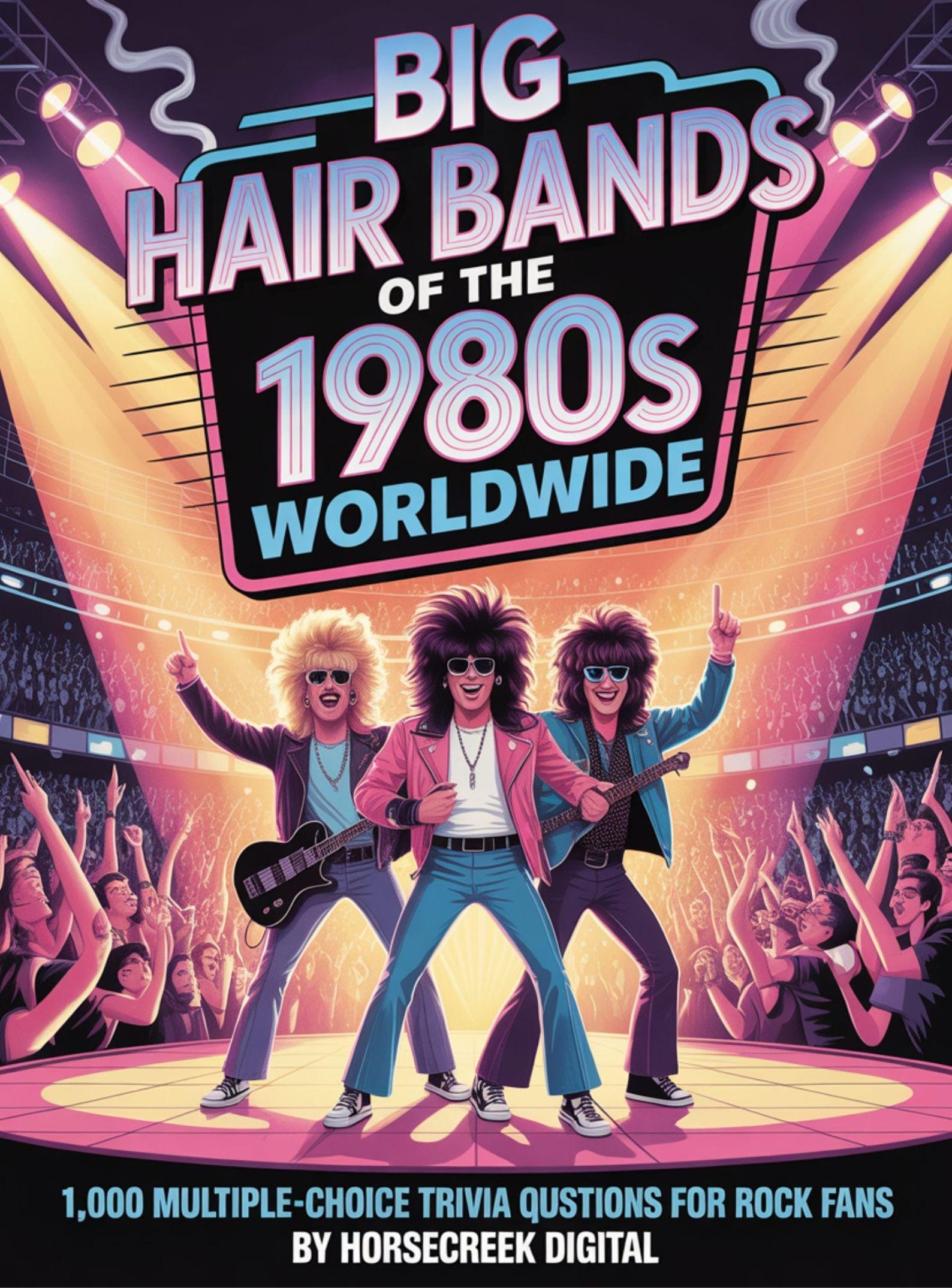
Emerging from the Sunset Strip in Los Angeles, glam metal dominated the charts for much of the decade. Defined by melodic hooks, power ballads, and a flamboyant aesthetic, bands like Mötley Crüe, Poison, and Guns N' Roses transformed the hard rock sound into a massive commercial powerhouse. The technical proficiency in guitar playing, popularized by virtuosos like Eddie Van Halen, also reached its peak during this time.
New Wave and Synth-Rock
As rock bands began experimenting with the latest electronic advancements, a significant shift occurred toward integrating synthesizers and drum machines. Artists such as The Police and later iterations of classic rock acts began adopting these textures, leading to a polished, atmospheric sound that dominated late-decade airwaves. This movement bridged the gap between traditional rock instrumentation and the burgeoning electronic music scene.
College Rock and the Underground
While stadium-filling acts captured the mainstream, a vibrant underground scene flourished on university campuses across North America. Often labeled "college rock," this precursor to alternative rock—represented by bands like R.E.M. and The Replacements—prioritized raw songwriting, independent distribution, and a rejection of the high-gloss aesthetic found in glam metal. This faction focused on personal expression over corporate appeal, setting the stage for the massive shift in rock music that would occur in the early 1990s.
Structural Comparison of 1980s Rock Movements
| Subgenre | Primary Focus | Key Instrumentation | Representative Acts |
|---|---|---|---|
| Glam Metal | Visual impact, hooks | Distorted guitars, big drums | Mötley Crüe, Ratt |
| Synth-Rock | Texture, production | Synthesizers, drum machines | The Cars, Duran Duran |
| College Rock | Lyricism, authenticity | Clean guitar, bass/drums | R.E.M., The Replacements |
| Hard Rock | Blues-based power | Electric guitar solos | AC/DC, Aerosmith |
The Influence of Production Technology
The transition from analog tape to digital recording changed how rock music sounded by the late 1980s. The introduction of digital reverb units and sophisticated mixing consoles allowed producers to create cleaner, more expansive sounds. While purists often argue that this removed some of the "warmth" found in earlier analog recordings, it provided a new level of clarity that defined the "big" sound of late-80s stadium anthems.
Furthermore, the perfection of the compact disc (CD) format provided a new, higher-fidelity medium for rock listeners. As CDs became more prevalent toward the latter half of the decade, producers were able to push the dynamic range of recordings, resulting in the polished, high-frequency-heavy production that became a hallmark of the era’s commercial rock success.
Navigating the Legacy in 2026
In 2026, the legacy of 1980s rock remains firmly embedded in modern music consumption and production. The decade is frequently revisited through high-quality reissues, digital remastering, and the enduring popularity of vinyl records. For fans and collectors looking to explore or verify the history of this era, the following steps are recommended:
- Verify Source Material: Utilize official band archives or reputable music history databases like Discogs to identify original release years and track listings, as re-releases often include bonus material not present on the 1980s original pressings.
- Contextualize via Documentation: Consult contemporary music journalism from the 1980s (such as Rolling Stone or Creem magazine archives) to understand how these bands were perceived by critics at the time, rather than relying solely on retrospective sentiment.
- Explore Live Archival Footage: Much of the essence of 1980s rock was tied to the live performance experience. Platforms holding historical broadcast archives are the best sources for verifying the technical performance quality of iconic bands during their peak years.
Common Questions About the Era
Was 1980s rock exclusively dominated by glam metal?
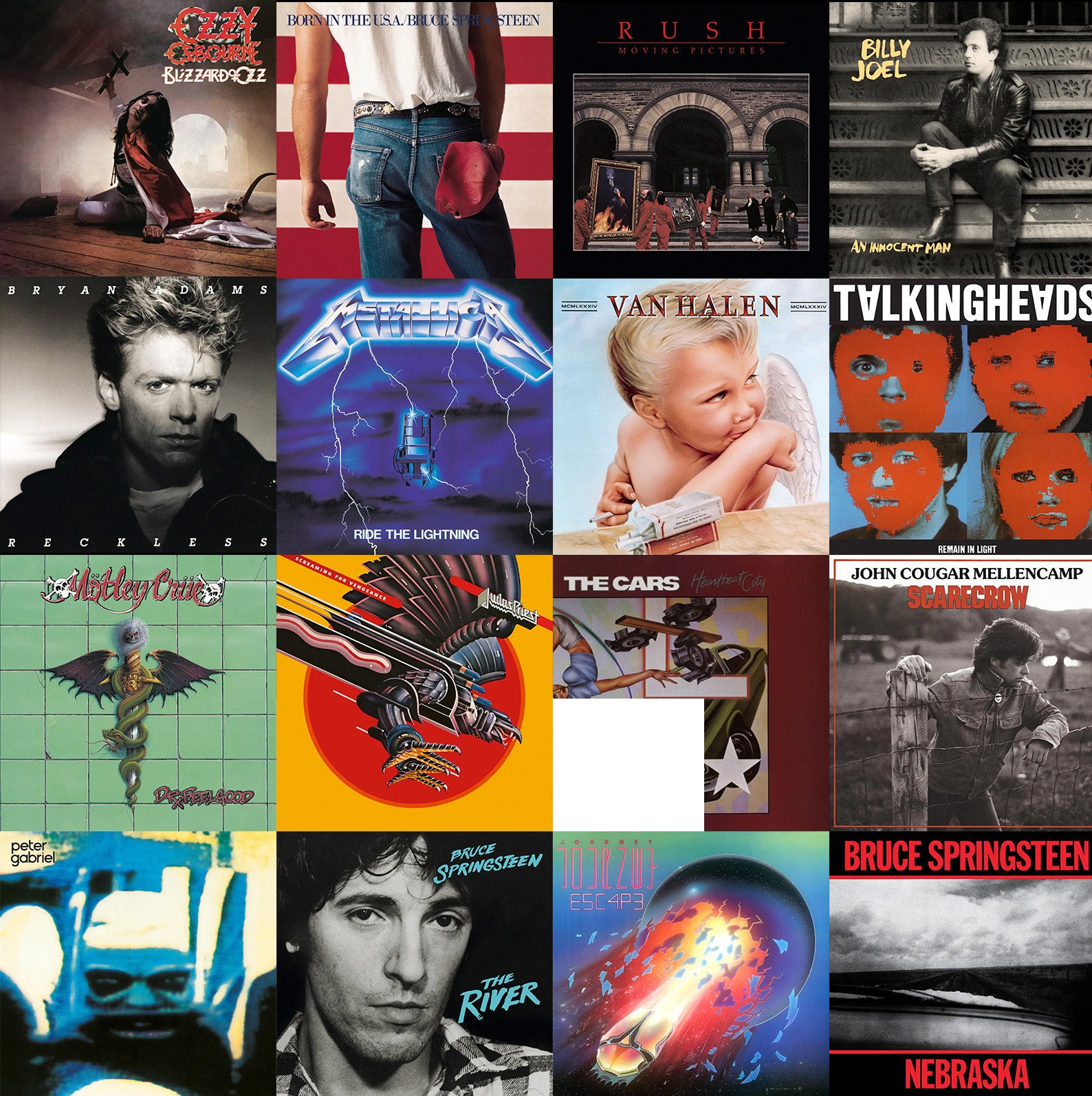
No. While glam metal, often referred to as "hair metal," was the most commercially visible and media-heavy segment of the decade, it existed alongside a diverse array of other movements. The 1980s were also the formative era for genres like heartland rock (Bruce Springsteen, John Mellencamp) and the early roots of the alternative rock that would later define the 1990s.
How did the shift to digital recording affect the sound of rock?
The shift toward digital recording and the use of digital effects units in the 1980s resulted in a cleaner, more precise, and often "brighter" sound. Producers began favoring gated reverb on drums and high-clarity synthesizer textures, which created a more polished, synthetic aesthetic compared to the raw, warm, and often saturated sound of 1970s analog rock productions.
What is the significance of the "Power Ballad" in this era?
The power ballad served as a critical marketing bridge for heavy metal and hard rock bands. By slowing down the tempo and incorporating more melodic, piano-driven sections, bands were able to secure airplay on Top 40 radio stations, significantly broadening their commercial reach beyond their traditional rock fan base.
Did the decline of 1980s rock happen suddenly?
The transition was gradual but marked by a shift in cultural taste. By 1989 and 1990, the exhaustion of the glam metal formula and the increasing desire for more grounded, "authentic" sounds led to the rise of the Seattle-based grunge movement. This did not erase 1980s rock, but it did signal a major pivot in the music industry's signing priorities and audience focus.
How can one best distinguish between subgenres of this period?
Focus on the primary instrumentation and the intent of the production. Glam metal prioritizes the electric guitar solo and vocal melody; synth-rock emphasizes atmospheric textures; and college rock focuses on rhythmic urgency and unconventional song structures. Analyzing the ratio of synthesizers to guitars often provides the fastest way to identify the stylistic leaning of a track.
Next Steps for Enthusiasts
For those looking to engage with this period in 2026, the most effective approach is to focus on curated historical collections. Rather than seeking out modern remixes or AI-generated remasters, seek out original pressings or "direct-to-analog" reissues. Engaging with the primary music videos from the period via official label channels provides the most accurate view of the cultural impact of the 1980s rock scene. Focusing on one specific subgenre—such as the transition from New Wave to post-punk—allows for a deeper understanding of the decade's complex musical evolution compared to listening to general "best of" compilations.