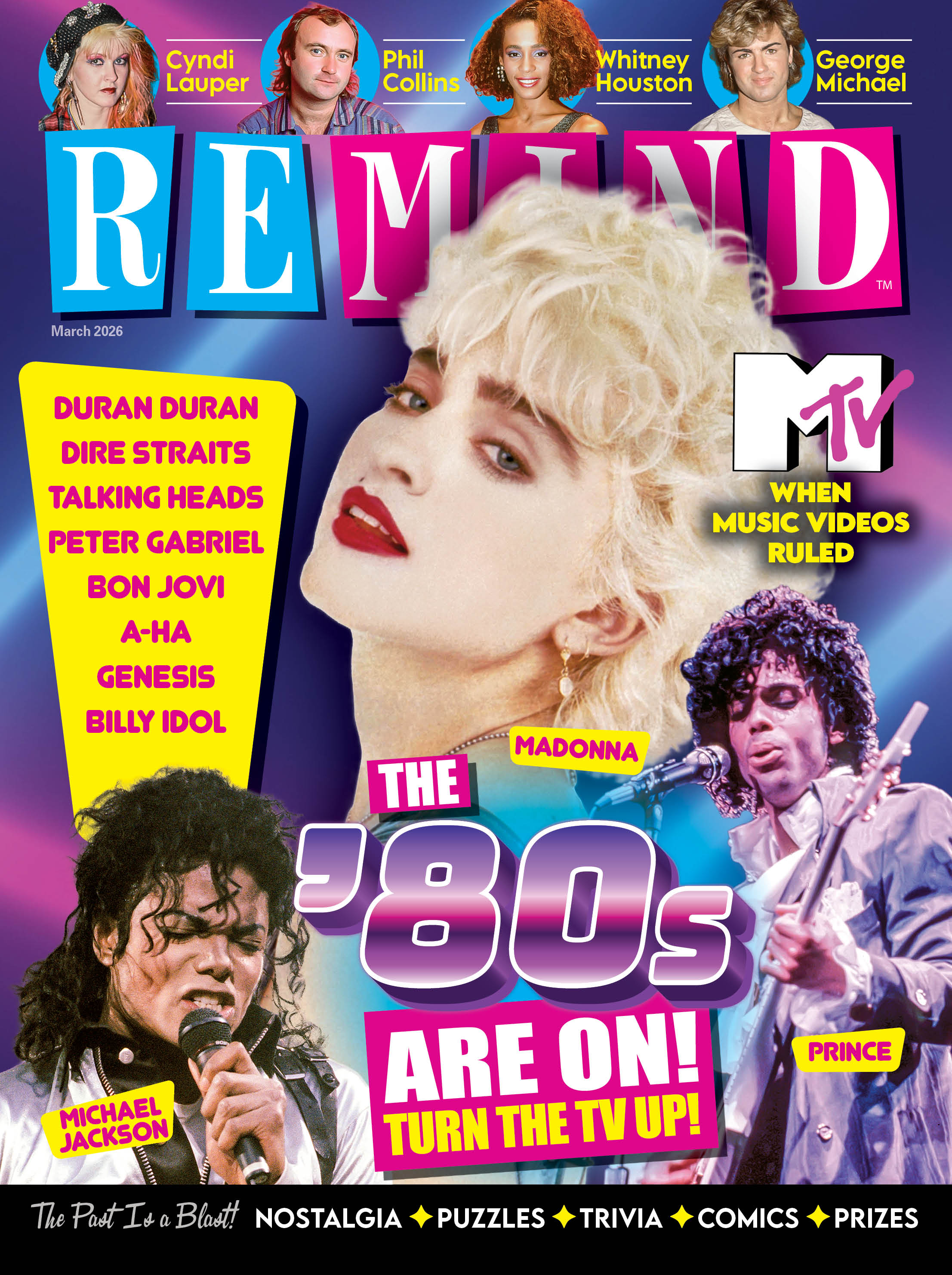
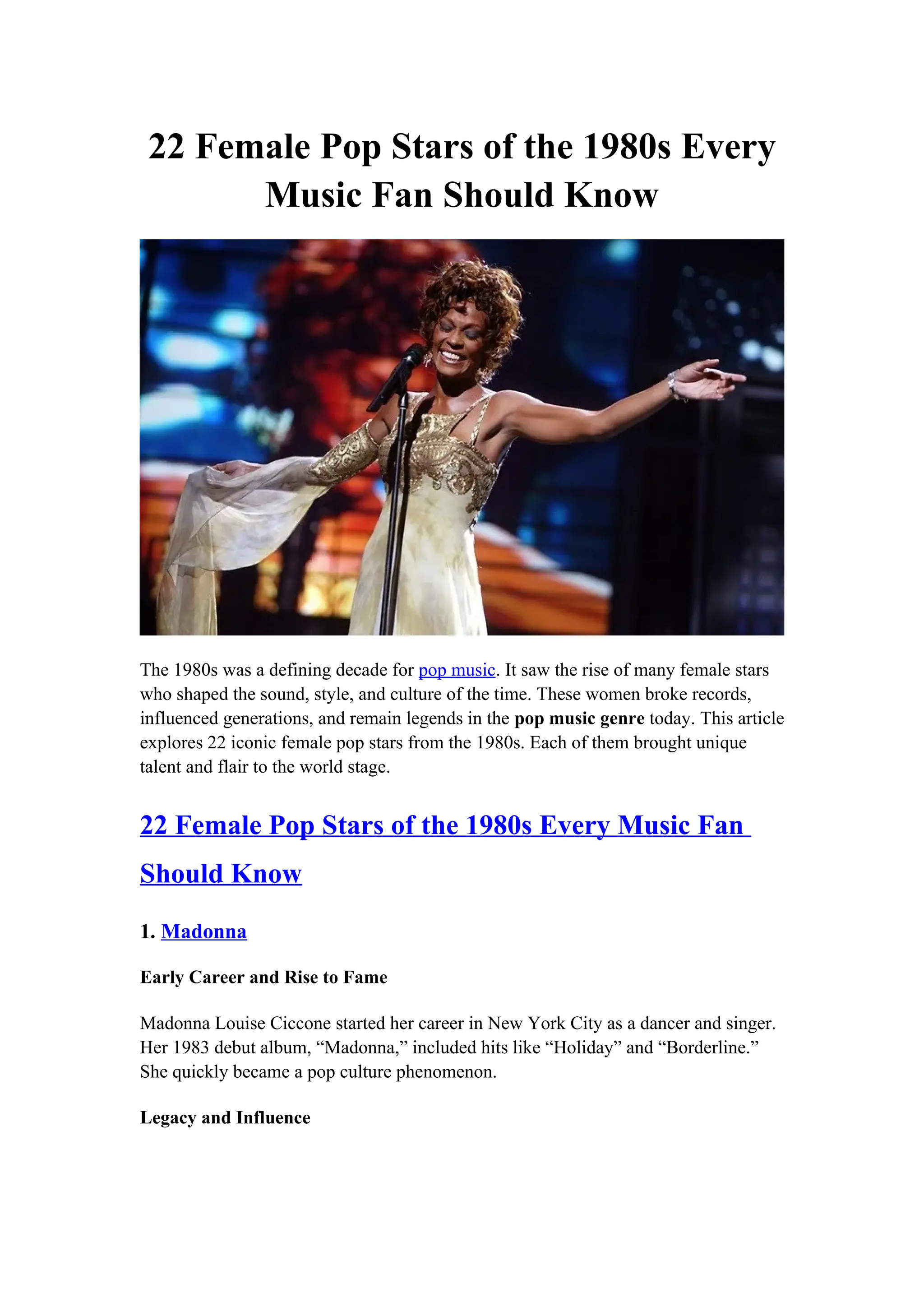
1980s pop music represents a pivotal era in global sound, characterized by the widespread adoption of synthesizer technology, the rise of music video culture, and the fusion of post-disco, new wave, and rhythm and blues. This period fundamentally shifted how audiences consumed music, moving from a radio-exclusive model to a visual, image-driven industry that prioritized high-production-value soundscapes.
The Technological Catalyst: Synthesizers and Digital Production
The sound of 1980s pop was defined primarily by the rapid democratization of music technology. At the beginning of the decade, the synthesizer—previously an expensive, cumbersome piece of equipment—became compact and affordable. The introduction of the Musical Instrument Digital Interface (MIDI) in 1983 allowed different electronic instruments, sequencers, and drum machines to communicate, enabling artists to layer complex textures with unprecedented precision.
The Yamaha DX7, released in 1983, became the hallmark of the decade. Unlike the warm, analog-based synthesis of the 1970s, the DX7 utilized Frequency Modulation (FM) synthesis. This allowed for bright, glassy, and percussive tones that cut through the mix, defining the "clean" sonic aesthetic of 1980s pop. Alongside this, the Roland TR-808 drum machine provided the foundational, heavy bass pulse that became a staple of both dance-pop and burgeoning urban genres.
The Shift to Visual Media: The MTV Effect
The emergence of MTV on August 1, 1981, transformed pop music from a purely auditory experience into a visual medium. This shift necessitated that artists possess a distinct "visual identity." Performers no longer just wrote songs; they curated personas that were broadcast into living rooms globally. The short-form music video became a primary marketing asset, capable of propelling a single to the top of the charts based as much on its visual narrative as its melody.
This environment favored artists who could marry choreography, fashion, and cinematography. The production of the "mini-movie" music video, most notably Michael Jackson’s "Thriller" (1983), set a benchmark for the industry. It turned music promotion into a high-stakes competitive field where the video was no longer an optional promotional tool, but a mandatory component of a record's commercial success.
Genre Convergence: New Wave, Funk, and Rock
The 1980s was an era of unprecedented genre blending. New wave, which evolved out of the punk rock explosion of the late 1970s, introduced catchy, keyboard-heavy arrangements that appealed to a mainstream audience. Simultaneously, pop music absorbed elements of funk and soul, creating a sophisticated dance-pop hybrid.
This era saw the rise of the "super-producer," such as Quincy Jones or Nile Rodgers, who could synthesize these diverse influences into a coherent, radio-friendly package. The crossover success of artists like Prince demonstrated the fluidity of these boundaries, as he blended rock guitar solos with funk basslines and synth-pop arrangements. This blending allowed for a broad demographic appeal, bridging the gap between urban dance clubs and suburban rock audiences.
Commercial Strategies and Album Construction
In the 1980s, the album format reached a commercial peak. The shift from vinyl to the Compact Disc (CD), introduced commercially in 1982, offered superior sound quality and increased storage capacity. This encouraged artists and labels to produce long-playing records where almost every track had the potential to be a single, a stark contrast to the "filler" heavy albums of previous decades.
The following table highlights key elements that contributed to the commercial structure of 1980s pop.
| Feature | Impact on the 1980s Market |
|---|---|
| MIDI Standard | Allowed seamless integration of electronic instruments across studios. |
| Music Video | Created a visual brand requirement for all major pop stars. |
| Compact Disc (CD) | Increased audio fidelity and drove the secondary market of album reissues. |
| FM Synthesis | Defined the characteristic "bright" and "sharp" pop sound. |
| Global Tours | Stadium tours became the primary revenue driver, favoring high-production shows. |
Prerequisites for Understanding 1980s Sound Engineering
To truly appreciate the nuance of 1980s pop, one must recognize the constraints under which engineers operated. The reliance on tape-based recording meant that editing was a destructive, manual process. To achieve the massive, "gated" drum sounds synonymous with the era, engineers utilized noise gates and compressors to shorten the decay of snare drums, creating a tight, punchy sound that was the gold standard for radio production.
Understanding this period requires a focus on:
- Gated Reverb: A production technique where an ambient drum sound is cut off abruptly, providing intensity without losing clarity.
- Channel Separation: The increased use of stereo width, made more pronounced by the rise of home stereo systems and the Sony Walkman.
- Session Musicianship: Despite the rise of computers, the 1980s remained a golden era for elite session players who could interpret and execute the complex, multi-layered arrangements demanded by the era's top producers.
Frequently Asked Questions
What defined the "1980s sound" compared to the 1970s?
The primary differentiator was the transition from live, organic instrumentation toward electronically controlled sound. While the 1970s prioritized warm, natural acoustic and electric textures, the 1980s embraced the brightness of digital synthesizers and the mechanical rigidity of drum machines, resulting in a more polished, synthetic aesthetic.
How did the advent of the CD change pop music consumption?
The CD allowed for higher-fidelity audio and longer play times. It encouraged artists to fill their albums with stronger tracks, as the convenience and durability of the medium led to a massive increase in music sales and the rise of the "album-oriented pop" era where a single album might generate five or more hit singles.
Why did music videos become so essential in the 1980s?
Music videos became essential because they offered a direct pipeline to a younger demographic. MTV provided a platform for international exposure that radio could not match. An engaging video allowed a song to transcend language barriers and cultural contexts, turning local artists into global icons.
Was 1980s pop music entirely digital?
No. Despite the prominence of synthesizers, 1980s pop still relied heavily on traditional instruments. Guitars remained central, particularly in the "glam metal" and "pop-rock" sub-genres, and bass guitarists were often still employed to add human "swing" to programmed tracks to prevent the music from sounding too robotic.
How did the 1980s influence modern pop production?
Modern pop continues to utilize the fundamental templates established in the 1980s, particularly the use of side-chain compression (often inspired by early gated drums) and the emphasis on the "hook." The structural reliance on the bridge-to-chorus climax and the tight integration of visual and sonic identity trace their roots directly to this decade.
Exploring the Legacy
For those looking to deepen their understanding of this era, the most effective approach is to analyze the production credits of key 1983–1987 records. By comparing the output of different producers—such as the experimental approach of Trevor Horn versus the polished, commercial perfectionism of Phil Collins—one can gain a clear view of the technical landscape. Listen to the dynamic range of early CD masterings to appreciate how engineers of the time sought to leverage the new technology's increased transparency, providing the foundational blueprint for the digital pop music we listen to in 2026.