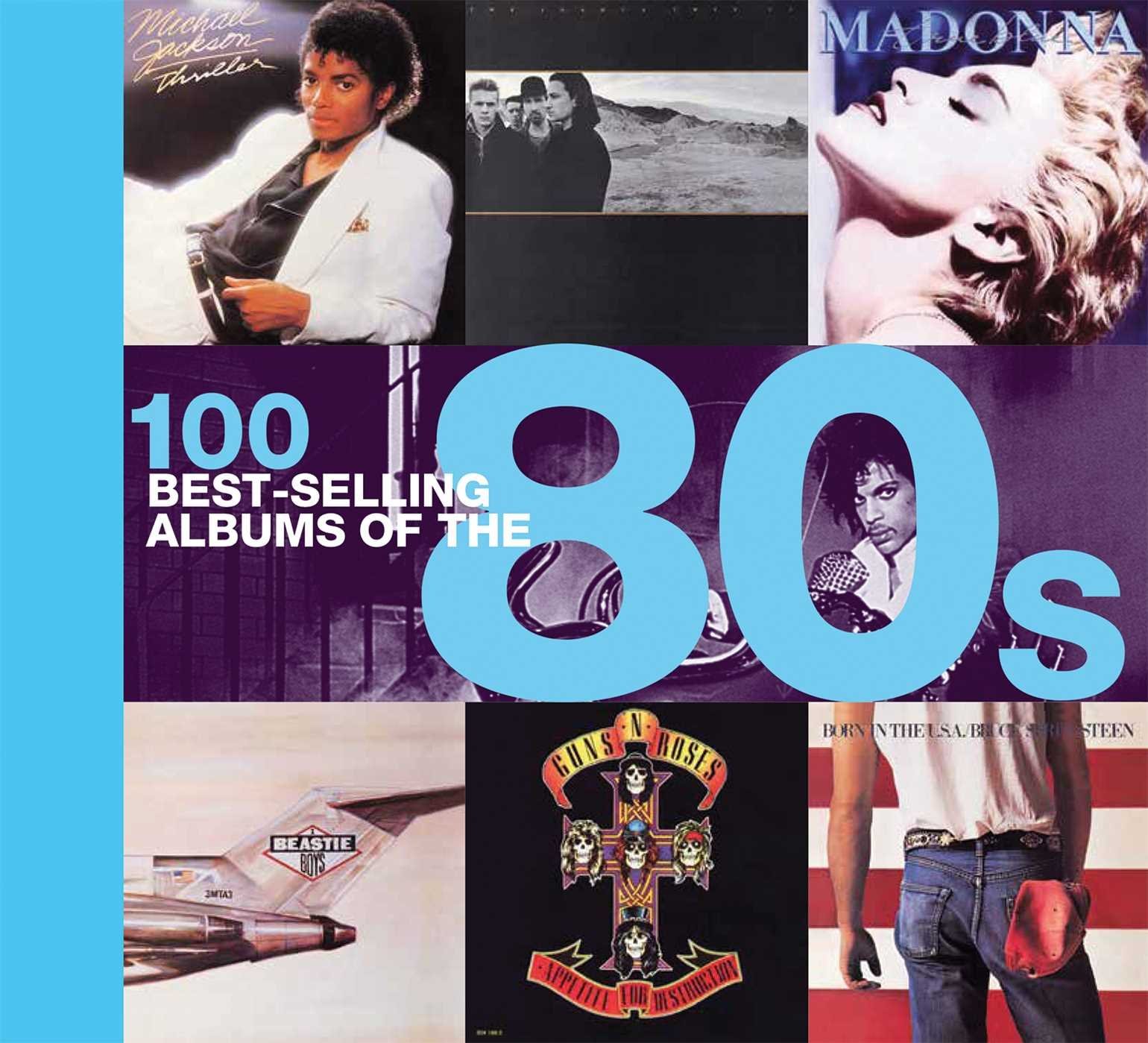
The music of the 1980s is defined by a radical synthesis of analog tradition and digital innovation, characterized by the rise of the synthesizer, the birth of the music video era, and the diversification of genres like synth-pop, post-punk, and hip-hop. This decade transformed how music was produced, distributed, and consumed, establishing technical standards and stylistic blueprints that continue to influence contemporary audio production in 2026.
The Technological Shift: Digital Meets Analog
The sound profile of the 1980s was fundamentally reshaped by the transition from purely analog recording to integrated digital technology. At the start of the decade, recording studios relied heavily on multi-track tape machines, but the introduction of the Musical Instrument Digital Interface (MIDI) in 1983 changed the industry permanently. MIDI allowed instruments from different manufacturers to communicate, enabling composers to layer complex sequences with precision that was previously impossible.
Parallel to MIDI, the commercialization of digital synthesizers—most notably the Yamaha DX7, which utilized frequency modulation (FM) synthesis—replaced the warm, fluctuating oscillators of earlier analog gear with sharp, crystalline, and infinitely reproducible tones. This sonic shift moved pop music away from the organic, blues-based guitar sounds of the 1970s toward a cleaner, more precise aesthetic. For producers and hobbyists today, understanding this transition is key to recreating 80s-inspired textures, as the "signature" sound relies on the interplay between the punchy, gated-reverb drums and the lush, layered pads made possible by early polyphonic synthesizers.
The Cultural Catalyst: The Rise of MTV
Before 1981, the success of a musical act was tethered to radio airplay and live touring. The launch of MTV (Music Television) on August 1, 1981, fundamentally altered the requirements for stardom. Music became a visual medium, where the aesthetic of an artist—their fashion, music video concepts, and dance style—became as vital as their technical musical ability.
This visual focus led to a hyper-stylized era. Artists like Michael Jackson and Madonna did not merely release singles; they released short-form cinematic experiences that utilized advanced editing techniques and choreography. For the music industry, this necessitated a larger budget for production and marketing, effectively professionalizing the role of the "music video director." This period created a symbiotic relationship between television and music that remains the blueprint for the global digital content landscape of 2026.
Key Musical Movements of the Decade
The 1980s was not a monolithic genre; it was a fragmented landscape where subcultures thrived through radio experimentation and local scenes.
New Wave and Synth-Pop
Rooted in the post-punk movement, New Wave stripped away the perceived self-indulgence of 1970s rock, favoring shorter, hook-driven songs. Synth-pop took this further, often eliminating guitars entirely in favor of drum machines like the Roland TR-808 and TR-909. These machines, while initially seen as cheap alternatives to human drummers, became the rhythmic backbone of everything from pop to the nascent house and hip-hop scenes.
The Evolution of Hip-Hop
The 1980s served as the "Golden Age" of hip-hop, moving from regional New York block parties to global commercial recognition. Groups like Run-D.M.C. and Public Enemy utilized the technology of the era—sampling drum breaks from funk and soul records—to create a new language of rhythm. The use of the sampler, such as the E-mu SP-1200, allowed producers to manipulate historical recordings, creating a recursive art form that defined the sound of urban youth culture.
Hard Rock and Heavy Metal
While the mainstream moved toward electronics, hard rock and heavy metal experienced a massive resurgence, culminating in the "hair metal" explosion of the late 80s. This genre emphasized high-gain guitar amplification and theatrical live performances, maintaining a strong reliance on traditional instrumentation while simultaneously adopting the high-production-value aesthetic popularized by MTV.
Comparative Overview of 1980s Musical Technologies
The following table outlines the foundational tools that defined the auditory landscape of the decade.
| Technology Category | Dominant Device/Format | Impact on Music Production |
|---|---|---|
| Synthesis | Yamaha DX7 | Introduced FM synthesis; brought digital precision to pop charts. |
| Sequencing | MIDI (1983) | Enabled synchronization between synthesizers and computers. |
| Percussion | Roland TR-808 | Created the signature "booming" kick drum sound of modern hip-hop. |
| Consumption | Compact Disc (CD) | Provided high-fidelity digital audio, replacing the limited range of vinyl. |
| Distribution | Music Video (MTV) | Transformed songs into essential visual marketing campaigns. |
Prerequisites for Analyzing or Recreating 80s Sounds
For those attempting to analyze or recreate the music of this decade using 2026 production software, several prerequisites must be addressed. First, one must distinguish between "digital-sounding" analog gear (like the Prophet-5) and true digital synthesis. Relying solely on modern software "presets" often results in a thin, sterile sound. Achieving the authentic depth of 1980s music requires careful attention to signal chains, particularly the use of outboard compression and analog saturation to emulate the warmth of tape recording, which was the standard medium of the time.
Additionally, understanding the limitations of the era is essential. Early sequencers had limited memory, which forced composers to be economical with their arrangements. This "forced minimalism" is why many 80s pop songs sound cleaner and more focused than some modern, track-heavy productions.
Frequently Asked Questions
What was the most significant technical advancement in 1980s music?
The introduction of MIDI in 1983 is widely considered the most significant advancement. It allowed for the seamless integration of digital synthesizers, sequencers, and drum machines, enabling a level of production complexity that defined the "big" pop sound of the mid-to-late decade.
How did the compact disc change the music industry?
The release of the CD in the early 1980s provided a significantly higher dynamic range and a lack of surface noise compared to vinyl records. It encouraged artists to create longer albums, as the format offered up to 74 minutes of playback time, leading to a shift in how albums were structured and marketed.
Did synthesizers replace all traditional instruments in the 1980s?
No, while synthesizers were dominant in pop and new wave, they existed alongside traditional instruments. Many successful 1980s tracks featured a "hybrid" sound, blending the precise timing of drum machines with the organic performance of electric guitars and acoustic bass lines.
What is the difference between New Wave and Synth-Pop?
New Wave was a broad movement that embraced punk's energy while experimenting with new production styles, often including guitars. Synth-pop was a narrower sub-genre that focused specifically on electronic instrumentation, placing the synthesizer at the center of the melody and rhythm sections.
How can I identify a "gated reverb" drum sound?
Gated reverb is a production technique where a short, explosive reverb tail is suddenly cut off by a noise gate. It is the defining sound of 1980s pop drums, particularly the snare, creating a massive, stadium-like sound that stops abruptly to avoid cluttering the mix.
Recommended Next Steps for Research
To further explore the musical landscape of this era, prioritize investigating the original studio documentation of influential albums from 1982–1987. Reviewing technical interviews with producers from this period, such as Trevor Horn or Quincy Jones, provides the most reliable insight into the signal paths and creative workflows of the time. If you are a producer, look for software emulations that model the specific analog-to-digital converters used in the mid-80s to capture the "transient response" characteristic of early digital recorders.