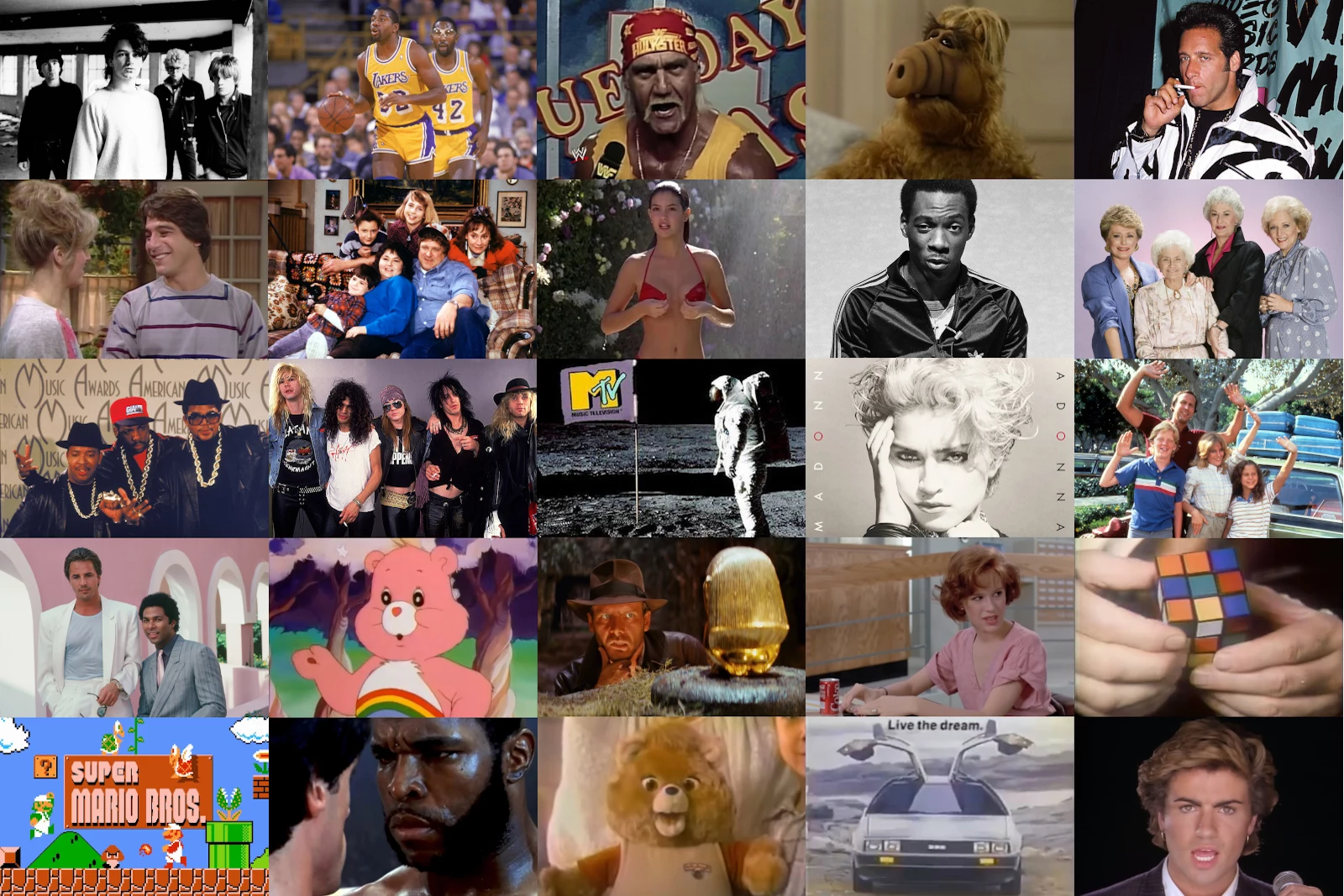
The media landscape of the 1980s represents a pivotal transition from analog scarcity to the nascent stages of digital distribution. Characterized by the explosion of cable television, the dominance of physical home video formats, and the refinement of analog audio recording, this decade established the modern consumer appetite for on-demand content and high-fidelity home entertainment.
The Technological Evolution of 1980s Media
The 1980s served as a bridge between the broadcast-only era and the interactive digital age. For consumers, the decade was defined by the democratization of playback technology. The introduction of the Video Home System (VHS) and its rival, Betamax, fundamentally altered how audiences engaged with film and television. Before the 1980s, viewing a movie required either a theatrical visit or waiting for a scheduled broadcast; the home video revolution allowed for the creation of personal libraries.
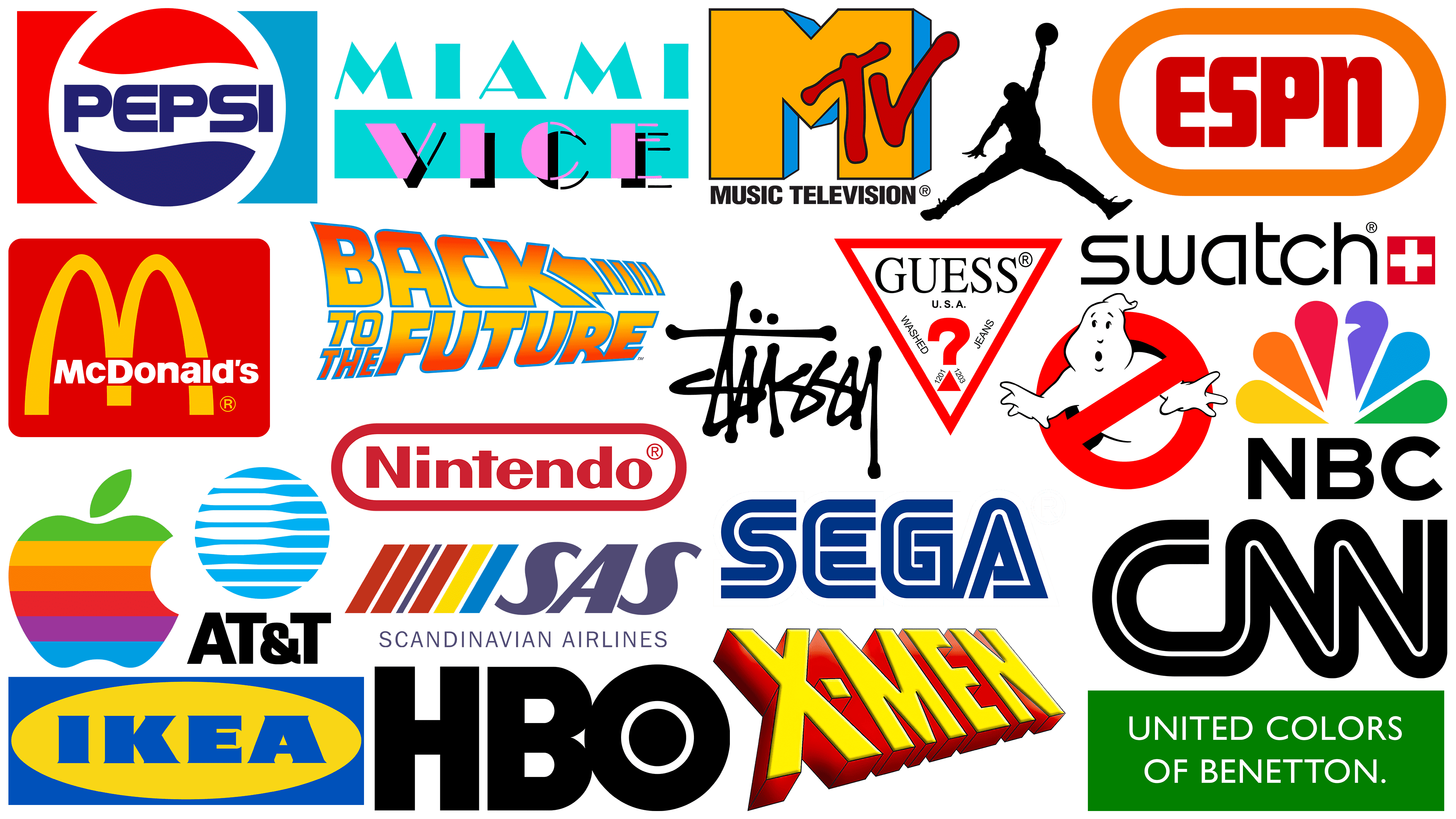
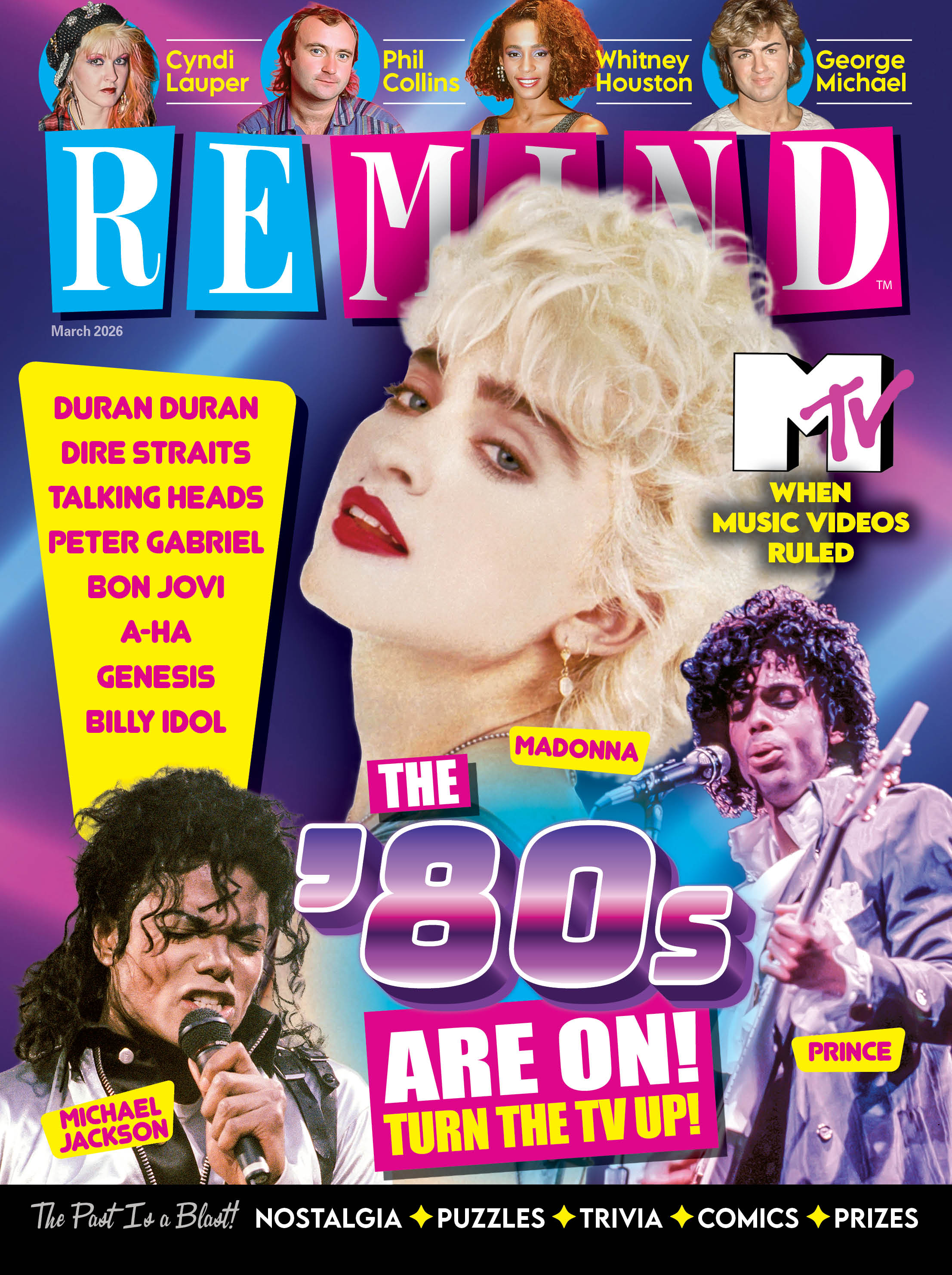
Simultaneously, the audio industry underwent a profound shift with the commercial introduction of the Compact Disc (CD) in 1982. This marked the transition from the mechanical limitations of vinyl records and the hiss of magnetic cassette tapes to the clarity of digital pulses. This period also saw the rise of the 24-hour news cycle via the launch of Cable News Network (CNN) in 1980 and the globalization of pop culture through the rapid expansion of MTV, which debuted in 1981. These developments transformed media from a passive experience into a ubiquitous, lifestyle-integrated utility.
Home Video Formats: A Comparative Overview
Understanding the media landscape of the 1980s requires distinguishing between the competing standards that dictated access and quality. While VHS eventually captured the market share due to its longer recording capacity and licensing strategy, other formats offered varying technical advantages that remain relevant for archivists and collectors today.
| Format | Introduced | Primary Strength | Storage/Capacity |
|---|---|---|---|
| VHS | 1976 | Widespread availability | Up to 6 hours (EP mode) |
| Betamax | 1975 | Higher horizontal resolution | Up to 5 hours (Beta III) |
| LaserDisc | 1978 | Analog video/audio quality | 60 minutes per side |
| Audio Cassette | 1963 | Portability and recording | 60–90 minutes |
| Compact Disc | 1982 | Digital audio fidelity | 74–80 minutes |
The competition between VHS and Betamax is a foundational case study in market dynamics, where the "better" technical solution often yields to the format with superior distribution and extended recording duration. For those looking to preserve media from this era, identifying these specific formats is the first step in determining the necessary hardware, such as functioning VCRs or specialized laser disc players.
Challenges in Preservation and Access
As of 2026, the primary challenge surrounding 1980s media is physical degradation. Magnetic tape—the backbone of the 1980s home video and recording industry—is prone to "sticky shed syndrome," where the binder holding the magnetic particles to the plastic film absorbs moisture and breaks down. Furthermore, the playback equipment for these formats is largely out of production, making the maintenance of vintage hardware a necessity for accessing original content.
For media archives, the conversion from analog to digital formats remains the standard procedure for long-term preservation. This involves using high-quality analog-to-digital converters and time-base correctors to stabilize playback signals that may have jitter or scanline errors common to legacy VHS recordings. Collectors and archivists must also navigate the legal landscape of copyright; while the fair use doctrine allows for personal archival, the distribution of digitized content remains strictly governed by intellectual property laws.
The Cultural Impact of Fragmented Consumption
The 1980s saw the beginning of audience fragmentation. Prior to the rise of specialized cable channels, the "Big Three" networks (ABC, CBS, and NBC) held a massive share of the viewing audience. The proliferation of cable, however, created niche programming. Music enthusiasts turned to MTV, sports fans found dedicated coverage on ESPN, and children gained access to dedicated cartoon blocks. This shift allowed for a more personalized media diet, a trend that would accelerate rapidly with the arrival of the internet in the following decades.
This fragmentation also allowed for the growth of subcultures. Independent filmmakers and underground musicians utilized the affordability of home recording equipment and camcorders to bypass traditional studio gatekeepers. The "mixtape" culture, enabled by the ubiquity of the cassette deck, became a primary vehicle for social connection and music discovery, effectively creating the precursor to modern algorithmic playlisting and digital sharing.
Practical Considerations for Today’s Collectors
For those acquiring or maintaining 1980s media today, hardware selection is paramount. When purchasing vintage VCRs or cassette decks, verify that the unit has been recently serviced. Common points of failure in 1980s-era equipment include rubber belts that lose elasticity, electrolytic capacitors that leak over time, and motorized pinch rollers that harden.
If you are beginning an archival project, follow these general guidelines to ensure the longevity of your media:
- Environment: Store all magnetic media in a cool, dry environment. Fluctuations in temperature and humidity are the primary accelerants of tape degradation.
- Storage Orientation: Store VHS and audio tapes vertically, like books, rather than stacking them horizontally, to prevent the weight of the reels from warping the tape edges.
- Playback Integrity: Before attempting to digitize a rare tape, inspect the spool for visible mold or loose tape. If mold is present, specialized professional cleaning is required to prevent damage to the tape transport mechanism of your player.
- Hardware Maintenance: Use a high-quality cleaning cassette or manual head cleaner on VCRs to remove oxide buildup, which is common in older tapes and causes significant signal noise.
Frequently Asked Questions
Why is 1980s media considered "analog" if it started the digital transition?
While the 1980s introduced digital consumer audio with the CD, the vast majority of visual media in that decade remained purely analog. Technologies like VHS and LaserDisc recorded information as continuous wave signals rather than discrete binary data. This creates a unique aesthetic—often characterized by scanlines, warmth, and tape hiss—that is distinct from the clinical precision of modern digital media.
Can I still buy high-quality hardware for 1980s formats in 2026?
New production of VCRs and cassette decks effectively ended years ago. However, there is a robust secondary market for refurbished equipment. Collectors often source units that have been "recapped" (replacing old capacitors) and serviced for belt alignment. When purchasing, prioritize professional restorations over "as-is" listings to ensure your media is not damaged during playback.
What is the primary difference between VHS and LaserDisc?
VHS uses magnetic tape to store video and audio signals, which is susceptible to wear and degradation over time. LaserDisc, by contrast, uses optical technology similar to a CD, where data is read by a laser without physical contact. LaserDisc offers higher resolution and random-access capabilities, but it is much more prone to "laser rot," a chemical degradation of the disc surface that results in black spots and signal loss.
How can I legally digitize my 1980s media collection?
In many jurisdictions, creating a digital backup of a physical media item you own for personal use is considered a standard application of fair use or private copy laws. However, this does not grant rights to distribute or stream that content online. Always verify the specific copyright laws in your country, as they vary regarding the circumvention of copy-protection technologies, even for personal archival purposes.
Managing Your Legacy Collection
To maximize the value and accessibility of your collection, start by cataloging your media. Distinguish between rare, commercially released titles and personal recordings. For personal recordings, prioritize the digitization of tapes that contain unique family history or events, as these represent "single-point-of-failure" media that cannot be replaced if the physical tape is destroyed. Focus your investment on a reliable, well-maintained player and a high-quality capture device to ensure the digital files you create reflect the best possible version of the original source material.