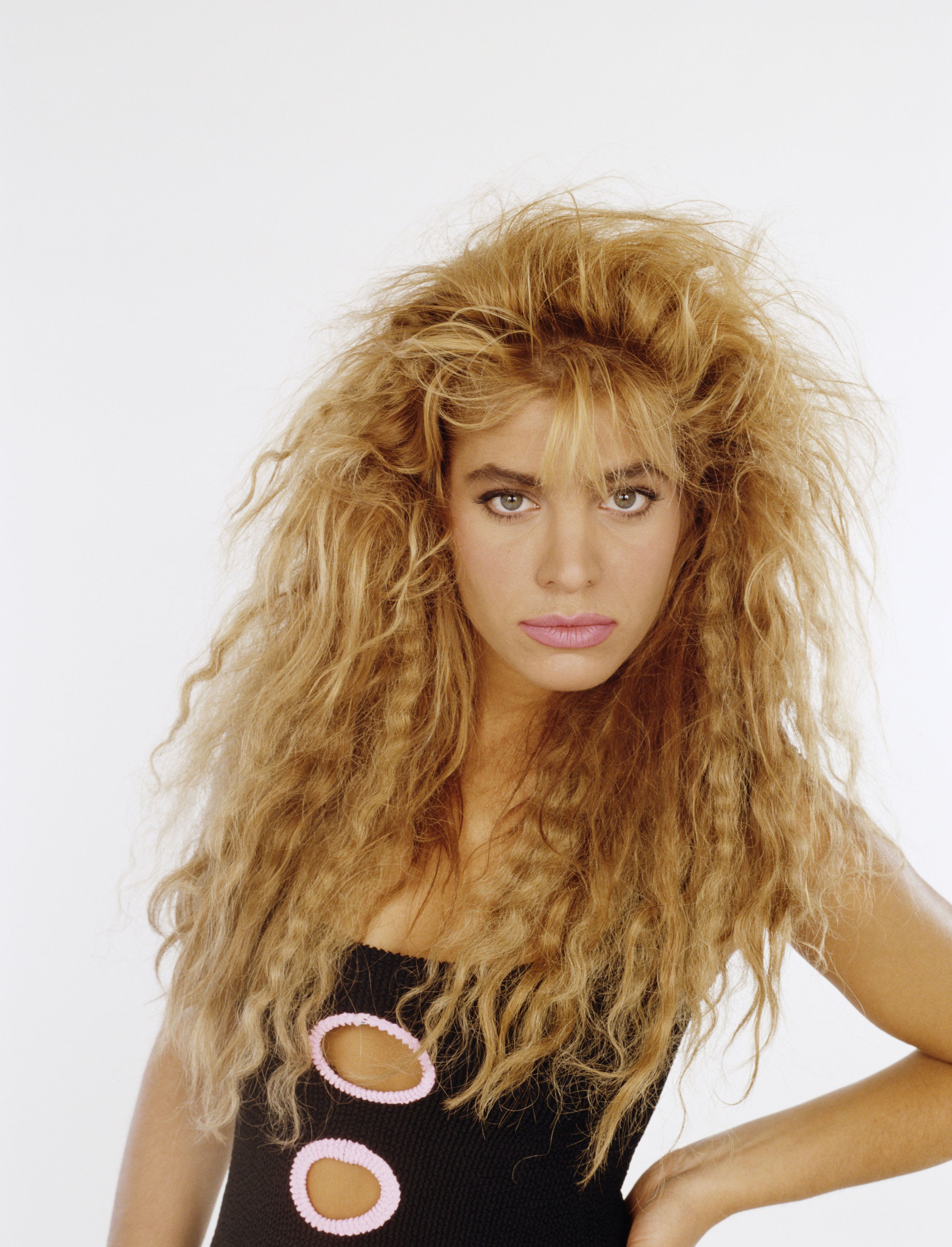
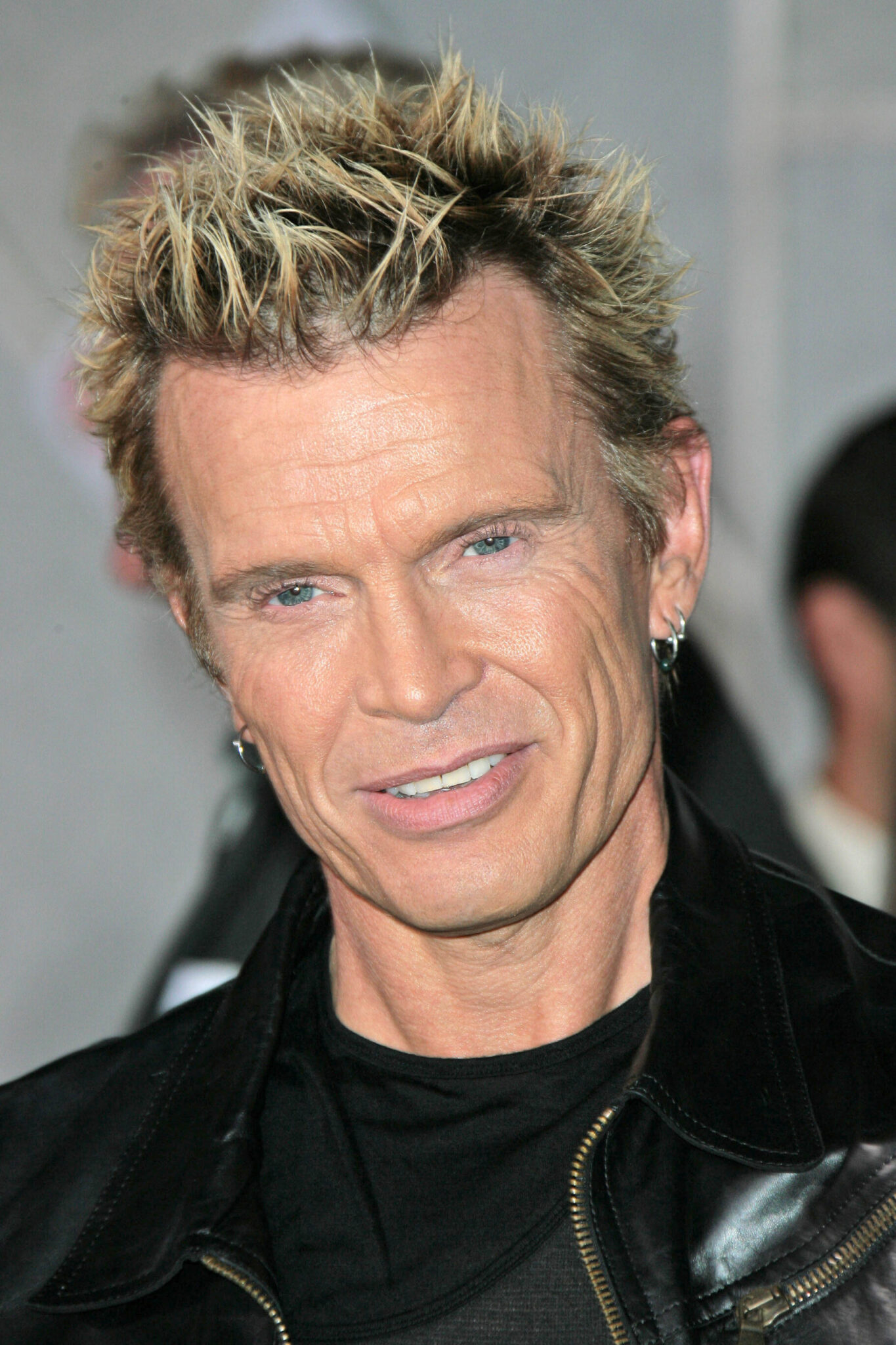
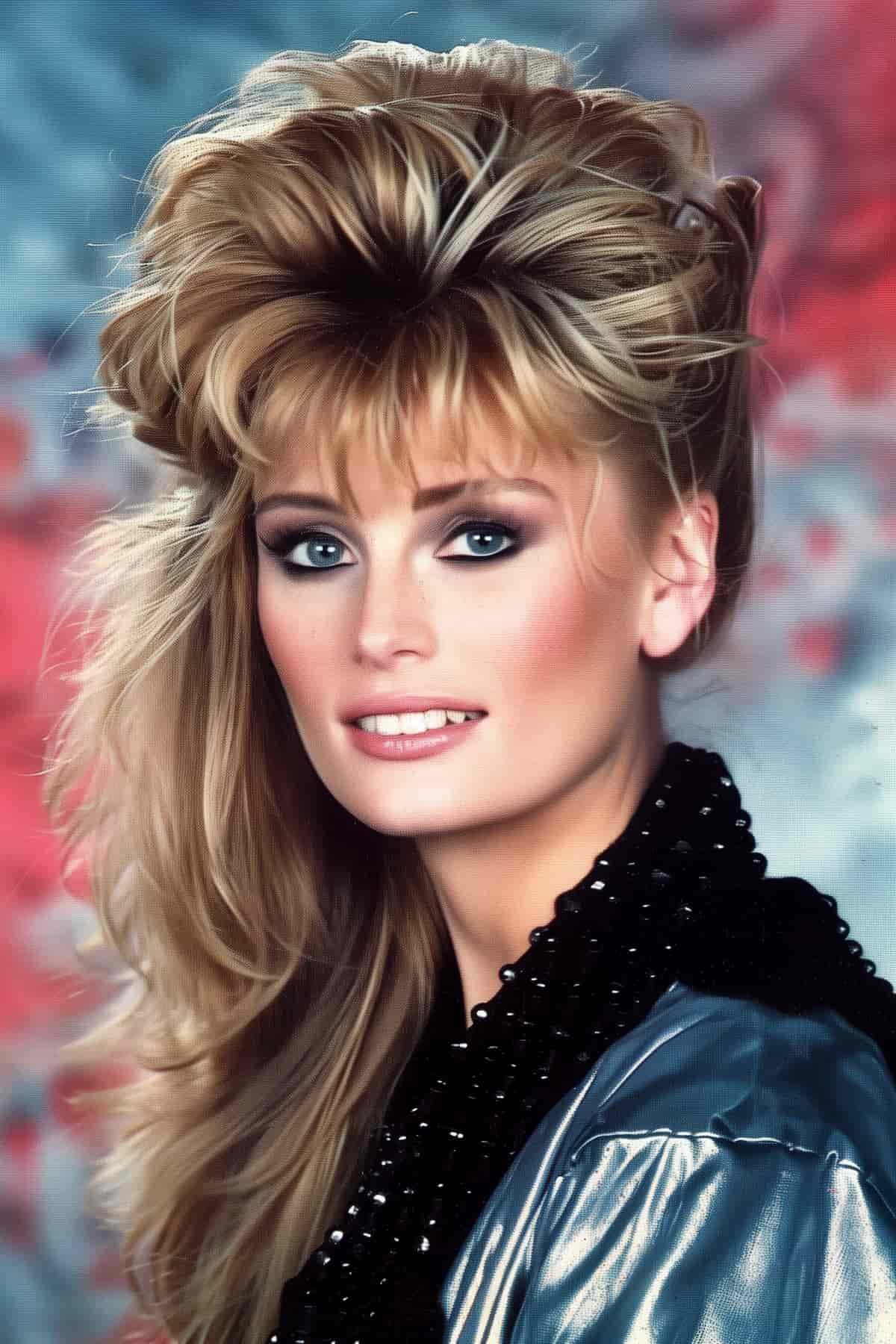
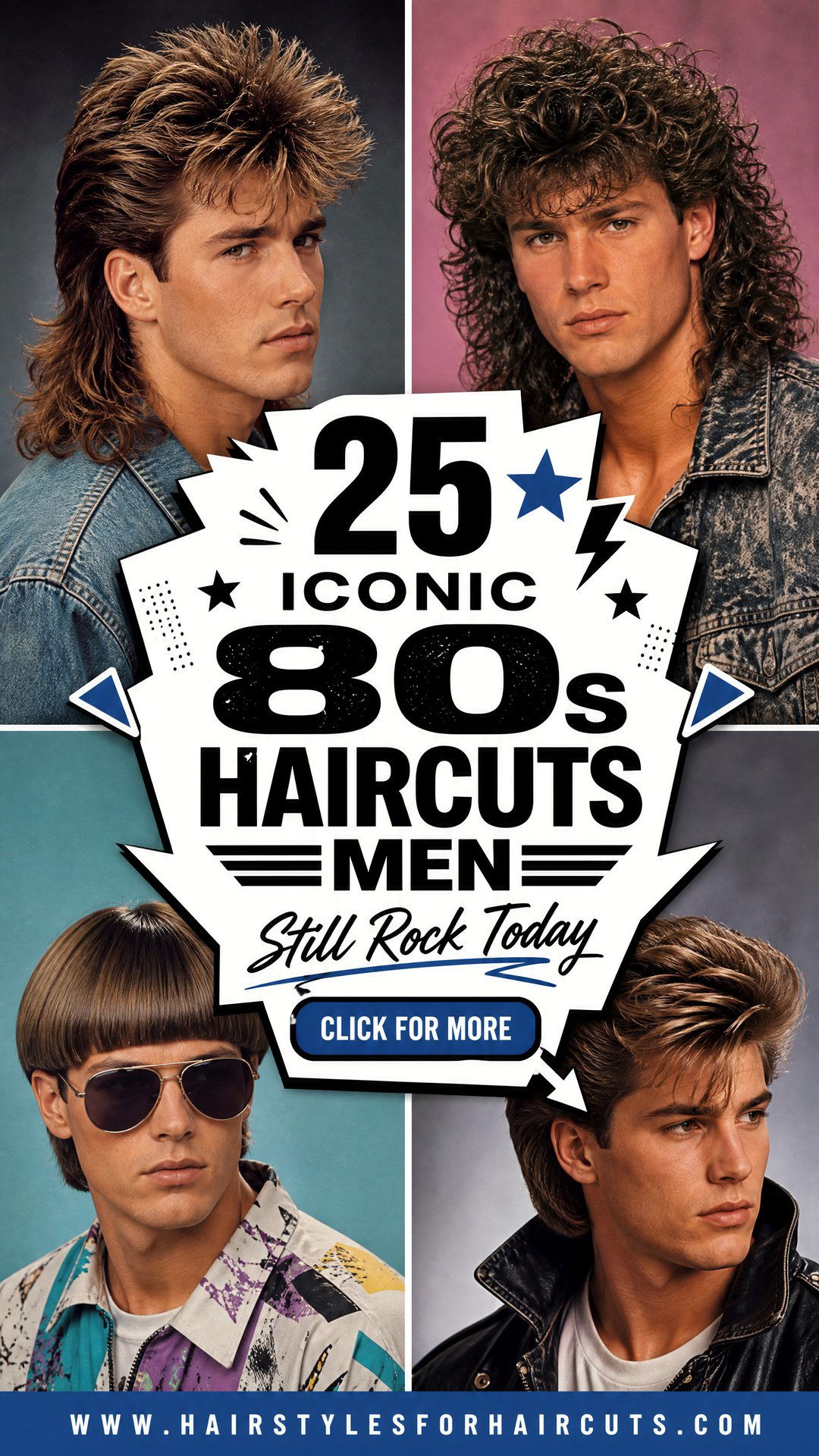
The hairstyles of the 1980s for men were defined by a departure from the restrained grooming standards of previous decades, favoring volume, texture, and individual expression. From the rebellious edge of the punk-influenced mohawk to the polished precision of the Wall Street-inspired slick back, 80s hair mirrored the period's cultural intensity, technological optimism, and evolving fashion landscape.
The Evolution of 80s Men’s Grooming
The 1980s acted as a pivotal transition point in men’s fashion. For the first time, men’s hair became a primary vehicle for signaling subcultural identity, moving away from the uniform-adjacent cuts of the 1950s and the shaggy, natural aesthetic of the 1970s. The decade was characterized by an obsession with chemical processing—perms, heavy aerosol hairspray, and professional-grade gels—which allowed for structures that defied gravity.
This shift was largely driven by the democratization of pop culture via MTV and the rising influence of music subgenres like New Wave, Heavy Metal, and Synth-pop. As musicians became style icons, the average consumer sought to emulate these looks, leading to a surge in specialized men’s grooming products and high-volume salon visits. Hair was no longer just maintained; it was engineered.
The Mullet: A Study in Contradiction
Perhaps the most polarizing and quintessential hairstyle of the era, the mullet was famously described as "business in the front, party in the back." By keeping the hair short on the sides and top, it remained within the bounds of social acceptability for traditional workplaces, while the extended length at the nape provided a canvas for rebellion and rock-and-roll flair.
In the mid-to-late 80s, the mullet evolved into various iterations. Athletes, specifically hockey players, adopted the "hockey hair" variation, often accompanied by a perm. The versatility of the cut allowed it to cross socioeconomic lines, appearing on everyone from country music stars to high-fashion models in editorials. Its longevity through the decade speaks to its unique position as a functional yet provocative choice that required minimal daily maintenance compared to high-maintenance architectural styles.
Architectural Styling: The Pompadour and High Volume
While some chose the ruggedness of the mullet, others leaned into the "Yuppie" (Young Urban Professional) aesthetic. This look borrowed heavily from the 1950s but introduced a level of hold previously unattainable without the chemical revolution of the 80s. The classic slick back, often paired with shaved or tightly tapered sides, required significant amounts of gel or pomade to achieve a wet-look finish.
To achieve this, men utilized heavy-duty styling tools. Unlike the modern focus on matte finishes and natural movement, the 80s favored structural integrity. A well-groomed man of the era spent considerable time morning-of to ensure his hair remained in place regardless of the environment. This "power hair" signaled success and meticulous attention to detail, traits highly valued in the competitive, high-finance professional culture of the mid-1980s.
The Punk Influence: Spikes and Asymmetry
Contrasting the polished corporate look was the underground punk movement, which utilized hair as a weapon of shock. The mohawk—a vertical strip of hair running down the center of the scalp with shaven sides—gained mainstream visibility during this time. To maintain the spikes, practitioners used household items like egg whites or sugar water before specialized aerosol sprays became ubiquitous.
Beyond the mohawk, asymmetric cuts became popular among the New Wave crowd. These styles often featured one side significantly shorter than the other or long, choppy layers that framed the face. These looks prioritized texture over neatness, signaling an rejection of societal standards. These styles required consistent trimming and heavy texturizing products to maintain the desired "undone" yet carefully constructed appearance.
Comparison of 1980s Hair Trends
| Hairstyle | Primary Characteristic | Typical Styling Agent | Subcultural Origin |
|---|---|---|---|
| The Mullet | Short top, long back | Hairspray | Working class/Music |
| The Slick Back | High shine, swept back | Strong-hold Gel | Professional/Yuppie |
| The Mohawk | Vertical spikes | Glue/Aerosol spray | Punk/Hardcore |
| The Perm | Tight, uniform curls | Chemical solution | Pop/Glam Metal |
| The Fade/Flat Top | Geometric, square top | Pomade/Mousse | Hip-Hop/Urban |
Maintenance and Technical Requirements
Achieving an iconic 1980s look required more than just a visit to the barber; it required a commitment to hair health and product reliance. The excessive use of heat styling, such as blow-drying for lift, combined with harsh chemical treatments like the permanent wave, placed significant stress on hair follicles.
To maintain these styles, men frequently utilized:
- Volumizing Mousses: Essential for creating the "big hair" look without excessive weight.
- Super-Hold Hairsprays: Critical for maintaining architectural spikes or keeping the mullet’s back piece smooth against gravity.
- Professional Tapering: The "fade" or "taper" was crucial, requiring precision clippers to ensure the sides blended seamlessly into the longer top sections.
The technical requirement for these styles often involved periodic "refresher" cuts to keep the length ratios exact. Unlike modern styles that encourage "growing out" a cut, 80s trends demanded frequent maintenance to prevent the look from appearing sloppy rather than intentional.
Frequently Asked Questions
What was the most popular men’s haircut of the 1980s?
The mullet is widely considered the most iconic hairstyle of the decade due to its cross-cultural reach. While the slick back and the flat top were prominent in professional and urban circles, the mullet’s presence spanned from mainstream television to professional sports, making it the decade's defining silhouette.
Did men really get perms in the 1980s?
Yes, the male perm was a staple of the decade, particularly within the glam metal and pop music scenes. Men sought to add body and curl to otherwise flat hair, often aiming for a "lion’s mane" effect that could be further teased and sprayed to increase overall volume.
How did the professional workplace influence men’s hair?
The 1980s workplace, particularly in finance and corporate law, necessitated a clean-cut aesthetic that countered the wilder trends of the time. This led to the refined slick back and the short, professional taper, which focused on order, shine, and structural control to convey professionalism and authority.
Are these 1980s styles currently relevant?
Many 80s elements have seen a resurgence in the 2020s, albeit in modernized forms. For instance, the "modern mullet" or "wolf cut" takes the silhouette of the 80s version but often utilizes more natural textures and less aggressive styling products, blending retro inspiration with current grooming preferences.
What is the best way to replicate an 80s look today?
To replicate an authentic 80s look, identify the specific subcultural style you wish to emulate and focus on the correct hair length and product. For structural styles like the slick back, use a high-shine, high-hold pomade. For volume-based styles like the permed look, focus on texturizing sprays and light-hold mousses to build lift without excessive stiffness.
Achieving Your Chosen Style
If you are looking to adopt a classic 80s aesthetic, the first step is consulting with a stylist who understands "period-accurate" cuts. Do not assume a modern, texturized, or "messy" cut will suffice. Bring clear visual references, as terminology for these cuts has evolved significantly since 1989. Prioritize the geometry of the cut over modern trends; the 80s were about specific lines and deliberate shapes. Ensure you have the proper styling agents—specifically, do not underestimate the value of a high-quality, alcohol-based hairspray if you are attempting to recreate high-volume, gravity-defying styles.