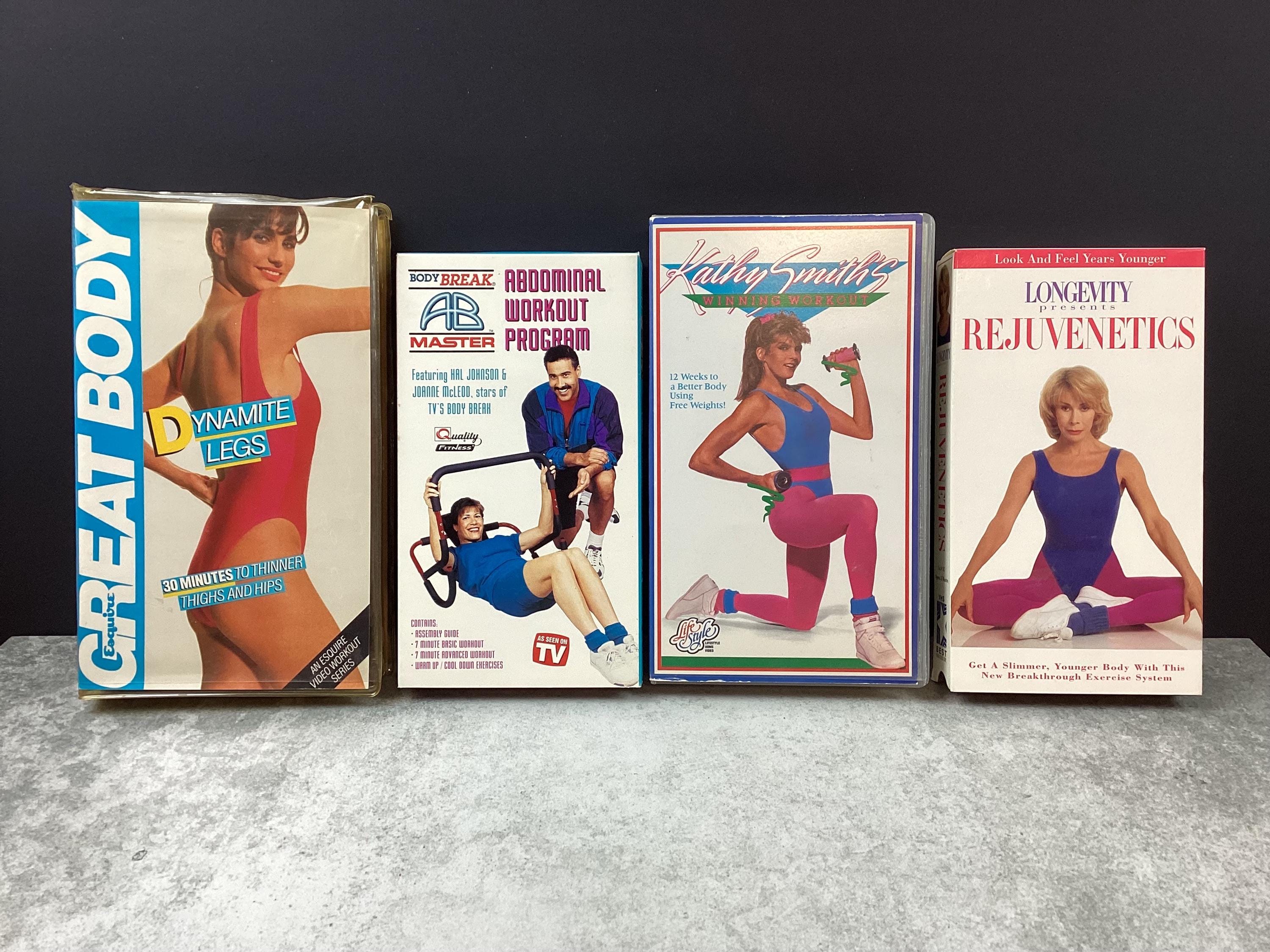
The 1980s transformed fitness from a specialized athletic pursuit into a pervasive cultural phenomenon defined by high-energy aerobic dance, the democratization of home video workouts, and the rise of the commercial health club. This era shifted the focus toward cardiovascular endurance, aesthetic body sculpting, and the integration of exercise into mainstream daily life.
The Cultural Shift: Fitness as Lifestyle
Before the 1980s, systematic exercise was largely relegated to institutional settings like schools, professional sports training facilities, or niche bodybuilding gyms. The decade marked a pivot toward individual accountability and public displays of health. The "fitness boom" was fueled by a growing awareness of heart health, spurred by cardiovascular research, and a cultural emphasis on physical vitality that permeated fashion, media, and social status.
This transition was characterized by a move away from the heavy, utility-focused training of earlier decades toward rhythmic, accessible forms of movement. By prioritizing inclusivity, the fitness industry successfully expanded its target audience to include women and white-collar professionals who sought both stress relief and weight management. The aesthetic shift—often associated with bright spandex, leg warmers, and high-impact choreography—was not merely a fashion trend; it was a visual signal of the democratization of exercise.
The Rise of Aerobic Dance and Home Media
At the heart of the 1980s fitness revolution was the commercialization of the aerobic workout. Dr. Kenneth Cooper’s earlier research on aerobic exercise provided the medical justification, but it was the professionalization of the instruction that solidified its popularity. The industry discovered that music-synchronized exercise lowered the barrier to entry, making repetitive, rigorous movement feel like a performance rather than a chore.
The catalyst for mass adoption was the convergence of VCR technology and celebrity branding. Jane Fonda’s Workout, first released on VHS in 1982, is widely cited as the seminal product that proved the viability of home-based video training. By allowing individuals to exercise in private, away from the perceived judgment of a gym environment, companies like Lorimar Home Video created a lucrative, scalable business model. This movement was further bolstered by figures such as Richard Simmons, who emphasized emotional support and weight loss, and professional dance-trained instructors who turned fitness into a high-production entertainment medium.
Essential Components of 1980s Fitness Programs
A standard 1980s fitness regimen typically adhered to a strict structure designed to ensure safety while maximizing caloric expenditure. Understanding these components is essential for those analyzing the evolution of modern interval training and group exercise classes.
- Warm-up: Low-impact rhythmic movements designed to increase internal body temperature and lubricate joints.
- Aerobic Peak: The primary phase, lasting 20–40 minutes, characterized by continuous, heart-rate-elevating movements like jumping jacks, grapevines, and high knees.
- Floor Work: Post-aerobic sections focused on muscular endurance, particularly abdominal strength and leg toning, often performed on high-density foam mats.
- Cool-down/Flexibility: Static stretching intended to return the heart rate to baseline and improve range of motion.
Comparative Overview of Fitness Modalities
The following table summarizes the primary training styles that emerged or reached peak popularity during this period.
| Modality | Primary Goal | Target Audience | Intensity Level |
|---|---|---|---|
| Aerobic Dance | Cardiovascular health | General population | Moderate to High |
| Calisthenics | Muscular endurance | Beginners/Home users | Low to Moderate |
| Bodybuilding | Hypertrophy/Aesthetics | Dedicated trainees | High |
| Jazzercise | Engagement/Weight loss | Social exercisers | Moderate |
The Proliferation of Commercial Health Clubs
While the home video market exploded, the 1980s also saw the transformation of the "gym" into the "health club." Older, austere powerlifting gyms gave way to brightly lit, mirror-lined facilities offering showers, saunas, and a wider variety of specialized machinery. This era saw the introduction of early versions of selectorized resistance machines, which allowed users to adjust weight via a pin-and-stack system rather than manually changing plates.
This technological advancement served two purposes: it made strength training less intimidating for non-athletes and increased the throughput of gyms, allowing facilities to accommodate more members per square foot. The business model transitioned toward the modern membership-based system, relying on recurring revenue and long-term contracts. This era established the foundational requirements for club operations, including instructor certification standards, liability waivers, and the integration of group exercise studios within gym architecture.
Technical Considerations and Limitations
Despite the benefits of the era’s advancements, 1980s fitness practices had documented limitations. High-impact aerobics, characterized by repetitive jumping on hardwood or thin-matted surfaces, led to significant rates of shin splints, stress fractures, and knee injuries. The lack of standardized flooring, such as the sprung floors common in modern studios, meant that force attenuation was often insufficient for high-intensity, repetitive jumping.
Furthermore, the nutritional advice often paired with these exercise programs lacked the scientific nuance available today. Many early programs emphasized extreme calorie restriction alongside intense cardiovascular training, which sometimes resulted in poor recovery cycles and hormonal imbalances. Understanding these historical limitations is critical for evaluating the evolution of the field toward "functional fitness" and periodized training protocols currently used in 2026.
Frequently Asked Questions
What was the role of the VCR in 1980s fitness?
The VCR acted as the primary distribution channel for fitness democratization. By enabling consumers to purchase or rent workouts, the technology removed the need to travel to a physical studio, lowering costs and increasing privacy. This fostered a multi-million dollar home-fitness industry that remains a precursor to modern streaming fitness platforms.
Why did 1980s workouts focus so heavily on high-impact movements?
High-impact movements were believed to be the most efficient way to achieve rapid cardiovascular adaptation and weight loss. Trainers prioritized constant, sustained movement to maintain an "aerobic heart rate zone," under the assumption that greater impact correlated with higher caloric burn, though this often overlooked the biomechanical strain on the lower extremities.
Were there professional certifications for instructors in the 1980s?
The mid-1980s saw the birth of early certification organizations, such as the American Council on Exercise (ACE) in 1985. These organizations were formed in direct response to the rising injury rates and the need for standardized safety protocols, legal protection for facilities, and professional training for the rapidly growing number of aerobic instructors.
How does 1980s equipment compare to 2026 standards?
While the fundamental principles of resistance—load and tension—remain identical, 2026 equipment is significantly more ergonomic. Modern machines prioritize adjustable biomechanical paths and precision engineering to minimize joint shear, whereas 1980s machines were often "one-size-fits-all," leading to less optimal motor recruitment patterns for users of varying heights and builds.
Next Steps for Enthusiasts and Researchers
If you are looking to incorporate 1980s-style training into a 2026 regimen, prioritize biomechanical safety. Start by auditing your flooring; if training at home, ensure you have shock-absorbent matting to mitigate the impact issues that defined the era. Focus on the core aerobic principles—rhythm, consistency, and heart-rate management—while substituting high-impact jumping exercises with low-impact variations to protect your joints. For those researching the history of the industry, examine the archives of the American Council on Exercise and the International Health, Racquet & Sportsclub Association (IHRSA) for primary data on the professionalization of the sector during this transformative decade.