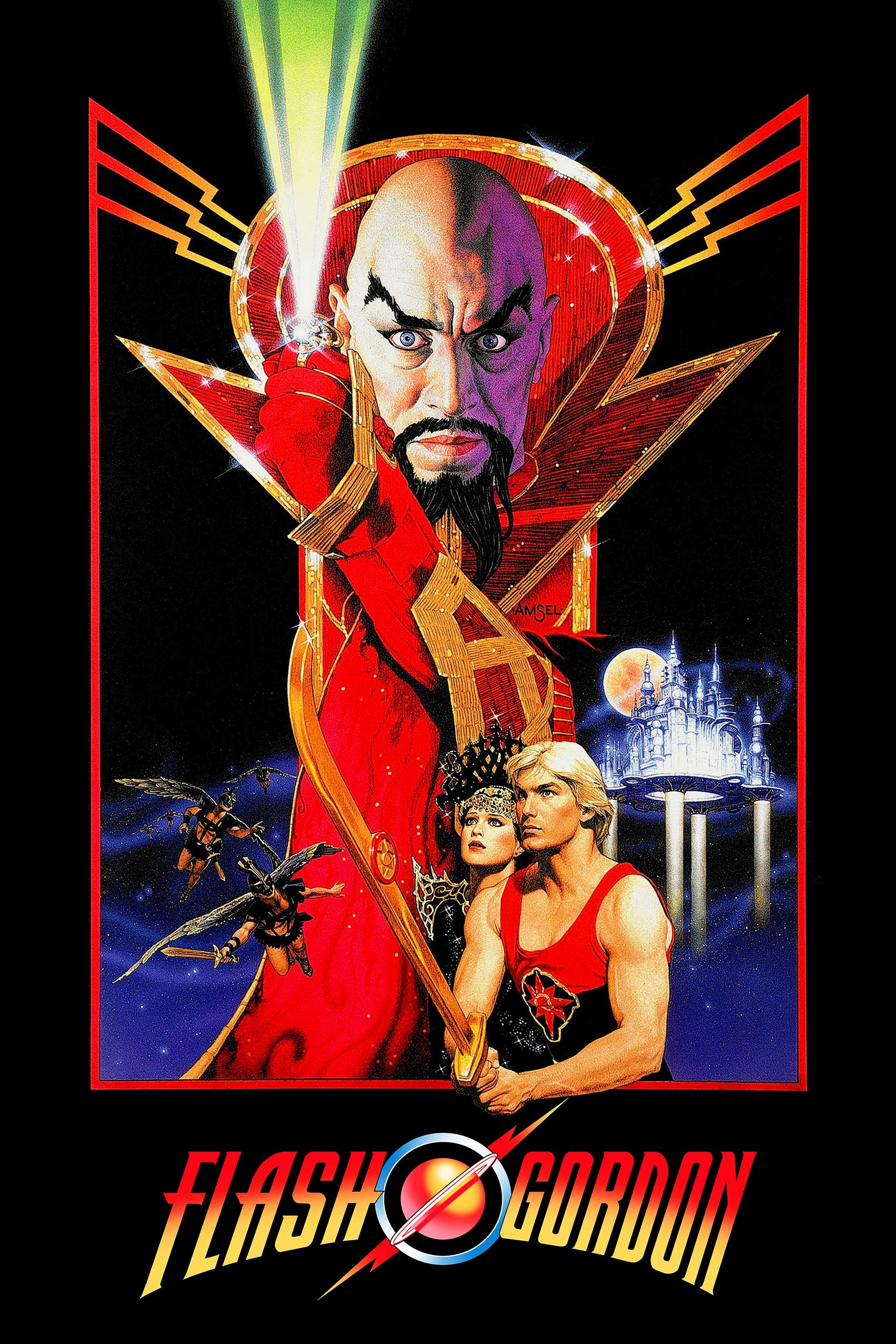
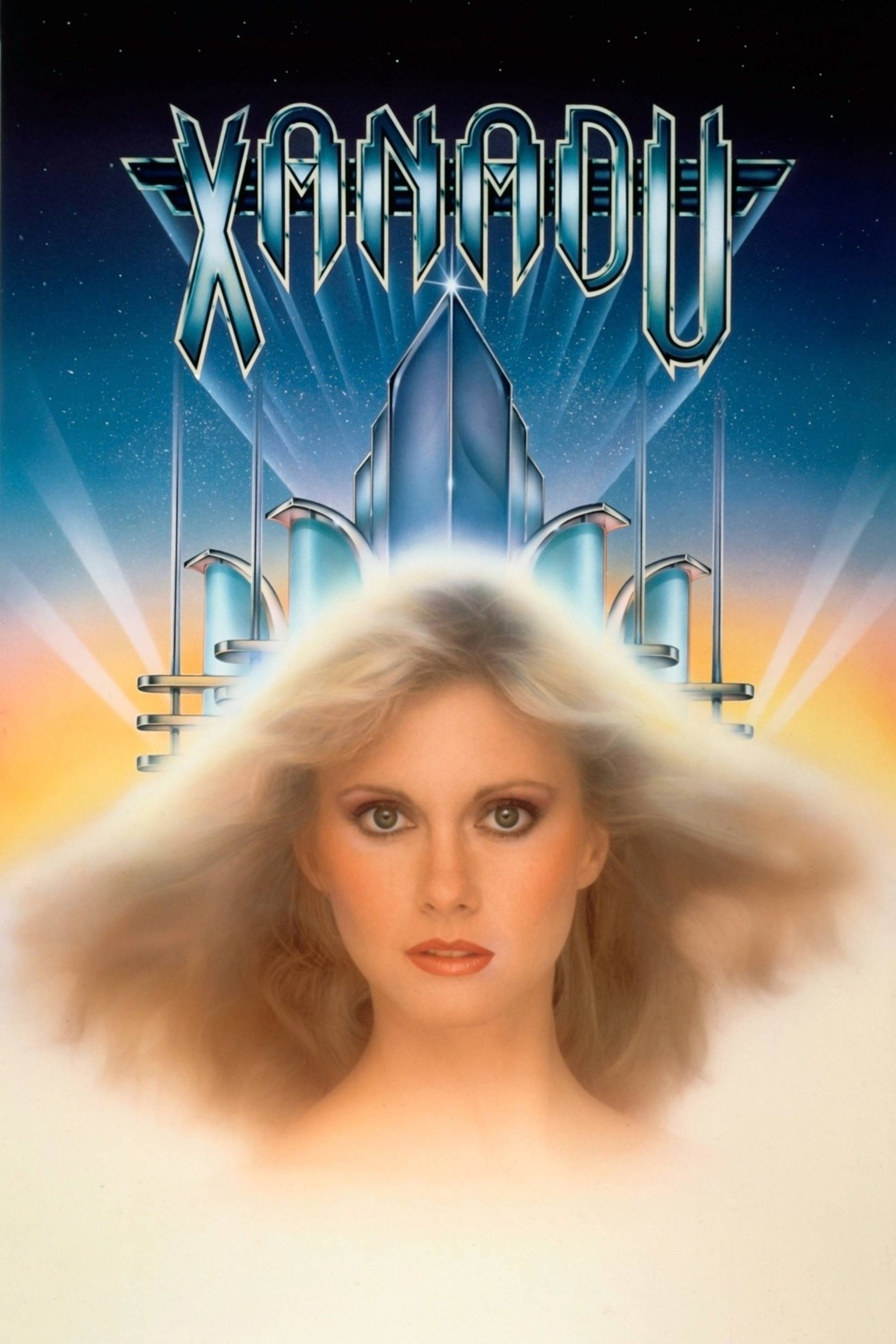
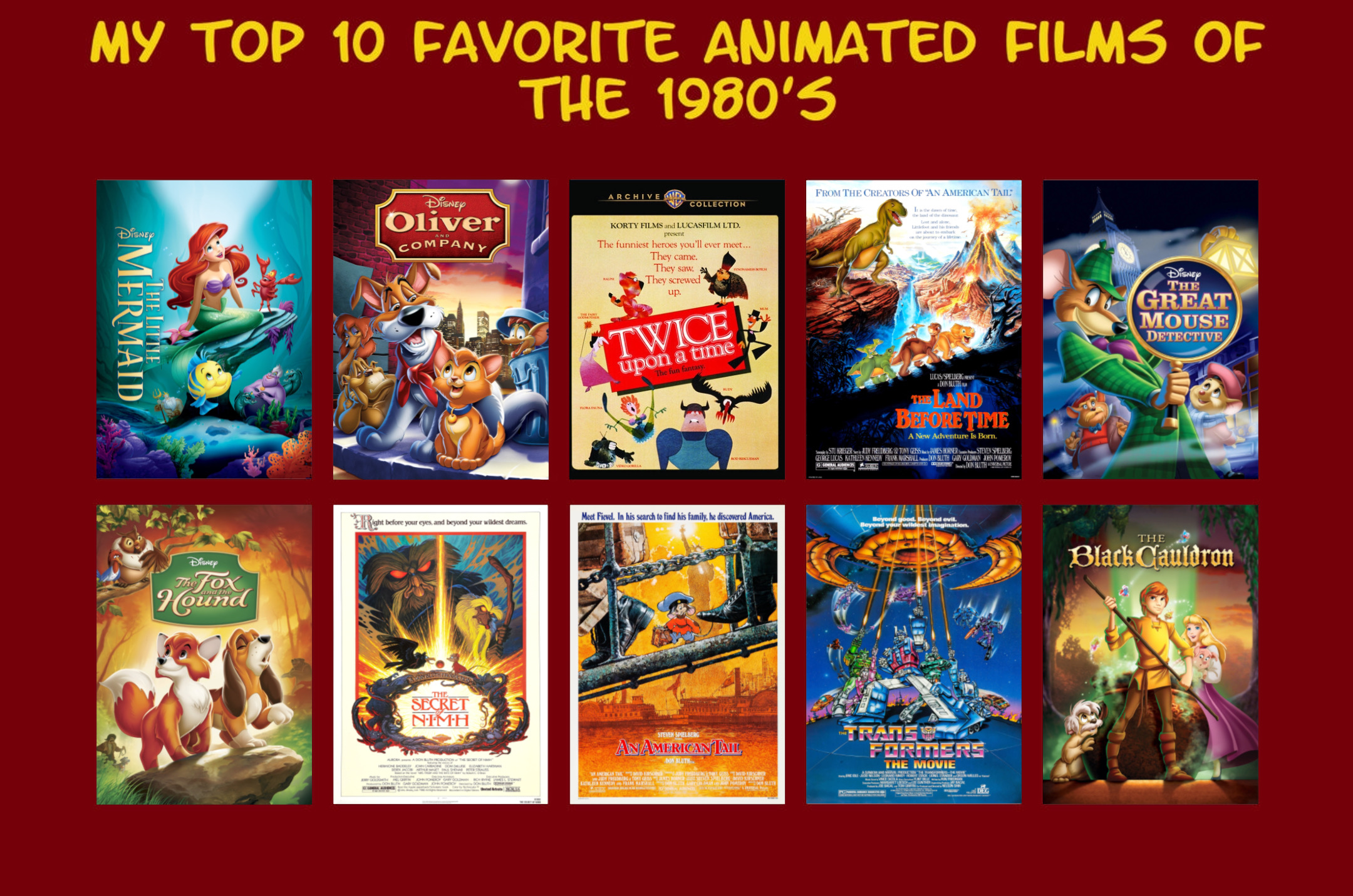
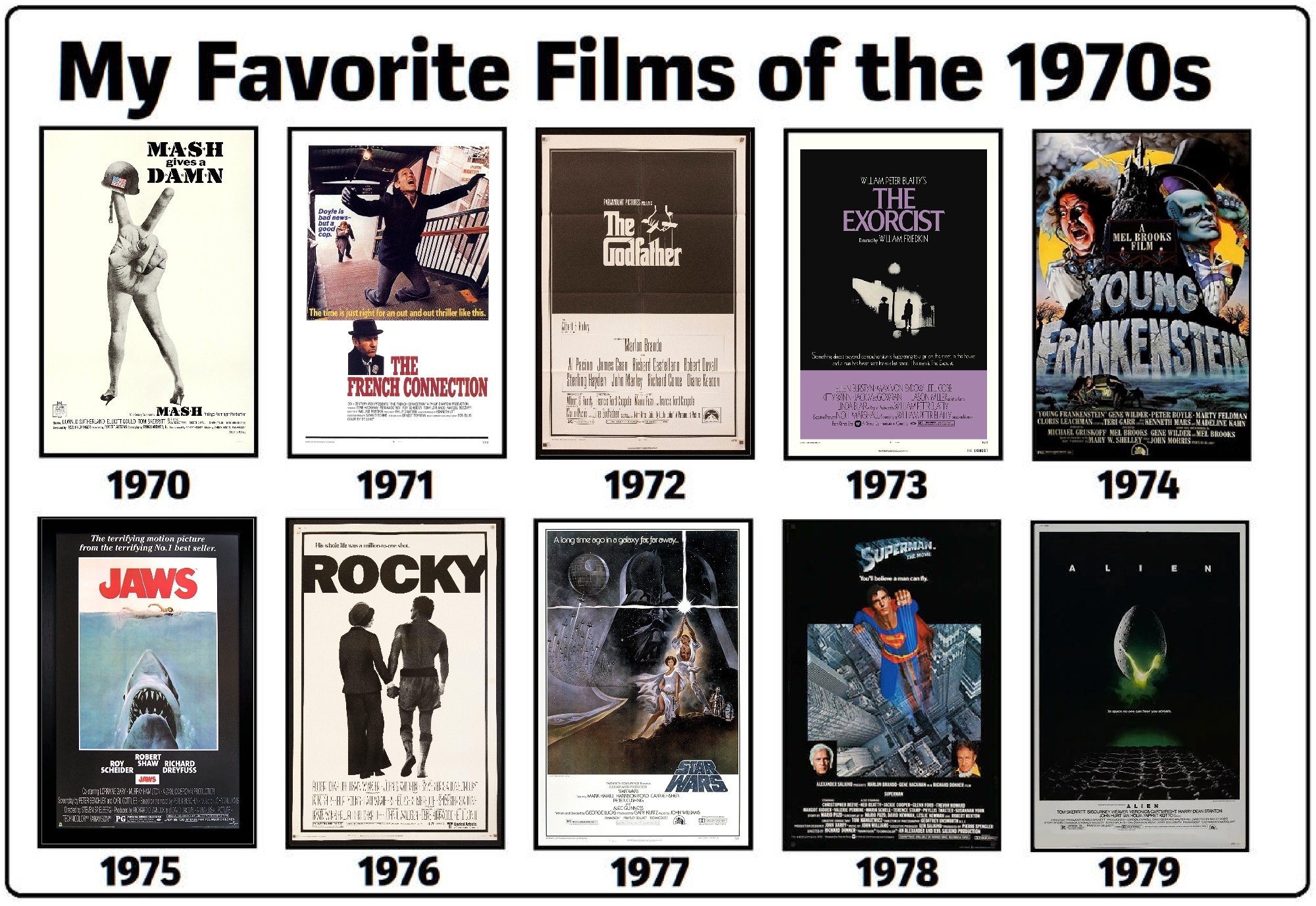
The 1980s was a transformative decade for cinema, defined by the birth of the modern blockbuster, the rise of independent filmmaking, and groundbreaking advancements in practical effects and synthesizers. This era bridged the gritty, director-driven storytelling of the 1970s New Hollywood movement with the high-concept, commercially driven franchises that dominate the global box office today.
The Birth of the High-Concept Blockbuster
The cinematic landscape of the 1980s was heavily shaped by the commercial strategies established by Steven Spielberg and George Lucas in the previous decade, which evolved into a formalized industrial model. Studios began prioritizing high-concept premises that could be summarized in a single sentence, ensuring instant global marketability. This shift transformed how films were conceived, marketed, and monetized, shifting power from traditional studio executives to producer-director powerhouses and marketing departments.
Simultaneously, ancillary revenue streams revolutionized the industry's economic model. The widespread adoption of the VHS home video format created a lucrative secondary market, allowing underperforming theatrical releases to achieve profitability through home rentals and direct purchases. Merchandising agreements tied directly to action figures, apparel, and fast-food partnerships became central to greenlighting decisions. Consequently, family-oriented science fiction, fantasy, and action films dominated multiplexes, creating cultural touchstones that resonated across international borders and cemented Hollywood's global economic dominance.
Technological Shifts in Practical Effects and Sound Design
While computer-generated imagery was in its absolute infancy, the 1980s represented the absolute zenith of traditional practical special effects. Studios heavily invested in specialized effects houses, most notably Industrial Light & Magic (ILM) and Stan Winston Studio, which pushed the boundaries of animatronics, stop-motion animation, optical composites, and creature design. Films such as The Thing (1982) and The Terminator (1984) showcased visceral, tangible monsters and machinery that actors could physically interact with on set, grounding speculative fiction in a tactile reality that modern digital effects frequently struggle to replicate.
Audio engineering underwent an equally dramatic revolution during this period. The introduction of the Dolby Stereo 70mm Six Track format in the late 1970s became standard practice through the 1980s, enabling complex spatial sound design and deep, resonant bass channels. Concurrently, electronic music composition shifted away from traditional orchestral arrangements toward synthesizers and drum machines. Composers like John Carpenter, Tangerine Dream, and Vangelis utilized affordable polyphonic synthesizers to craft haunting, minimalist soundscapes that defined the atmospheric tension of sci-fi, horror, and action genres.
Genre Definitive Pillars of the Decade
| Genre | Defining Characteristics | Key Technical Innovations | Representative Films |
|---|---|---|---|
| Sci-Fi / Adventure | High-stakes quests, futuristic technology, mythological structures, expansive world-building | Advanced optical printing, miniature models, dynamic widescreen framing | Star Wars: Episode V - The Empire Strikes Back (1980), Blade Runner (1982) |
| Teen & Coming-of-Age | Relatable adolescent angst, suburban settings, sharp social commentary, pop soundtracks | Contemporary needle-drops, intimate handheld cinematography, location shooting | The Breakfast Club (1985), Say Anything... (1989) |
| Action & Sci-Fi Thriller | Muscular protagonists, practical stunt work, pyrotechnics, dystopian anxieties | High-speed photography, mechanical creature suits, elaborate squib effects | Die Hard (1988), Aliens (1986) |
| Horror & Slasher | Masked antagonists, suspenseful tracking shots, practical gore, morality-based narratives | Advanced prosthetic makeup, specialized blood formulas, steadicam tracking | The Shining (1980), A Nightmare on Elm Street (1984) |
The Subversion of Youth and Teen Cinema
Before the 1980s, teen characters in Hollywood films were frequently relegated to minor supporting roles or caricatures in exploitation movies. The decade radically altered this dynamic, largely through the writer-director output of John Hughes and the acting ensemble informally known as the "Brat Pack." These films abandoned condescending moralizing in favor of empathetic, nuanced explorations of socioeconomic class, familial dysfunction, and adolescent alienation within the American suburban landscape.
Instead of treating high school as a monolithic institution, these narratives dissected the rigid social hierarchies of jocks, preppies, outcasts, and brains. By combining sharp dialogue with eclectic soundtracks featuring emerging New Wave and alternative rock bands, these productions captured the cultural zeitgeist of contemporary youth. They established a sustainable economic model for mid-budget dramas aimed squarely at teenagers and young adults, proving that character-driven comedies could match the box-office performance of traditional action spectacles.
The Evolution and Satire of Action Cinema
Action cinema in the 1980s evolved through two distinct phases: the rugged, larger-than-life heroics of the early-to-mid decade, followed by a self-aware, ironical subversion by the end of the ten-year span. Initially, geopolitical tensions and a cultural appetite for stoic masculinity produced hyper-muscular protagonists who single-handedly defeated entire armies or criminal syndicates. These narratives relied heavily on practical pyrotechnics, relentless pacing, and quotable one-liners, establishing international superstars who commanded unprecedented global drawing power.
By the late 1980s, however, this hyper-masculine archetype began to mutate into something more cynical and self-referential. Buddy-cop pairings introduced comedic friction and psychological vulnerability into action frameworks, questioning the collateral damage of unchecked vigilantism. Films began to lampoon their own excess, blending high-octane stunts with sharp socio-political commentary about corporate corruption, urban decay, and media saturation. This evolution laid the structural groundwork for the blockbuster action-comedy hybrids that would dominate subsequent decades.
Frequently Asked Questions
What defined the visual style of 1980s cinematography?
1980s cinematography was characterized by aggressive lighting choices, heavy use of atmospheric smoke and fog, and expressive color palettes. Cinematographers frequently utilized anamorphic lenses for sweeping widescreen vistas while employing strong backlighting and neon gels to create high-contrast, moody environments, particularly in science fiction and thriller genres.
How did home video impact the box office during this era?
The rise of VHS rentals and sales created an entirely new revenue stream that often exceeded theatrical box office returns for mid-budget and niche films. This financial cushion allowed studios to take greater risks on unconventional screenplays, knowing that ancillary markets could secure profitability long after a film left theaters.
Which technological advancement had the biggest impact on 1980s horror films?
The widespread availability of advanced chemical foam latex and specialized prosthetic appliances revolutionized horror. It allowed makeup effects artists like Rick Baker and Rob Bottin to execute complex, real-time physical transformations on screen, shifting the genre's focus toward visceral body horror and complex creature mechanics.
Why are practical effects from the 1980s still praised today?
Practical effects retain a physical weight, light-interaction, and spatial presence that early digital imagery could not replicate. Because actors were reacting to tangible physical objects, puppets, or stunt coordinators on set, the performances and spatial continuity felt grounded in a realistic physical environment.
How did the music score change in 1980s cinema?
The traditional orchestral score was increasingly supplemented or entirely replaced by synthesizer-driven compositions. The affordability of polyphonic synthesizers allowed directors to commission distinctive, minimalist, and electronic motifs that established an unmistakable auditory identity for horror, action, and science fiction films.
Preserving Cinematic History for Modern Viewers
To fully appreciate the cinematic achievements of this era, modern viewers should seek out original widescreen cuts and newly restored 4K physical media releases sourced from original camera negatives. Because many 1980s films were formatted for 4:3 cathode-ray tube televisions during the VHS and early DVD eras, viewing them in their intended theatrical aspect ratios ensures proper visual composition and framing. Engaging with film retrospectives, archival documentaries, and original theatrical trailers provides essential historical context, illuminating how these iconic works were received by audiences experiencing them for the very first time.