The 1980s comedy landscape was a transformative era defined by the commercial boom of high-concept Hollywood blockbusters, the rise of the Saturday Night Live alumni network, the subversion of teen cinema, and the birth of mockumentary style, permanently altering how modern audiences consume humor.
Cultural Shift and the Commercialization of Humor
The comedic landscape underwent a radical structural shift driven by shifting demographics, economic growth, and the corporate consolidation of major film studios. As multiplexes expanded across suburban landscapes, Hollywood recognized that low-budget, high-concept comedies could yield exponential returns on investment. This realization dismantled the countercultural, cynical edge that defined much of the 1970s film comedy, replacing it with accessible, marketable, and heavily quotable crowd-pleasers.
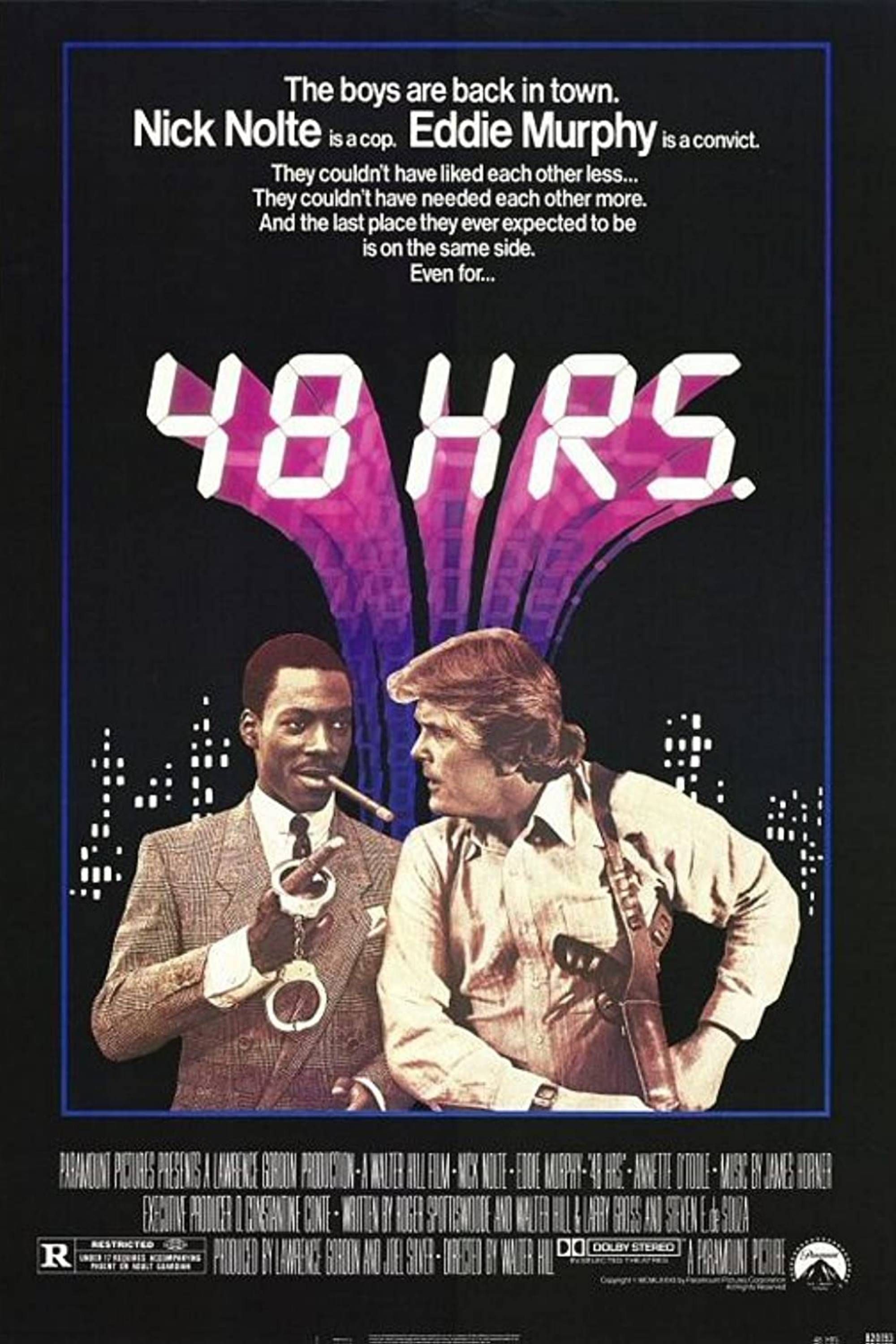
At the center of this commercial boom was the transition of television talent onto the silver screen. Programs like Saturday Night Live served as farm systems for a new generation of comedic auteurs and performers. Actors who honed their improvisational skills on live television brought a distinct kinetic energy to cinema. This era popularized the star vehicle, where a film was structured explicitly around the unique persona of a single comedian, such as Eddie Murphy, Bill Murray, or Steve Martin. Consequently, 1980s comedy became an engine of pop culture, generating catchphrases, fashion trends, and soundtracks that dominated global media.
The Brat Pack and the Subversion of Teen Cinema
Before the 1980s, teenage characters in mainstream media were often relegated to background tropes, wholesome sit-com archetypes, or tragic figures in melodramas. Writer and director John Hughes revolutionized this dynamic by validating adolescent angst, social alienation, and suburban boredom through a nuanced blend of sharp wit and genuine emotional stakes. Films like Sixteen Candles (1984), The Breakfast Club (1985), and Ferris Bueller's Day Off (1986) established a blueprint where teenagers possessed distinct, articulate voices that frequently mocked adult hypocrisy.
Simultaneously, a more raucous, anarchic subgenre of teen comedy emerged, spearheaded by films like Porky's (1981) and Fast Times at Ridgemont High (1982). These movies leaned heavily into physical humor, sexual liberation, and institutional rebellion. While controversial for their crude sensibilities, they captured the unfiltered social anxieties of high school life. This bifurcation of teen comedy—split between Hughes' empathetic, character-driven dramedies and the gross-out exploitation flicks—created a broad spectrum of coming-of-age humor that continues to influence modern streaming series and indie films.
The Rise of High-Concept Blockbusters and Action Comedies
The decade also birthed the high-concept comedy, a formula built on a simple, easily marketable premise that blended genres—most notably comedy with science fiction, fantasy, or gritty action. Ivan Reitman’s Ghostbusters (1984) stands as a quintessential example, merging supernatural horror, state-of-the-art special effects, and deadpan improvisation from a cast of seasoned sketch comedians. This blockbuster model proved that comedies could command massive budgets and compete directly with summer action franchises.
Parallel to the supernatural blockbuster, the buddy cop and action-comedy subgenres flourished. Beverly Hills Cop (1984) established Eddie Murphy as a global superstar by pairing fish-out-of-water urban comedy with hard-boiled crime drama. Similarly, Lethal Weapon (1987) injected vital comedic friction into the tired police procedural. These films relied on rapid-fire banter, cultural clashes, and the juxtaposition of high-stakes danger with mundane comedic observations.
Defining Subgenres and Key Milestones of 1980s Humors
| Subgenre | Defining Characteristics | Key Films / Projects | Major Performers & Auteurs |
|---|---|---|---|
| High-Concept Blockbusters | Merging comedy with sci-fi, fantasy, or high budgets; ensemble casts. | Ghostbusters (1984), Back to the Future (1985) | Bill Murray, Dan Aykroyd, Michael J. Fox, Ivan Reitman |
| Teen and Coming-of-Age | Focus on high school hierarchy, angst, rebellion, and sexual awakening. | The Breakfast Club (1985), Fast Times at Ridgemont High (1982) | John Hughes, Molly Ringwald, Sean Penn, Judd Nelson |
| Star-Driven Action Comedies | Blending gritty action or crime plots with rapid-fire urban or fish-out-of-water wit. | Beverly Hills Cop (1984), Midnight Run (1988) | Eddie Murphy, Robert De Niro, Charles Grodin |
| Satire and Mockumentary | Poking fun at institutional norms, documentary filmmaking conventions, and excess. | This Is Spinal Tap (1984), Airplane! (1980) | Christopher Guest, Rob Reiner, Leslie Nielsen, Jim Abrahams |
Satire, Parody, and the Birth of Modern Mockumentary
While commercial blockbusters dominated the box office, the 1980s also redefined satirical and parody filmmaking. The decade opened with Airplane! (1980), which codified the rapid-fire, joke-every-three-seconds gag machine that subverted disaster movie clichés through deadpan delivery and visual puns. This spoof style prioritized absurdism over narrative logic, setting a standard for decades of subsequent parody films.
More importantly, the era gave birth to the modern mockumentary with Rob Reiner’s This Is Spinal Tap (1984). By applying the documentary format to a fictional, declining heavy metal band, the film introduced unscripted, improvised deadpan humor that exposed the absurd pretensions of the music industry. This stylistic choice directly influenced late-90s and 2000s television formatting, providing the genealogical root for single-camera, documentary-style comedies that dominate contemporary media.
The Legacy and Enduring Cultural Footprint
The comedic output of the 1980s established foundational templates that modern entertainment continues to iterate upon. The crossover appeal of sketch comedians entering major cinema, the commercial viability of high-concept cross-genre premises, and the validation of teenage perspectives all solidified during this ten-year span. While production values, technological capabilities, and social sensitivities have evolved, the structural mechanics of contemporary studio comedy remain deeply indebted to the risks taken by 1980s writers, directors, and performers.
Frequently Asked Questions
What defined the comedic style of 1980s cinema?
The comedic style of the 1980s was characterized by a shift toward high-concept premises, star-driven vehicles originating from sketch comedy television, and a blend of slapstick, satire, and coming-of-age vulnerability. It moved away from the cynical countercultural humor of the 1970s toward accessible, highly commercial blockbusters.
How did Saturday Night Live influence 1980s comedy films?
Saturday Night Live served as a primary talent incubator for the decade. Performers and writers transitioned from live television to feature films, bringing improvisational skills, memorable character personas, and ensemble dynamics that shaped major box-office hits throughout the era.
What was the significance of John Hughes in 1980s teen comedies?
John Hughes revolutionized teen cinema by treating adolescent emotional struggles with authenticity and wit. Rather than reducing teenagers to broad caricatures, his films explored class dynamics, social isolation, and suburban angst through sharp, relatable dialogue.
Are 1980s comedies still relevant to modern audiences?
Yes, many 1980s comedies remain culturally relevant and widely streamed because their foundational tropes—such as fish-out-of-water scenarios, high school social stratification, and action-comedy pacing—form the basis of modern commercial filmmaking. Furthermore, the era's breakout stars continue to influence contemporary comedy performance.
What is a high-concept comedy from this era?
A high-concept comedy is a film built around a simple, easily summarized, and often fantastical premise—such as time travel, ghost hunting, or body-swapping—that merges comedic situations with high production values or genre elements.
How did mockumentaries originate in the 1980s?
Mockumentaries gained prominence with films like This Is Spinal Tap (1984), which used the stylistic conventions of documentary filmmaking to frame a fictional, satirical subject, pioneering a format that would later become a staple of modern television.
Strategic Next Actions for Film Enthusiasts
To fully appreciate the scope of this era, viewers should explore the cinematic transition from 1970s auteur-driven satires to 1980s high-concept blockbusters by watching foundational double features, such as pairing Animal House (1978) with Fast Times at Ridgemont High (1982), or tracing the directorial careers of Rob Reiner and Ivan Reitman. Analyzing how these filmmakers utilized improvisation and high concepts provides vital context for understanding the evolution of contemporary comedic media.