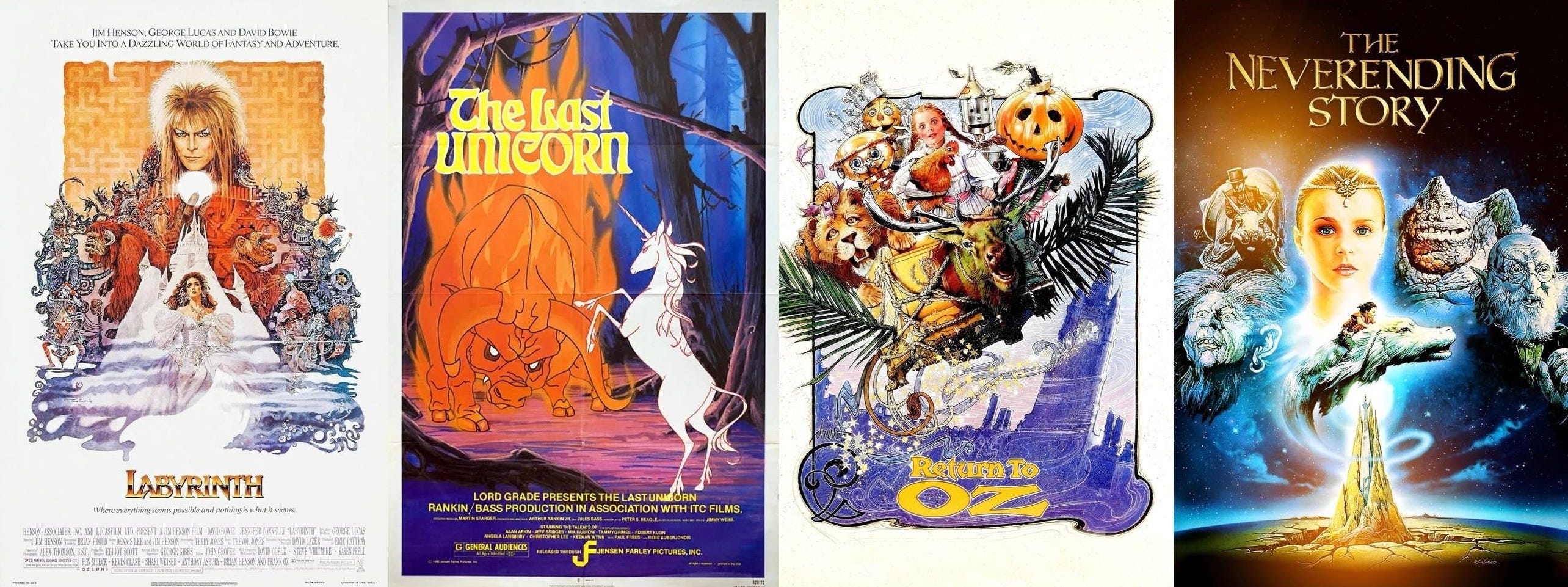
The 1980s action fantasy genre represents a unique intersection of high-octane cinema, sword-and-sorcery literature, and tabletop roleplaying traditions characterized by muscular heroes, practical special effects, synthesizer-heavy scores, and high-stakes quests against supernatural forces.
Defining the 1980s Action Fantasy Aesthetic
The cinematic and literary landscape of the 1980s gave birth to a distinct subgenre where traditional fantasy tropes collided with the kinetic energy of modern action movies. Rather than relying solely on quiet contemplation or classical mythic structures, 1980s action fantasy prioritized physical prowess, visceral combat, leather-clad warriors, and relentless pacing. This aesthetic was heavily influenced by the resurgence of sword-and-sorcery pulp fiction popularized by authors like Robert E. Howard, combined with the technological boom of practical creature effects, optical compositing, and animatronics.
At its core, the genre bridges the gap between the gritty realism of medieval warfare and the larger-than-life spectacle of contemporary blockbusters. Protagonists were frequently solitary wanderers, barbarian outcasts, or rogue mercenaries thrust into sprawling cosmic conflicts against tyrannical sorcerers, ancient cults, and monstrous abominations. The atmosphere was invariably moody, atmospheric, and tactile, relying on real locations, intricate miniature models, matte paintings, and stop-motion animation rather than digital rendering. This physical authenticity gave the worlds a tangible, lived-in weight that defined the era's visual identity.
Foundational Milestones and Cinematic Catalysts
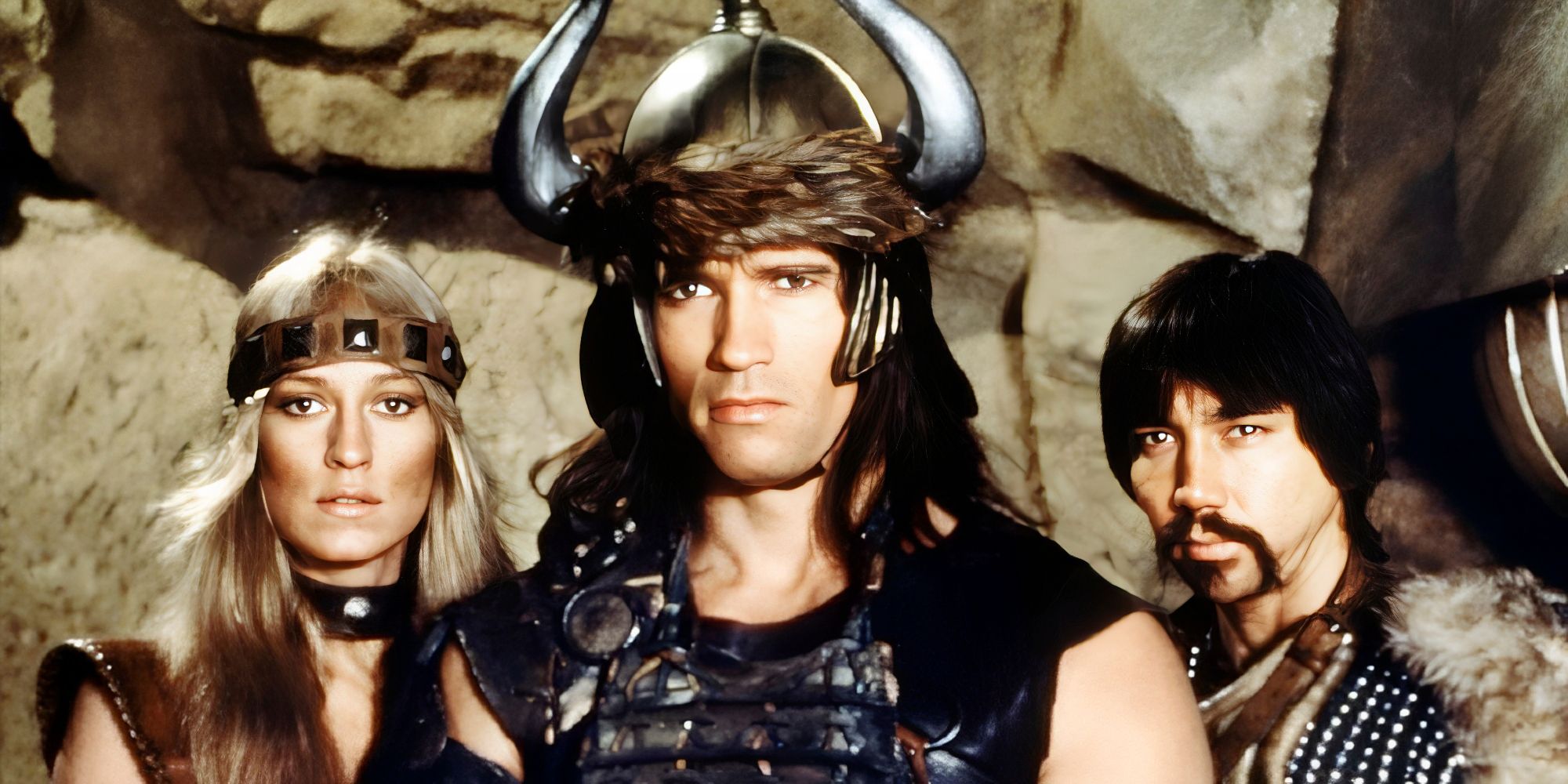
The crystallization of the 1980s action fantasy genre began in earnest with the release of landmark films that established the commercial viability and artistic blueprint for subsequent imitators. John Milius’s 1982 adaptation of Conan the Barbarian served as the undeniable cornerstone of the movement. By pairing a brooding, physically imposing lead with an iconic orchestral score by Basil Poledouris and a grim, philosophical script, the film demonstrated that fantasy could appeal directly to adult action audiences.
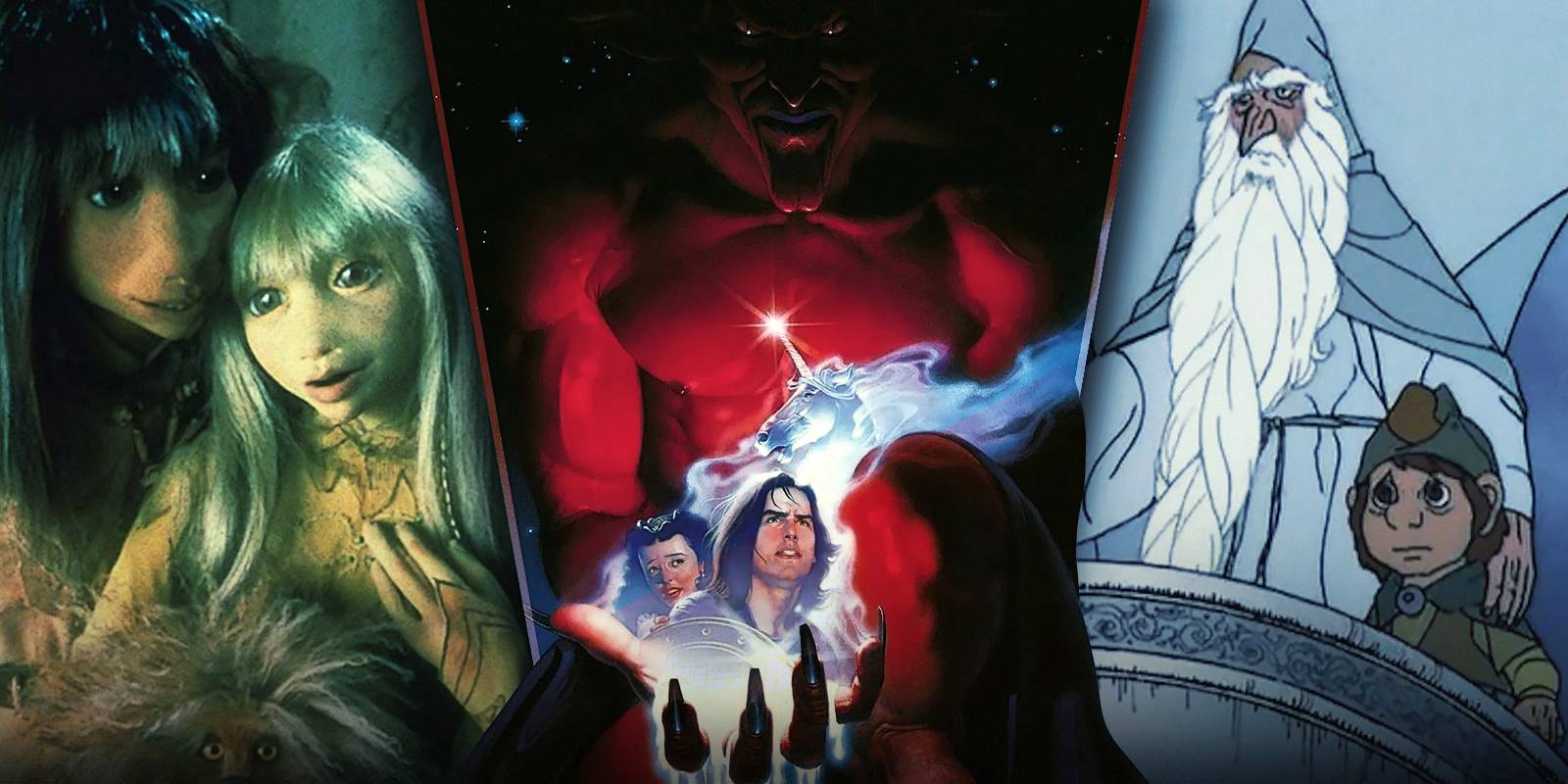
Following Conan the Barbarian, the marketplace flooded with a wave of high-fantasy and sword-and-sorcery productions throughout the decade. Films such as The Beastmaster (1982), Excalibur (1981), Krull (1983), and Red Sonja (1985) expanded the boundaries of the genre, introducing diverse interpretations of mythic heroism. Even science-fiction hybrids like Masters of the Universe (1987) and Deathstalker (1983) adopted the fundamental structural tenets of the movement: a chosen champion, an impossible quest, an oppressive overlord, and non-stop physical confrontations utilizing swords, sorcery, and brute strength.
Key Tropes and Narrative Structures
Examining the structural anatomy of 1980s action fantasy reveals a dependable set of narrative conventions that recur across novels, tabletop campaigns, and films of the period. Understanding these recurring elements provides critical insight into why the subgenre resonates so strongly with audiences seeking specific mythic archetypes.
- The Solitary Outsider: The protagonist is frequently alienated from mainstream society—an exiled prince, a wandering barbarian, or the sole survivor of a destroyed village—granting them the moral detachment required to confront absolute evil.
- The Improbable Fellowship: Along the journey, the lone hero attracts a ragtag band of specialists, including rogue archers, grizzled veterans, mystical mentors, and agile thieves, each bringing distinct practical skills to the mission.
- The Artifact of Ultimate Power: Plots invariably center around recovering, protecting, or destroying a tangible macguffin, such as an enchanted sword, a magical amulet, or a mystical crown capable of altering the cosmic balance.
- Practical Visual Effects: Action sequences rely on prosthetic makeup, animatronic monsters, wirework stunts, and pyrotechnics, lending a visceral, gritty quality to every battle.
| Title | Release Year | Primary Creative Force | Defining Characteristic |
|---|---|---|---|
| Excalibur | 1981 | John Boorman | Operatic, mythic staging with heavy Arthurian tragedy |
| Conan the Barbarian | 1982 | John Milius | Gritty physical realism and iconic symphonic score |
| The Beastmaster | 1982 | Don Coscarelli | Telepathic animal companionship and cult-classic worldbuilding |
| Krull | 1983 | Peter Yates | Blending of high fantasy with interstellar star-gazing tropes |
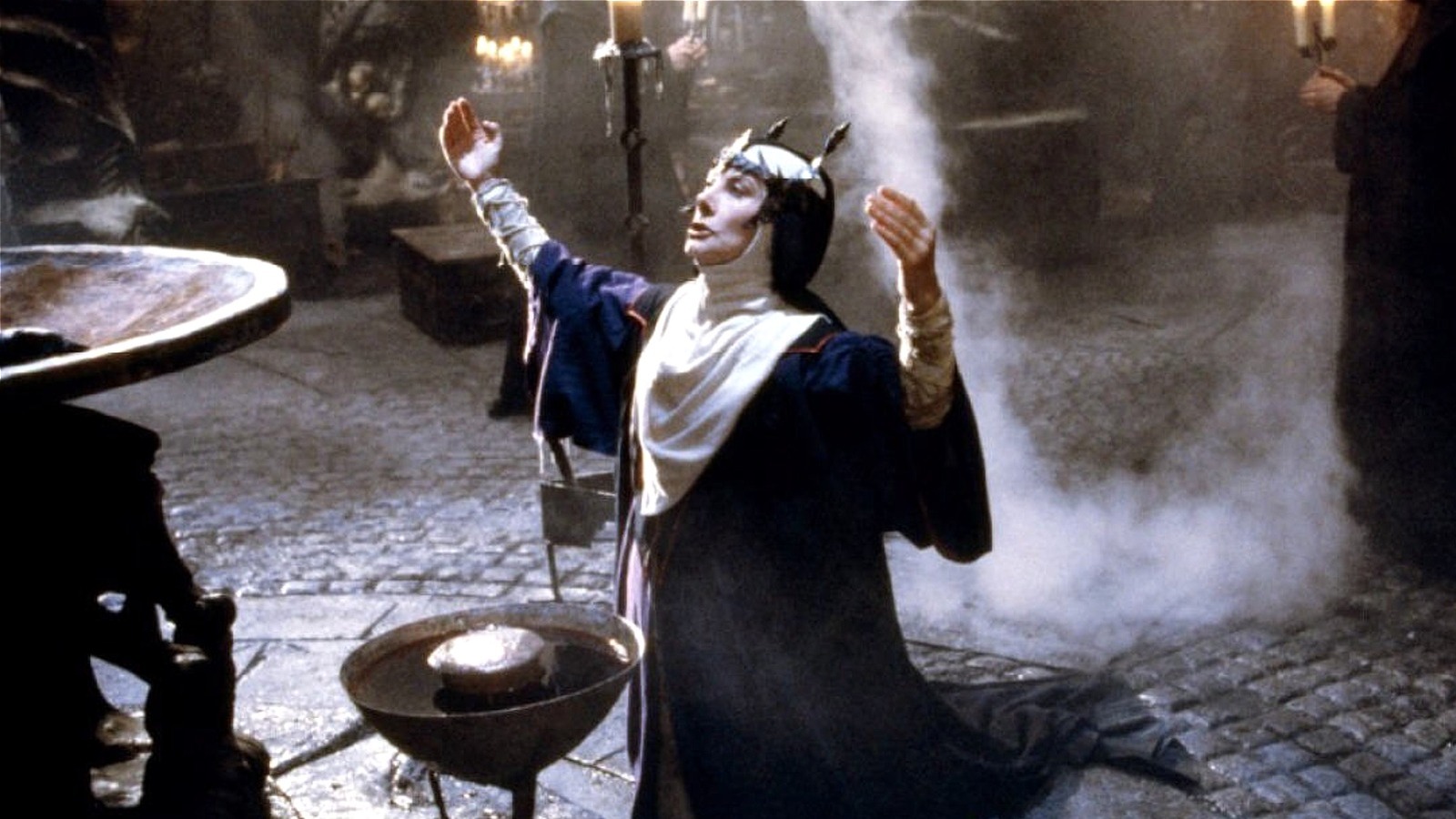
| Ladyhawke | 1985 | Richard Donner | Romantic medieval fantasy driven by a tragic shape-shifting curse |
The Influence of Tabletop Gaming and Pulp Literature
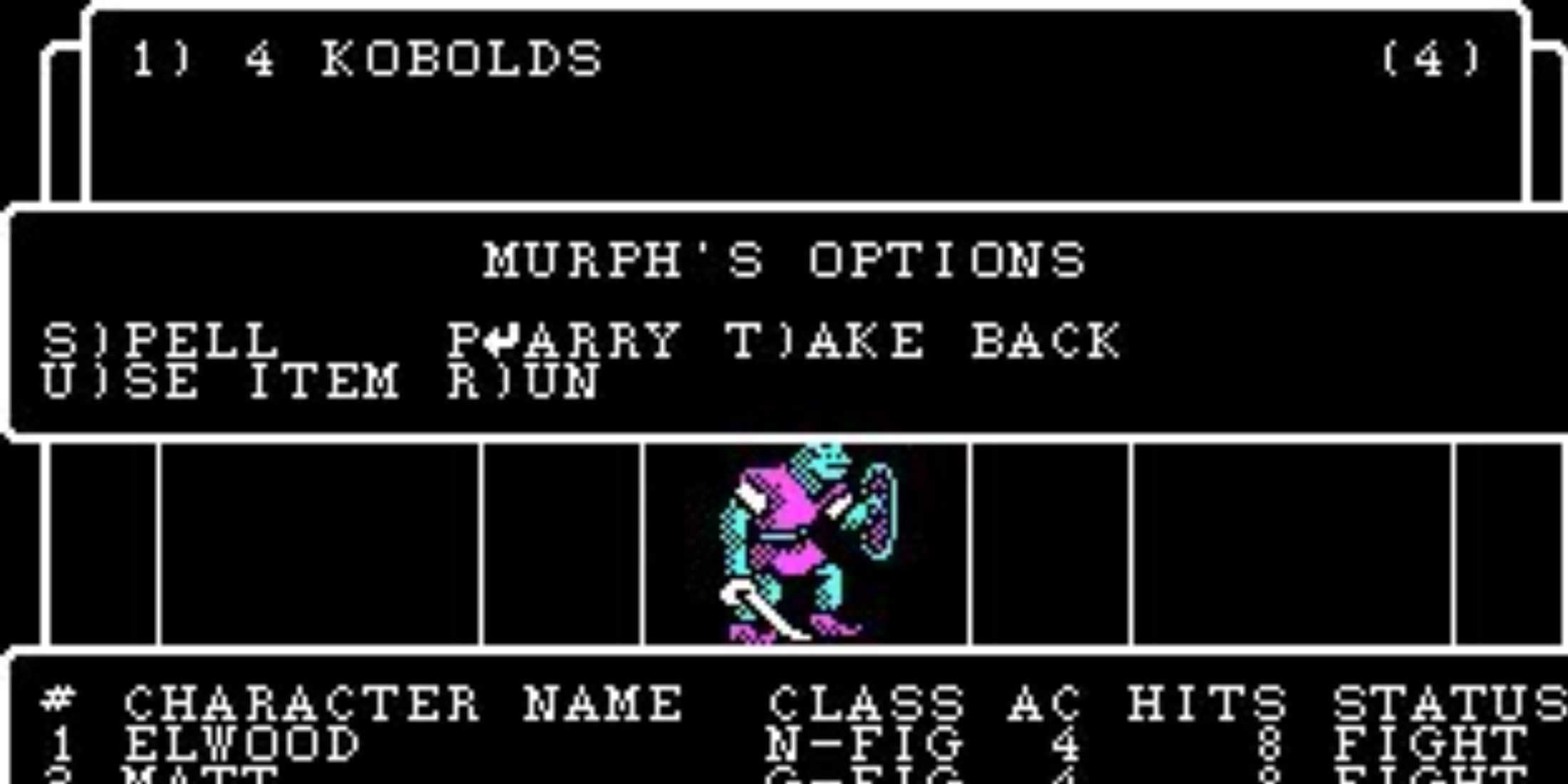
The explosive growth of 1980s action fantasy did not occur in a cultural vacuum; it was deeply intertwined with the tabletop roleplaying boom and the mass-market paperback publishing industry. Dungeons & Dragons, originally published in the 1970s, reached unprecedented cultural saturation in the 1980s, shaping how generations envisioned epic quests, party dynamics, and magical combat. This tabletop sensibility directly influenced the modular storytelling of the era's films and novels, where heroes moved from distinct encounter locations—such as cavernous dungeons, ancient ruins, and sorcerous towers—defeating specialized adversaries along the way.
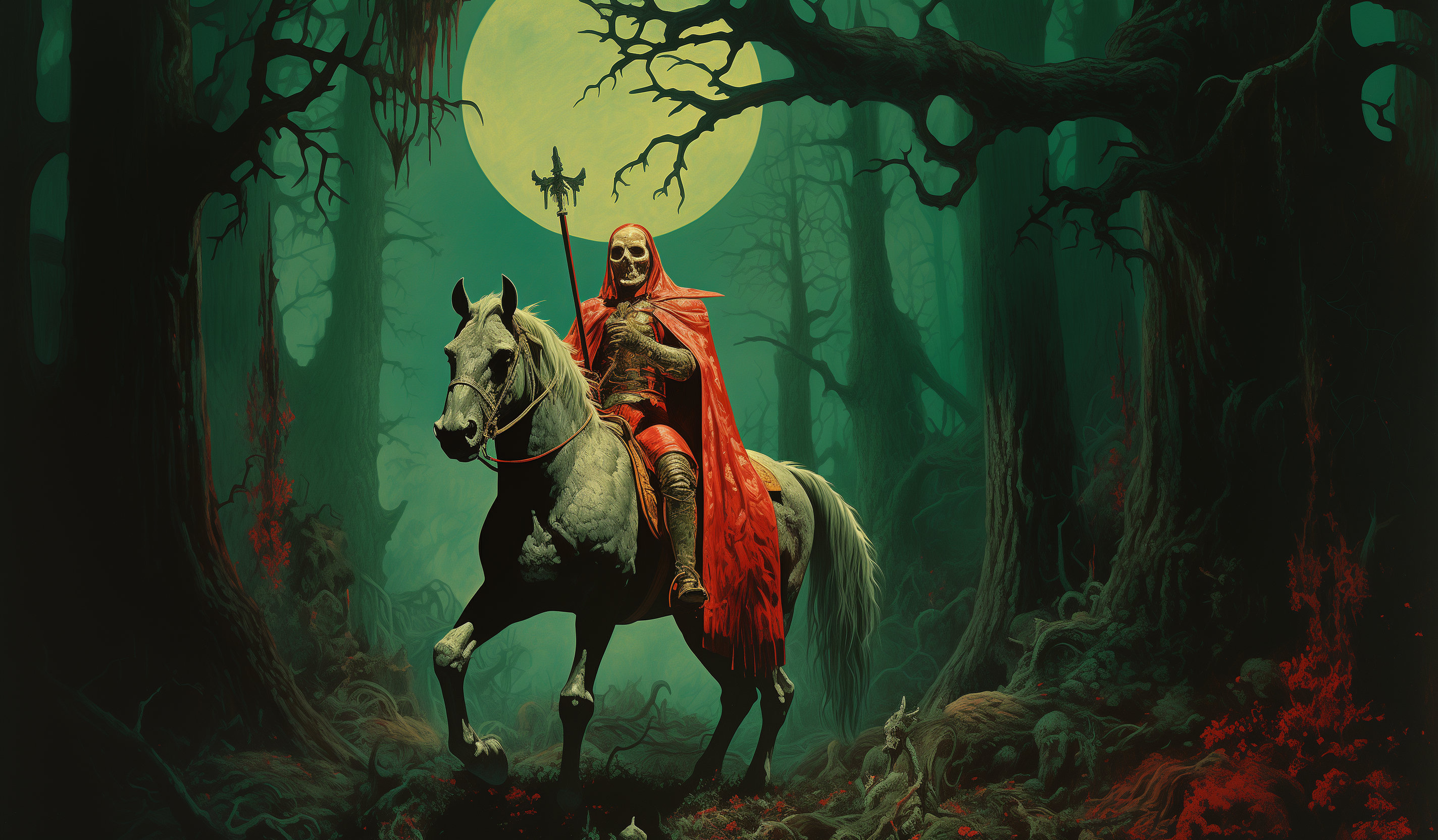
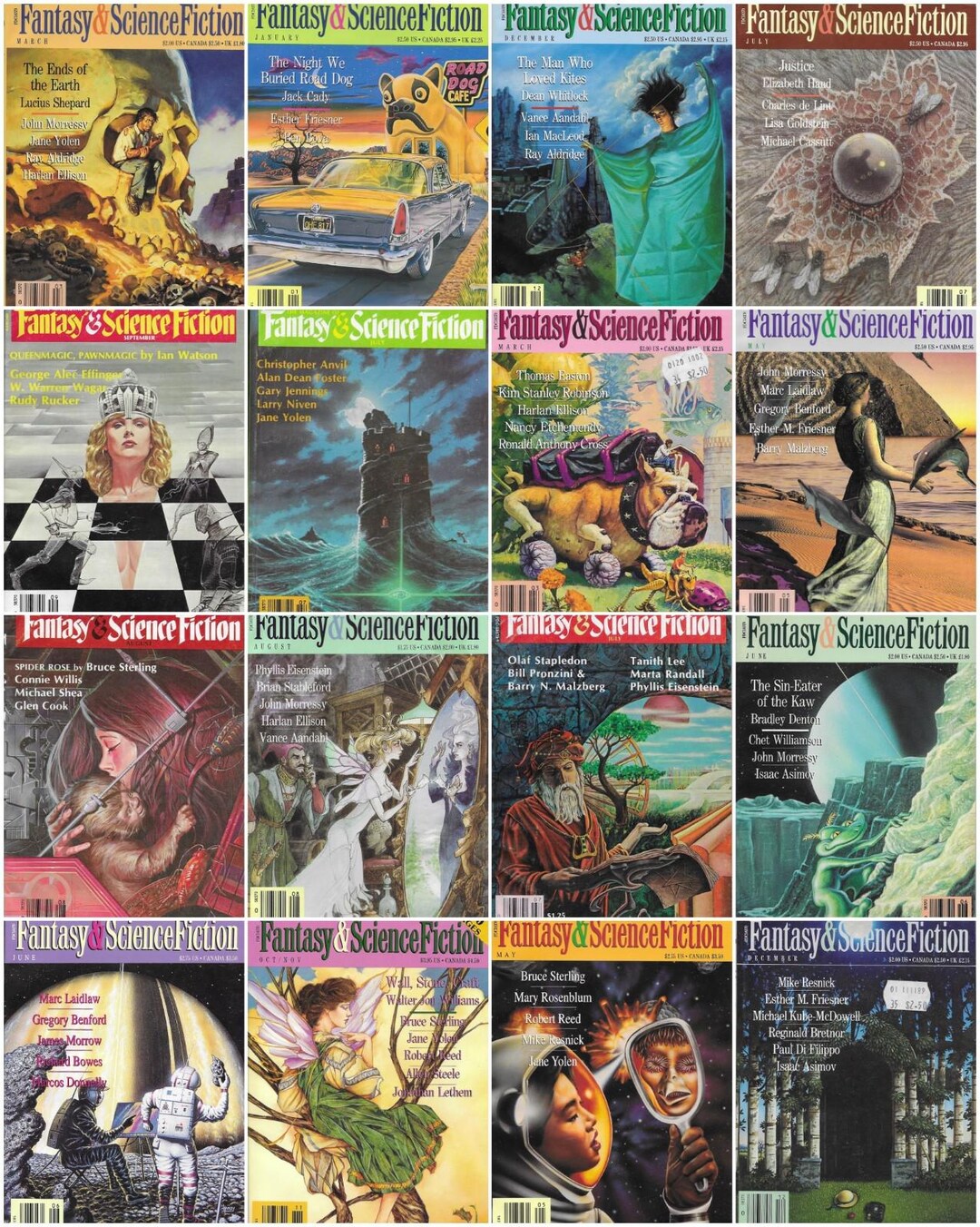
Simultaneously, mass-market paperback racks were flooded with pulp fantasy novels by authors like David Eddings, Raymond E. Feist, and Terry Brooks, alongside endless iterations of sword-and-sorcery paperbacks featuring painted covers by artists like Frank Frazetta and Boris Vallejo. These iconic visual compositions—featuring oiled, muscular warriors locked in combat with multi-headed beasts against fiery skies—served as direct visual blueprints for the marketing and set design of 1980s action fantasy cinema.
Technical Production and Audio Landscapes
The distinctive feel of 1980s action fantasy relies heavily on its production techniques, which predate the digital revolution. Cinematographers utilized heavy filtration, smoke machines, and dramatic chiaroscuro lighting to evoke a timeless, mythic atmosphere that masked the practical limitations of modest film budgets. Sound design was equally crucial; the clash of real steel blades, echoing cavern acoustics, and roaring practical fires created an immersive auditory landscape.
Complementing this sonic backdrop were the monumental orchestral and early synthesizer scores. Composers like Basil Poledouris, James Horner, and Ennio Morricone utilized massive brass sections, driving percussion, and sweeping choral arrangements to elevate pulp-fiction narratives into grand, mythic experiences. These musical compositions remain some of the most recognizable and enduring elements of the subgenre, frequently overshadowing the narrative shortcomings of the films they accompanied.
Enduring Legacy and Modern Revival
Decades after its initial peak, the 1980s action fantasy style continues to exert a powerful influence on modern media, inspiring contemporary filmmakers, game developers, and fiction writers who seek to recapture its unironic earnestness and tactile craftsmanship. While modern productions frequently utilize digital visual effects, the stylistic markers of the era—sweeping orchestral themes, practical creature design, and unapologetically heroic protagonists—remain highly sought-after commodities in contemporary pop culture.
For enthusiasts looking to engage with the genre today, diving into the original cinematic releases, restoring classic paperback editions, or exploring retro-styled indie video games offers a direct connection to a vibrant period of creative excess. By appreciating the technical limitations and artistic ambitions of 1980s creators, modern audiences can fully understand how muscle, magic, and myth merged to create an enduring chapter in fantasy history.
Frequently Asked Questions
What defines 1980s action fantasy compared to traditional high fantasy?
Traditional high fantasy typically focuses on sweeping geopolitical conflicts, intricate worldbuilding, and moral philosophy akin to J.R.R. Tolkien’s works. In contrast, 1980s action fantasy emphasizes physical combat, solitary heroes, pulp-magazine aesthetics, and fast-paced, episodic quest structures driven by visceral action rather than political intrigue.
Which film is considered the definitive starting point of the 1980s sword-and-sorcery boom?
John Milius’s 1982 film Conan the Barbarian is universally recognized as the catalyst that launched the major 1980s sword-and-sorcery boom. Its commercial success proved that adult-oriented fantasy featuring muscular protagonists and orchestral scores could dominate the global box office.
How did tabletop roleplaying games influence 1980s action fantasy media?
Tabletop games like Dungeons & Dragons popularized party-based questing, distinct character classes, and episodic obstacle navigation. Filmmakers and authors adopted these structural tropes, resulting in stories where heroes journey through distinct tactical environments to acquire magical items and defeat specialized monsters.
Are practical effects still valued in modern homages to 1980s fantasy?
Yes. Modern creators and fans frequently praise practical makeup, animatronics, and miniature models for providing a tactile, authentic weight that CGI struggles to replicate. This nostalgia drives continued interest in the physical craftsmanship of 1980s cinema production.
Where can I start if I want to explore 1980s action fantasy literature?
To explore the literary roots of the movement, look for classic paperback reissues of sword-and-sorcery fiction, particularly works inspired by Robert E. Howard’s Conan tales, Moorcock’s Elric saga, and the foundational fantasy novels published during the peak of the 1980s paperback boom.