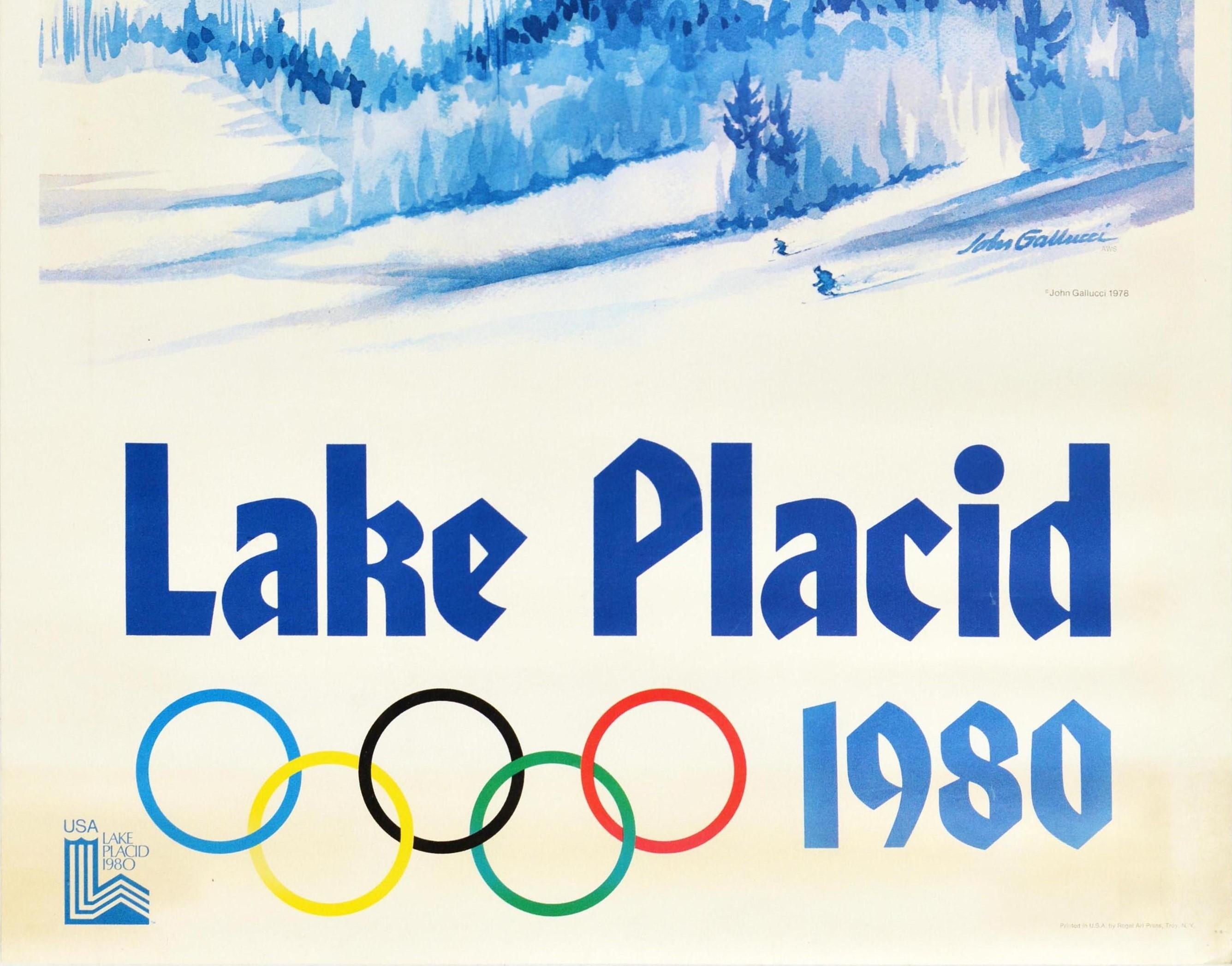
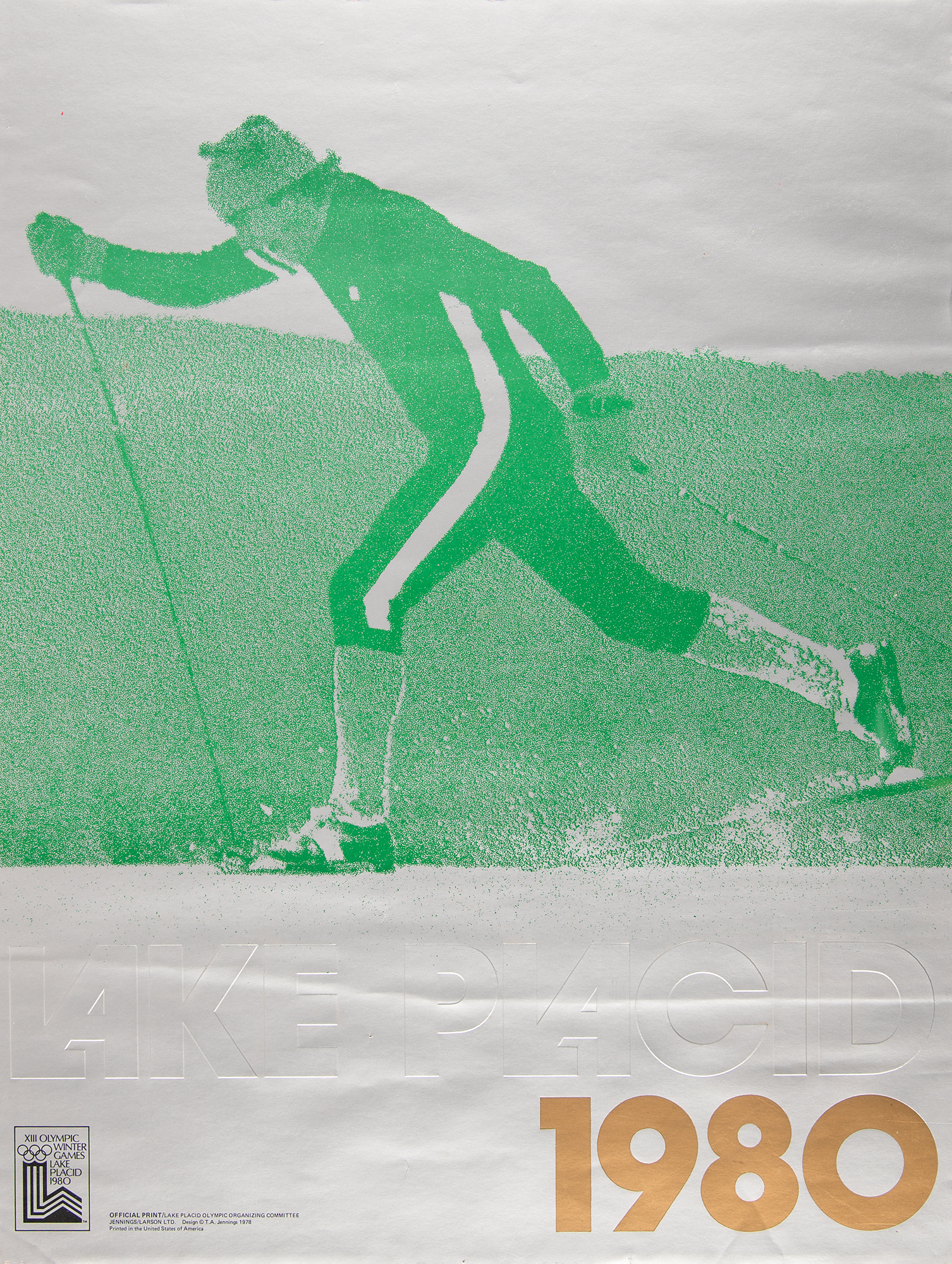
The 1980 Winter Olympics, officially known as the XIII Olympic Winter Games, were hosted in Lake Placid, New York, United States, from February 13 to February 24, 1980. Renowned for the legendary "Miracle on Ice" hockey upset and innovative use of artificial snowmaking, these Games transformed the small Adirondack village into a global stage during a tense Cold War era.
Background and Selection of Lake Placid
Lake Placid previously hosted the 1932 Winter Olympics, making it one of the few locations to host the Winter Games multiple times. The International Olympic Committee (IOC) awarded the 1980 Games to Lake Placid on October 23, 1974, after Vancouver-Garibaldi withdrew its bid, leaving Lake Placid as the sole candidate city.
Preparing a small, rural community for a massive international sporting event presented immense logistical challenges. Unlike modern multi-billion-dollar mega-events, the 1980 Lake Placid Games relied heavily on existing infrastructure supplemented by federal, state, and local funding. Organizers faced tight deadlines to construct or modernize venues, including the Herb Brooks Arena, the Mt. Van Hoevenberg bobsled and luge run, and the Whiteface Mountain alpine skiing facilities.
The logistical framework also required planning for thousands of athletes, officials, and spectators in an area with limited hotel capacity. To accommodate the influx, organizers utilized nearby Clinton Correctional Facility housing units as the Olympic Village, a controversial decision that sparked significant pre-games debate regarding athlete accommodations and security.
The Cold War Context and Geopolitical Tensions
The 1980 Winter Olympics took place against a backdrop of severe international political friction. Just weeks before the opening ceremony, the Soviet Union invaded Afghanistan in December 1979. This military action prompted United States President Jimmy Carter to issue an ultimatum: unless Soviet troops withdrew from Afghanistan within a month, the United States would boycott the upcoming 1980 Summer Olympics in Moscow.
While the Lake Placid Winter Games proceeded without a U.S. boycott, the political atmosphere was heavily charged. Athletes from the Soviet Union and Eastern Bloc nations competed under intense ideological scrutiny. Security was unprecedented for a winter sports event, heightened by lingering memories of the 1972 Munich Massacre and domestic concerns about civil unrest. Despite these tensions, the competition itself served as a focal point for global athletic achievement, culminating in unforgettable matchups on ice and snow.
The Miracle on Ice
The defining moment of the 1980 Winter Olympics occurred on February 22, 1980, during the medal round of the ice hockey tournament. The United States team, composed entirely of amateur and collegiate players assembled and coached by Herb Brooks, faced the heavily favored Soviet Union team. The Soviet squad featured seasoned professionals who had dominated international hockey, winning the previous four consecutive Olympic gold medals.
The game carried immense symbolic weight due to the prevailing Cold War climate. When the U.S. team, trailing late in the game, secured a stunning 4-3 victory, it resonated far beyond the confines of the Olympic arena. Broadcaster Al Michaels delivered his iconic countdown call—"Do you believe in miracles? Yes!"—cementing the event in sports history. Two days later, the U.S. defeated Finland 4-2 to secure the gold medal, completing an improbable championship run that remains one of the most celebrated upsets in sports history.
Athletic Highlights and Dominant Performances
Beyond ice hockey, the 1980 Winter Games featured extraordinary individual and team performances across various disciplines. American speed skater Eric Heiden delivered a historic and unmatched performance, winning all five individual speed skating events (500m, 1000m, 1500m, 5000m, and 10000m) and setting four Olympic records and one world record. Heiden remains the only athlete in Olympic history to win five gold medals at a single Winter Games.
In alpine skiing, Liechtenstein's Hanni Wenzel dominated the women's events, capturing gold medals in the slalom and giant slalom, alongside a silver in the downhill. Sweden's Ingemar Stenmark claimed gold in the men's slalom and giant slalom, solidifying his status as one of the greatest technical skiers of all time. Figure skating also provided high drama, with East Germany's Jan Hoffmann and Anett Pötzsch capturing titles, while British skaters Jayne Torvill and Christopher Dean made their Olympic debut ahead of their later dominance.
Technological and Logistical Innovations
The 1980 Winter Olympics marked a turning point in sports technology, most notably in the management of winter weather. Lake Placid experienced an unusually mild winter with minimal natural snowfall prior to the Games. To ensure competitions could proceed, organizers deployed a massive, untested system of artificial snowmaking machines across the alpine and cross-country skiing venues. This historic deployment proved essential, establishing artificial snow as a mandatory component for reliable winter sports event management.
Furthermore, Lake Placid 1980 introduced significant logistical precedents for broadcasting and accommodation. It was the first Winter Olympics to heavily utilize closed-circuit television networks for venue management and security coordination. Additionally, the transition of the Olympic Village into permanent low-income housing and correctional facilities after the Games set a precedent for sustainable post-Olympic infrastructure usage, though the transition period faced notable administrative hurdles.
Medal Standings and Comparative Performance
The 1980 Winter Olympics featured 37 nations competing in 38 events across six sports. The Soviet Union topped the overall medal table, securing 10 gold, 6 silver, and 6 bronze medals, closely followed by the East German team, which excelled in sliding and skating events.
| Country | Gold | Silver | Bronze | Total |
|---|---|---|---|---|
| Soviet Union | 10 | 6 | 6 | 22 |
| East Germany | 9 | 7 | 7 | 23 |
| United States | 6 | 4 | 2 | 12 |
| Austria | 3 | 2 | 2 | 7 |
| Sweden | 3 | 0 | 1 | 4 |
Legacy and Post-Olympic Impact on Lake Placid
Decades after the closing ceremony, the legacy of the 1980 Winter Olympics remains visible in Lake Placid. The venues built or upgraded for the Games—including the Olympic Center, Whiteface Mountain, and the Mt. Van Hoevenberg complex—continue to serve as training grounds for elite winter athletes and recreational facilities for the public. The New York Olympic Regional Development Authority (ORDA) was established specifically to maintain and operate these state-owned facilities, ensuring long-term economic and athletic utility.
The 1980 Games permanently altered Lake Placid's economy, shifting its identity from a seasonal resort town to an international hub for winter sports training and tourism. Visitors today can tour the historic Herb Brooks Arena and view preserved artifacts from the Games, keeping the memory of the Lake Placid Olympics alive for new generations of sports enthusiasts.
Ensuring Proper Commemoration and Historical Research
When researching or commemorating the 1980 Winter Olympics, historians and sports fans should rely on primary documentation, official IOC archives, and verified historical literature. Misconceptions regarding the funding models, the exact composition of the U.S. hockey roster, and the logistical hurdles of the artificial snowmaking deployment can be clarified by consulting historical records maintained by the Lake Placid Olympic Museum and official Olympic reports.