The 1980 musical fantasy film genre represents a distinctive cinematic convergence of theatrical spectacle, high-concept visual arts, cutting-edge electronic synthesis, and elaborate choreography, capturing an era when studios experimented boldly with escapist storytelling.
During the late 1970s and throughout the 1980s, the traditional Hollywood musical underwent a profound transformation. Moving away from the classic, stage-bound Rodgers and Hammerstein adaptations of earlier decades, filmmakers embraced surrealism, neon-lit soundstages, rock-infused scores, and early optical and practical effects. A 1980 musical fantasy typically blends whimsical or supernatural narratives with original song-and-dance numbers, relying heavily on the distinct aesthetic sensibilities of the era—such as synth-pop instrumentation, avant-garde costume design, and grandiose set pieces that pushed contemporary filmmaking technology to its limits.
The Cinematic Landscape of 1980s Fantasy and Musical Hybridization
The intersection of fantasy and musical cinema in 1980 emerged from a transitional period in Hollywood. The blockbuster era, catalyzed by films like Star Wars in 1977, proved that audiences craved high-concept world-building and visual spectacle. Simultaneously, the success of youth-oriented musicals and dance phenomena like Saturday Night Fever (1977) and Grease (1978) demonstrated the commercial viability of contemporary soundtracks.
Filmmakers and producers sought to merge these domains, creating narratives set in mythical realms, dystopian futures, or heightened alternate realities where characters expressed emotional breakthroughs through song. This hybridization required a delicate balance. Directors had to ground fantastical elements within a cohesive visual framework while working alongside legendary songwriters, record producers, and choreographers. The resulting films often divided contemporary critics but developed fiercely loyal cult followings over subsequent decades, as home video and midnight screenings allowed viewers to appreciate their audacious artistic swings.
Key Stylistic Elements and Production Design
The aesthetic blueprint of a 1980 musical fantasy relies heavily on tangible craftsmanship, practical special effects, and early electronic music production. Before the dominance of computer-generated imagery, art directors built massive, physical soundstage sets that combined neoclassical architecture with psychedelic lighting schemes.
Costume design played a foundational role in defining the genre. Wardrobe departments utilized synthetic fabrics, metallic sheens, voluminous tulle, and exaggerated silhouettes to symbolize the otherworldly nature of the characters. Furthermore, the integration of music underwent a technical revolution. The traditional orchestral arrangements of the mid-20th century were frequently augmented—or entirely replaced—by synthesizers such as the Minimoog and the Fairlight CMI, giving these fantasy worlds an alien, futuristic pulse that contrasted sharply with their fairy-tale tropes.
| Film / Project | Primary Musical Style | Visual & Technical Hallmark | Core Narrative Premise |
|---|---|---|---|
| Xanadu (1980) | Disco, Pop-Rock, Orchestral | Roller-skating choreography, early optical animation, neon lighting | A Greek muse inspires a painter and a music producer to open a roller disco. |
| The Blues Brothers (1980) | Rhythm and Blues, Soul, Blues | Massive practical stunt coordination, extensive on-location Chicago shoots | Two brothers embark on a "mission from God" to save an orphanage via a benefit concert. |
| Can't Stop the Music (1980) | Disco, Dance-Pop | Camp aesthetics, elaborate synchronized dance numbers, vibrant studio sets | A fictionalized origin story of the disco group Village People navigating New York City. |
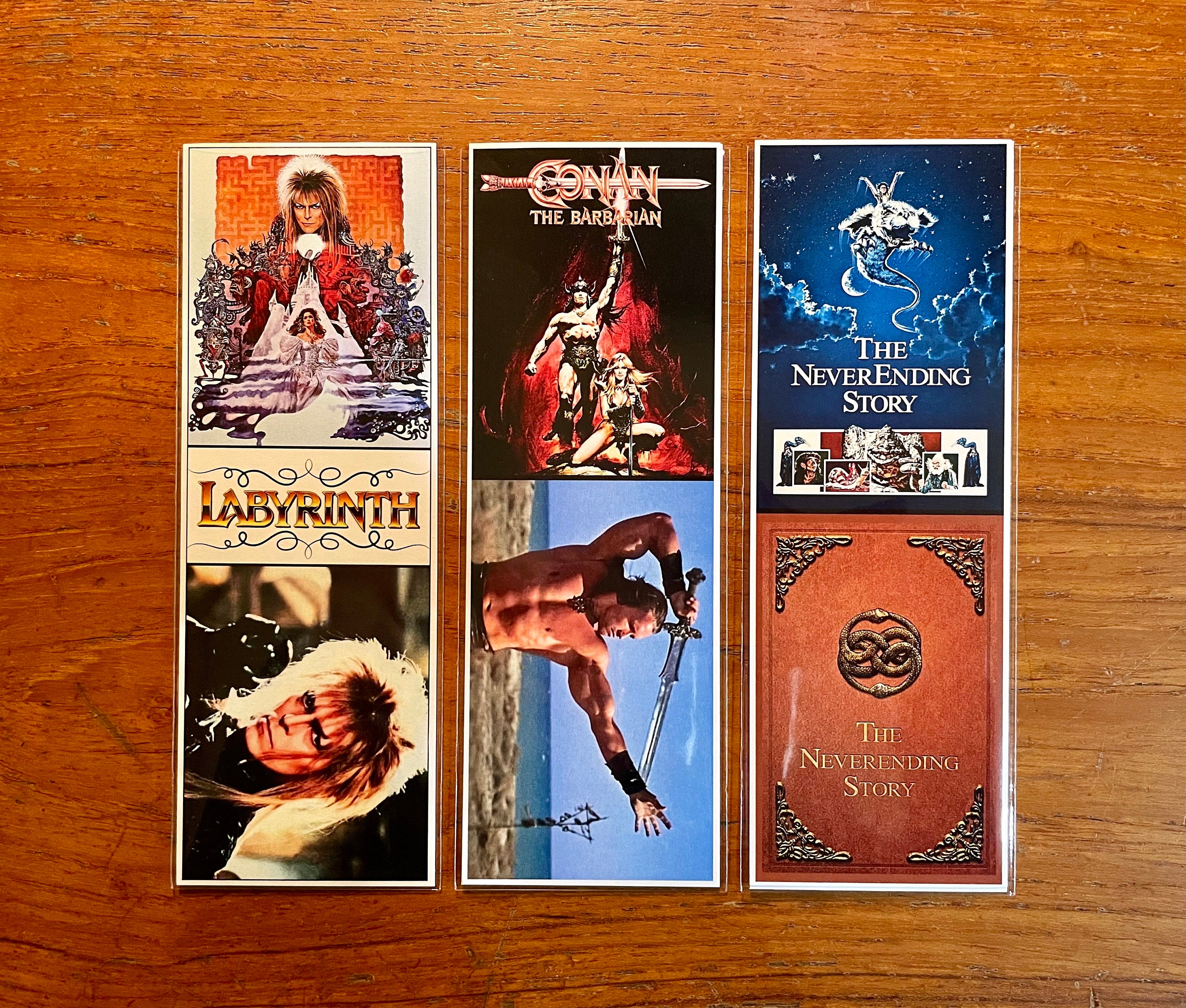
| Labyrinth (1986) | Synth-Rock, Orchestral | Advanced puppet animatronics (Jim Henson's Creature Shop), Escher-esque sets | A teenager must navigate a mystical labyrinth to rescue her baby brother. |
Landmark Productions of the Era
While 1980 marked a peak year for high-profile releases in this vein, the broader decade housed several pivotal projects that defined the musical fantasy framework.
Xanadu (1980), starring Olivia Newton-John and Gene Kelly, serves as a prime archetype. Directed by Robert Greenwald, the film combined roller disco culture with classical Greek mythology. Despite a mixed critical reception upon its theatrical release, its soundtrack achieved massive commercial success, spawning multiple hit singles and cementing its status as a touchstone of 1980s camp and visual style.
Another crucial milestone of the era, Jim Henson’s Labyrinth (1986), pushed the boundaries of practical fantasy world-building. Featuring music composed by David Bowie alongside Trevor Jones, the film integrated intricate puppetry with vocal performances that drove the narrative forward. Bowie’s portrayal of the Goblin King, Jareth, established a template for the charismatic, musically expressive antagonist within a fantasy landscape. These productions demonstrated that music could serve not merely as accompaniment, but as the primary vehicle for character motivation and world exposition.
The Evolution of Soundtracks and Audio Technology
The auditory identity of the 1980 musical fantasy is inseparable from the technological advancements in music production during the decade. The shift from analog multi-track recording to digital mixing allowed producers to layer vocal tracks and instrumentation with unprecedented clarity.
Eminent producers such as Jeff Lynne, Giorgio Moroder, and David Foster lent their talents to cinematic soundtracks, bridging the gap between mainstream pop radio and film scoring. In a 1980 musical fantasy, songs were frequently engineered to perform double-duty: they had to advance the internal logic of the narrative while operating as standalone commercial radio singles. This cross-promotional strategy transformed movie soundtracks into vital revenue streams for studios and established enduring pop-cultural artifacts that outlived the theatrical runs of the films themselves.
Critical Reception and Long-Term Cultural Reassessment
Upon release, many entries in the 1980 musical fantasy genre faced skepticism from traditional film critics. Reviewers often targeted the perceived thinness of the scripts, which frequently served merely as connective tissue between elaborate musical numbers and visual set pieces.
Decades later, however, cultural historians and film scholars have spearheaded a significant reassessment of these works. Stripped of contemporary box-office pressures, modern audiences evaluate these films through the lens of pure camp, artistic freedom, and unbridled creativity. The willingness of studios to finance high-budget, risky projects that defied standard genre categorization is now viewed as a high-water mark of cinematic ambition. The visual motifs—such as fog-machine haze, anamorphic lens flares, and theatrical shadow-play—have been heavily referenced by contemporary artists, fashion designers, and filmmakers seeking to recapture the distinct tactile warmth of 1980s cinema.
Frequently Asked Questions
What defines a 1980 musical fantasy film?
A 1980 musical fantasy film combines magical, supernatural, or heightened alternate-reality settings with original song-and-dance numbers. These films are typically characterized by distinct 1980s production aesthetics, including synthesizer-heavy soundtracks, practical visual effects, and avant-garde costume design.
How did technology influence the music of these films?
The widespread adoption of synthesizers, electronic drum machines, and multi-track digital recording during the 1980s allowed composers to create futuristic, atmospheric soundscapes that distinguished these fantasy worlds from traditional Hollywood musicals of the past.
Why did many 1980 musical fantasies struggle at the box office?
Many of these films struggled commercially upon release due to narrative tone shifts, unconventional fusions of disparate genres (such as classical mythology mixed with roller disco), and high production costs that outpaced contemporary ticket sales.
Are 1980 musical fantasies considered cult classics today?
Yes, many titles from this era have attained strong cult status. Home video distribution, midnight movie screenings, and nostalgic re-evaluations have allowed modern audiences to appreciate their artistic daring, visual maximalism, and iconic soundtracks.
Where can contemporary viewers stream or watch these historical films?
Availability varies depending on regional licensing, studio ownership, and streaming platform rotations. Major digital storefronts, specialized physical media distributors (such as boutique Blu-ray labels), and subscription streaming services frequently curate classic cinema sections featuring these titles.
Navigating and Collecting the Genre Today
For enthusiasts, film scholars, and collectors looking to explore the 1980 musical fantasy genre, approaching these works requires an appreciation for historical context and physical media preservation. Because many of these films occupy a niche status, streaming availability can be erratic. Consequently, physical media releases—particularly remastered editions from specialty labels—often provide the most reliable access, complete with archival documentaries, director commentaries, and isolated score tracks. When examining these films, viewers should look past conventional narrative structures and instead analyze the interplay between choreography, lighting design, and sound engineering. This perspective reveals the underlying craftsmanship that makes the era an enduring subject of cinematic study.