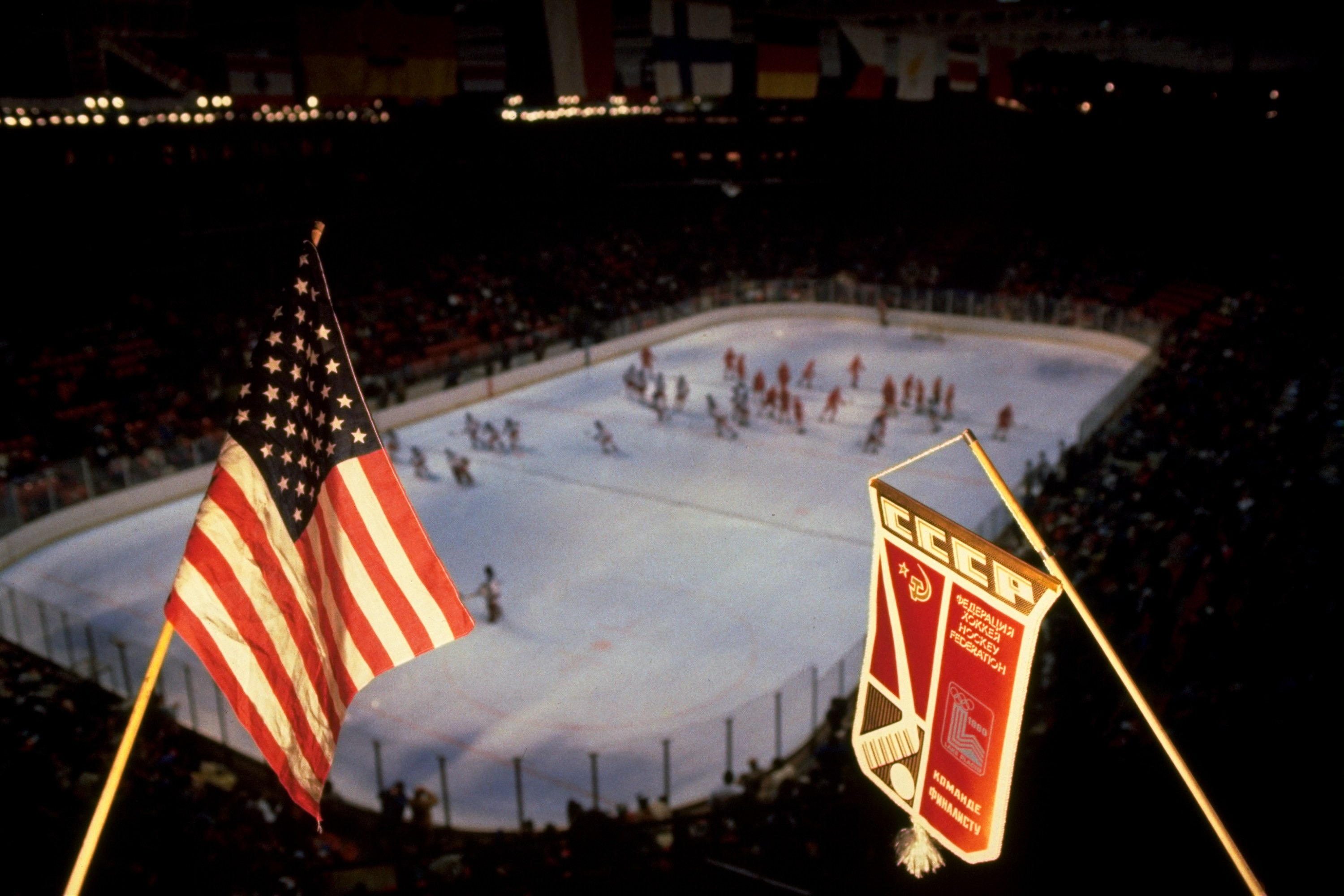
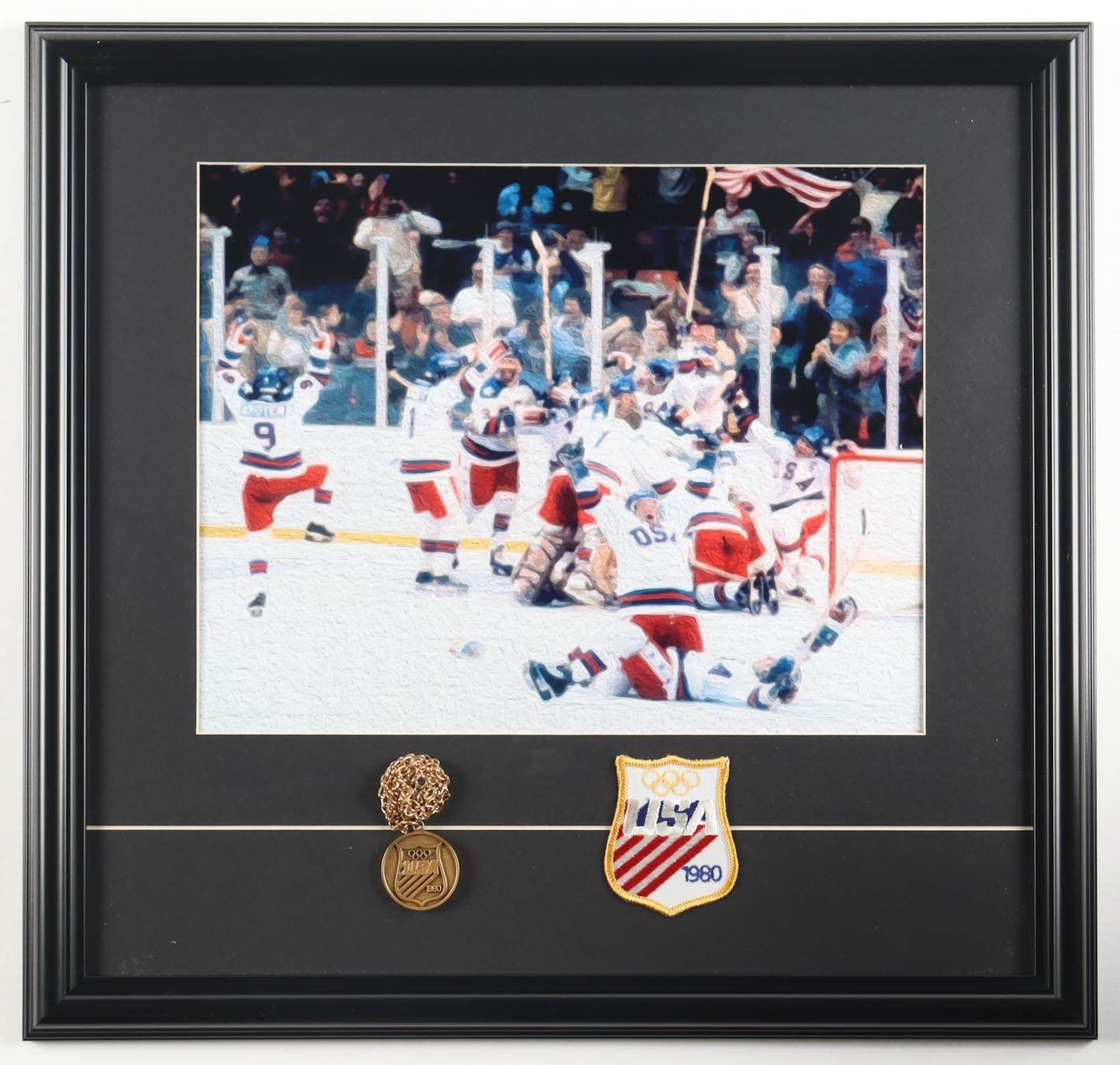
The 1980 United States Olympic hockey team achieved one of the greatest upsets in sports history by defeating the heavily favored Soviet Union 4-3 at the Lake Placid Winter Games, a victory built on rigorous physical conditioning, psychological discipline, and a grueling selection process that forged a disparate group of collegiate players into an elite, unified force.
The Genesis of the Squad: Selection and Conditioning
Long before the puck dropped at the Herb Brooks Arena in Lake Placid, New York, the formation of the United States Olympic hockey team began with a grueling tryout camp in Colorado Springs in the summer of 1979. Head coach Herb Brooks, a former Olympian and the mastermind behind the University of Minnesota's collegiate dynasty, rejected the traditional method of letting a committee choose established stars. Instead, he wanted a specific type of athlete who could fit his hybrid tactical system—a style that blended the physical, North American style of play with the fast-skating, creative passing systems favored by European powerhouses, particularly the Soviets.
Brooks understood that traditional American hockey players lacked the aerobic capacity to sustain a high-tempo game against elite international teams for a full three periods. To solve this, he instituted a conditioning regimen that became legendary in sports lore. The centerpiece of this conditioning program was a skating drill known simply as "The Legs," where players were forced to skate back and forth across the ice repeatedly within strict time limits until many of them collapsed from exhaustion. This punishing routine forged an unbreakable psychological bond among the players. They did not just learn to endure physical suffering; they learned to endure it together, transforming a roster composed largely of bitter collegiate rivals from rival schools like Minnesota and Boston University into a cohesive brotherhood.
Tactical Innovation and the European Hybrid Style
While physical conditioning provided the engine, tactical innovation provided the direction. During the Cold War era, the Soviet Red Army team dominated international ice hockey because they played an intricate, possession-based style of play characterized by rapid passing, constant player movement, and seamless positional interchange. Traditional American teams often attempted to counter this with brute force, physical checking, and dump-and-chase tactics, which usually resulted in heavy defeats against the technically superior Soviets.
Herb Brooks recognized that playing the Soviets at their own game required a radical rethinking of American hockey fundamentals. He drilled his players extensively on positional discipline, quick transition passing, and maintaining puck possession under heavy pressure. The team spent months playing a demanding exhibition schedule against European club and national teams, absorbing heavy losses early on but steadily adapting to the speed and intelligence required at the international level. By the time the Winter Olympics arrived, the U.S. squad was uniquely equipped to skate with any team in the world. They were not merely physical; they were tactically sophisticated, capable of cycling the puck and breaking down structured defensive shells with precision.
The Psychological Warfare of Herb Brooks
Managing a young team of amateurs on the global stage required more than just Xs and Os; it required masterclass psychological manipulation. Herb Brooks maintained a deliberate distance between himself and his players, acting as the stern, uncompromising authority figure while allowing his assistant coach, Craig Patrick, to serve as the approachable confidant. This classic separation prevented players from directing their frustrations at the coaching staff as a whole, focusing their collective energy outward toward their opponents.
Brooks constantly reminded his players that they were underdogs, not just in skill, but in the eyes of the international hockey establishment. He utilized motivational techniques that bordered on the unorthodox, occasionally changing lines or benching star players during exhibition games to prove that no individual was bigger than the team system. When the team tied a heavily favored Swedish squad 2-2 in their opening game of the Olympic tournament thanks to a late-game goal by Bill Baker, Brooks famously entered the locker room and berated them for being satisfied with a tie, reinforcing his message that settling for mediocrity was unacceptable. This relentless psychological pressure ensured that complacency never crept into the locker room, even as the team rattled off consecutive victories against Czechoslovakia, Norway, Romania, and West Germany to reach the medal round.
| Opponent | Tournament Stage | U.S. Score | Opponent Score | Significance |
|---|---|---|---|---|
| Sweden | Group Stage | 2 | 2 | Proved U.S. competitiveness; secured via late third-period goal. |
| Czechoslovakia | Group Stage | 7 | 3 | Established offensive capability against elite European defense. |
| Soviet Union | Medal Round | 4 | 3 | The historic upset; propelled U.S. to the gold-medal game. |
| Finland | Gold Medal Game | 4 | 2 | Secured the official Olympic Gold Medal after trailing entering the third period. |
The Cold War Context and Societal Pressure
The magnitude of the 1980 Miracle on Ice cannot be fully understood without examining the geopolitical climate of the era. In December 1979, just two months before the Lake Placid Games, the Soviet Union invaded Afghanistan, sending Cold War tensions between the United States and the Soviet Union to levels not seen since the Cuban Missile Crisis. President Jimmy Carter was already contemplating a boycott of the upcoming 1980 Summer Olympic Games in Moscow, and the American public was experiencing a profound sense of national malaise, compounded by economic stagflation and the Iran hostage crisis.
Against this turbulent backdrop, the hockey game on February 22, 1980, transcended sports to become a proxy conflict between two opposing superpowers. The Soviet team was a state-sponsored machine composed of seasoned professionals who had won the previous four Olympic gold medals and routinely thrashed NHL all-star teams in exhibition series. In contrast, the American roster was the youngest team in the tournament, with an average age of just 21 years old. Media outlets relentlessly framed the matchup as a battle between a free-market democracy and a communist superpower. The players themselves, however, consistently maintained that their motivation was strictly athletic, though they were keenly aware of the hopes and fears riding on their performance as millions of television viewers tuned in nationwide.
Anatomy of the Upset: Inside the February 22 Clash
The game itself was a masterclass in resilience and tactical execution. The Soviet team struck first when Boris Mikhailov scored, but the U.S. responded quickly when buzzsaw forward Mark Johnson capitalized on a rebound off Soviet goaltender Vladislav Tretiak. In a decision that shocked the hockey world, Soviet coach Viktor Tikhonov benched Tretiak—widely regarded as the best goaltender in the world at the time—after Johnson scored a desperation-shot buzzer-beater at the end of the first period, replacing him with backup Vladimir Myshkin.
Despite trailing at various points in the game, the American players refused to break. Herb Brooks kept his short bench rotation tight, trusting his conditioned athletes to maintain pressure. In the third period, trailing 3-2, Mark Johnson tied the game again on a power play at 8:39, firing a loose puck past Myshkin. Then, with ten minutes remaining on the clock, team captain Mike Eruzione scored the go-ahead goal, slotting a wrist shot past the Soviet defense to give the United States a 4-3 lead. The final ten minutes featured a desperate Soviet onslaught, but U.S. goaltender Jim Craig turned away numerous high-danger scoring chances. As the final seconds ticked away, broadcaster Al Michaels delivered his immortal television countdown: "Do you believe in miracles? Yes!"
Beyond the Semifinal: Completing the Mission
A common historical misconception is that the game against the Soviet Union was the gold medal game. In reality, it was a medal-round matchup. Because of the tournament format used at the 1980 Winter Olympics, the United States still had to defeat Finland on February 24 to officially secure the gold medal.
This post-semifinal reality created a massive coaching challenge for Herb Brooks. The nation was celebrating what felt like an instantaneous championship, and the players were physically and emotionally drained from the monumental effort against the Soviets. Brooks had to quickly refocus his team to prevent a devastating letdown against a skilled Finnish squad that was entirely capable of spoiling the fairytale ending.
The danger was real: entering the third period of the gold-medal game, the United States trailed Finland 2-1. Recognizing the perilous situation, Brooks delivered a blunt, urgent message to his players during the second intermission, reminding them of the sacrifices they had made over the past seven months. The team responded immediately in the final frame. Goals by Steve Christoff, Rob McClanahan, and a second by Mark Johnson propelled the U.S. to a 4-2 victory, cementing their status as undisputed Olympic champions and proving that their semifinal triumph was no fluke.
Frequently Asked Questions
Why was the 1980 U.S. hockey team considered such heavy underdogs?
The team was composed entirely of amateur and collegiate players with an average age of 21, making them the youngest squad in the tournament. Conversely, the Soviet team consisted of seasoned professionals who had played together for years, winning multiple world championships and previous Olympic gold medals, and they had soundly defeated the U.S. team 10-3 in an exhibition game at Madison Square Garden just days before the Olympics began.
Who scored the winning goal against the Soviet Union?
Team captain Mike Eruzione scored the game-winning goal at 10:00 of the third period, putting the United States ahead 4-3. Eruzione, a native of Malden, Massachusetts, famously declined to turn professional immediately after the Olympics, stating that he had achieved his ultimate dream by representing his country.
Did the U.S. win the gold medal immediately after beating the Soviet Union?
No. The game against the Soviet Union was part of the medal round, not the tournament final. The United States still had to play Finland on February 24, 1980. They won that game 4-2 after coming from behind in the third period to claim the official Olympic gold medal.
What role did Herb Brooks play in the victory?
Herb Brooks was the head coach whose innovative training methods, grueling physical conditioning regimens, and psychological tactics transformed a group of college rivals into an elite, cohesive unit capable of executing a hybrid European-North American style of play that neutralized the Soviet team's strengths.
How did the Cold War impact the perception of the game?
The geopolitical tensions of the late 1970s, including the Soviet invasion of Afghanistan, transformed the athletic matchup into a symbolic confrontation between the United States and the Soviet Union, elevating public interest and national pride to unprecedented levels for a hockey tournament.