The 1980 horror film landscape represents a pivotal transitional era that bridged the gothic and supernatural traditions of the 1970s with the high-concept, franchise-driven slasher and practical-effects extravaganzas of the late twentieth century. Characterized by shifting censorship standards, independent entrepreneurial filmmaking, and unprecedented advancements in prosthetic makeup, horror cinema in 1980 laid the structural and aesthetic groundwork for decades of subsequent genre development.
The Cultural and Industrial Shift in 1980 Cinema
The year 1980 marked a significant turning point for the horror genre, moving away from the bleak, auteur-driven psychological dread of the mid-1970s toward commercial viability, high-concept plotting, and graphic visceral shocks. Filmmakers recognized that audiences responded intensely to physical terror, tension-building soundtracks, and transgressive makeup effects. This shift was not merely artistic; it was deeply economic. Independent producers realized that low-budget horror pictures could yield exponential returns at the box office, capturing the imagination of young theatergoers and drive-in audiences alike.
At the same time, the rating systems and regulatory bodies governing film exhibition faced intense scrutiny. Independent distributors frequently bypassed traditional studio channels, utilizing unrated or independently distributed releases to draw crowds seeking boundaries pushed further than major studio pictures dared. The rise of the home video market, though still in its infancy in 1980, loomed on the horizon, promising to transform how fans consumed, collected, and shared horror media. Consequently, 1980 functioned as a laboratory where filmmakers tested narrative templates—such as isolated youth groups, vengeful spirits, and masked stalkers—that would dominate popular culture for the next twenty years.
Defining Masterpieces and Commercial Milestones of 1980
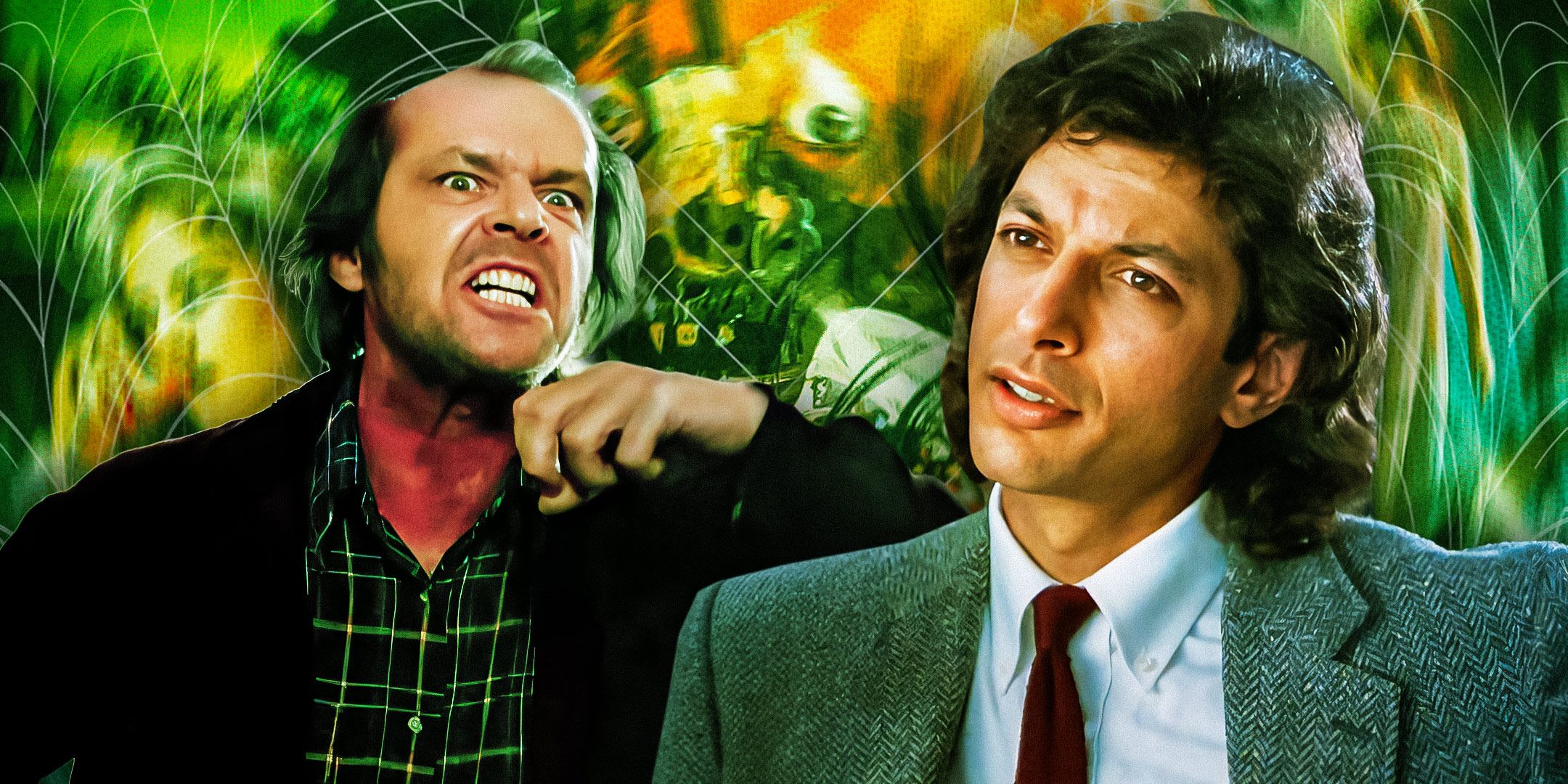
Several landmark releases cemented 1980 as a vintage year for the genre, combining critical acclaim with enduring cultural impact. Stanley Kubrick’s adaptation of Stephen King’s The Shining redefined psychological terror through meticulous framing, unsettling sound design, and an iconic central performance by Jack Nicholson. While initially dividing contemporary critics and audiences, the film established a high-water mark for cinematic craftsmanship within the genre, proving that horror could achieve high-art status without sacrificing dread.
Concurrently, the lower-budget independent sector achieved massive financial breakthroughs. Sean S. Cunningham’s Friday the 13th capitalized on the formula established by John Carpenter’s Halloween (1978), embedding the summer camp slasher trope into the global consciousness and launching one of cinema’s most resilient franchises. Other notable releases from that year included William Lustig’s gritty urban slasher Maniac, Clive Barker’s conceptual precursors, and atmospheric international exports that expanded the stylistic boundaries of what a horror narrative could achieve.
| Film Title | Director | Primary Subgenre | Estimated Budget | Box Office Impact |
|---|---|---|---|---|
| The Shining | Stanley Kubrick | Psychological Horror | ~$19 Million | Commercial success; enduring critical masterpiece |
| Friday the 13th | Sean S. Cunningham | Slasher / Splatter | ~$550,000 | Massive box office hit; launched multi-film franchise |
| Maniac | William Lustig | Psychological Slasher | ~$350,000 | Cult success; notable for Tom Savini's makeup effects |
| Dressed to Kill | Brian De Palma | Erotic Thriller / Giallo | ~$6.5 Million | Major commercial success; drew box-office controversy |
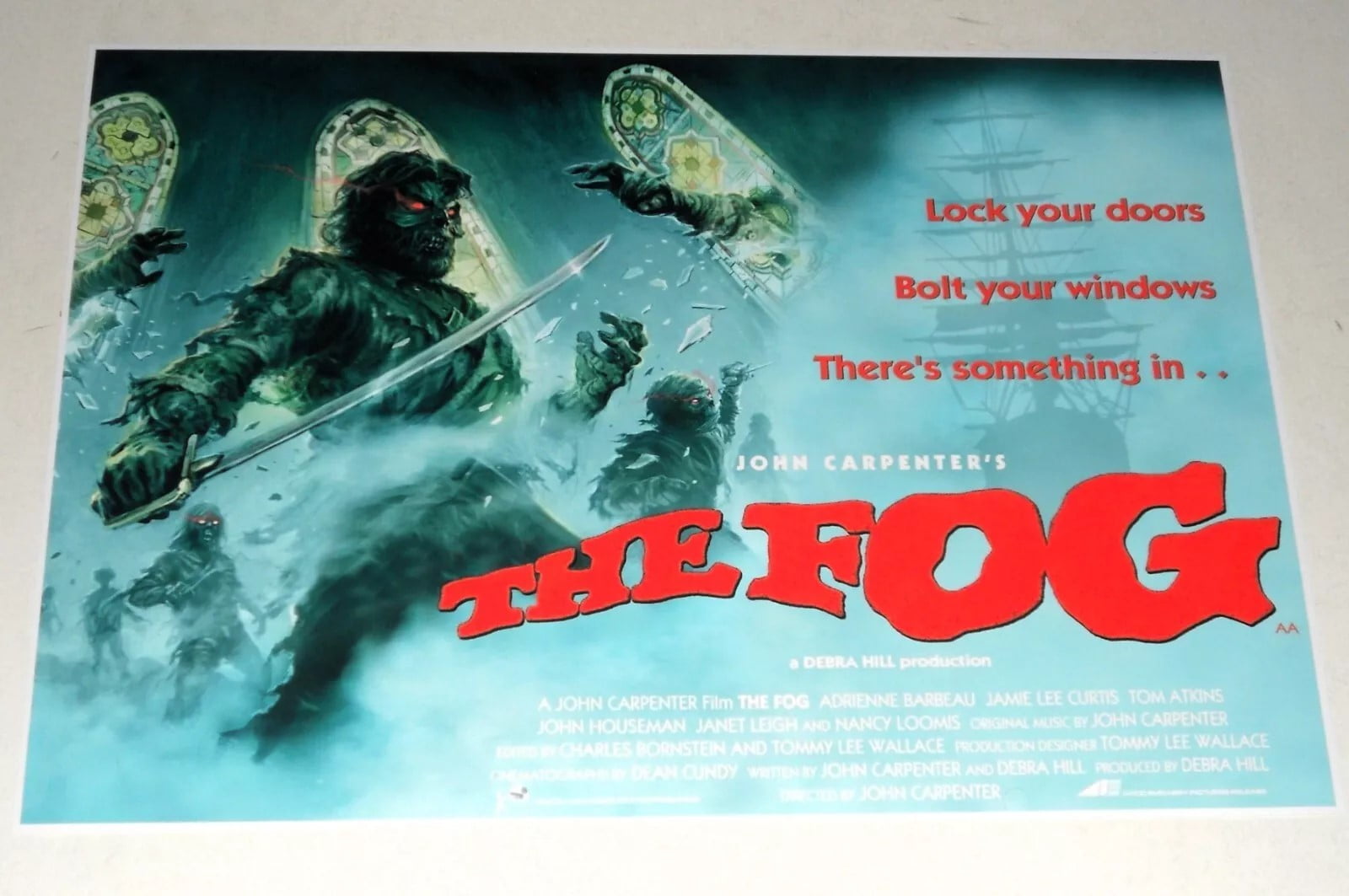
| The Fog | John Carpenter | Supernatural Horror | ~$1.1 Million | Box office success; established atmospheric blueprint |
Practical Effects and the Rise of Special Effects Artisans
The technical achievements of the 1980 horror film cannot be overstated, particularly regarding the evolution of practical special makeup effects. Before digital computer-generated imagery altered the production landscape, artists relied entirely on gelatin, foam latex, mechanical rigs, and organic materials to simulate gore, bodily trauma, and monstrous transformations. Artists like Tom Savini, Rick Baker, and Rob Bottin elevated makeup effects from background support into primary selling points for horror marketing campaigns.
In Friday the 13th, Tom Savini’s innovative throat-slitting, decapitation, and arrow-through-the-neck effects shocked audiences and set a new benchmark for realism in the nascent splatter subgenre. These techniques required meticulous choreography between the actors, camera operators, and effects crew, often relying on forced perspective and specialized tubing to pump fake blood convincingly. This tactile authenticity created an immersive experience for viewers, who recognized the physical labor and artistic ingenuity required to bring visceral nightmares to life on screen.
Narrative Themes and Societal Anxieties in 1980s Horror
Horror cinema has always served as a cultural barometer, reflecting the latent fears and ideological anxieties of its production era. In 1980, narratives frequently mirrored growing concerns regarding the breakdown of traditional institutions, the dangers of unmonitored youth culture, and the intrusion of the supernatural or aberrant into mundane suburban settings.
The slasher films of this period often punished characters who engaged in premarital sex, substance use, or moral transgression, echoing conservative political shifts that gained momentum around the turn of the decade. Conversely, psychological and supernatural thrillers explored themes of domestic isolation, parental inadequacy, and the haunting weight of historical trauma. By projecting these anxieties onto safe cinematic canvases, audiences could process societal shifts without direct confrontation.
Comparative Analysis: The 1980 Horror Landscape vs. Modern Conventions
Examining how a 1980 horror film operates reveals stark contrasts with contemporary horror production methodologies. Understanding these differences clarifies the distinct artistic constraints and advantages filmmakers navigated during the period.
- Technology and Production: 1980 productions relied exclusively on celluloid film stock, limiting retakes and demanding precise lighting setups. Modern digital workflows permit higher shooting ratios and extensive digital post-production adjustments.
- Pacing and Atmosphere: Films from 1980 frequently favored slow-burn tension, lingering tracking shots, and atmospheric synthesizer or orchestral scores. Contemporary horror often utilizes rapid editing, aggressive jump scares, and immersive sound design.
- Marketing and Distribution: Distribution in 1980 depended heavily on regional theatrical rollouts, independent roadshows, and physical drive-in networks. Today, global day-and-date streaming releases and social media marketing dominate audience acquisition.
- Censorship and Ratings: The Motion Picture Association of America (MPAA) ratings board enforced strict boundaries regarding violence and sexuality, prompting independent filmmakers to engage in constant negotiations or unrated releases to retain their artistic vision.
How to Curate and Analyze a 1980 Horror Film Retrospective
For enthusiasts and film scholars seeking to explore the cinematic output of 1980, structured curation enhances comprehension and appreciation of the era's diversity.
- Establish a Baseline: Begin by watching major studio releases like The Shining and The Fog to understand how established directors manipulated suspense, lighting, and pacing.
- Explore the Independent Slasher Wave: View foundational independent hits such as Friday the 13th to observe low-budget ingenuity, regional filmmaking economics, and the establishment of enduring genre tropes.
- Investigate Technical Craft: Study special effects heavy features to appreciate the tactile artistry of practical makeup designers before the advent of digital effects.
- Contextualize with Critical Literature: Read contemporary reviews, retrospective analyses, and directorial interviews to grasp how initial audience receptions evolved into modern critical reevaluations.
Frequently Asked Questions About 1980 Horror Films
What defines the style of a typical 1980 horror film?
A typical 1980 horror film blends atmospheric tension inherited from the 1970s with emerging graphic violence, practical makeup effects, and high-concept premises. These films often feature isolated settings, synthesizer-heavy or orchestral scores, and narrative structures centered on survival against an unstoppable human or supernatural threat.
Why is 1980 considered a significant year for horror cinema?
The year 1980 witnessed the release of several genre-defining masterpieces and commercial blockbusters, including The Shining and Friday the 13th. It marked the commercial crystallization of the slasher subgenre and demonstrated that independent horror could achieve massive profitability and enduring cultural resonance.
How did practical effects impact horror films released in 1980?
Practical effects served as a primary drawing card for audiences, showcasing the physical artistry of makeup masters like Tom Savini. The tactile realism of prosthetic wounds, bodily transformations, and gore created an immersive, visceral experience that defined the aesthetic of the decade's horror output.
Did 1980 horror films face censorship challenges?
Yes, many horror films from this era encountered friction with ratings boards such as the MPAA and international censorship bodies. Independent filmmakers frequently faced demands to trim graphic violence or risk receiving a restrictive rating, leading some to release their work unrated to preserve their artistic vision.
Where can I watch classic 1980 horror films today?
Most classic 1980 horror films are widely available across major streaming platforms, specialized horror-focused subscription services like Shudder, and physical media formats including remastered Blu-ray and 4K Ultra HD editions released by boutique labels like Criterion, Arrow Video, and Scream Factory.
Curating Your Viewing Experience for Maximum Insight
To gain a comprehensive understanding of the 1980 horror film, viewers should look beyond surface-level scares and examine the socioeconomic conditions under which these works were created. By comparing studio-backed psychological thrillers with independently financed exploitation features, cinephiles can trace the intricate lineage of modern horror conventions back to their crucial foundational year.