The year 1980 marked a seismic shift in cinema, bridging the gritty, director-driven auteur cinema of the 1970s with the high-concept, blockbuster-dominated studio system of the modern era. This transitional twelve-month period produced foundational science fiction epics, enduring horror milestones, groundbreaking independent works, and unexpected commercial triumphs that continue to influence contemporary filmmaking, distribution models, and pop-culture storytelling.
The Industrial Transition: From Auteur Excess to High-Concept Blockbusters
By 1980, the economic realities of the global film industry were forcing a dramatic realignment within major Hollywood studios. The late 1960s and 1970s had belonged to the "New Hollywood" movement—an era defined by uncompromising artistic control granted to young, countercultural directors such as Francis Ford Coppola, Martin Scorsese, and Peter Bogdanovich. However, high-profile financial disasters, most notably Michael Cimino’s Heaven’s Gate (released in late 1980), exposed the severe vulnerabilities of runaway studio budgets and unchecked directorial autonomy.
Studio executives began favoring properties with pre-sold audiences, high-concept premises, and lucrative merchandising potential. This pivot did not happen overnight, but 1980 served as a critical battleground where these two distinct cinematic philosophies collided. While studios funded risky, idiosyncratic projects, they simultaneously doubled down on intellectual property and franchise-building. The massive success of 1977's Star Wars cast a long shadow, prompting studios to invest heavily in atmospheric visual effects, high-stakes sound design, and marketable cinematic universes. Consequently, the films released in 1980 reflect a fascinating duality: they retain the dark, psychological complexity of the previous decade while adopting the slick, scale-oriented production values of the 1980s.
Landmark Releases and Genre Redefinition
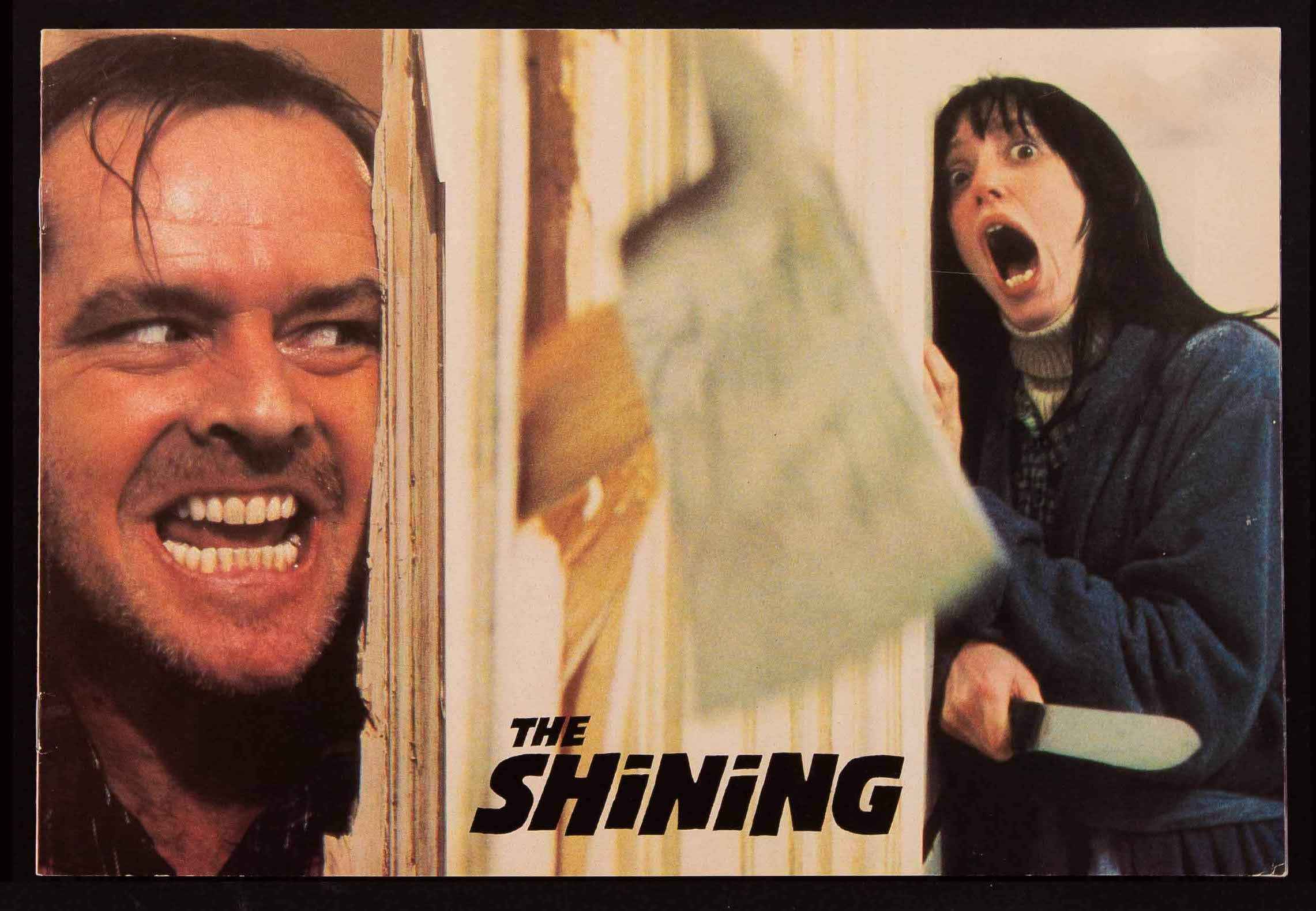
The cinematic output of 1980 is remarkable for its enduring artistic and commercial resonance across nearly every major genre. Science fiction achieved new cultural prestige and visual sophistication with the release of Star Wars: Episode V – The Empire Strikes Back. Directed by Irvin Kershner, this sequel subverted conventional narrative expectations by embracing a darker, ambiguous tone, proving that sequels could equal or surpass their predecessors in both depth and technical execution. Simultaneously, Stanley Kubrick redefined the psychological horror genre with The Shining. By combining meticulous framing, avant-garde sound design, and a chilling exploration of isolation and domestic descent into madness, Kubrick established a new benchmark for cinematic dread that polarized contemporary critics before earning universal retrospective acclaim.
Independent and mid-budget filmmaking also yielded vital masterworks that explored complex social strata. Martin Scorsese’s Raging Bull, shot in stark, high-contrast black and white, offered a brutal, deeply empathetic character study of middleweight boxing champion Jake LaMotta. Robert De Niro’s physically transformative performance set a new standard for method acting in biographical drama. Furthermore, David Lynch’s The Elephant Man demonstrated that commercial studios could successfully market deeply compassionate, humanistic arthouse narratives shot with stunning monochromatic cinematography.
Below is a comparison of several prominent, genre-defining films released in 1980, highlighting their primary production models, directors, and lasting cultural footprints:
| Film Title | Primary Genre | Director | Notable Characteristic / Legacy |
|---|---|---|---|
| Star Wars: Episode V – The Empire Strikes Back | Science Fiction / Opera | Irvin Kershner | Established a darker serialized narrative model for blockbuster franchises. |
| The Shining | Psychological Horror | Stanley Kubrick | Pioneered innovative Steadicam movements and psychological atmosphere. |
| Raging Bull | Biographical Drama | Martin Scorsese | Defined gritty, character-driven realism of the post-New Hollywood era. |
| Airplane! | Satirical Comedy | Jim Abrahams, David Zucker, Jerry Zucker | Codified the modern, rapid-fire spoof comedy format. |
| The Blue Lagoon | Romantic Adventure | Randal Kleiser | Highlighted youth-market star power and exotic location cinematography. |
Technological Innovations in Visual Effects and Sound Design
Technological advancements during 1980 significantly expanded the physical and sonic boundaries of the cinematic medium. Visual effects were undergoing a rapid industrial evolution, transitioning from traditional optical compositing toward advanced miniature work, motion control photography, and specialized creature effects. Industrial Light & Magic (ILM), alongside independent creature shops, refined techniques that allowed for unprecedented detail in fantastical settings. In The Empire Strikes Back, the integration of stop-motion animation for the AT-AT walkers on the ice planet Hoth represented a technical leap in blending miniatures with live-action plates.
Simultaneously, sound design emerged as an increasingly vital component of narrative immersion. The adoption of 70mm six-track stereo and Dolby surround sound systems in select theaters allowed sound mixers to place specific audio cues across distinct spatial channels. Films like The Shining utilized discordant orchestral compositions, modernist soundscapes, and unsettling ambient noise to disorient audiences long before visual threats materialized on screen. This deliberate convergence of advanced sonic engineering and pristine widescreen cinematography ensured that 1980 films demanded theatrical exhibition environments to be fully appreciated.
Economic Realities, Box Office Dynamics, and International Cinema
The financial landscape of 1980 cinema was characterized by rising ticket prices, shifting distribution windows, and the burgeoning importance of ancillary markets such as home video and television syndication. The home video market, driven by the nascent VHS and Betamax formats, was beginning to alter how studios calculated long-term asset value. Films were no longer restricted solely to theatrical runs and seasonal re-releases; they could now achieve perpetual revenue generation through domestic tape ownership.
Domestically, the box office was led by crowd-pleasing comedies and high-concept adventures. Jim Abrahams and the Zucker brothers revolutionized comedic cinema with Airplane!, a film that relied on rapid-fire visual gags, deadpan delivery, and relentless satire of disaster film tropes, proving that low-budget comedies could yield extraordinary profit margins. On the international front, global markets were increasingly receptive to American blockbusters, while international auteurs continued to influence Western art-house distribution. Akira Kurosawa’s historical epic Kagemusha, released internationally in 1980, showcased the global reach of Japanese period drama, heavily supported by prominent Western filmmakers like George Lucas and Francis Ford Coppola who acted as executive producers for its international release.
Frequently Asked Questions About 1980 Cinema
What was the highest-grossing film of 1980?
Star Wars: Episode V – The Empire Strikes Back was the highest-grossing film of 1980, earning over $538 million worldwide during its initial release and subsequent re-releases. Its massive financial success validated the commercial viability of serialized storytelling and cemented science fiction as a dominant, high-priority studio genre.
How did the critical reception of 1980 films differ from modern evaluations?
Several major films released in 1980, including The Shining and Raging Bull, received mixed or cautious contemporary reviews from mainstream critics who found them overly bleak, slow-paced, or experimental. Over subsequent decades, critical consensus shifted dramatically, with both films now routinely cited by historians and filmmakers as two of the greatest cinematic achievements of the twentieth century.
What technological formats were standard for movie theaters in 1980?
The majority of commercial theaters in 1980 utilized standard 35mm film projection equipped with mono or early stereo optical sound tracks. High-end prestige venues and major metropolitan flagship houses employed 70mm projection formats with six-track magnetic sound, offering vastly superior dynamic range and visual clarity for epic productions like The Empire Strikes Back and Heaven's Gate.
Which comedy films from 1980 permanently altered the genre?
Airplane! is widely recognized as the definitive comedic watershed of 1980. By subverting the earnest conventions of serious dramatic acting within a completely absurd framework, the film popularized the scattershot parody style that dominated studio comedy development throughout the remainder of the decade.
Why is 1980 considered a transitional year in Hollywood history?
The year 1980 bridges the director-driven, financially volatile New Hollywood era with the corporate, high-concept blockbuster era. The commercial failure of expensive auteur projects alongside the massive triumph of studio-managed franchise sequels forced a permanent structural reorganization of how major film studios financed, marketed, and distributed feature films.
Navigating and Studying 1980 Film Archives Today
For contemporary researchers, film historians, and classic cinema enthusiasts exploring the 1980 film landscape, engaging with primary source material requires a systematic approach. When analyzing films from this transitional year, examine original trade publications such as Variety and The Hollywood Reporter to understand contemporary box office reporting and industry reception. Consult restored archival prints preserved by institutions such as the Academy Film Archive, the UCLA Film & Television Archive, or the British Film Institute to experience these works in their intended visual and acoustic ratios. Avoid relying solely on retrospective streaming transfers, as digital compression and altered color grading can occasionally misrepresent the original theatrical cinematography. Cross-reference academic film journals with production diaries to gain a holistic understanding of the socioeconomic pressures and technological constraints that shaped one of cinema's most fascinating historical milestones.