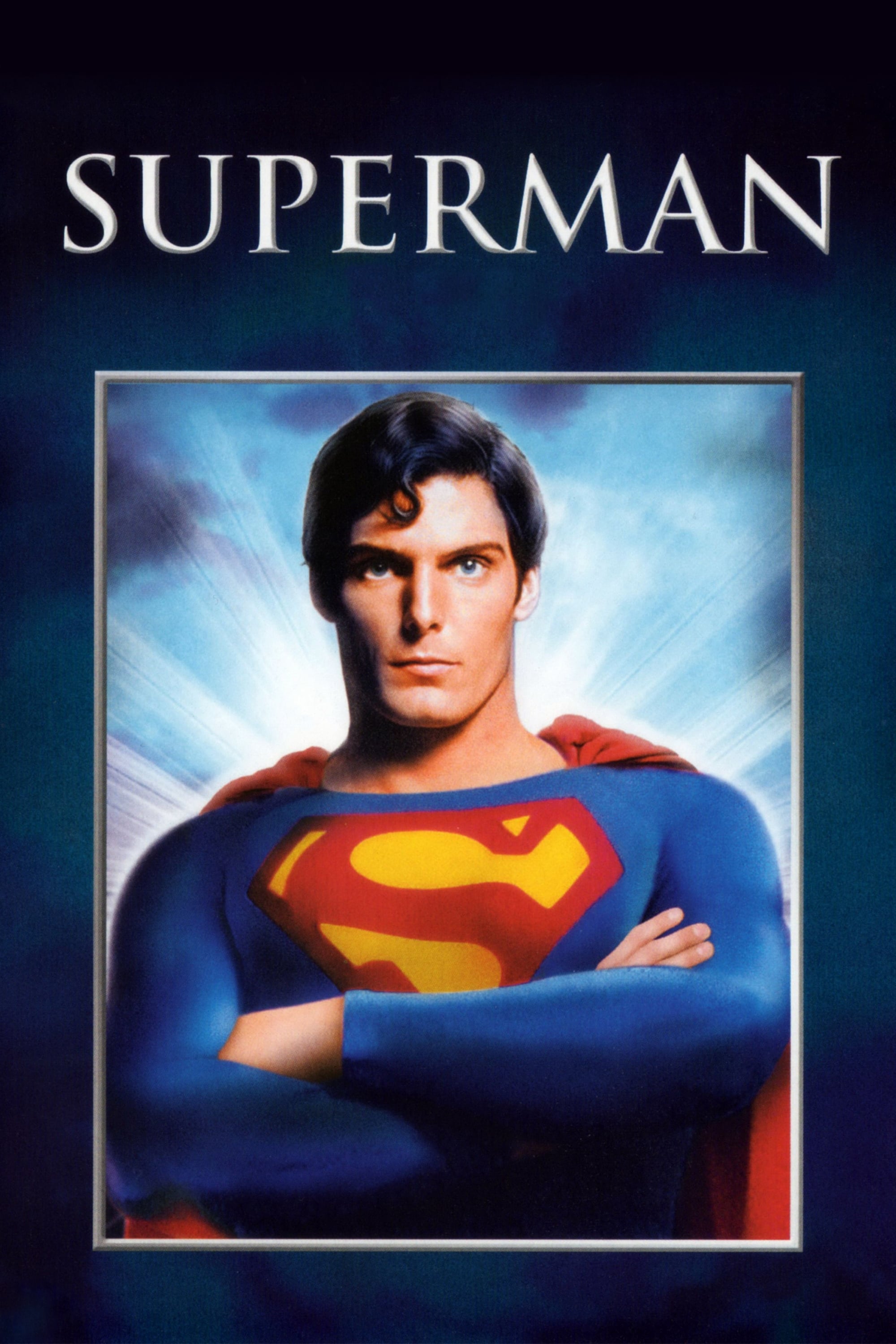
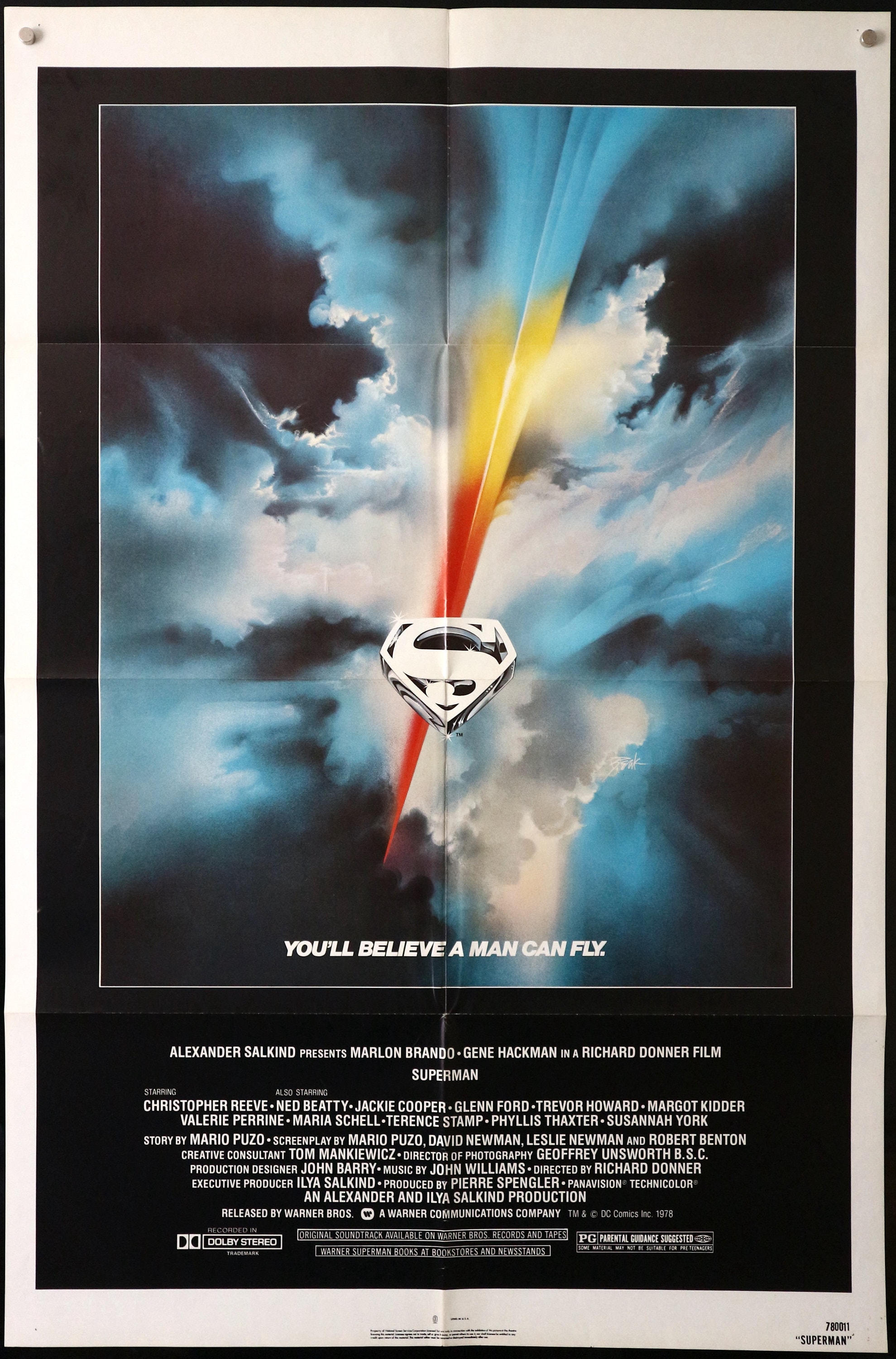
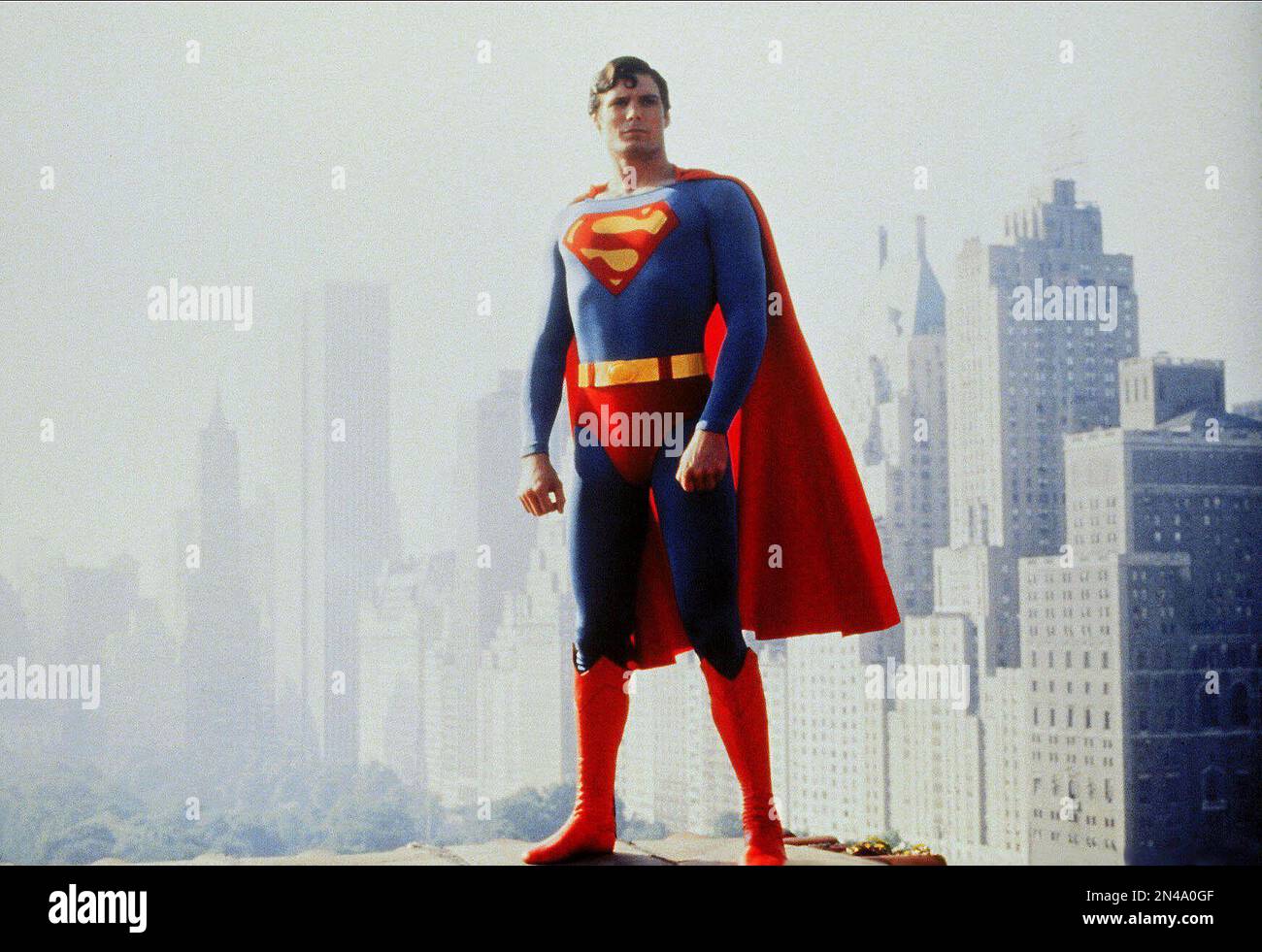
Directed by Richard Donner and released in December 1978, the first feature-length Superman film transformed the comic book adaptation genre by combining serious cinematic storytelling with pioneering visual effects. Anchored by Christopher Reeve's definitive dual performance as Clark Kent and the Man of Steel, the production established a blueprint for modern superhero cinema, proving that fantastic source material could command high production values, classical orchestration, and earnest dramatic weight.
Origins and Development of a Cinematic Milestone
The journey of bringing DC Comics' flagship character to the silver screen began in 1973 when producer Ilya Salkind, alongside his father Alexander Salkind and partner Pierre Spengler, purchased the global film rights for Superman. Envisioning a massive cinematic undertaking, the producers hired Mario Puzo, fresh off his success with The Godfather, to pen an epic screenplay. This early script was eventually expanded and polished by a writers' room that included Robert Benton, David Newman, and Academy Award winner Alvin Sargent.
Early development encountered numerous hurdles, particularly regarding casting and director selection. Before Richard Donner signed on, figures like Francis Ford Coppola, William Friedkin, and Peter Yates were considered. Donner insisted on a tonal shift from the campy, satirical style of the 1960s television adaptations toward what he famously called "verisimilitude"—making the unbelievable seem completely real to the audience. This philosophy dictated every aspect of the production, from the sweeping orchestral score by John Williams to the meticulous design of Krypton, Smallville, and Metropolis.
Production Design and Pioneering Visual Effects
One of the greatest challenges facing the 1978 production was realizing the tagline "You'll believe a man can fly." Traditional optical compositing techniques of the era frequently resulted in grainy, unconvincing mattes when applied to human figures against dynamic backgrounds. To overcome this, the production utilized and refined front-projection technology, notably the Zoptic system developed by Zoran Perisic. This proprietary system allowed the camera to zoom in on a stationary actor suspended in front of a miniature background plate, creating a seamless illusion of fluid aerial movement and independent camera positioning.
The physical scale of the production matched its technological ambitions. Pinewood Studios in England was largely occupied for months, housing massive sets constructed on the studio stages and the extensive backlots. Production designer John Barry crafted a distinct visual separation between the icy, crystalline aesthetic of Krypton, the rustic Americana of rural Kansas, and the sleek, towering skyscrapers of a fictionalized New York City standing in for Metropolis. Cinematographer Geoffrey Unsworth utilized warm, naturalistic lighting to contrast the harsh, sterile environment of the alien homeworld with the inviting landscapes of mid-century America.
Casting Christopher Reeve and the Ensemble
The casting of the central role remains one of the most celebrated decisions in Hollywood history. Rather than relying solely on established box-office muscle, the casting directors launched an exhaustive global search. Christopher Reeve, then a relatively unknown stage and television actor with a slender build, initially seemed an unlikely choice. However, Donner recognized that Reeve possessed the necessary classical training, commanding height, and intellectual depth to portray both the alien hero and his bumbling human alter ego. Reeve underwent an intensive physical transformation regimen overseen by former weightlifting champion David Prowse to build the requisite musculature for the suit.
Surrounding Reeve was a legendary supporting cast that legitimized the fantasy framework. Marlon Brando commanded a record-breaking salary and profit percentage to portray Superman's biological father, Jor-El, bringing an gravitas to the philosophical prologue on Krypton. Gene Hackman delivered a nuanced, charismatic performance as the megalomaniacal criminal mastermind Lex Luthor, balancing sinister ambition with eccentric comedic timing alongside Ned Beatty as his bumbling henchman Otis. Margot Kidder infused Lois Lane with a modern, fast-talking, fiercely independent spirit that redefined the archetype of the comic book heroine.
Comparative Overview of the 1978 Production and Its Successors
| Production Element | Superman (1978) | Modern Superhero Cinema Equivalents |
|---|---|---|
| Primary Visual Effects | Optical compositing, physical miniatures, custom Zoptic front projection | Digital intermediate, CGI characters, volume-based virtual production |
| Aesthetic Tone | Earnest romanticism, classical myth-making, structured verisimilitude | Interconnected cinematic universes, meta-commentary, stylized realism |
| Musical Identity | Leitmotif-driven orchestral themes by John Williams | Diverse sonic palettes, hybrid orchestral-electronic scores |
| Principal Photography | Shot concurrently with Superman II over 19 months | Compressed principal photography with extensive post-production reshoots |
Critical Reception, Box Office Impact, and Legacy
Upon its theatrical release by Warner Bros. in December 1978, the film was an immediate commercial sensation, grossing over $300 million worldwide against a budget estimated between $40 and $55 million. It stood as one of the most profitable films of the decade and received critical acclaim for its technical achievements, screenplay, and Reeve’s central performance. The film garnered four Academy Award nominations—including Best Film Editing, Best Original Score, and Best Sound—and received a Special Achievement Academy Award for its visual effects.
The cultural footprint of the 1978 production endures through its foundational influence on the blockbuster landscape. It established the template for the modern franchise starter, demonstrating how serialized comic book properties could appeal across demographic lines through high production values and emotional resonance. The iconic main theme composed by John Williams remains universally recognized, frequently cited alongside his work on Star Wars and Indiana Jones as a defining musical touchstone of late-20th-century cinema.
Frequently Asked Questions About the 1978 Superman Film
Was Superman (1978) filmed at the same time as its sequel?
Yes, the production undertook the unprecedented task of filming Superman and Superman II concurrently under director Richard Donner. Due to budgetary constraints and creative disputes between the Salkind producers and Donner, approximately 75 percent of the second film was completed before Donner was replaced by director Richard Lester for the remainder of the sequel's production.
How did the production achieve the flying effects before digital CGI?
The visual effects team relied primarily on a combination of wirework, optical compositing, blue-screen technology, and the Zoptic front-projection system. This mechanical innovation projected a background image onto a front-surface mirror, allowing the camera to zoom in on a stationary actor suspended in mid-air to simulate authentic motion without the edge artifacts common in older optical printing methods.
Who composed the musical score for the 1978 film?
John Williams composed the legendary orchestral score. Williams utilized a traditional leitmotif structure, assigning distinct musical themes to Krypton, Lois Lane, Clark Kent, and Superman himself to anchor the character development and emotional arcs throughout the narrative runtime.
What was the approximate budget and box office return of the film?
The production cost was historically high for its time, with estimates ranging between $40 million and $55 million due to the simultaneous filming of the sequel and complex technical development. It grossed more than $300 million globally, making it one of the highest-grossing films of the late 1970s and a major commercial victory for Warner Bros.
How did Christopher Reeve prepare physically for the role?
At the time of his casting, Christopher Reeve was relatively slender. To achieve the physical proportions required for the costume, he worked out with weightlifting champion David Prowse—who also famously portrayed Darth Vader in the original Star Wars trilogy—gifting the actor roughly thirty pounds of muscle over a two-month preparation period.