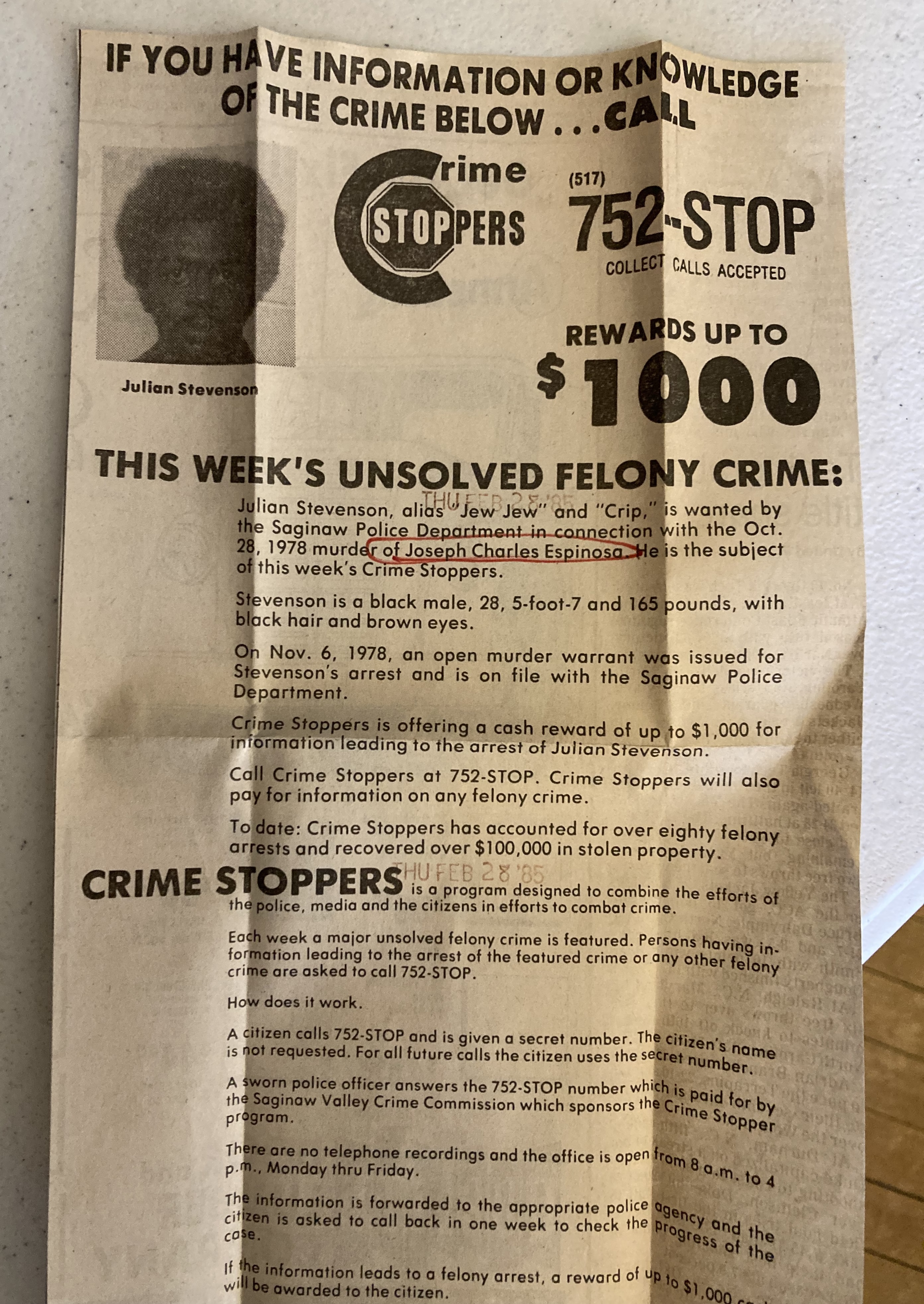
The year 1978 recorded significant statistical shifts in violent crime across various jurisdictions, reflecting broader socioeconomic transformations, evolving law enforcement methodologies, and changing demographic trends of the late 20th century. Analyzing homicides from this period requires examining official government crime reporting, structural shifts in urban centers, and the development of modern forensic and investigative frameworks.
Historical Framework and Criminological Landscape of the Late 1970s
To understand the nature of homicides in 1978, one must examine the broader criminological landscape of the United States and other industrialized nations during the late 1970s. This era followed a turbulent decade marked by significant civil unrest, economic shifts, and the aftermath of the Vietnam War. Urban centers in North America and Europe were experiencing prolonged periods of deindustrialization, urban decay, and shifting demographics, all of which influenced local crime rates.
Criminologists and sociologists studying this period note that violent crime rates, including criminal homicides, had been on an upward trajectory since the early 1960s, peaking at various points in the 1970s and 1980s. In the United States, the Federal Bureau of Investigation (FBI) tracked these trends through its Uniform Crime Reporting (UCR) program. The data from 1978 captured a complex intersection of generational shifts, as the baby boom generation entered high-risk age brackets for both criminal offending and victimization.
Furthermore, the technological and forensic capabilities available to law enforcement in 1978 differed vastly from modern standards. DNA profiling did not exist, fingerprint databases were largely manual, and ballistic analysis relied heavily on microscopic comparison without computerized matching systems. Consequently, clearance rates and investigative workflows relied extensively on traditional detective work, eyewitness testimony, and physical evidence recovery at crime scenes.
Statistical Overview and Reporting Methodologies
Official reporting for 1978 homicides relies primarily on historical datasets compiled by government agencies and academic institutions. According to historical UCR data published by the FBI, the estimated national homicide rate in the United States during the late 1970s hovered around 9 to 10 per 100,000 residents, representing tens of thousands of violent deaths annually across the country.
| Data Metric | Historical Context (1978) | Comparative Modern Context |
|---|---|---|
| Primary Reporting Agency | FBI Uniform Crime Reporting (UCR) | FBI UCR / National Incident-Based Reporting System (NIBRS) |
| Investigative Technology | Manual fingerprint files, basic ballistics, wet-film photography | Automated Fingerprint Identification Systems (AFIS), DNA profiling, digital forensics |
| Data Collection Method | Aggregate summary reporting by local agencies | Incident-based electronic reporting with detailed contextual variables |
| Primary Jurisdictional Focus | Municipal police departments and county sheriff offices | Federal, state, county, and local multi-agency data networks |
Understanding these figures requires looking at how data was collected and categorized. The UCR program defined murder and non-negligent manslaughter as the willful (non-negligent) killing of one human being by another, based on police investigation rather than judicial outcomes. This distinction meant that historical homicide statistics reflected initial law enforcement classifications rather than final court convictions or acquittals.
Sociodemographic Factors and Victim-Offender Relationships
Analysis of 1978 homicides reveals distinct demographic patterns concerning both victims and offenders. Historical criminological studies consistently demonstrate that homicide is predominantly an intra-racial and acquaintance-based crime. In 1978, a significant percentage of homicides occurred between individuals who knew each other, including family members, romantic partners, acquaintances, and neighbors, rather than through stranger violence or organized crime, though urban areas did experience notable spikes in gang-related and drug-related violence.
Age and gender demographics from the period also highlight distinct vulnerabilities. Young adult males, particularly those aged 18 to 29, represented the highest percentage of both offenders and victims in official reports. Socioeconomic status and geographic concentration played major roles as well; economically depressed urban neighborhoods bore a disproportionate share of the homicide burden, driven by systemic poverty, lack of educational and employment opportunities, and inadequate municipal resources.
Law Enforcement and Investigative Limitations of the Era
Investigating a homicide in 1978 presented distinct operational challenges that shaped case resolutions and clearance rates. Without the benefit of instantaneous national databases or advanced molecular biology, police departments relied heavily on informant networks, physical surveillance, and confessions.
- Evidence Collection: Crime scene preservation techniques were less rigorous compared to contemporary standards, increasing the risk of contamination before forensic specialists arrived.
- Forensic Limitations: Serology testing could identify blood types (such as the ABO system), but individualizing biological evidence to a single specific person was rare prior to the advent of DNA profiling in the mid-1980s.
- Information Sharing: Communications between state and local law enforcement agencies were constrained by analog filing systems, teletype machines, and a lack of centralized digital networks, making interstate tracking of transient offenders exceptionally difficult.
Despite these hurdles, many metropolitan police departments maintained high clearance rates through tenacious investigative casework and community cooperation. However, cold cases from this era frequently remained unresolved due to the degradation of physical evidence or the loss of key witnesses over time.
Frequently Asked Questions About 1978 Homicides
How high were homicide rates in 1978 compared to modern figures?
Historical data indicates that national homicide rates in the late 1970s were notably higher than contemporary averages observed in the early 21st century. While the U.S. homicide rate in 1978 approached double-digit figures per 100,000 residents, subsequent decades experienced significant fluctuations, including a sharp peak in the early 1990s followed by a prolonged multi-decade decline.
What sources provide reliable data on 1978 homicides?
The primary official source for historical crime data in the United States is the FBI Uniform Crime Reporting (UCR) historical publications. Additionally, academic researchers, public health organizations like the Centers for Disease Control and Prevention (CDC), and municipal archival records offer supplementary data regarding cause of death and jurisdictional breakdowns.
Were serial killers more prevalent in 1978?
Criminologists often refer to the 1970s and 1980s as a high-visibility era for serial killers, though researchers debate whether this represented a true statistical surge or a byproduct of sensationalized media coverage, fragmented police communication that hindered cross-jurisdictional investigations, and the coining of the term "serial killer" itself.
How did forensic science handle evidence in 1978?
Forensic science in 1978 relied on fingerprint comparison, basic ballistic analysis, handwriting analysis, and conventional blood grouping (serology). DNA profiling, computerized fingerprint databases, and advanced digital forensics were not yet available, meaning investigators depended heavily on eyewitness accounts, physical confessions, and circumstantial evidence.
What factors contributed to the crime trends of the late 1970s?
Crime trends during this period were influenced by a combination of demographic shifts—specifically the coming-of-age of the large baby boom generation—rapid urbanization, economic stagnation, high inflation, and structural changes in urban industrial job markets that disproportionately affected low-income communities.
Verifying Historical Records and Next Steps for Researchers
Researchers, journalists, or genealogists seeking specific details regarding 1978 homicides must navigate a combination of public records laws, state archives, and local police department repositories. Because federal databases like the UCR provide aggregate statistical overviews rather than individual case files, investigating specific incidents requires contacting the municipal police department, county sheriff's office, or state bureau of investigation having jurisdiction over the original event.
When conducting historical research into archival crime data, always verify whether local jurisdictions have transferred their historical files to state archives or university libraries. Furthermore, researchers should consult both police reports and contemporaneous newspaper archives to gain a comprehensive understanding of how specific cases were investigated, prosecuted, and reported within their original contexts.