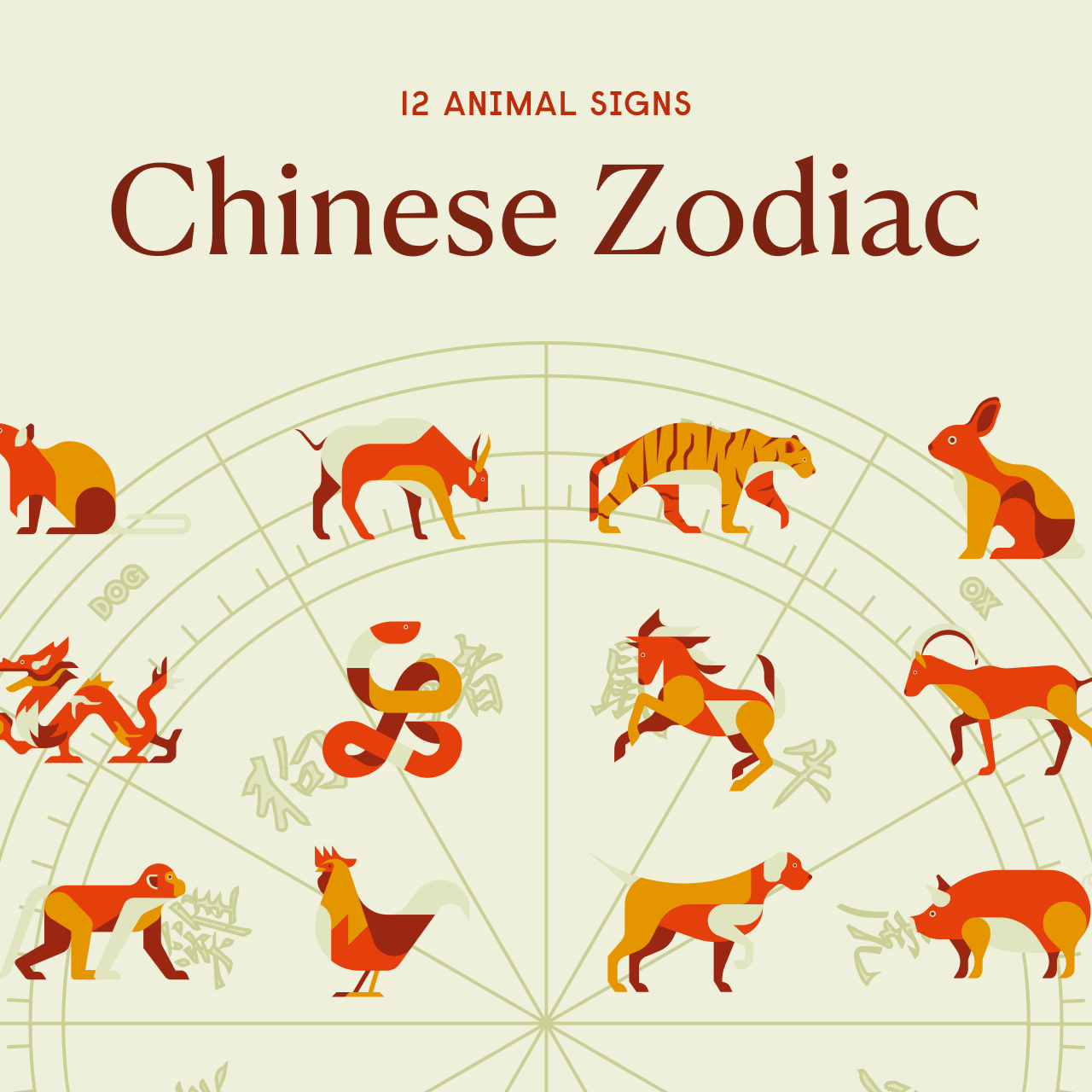
The 1975 Chinese zodiac sign is the Wood Rabbit, associated with the Yin Wood element. In traditional Chinese astrology, compatibility and clash insights for this birth year are determined by the complex interactions of the earthly branches, hidden stems, and elemental phases, specifically focusing on the direct opposition with the Rooster, which creates a classic elemental and directional conflict.
Navigating traditional Chinese astrology requires looking beyond simple birth years to understand how elemental phases, earthly branches, and ancient philosophical models govern human relationships. For individuals born in 1975, the year of the Yin Wood Rabbit (Yi Mao), interpersonal dynamics are deeply influenced by specific directional and elemental clashes. Understanding these friction points—traditionally known as clashes (Chong) and adversarial pairings (Po or Hai)—provides a practical framework for resolving tension in romantic partnerships, business ventures, and familial bonds without relying on fatalistic assumptions.
Foundational Elements of the 1975 Wood Rabbit Zodiac Sign
To understand why certain signs experience friction with the 1975 birth year, one must first examine the inherent energetic profile of the Wood Rabbit. In the sexagenary cycle, 1975 corresponds to the Yin Wood element paired with the Rabbit branch (Mao). Yin Wood is naturally flexible, artistic, empathetic, and diplomatic. Rabbits prefer harmony, peace, and security, often avoiding direct confrontation in favor of subtle negotiation or strategic retreat.
However, the internal mechanics of Chinese astrology dictate that every zodiac sign possesses specific allies (San He or triple combinations) and inherent antagonists. The Rabbit belongs to the Eastern sector of the Chinese zodiac wheel and is governed primarily by Wood energy, with secondary hidden stems of Yin Fire and Yin Earth depending on the exact lunar month. Because Wood requires moisture, stability, and growth, any astrological force that destabilizes these foundational needs creates systemic stress in relationships.
The Anatomy of the Astrological Clash: Rabbit Versus Rooster
The primary opposition point for the 1975 Wood Rabbit is the Rooster (You). In the traditional twelve-branch chart, Rabbit and Rooster sit directly opposite each other across the compass wheel, representing an East-West opposition. This direct confrontation is known as the Six Clashes (Liu Chong).
| Zodiac Sign | Compass Direction | Primary Element | Core Characteristic | Relationship to 1975 Rabbit |
|---|---|---|---|---|
| Rabbit (Mao) | East | Yin Wood | Diplomatic, cautious, peace-seeking | Native Sign (1975) |
| Rooster (You) | West | Yin Metal | Analytical, precise, blunt, organized | Direct Clash / Adversary |
| Rat (Zi) | North | Yin Water | Resourceful, adaptable, strategic | Mutual Destruction (Po) |
| Dragon (Chen) | Southeast | Yang Earth | Ambitious, visionary, authoritative | Harm (Hai) / Constraint |
The friction between the Rabbit and the Rooster stems from a fundamental elemental conflict: Metal destroys Wood. The Rooster embodies sharp, decisive Yin Metal, which stands in direct opposition to the soft, growing Yin Wood of the Rabbit. In practical terms, this manifests as a clash of communication styles and operational philosophies. The Rooster values meticulous organization, harsh truths, and rigid schedules, whereas the Rabbit prioritizes emotional comfort, creative freedom, and indirect diplomacy. When these two profiles interact closely—such as in a marriage or a business partnership—the Rooster's critique can feel like a direct assault to the sensitive Rabbit, while the Rabbit's evasiveness can drive the methodical Rooster to frustration.
Navigating Secondary Friction Points: Destruction and Harm
Beyond the direct opposition with the Rooster, the 1975 Wood Rabbit must navigate subtler forms of astrological friction, namely the Mutual Destruction (Po) and the Harm (Hai) relationships.
The Rat (Zi) forms a destructive relationship with the Rabbit. While Water feeds Wood in the productive cycle, an unbalanced excess of Water can rot Wood roots. In interpersonal dynamics, this translates to hidden friction and emotional erosion. A 1975 Rabbit and a Rat individual may initially bond over intellectual pursuits, but over time, the Rat's secretive nature and the Rabbit's sensitivity can lead to passive-aggressive misunderstandings that slowly degrade trust.
Similarly, the Dragon (Chen) creates a relationship of harm with the Rabbit. The Dragon's commanding, Yang Earth energy seeks to control and direct growth. For an independent Wood Rabbit, this can feel restrictive and overbearing. The Dragon views the Rabbit's cautious pace as a lack of ambition, while the Rabbit perceives the Dragon as overly domineering. Recognizing these structural friction points allows individuals to anticipate where communication is most likely to break down.
| Interaction Type | Interacting Sign | Astrological Mechanism | Practical Behavioral Manifestation |
|---|---|---|---|
| Direct Clash (Chong) | Rooster | 180-degree directional and elemental opposition (Metal vs. Wood) | Direct arguments over lifestyle, communication styles, and core values. |
| Destruction (Po) | Rat | Hidden stem conflict and territorial friction | Erosion of trust, passive-aggressive friction, and unspoken resentment. |
| Harm (Hai) | Dragon | Positional discomfort and control struggles | Power dynamics, feeling restricted, and clashing ambitions. |
Practical Strategies for Managing Astrological Incompatibilities
Identifying an enemy clash or adversarial relationship in Chinese astrology is not a sentence for relationship failure; rather, it serves as a diagnostic tool for emotional intelligence. When a 1975 Wood Rabbit finds themselves in a long-term personal or professional partnership with a conflicting sign like the Rooster, specific operational strategies can bridge the ideological gap.
First, communication styles must be consciously adapted. The Rabbit must learn to receive constructive feedback without retreating into defensive silence, while the conflicting partner—particularly the analytical Rooster—must temper blunt criticisms with empathy. Because Metal cuts Wood, the Rooster must understand that sharp delivery causes disproportionate emotional damage to the Rabbit.
Second, spatial and temporal separation can neutralize ongoing tension. In traditional feng shui and astrological remediation, introducing mediating elements helps balance opposing forces. For instance, introducing Water elements (such as dark blue colors, fluid designs, or actual water features in a shared workspace) acts as an elemental bridge. Water weakens Metal (the Rooster) and nourishes Wood (the Rabbit), serving as a diplomatic buffer that softens the direct confrontation between the two energies.
Professional and Workplace Dynamics Involving the 1975 Wood Rabbit
In professional environments, clash compatibility directly impacts team cohesion, delegation, and project management. A 1975 Wood Rabbit excels in roles requiring mediation, creative design, public relations, long-term planning, and diplomatic negotiation. However, when paired with a conflicting manager or business partner—such as a Rooster who prioritizes strict auditing and immediate metric-driven results—conflict is virtually guaranteed if roles are not clearly partitioned.
To prevent professional friction, organizations should avoid placing clashing signs in direct, interdependent supervisory roles without a buffer. If a Wood Rabbit and a Rooster must collaborate on a project, assigning distinct, non-overlapping responsibilities ensures that each individual operates within their zone of competence. The Rooster can handle quality control, data analysis, and structural execution, while the Rabbit manages creative direction, client relations, and internal team harmony.
Frequently Asked Questions
What does an enemy clash mean in Chinese zodiac compatibility?
An enemy clash refers to a traditional astrological opposition between specific earthly branches located 180 degrees apart on the zodiac wheel. It signifies fundamental differences in temperament, communication, and elemental makeup that can lead to frequent misunderstandings if not managed with self-awareness.
Are relationships between clashing zodiac signs doomed to fail?
No, astrological clashes indicate areas of natural friction rather than absolute incompatibility. Many successful personal and professional relationships exist between traditionally clashing signs, sustained by mutual respect, shared core values, and conscious communication adjustments.
How does the Yin Wood element influence the 1975 Rabbit?
The Yin Wood element grants the 1975 native a flexible, empathetic, and diplomatic nature. Like a willow branch that bends in the wind, the Wood Rabbit prefers peaceful resolution over aggressive confrontation, making abrupt or harsh personalities particularly difficult to navigate.
Can feng shui or elemental remedies mitigate zodiac clashes?
Traditional practitioners use balancing elements—such as introducing the Water phase to bridge Metal and Wood conflicts—alongside behavioral adjustments to neutralize tension. These remedies focus on shifting environmental and communication dynamics rather than altering personal traits.
Is compatibility analysis limited only to the birth year?
Traditional Chinese astrology utilizes the Four Pillars of Destiny (BaZi), which analyze the hour, day, month, and year of birth. While the birth year provides a general baseline, a complete compatibility assessment evaluates the full interaction of all four pillars.
Optimizing Interpersonal Relationships and Next Actions
To successfully navigate relationships influenced by the 1975 Chinese zodiac enemy clash compatibility insights, focus on proactive boundary setting and emotional awareness rather than trying to force unnatural harmony. Begin by auditing your key personal and professional partnerships to identify where communication breakdowns consistently occur. If you share a close bond with a traditionally conflicting sign like the Rooster, establish explicit communication protocols that honor the Rabbit's need for diplomatic discourse and the counterpart's need for clarity. Leverage elemental mediation, respectful pacing, and clear role separation to transform historical friction points into opportunities for balanced, mature collaboration.