The 43rd Academy Awards ceremony, held on April 15, 1971, at the Dorothy Chandler Pavilion in Los Angeles, celebrated the finest cinematic achievements of 1970. Hosted by a rotation of presenters rather than a single master of ceremonies, this iconic evening was defined by major upsets, political statements, and a shifting cinematic landscape that bridged classical Hollywood with the gritty realism of the New Hollywood movement.
Historical Context and the Changing Face of Cinema in 1970
The films honored at the 1971 Oscars reflected a profound cultural and industrial transition within the American film industry. By 1970, the traditional studio system was struggling under the weight of several massive box-office failures, paving the way for younger, counter-culture filmmakers who embraced moral ambiguity, social realism, and complex antiheroes. This era, commonly known as New Hollywood, heavily influenced the nominations, contrasting sharply with the traditional, big-budget roadshow epics that had previously dominated the Academy's favor.
At the same time, the geopolitical climate of the United States loomed large over the ceremony. Anti-war sentiments regarding Vietnam, the rise of the women's liberation movement, and evolving racial politics meant that Hollywood could no longer exist in a cultural vacuum. Nominated films frequently tackled taboo subjects, institutional corruption, and existential alienation, setting a new precedent for what prestigious American cinema could achieve.
Key Nominations and Major Contenders
The race for the 43rd Academy Awards was fiercely contested across all major categories, featuring a blend of established veterans and rebellious newcomers. Leading the pack was Franklin J. Schaffner's biographical war epic Patton, which secured ten nominations and emerged as an early favorite due to its massive commercial success and traditional craftsmanship. Close behind were Arthur Hiller’s romantic tearjerker Love Story, which captured seven nominations and became a massive cultural phenomenon, and Robert Altman’s iconoclastic Korean War satire MASH*, which resonated deeply with younger audiences.
Other notable contenders included Bob Rafelson’s existential drama Five Easy Pieces, Hal Ashby’s generational study The Landlord, and airport disaster progenitor Airport, which also pulled in multiple nominations. The diversity of the slate highlighted a tug-of-war between old-school Hollywood grandeur and the emergent, cynical voice of a new generation of filmmakers, making the eventual winners difficult to predict.
Major Winners and Historic Upsets
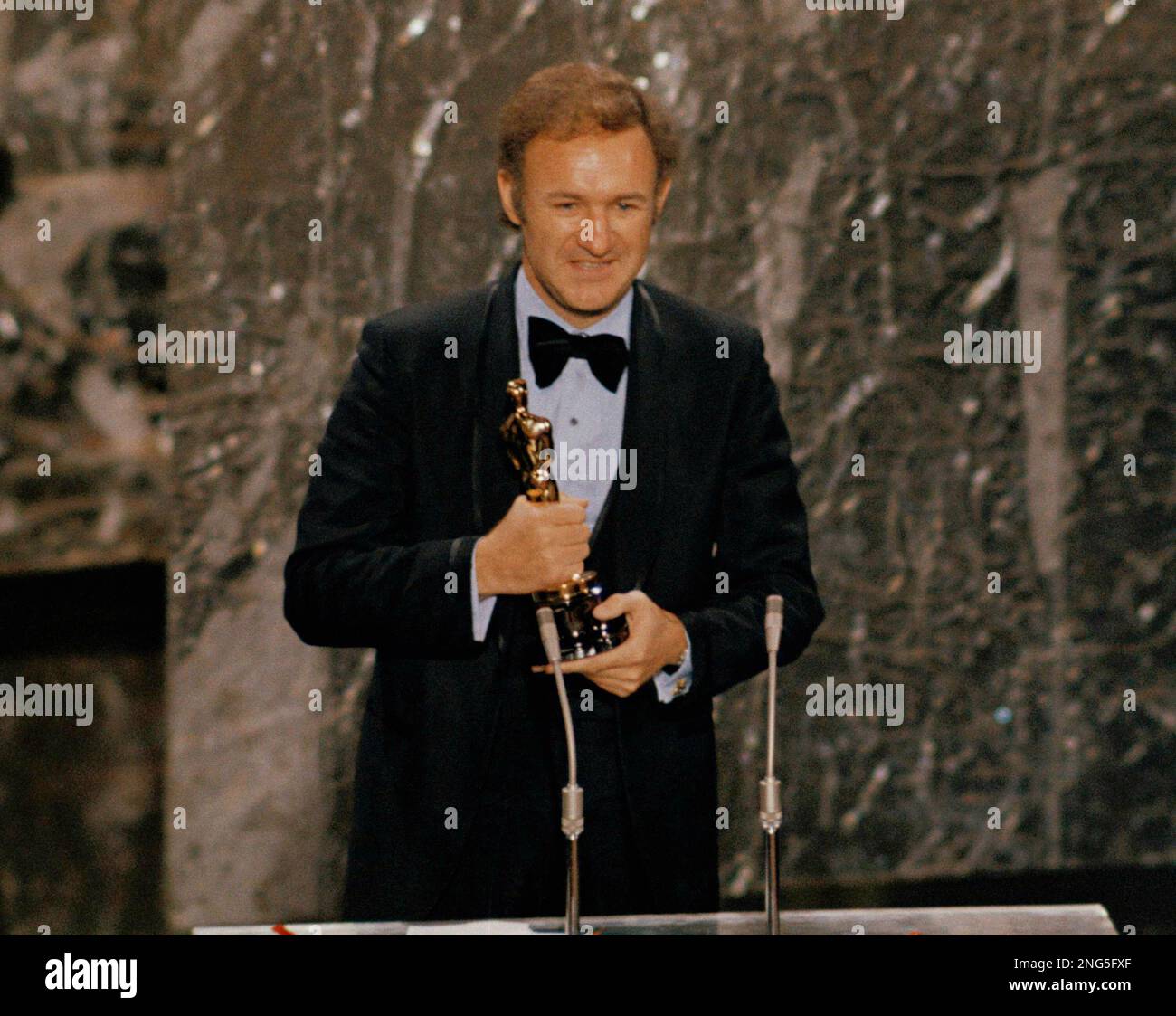
The actual ceremony delivered several surprises that continue to be debated by film historians and cinephiles. Patton dominated the evening, capturing seven Academy Awards, including Best Picture, Best Original Screenplay for Francis Ford Coppola and Edmund H. North, and Best Director for Franklin J. Schaffner. George C. Scott won Best Actor for his legendary portrayal of General George S. Patton, though his victory was historic for an entirely different reason: Scott had famously sent a telegram to the Academy prior to the ceremony stating he would refuse the award, viewing the competitive nature of acting as degrading.
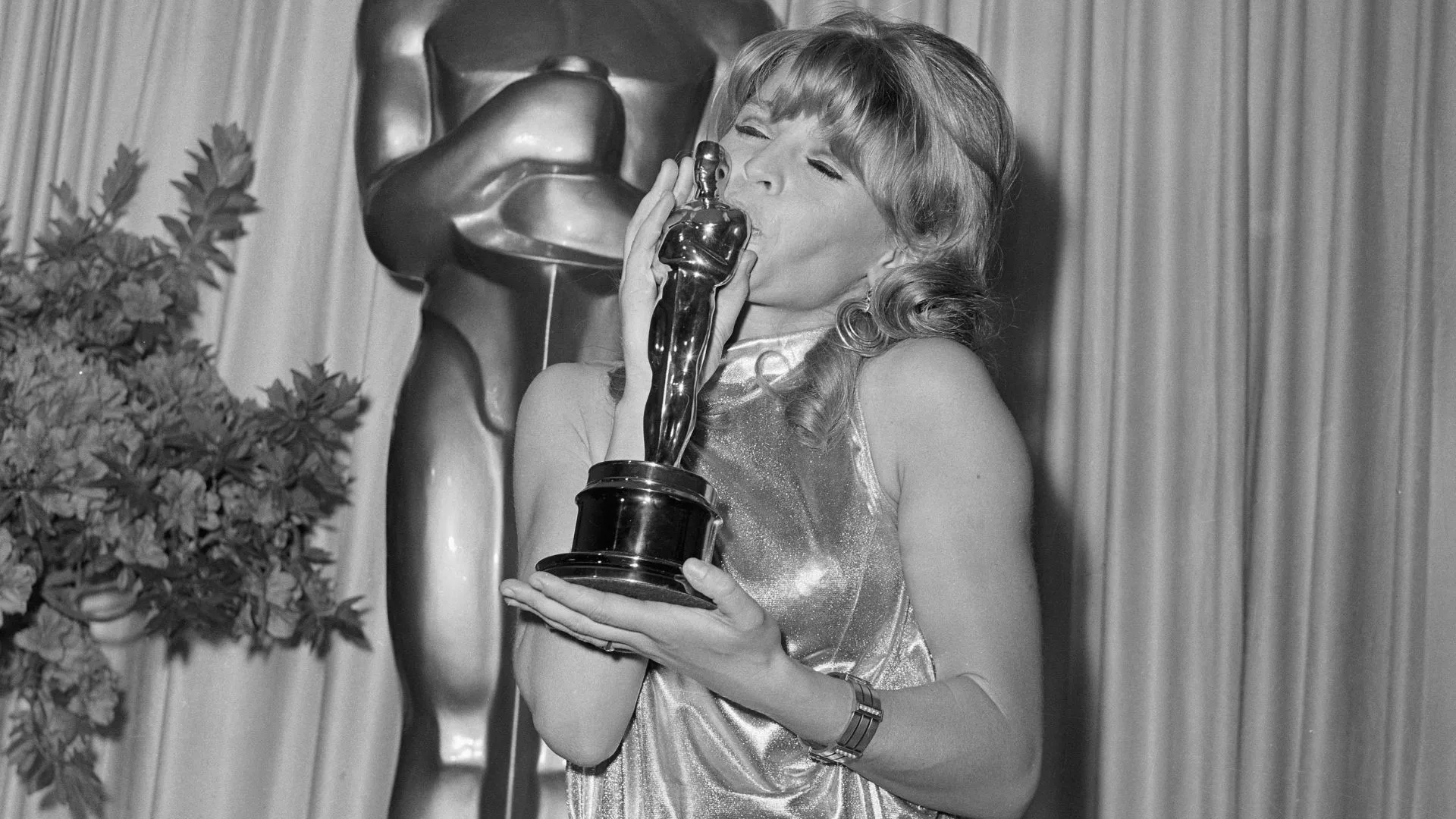
In the Best Actress category, Glenda Jackson won her first Academy Award for her searing performance in Women in Love, defeating sentimental favorites and establishing herself as a formidable transatlantic talent. Meanwhile, Helen Hayes secured the Best Supporting Actress trophy for Airport, and John Mills won Best Supporting Actor for Ryan's Daughter.
| Category | Winner | Film |
|---|---|---|
| Best Picture | Frank McCarthy (Producer) | Patton |
| Best Director | Franklin J. Schaffner | Patton |
| Best Actor | George C. Scott | Patton |
| Best Actress | Glenda Jackson | Women in Love |
| Best Supporting Actor | John Mills | Ryan's Daughter |
| Best Supporting Actress | Helen Hayes | Airport |
Political Statements and Notable Ceremony Moments
True to the tumultuous spirit of the era, the 1971 broadcast featured several memorable political and cultural demonstrations. The most visible protest involved actress Vanessa Redgrave, who had been nominated for Best Actress for The Loves of Isadora. Redgrave used her pre-ceremony media appearances and presence to speak out against the Vietnam War and express solidarity with Palestinian causes, drawing both vocal supporters and sharp criticism from industry veterans.
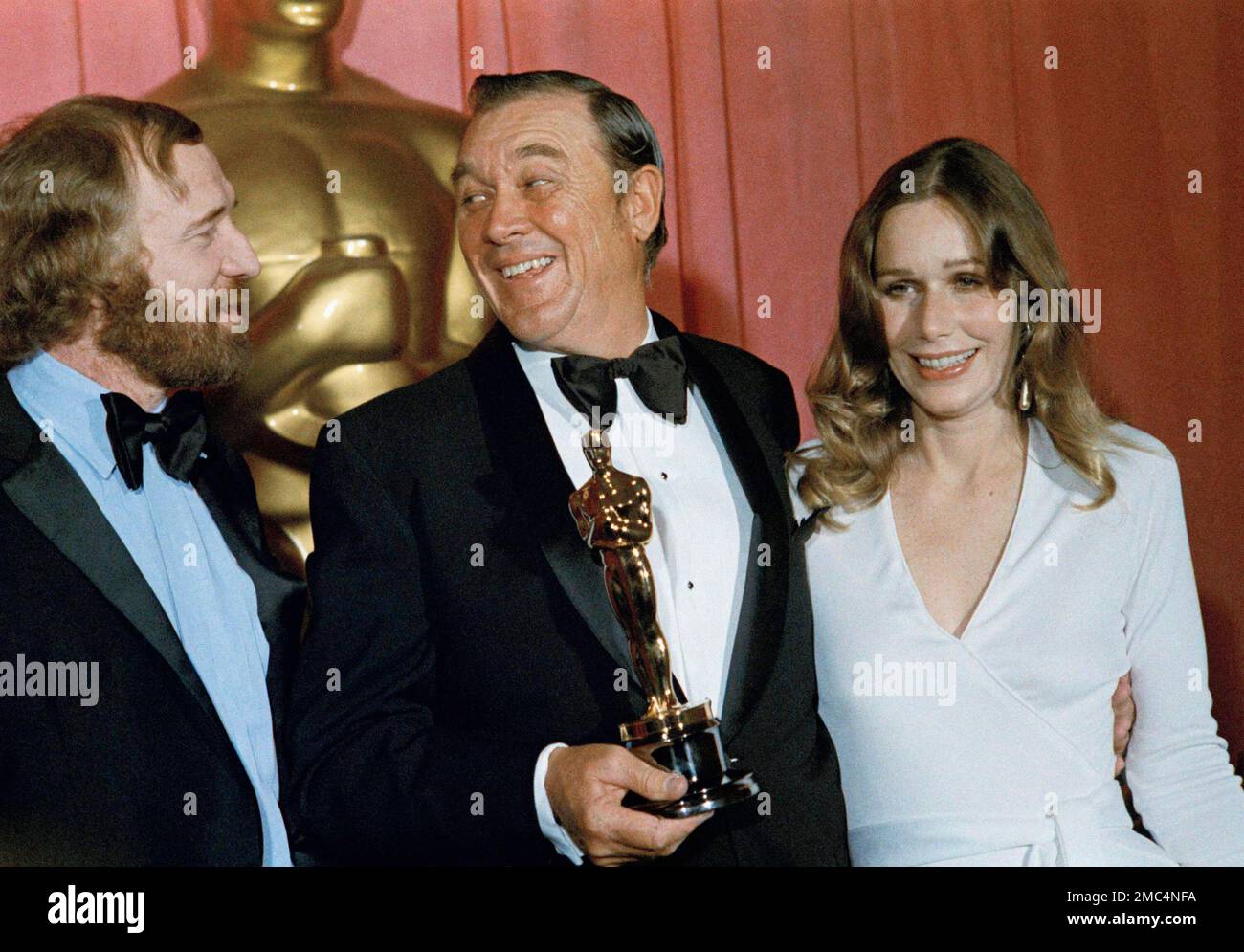
Additionally, the absence of George C. Scott cast a shadow over the Best Actor announcement, marking the first time an actor outright rejected an Oscar. Presenter Goldie Hawn opened the envelope, announced his name, and watched as producer Frank McCarthy accepted the statuette on Scott's behalf. This act of defiance shattered the polite consensus of the Academy Awards and established a precedent for artists using the global television audience as a platform for personal and political conviction.
Critical Reception and Long-Term Legacy of the 43rd Academy Awards
Retrospective analysis of the 1971 Oscars often frames the event as a missed opportunity to fully embrace the cinematic revolution happening outside the Academy's conservative voting block. While Patton remains a masterclass in biographical filmmaking, critics frequently point out that honoring it over riskier, more formally inventive works like Five Easy Pieces or MASH* demonstrated the Academy's institutional caution.
Nevertheless, the films honored at the 43rd Academy Awards have aged into vital historical artifacts of a transitional year in American art. They capture the exact moment when Hollywood's classical past collided with its modern, cynical future. The tensions witnessed on stage and in the screening rooms in the spring of 1971 continue to inform how the entertainment industry balances commercial viability, artistic integrity, and political expression.
Frequently Asked Questions About the 1971 Oscars
Who hosted the 1971 Academy Awards ceremony?
The 43rd Academy Awards did not feature a single host. Instead, the broadcast relied on a roster of celebrity presenters—referred to as "Friends of the Oscars"—to guide the evening's proceedings, a format utilized to revitalize the show's pacing.
Why did George C. Scott refuse his Best Actor Oscar?
George C. Scott refused his Best Actor award for Patton because he genuinely disliked the competitive aspect of acting. He believed that artistic performances could not and should not be objectively ranked against one another, notifying the Academy of his stance weeks before the ceremony.
Which film won Best Picture at the 1971 Oscars?
Patton, directed by Franklin J. Schaffner and produced by Frank McCarthy, won the Academy Award for Best Picture at the 1971 ceremony, beating out strong competition including Love Story and MASH*.
How many nominations did Love Story receive in 1971?
Arthur Hiller’s romantic drama Love Story received seven Academy Award nominations, ultimately winning one competitive statuette for Francis Lai’s iconic original score.
Where was the 43rd Academy Awards ceremony held?
The ceremony took place at the Dorothy Chandler Pavilion in the Los Angeles Music Center, which served as the primary home for the Academy Awards throughout the 1970s.
Exploring Classic Cinema Heritage
To truly appreciate the cultural weight of the 43rd Academy Awards, film enthusiasts should seek out the restored archival broadcasts and contemporary critical essays surrounding the nominated films. Comparing the traditional grandeur of Patton against the counter-cultural grit of MASH* provides a comprehensive understanding of the artistic fault lines that defined American cinema at the dawn of the 1970s.