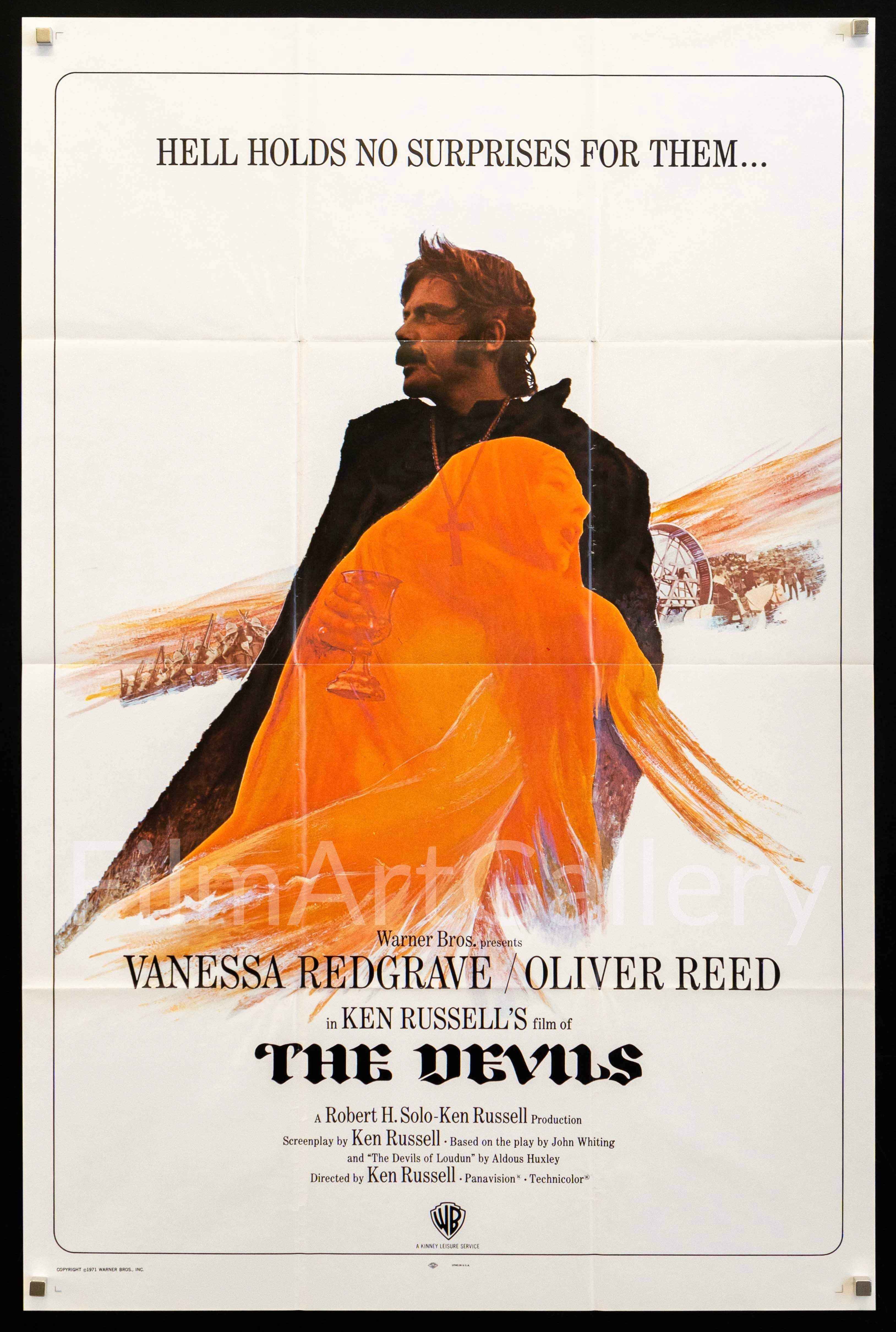
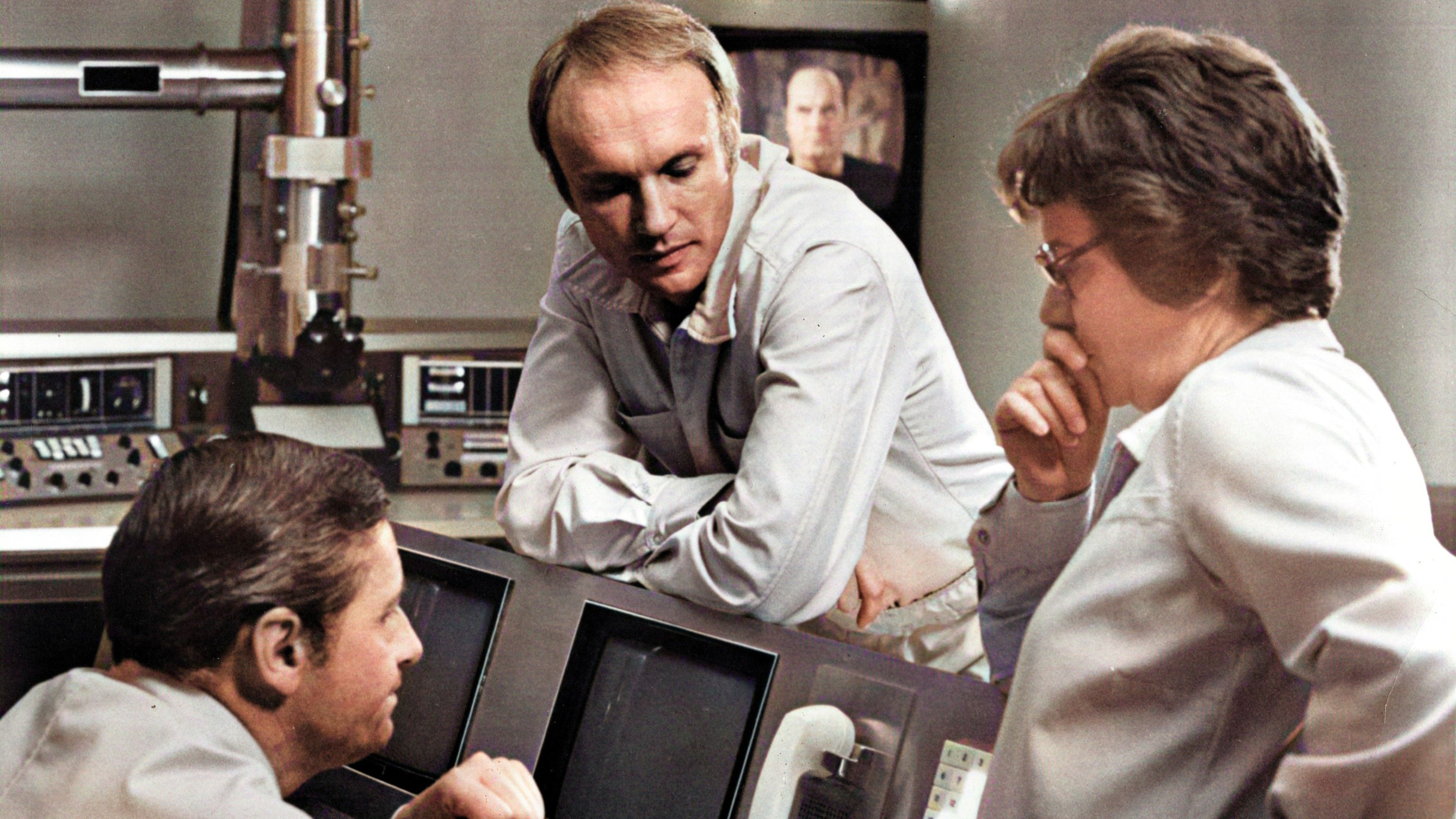
The year 1971 stands as a profound transitional epoch in cinema history, bridging the countercultural disruption of the late 1960s with the blockbuster era of the mid-1970s. This period fostered gritty auteur-driven storytelling, boundary-pushing independent pictures, and studio-backed experiments that permanently altered global cinematic aesthetics and narrative structures.
The Cultural and Industrial Backdrop of 1971 Cinema
Major Hollywood studios faced severe financial crises at the dawn of the 1970s following a string of expensive, miscalculated musical and historical epics. This corporate vulnerability inadvertently created an opening for younger, film-school-educated directors and independent producers who championed realism, moral ambiguity, and social critique over glossy escapism. The resulting films often reflected the disillusionment of the post-60s era, capturing the anxieties surrounding the Vietnam War, political corruption, urban decay, and shifting gender roles.
International cinema simultaneously exerted a powerful influence on Western filmmakers. European art-house aesthetics, Japanese genre traditions, and a loosening of strict domestic censorship codes—exemplified by the evolution of the Motion Picture Association of America (MPAA) rating system introduced in 1968—gave creators unprecedented license to explore taboo subjects. Violence became starker and more psychological, sexuality was treated with greater candor, and traditional happy endings were frequently discarded in favor of unresolved, ambiguous conclusions that mirrored real-world complexities.
Key Aesthetic Innovations and Narrative Structures
One of the most striking developments of 1971 cinema was the embrace of location shooting over controlled studio backlots. Directors took cameras out onto the rain-slicked streets of New York, the sun-baked deserts of the American Southwest, and cramped, authentic interiors, capturing a gritty documentary texture. This visual naturalism was supported by lightweight, mobile camera equipment and advanced sound-recording technologies that allowed for greater spontaneity and realism.
Narratively, the traditional three-act hero's journey underwent a radical deconstruction. Protagonists were frequently antiheroes—flawed, alienated, or morally compromised figures struggling against hostile institutions or their own internal demons. Traditional villains were replaced by systemic corruption or environmental indifference, rendering simple binary conflicts obsolete. Furthermore, pacing shifted to allow for lingering atmospheric moments, character introspection, and pacing that prioritized psychological tension over relentless action.
Landmark Releases and Defining Subgenres
The cinematic output of 1971 spanned diverse genres, each contributing unique elements to the cultural landscape. The psychological thriller and neo-noir categories flourished, exploring paranoia and isolation. Simultaneously, the rise of the independent drama and the provocative exploitation film pushed boundaries regarding violence and societal critique.
The following table highlights several representative films from 1971, detailing their primary genres, distinct thematic concerns, and lasting historical impact.
| Film Title | Primary Genre | Key Themes | Historical & Cultural Impact |
|---|---|---|---|
| The French Connection | Crime Thriller / Action | Law enforcement ethics, urban decay, relentless pursuit | Redefined the modern cinematic chase sequence and won five Academy Awards, including Best Picture. |
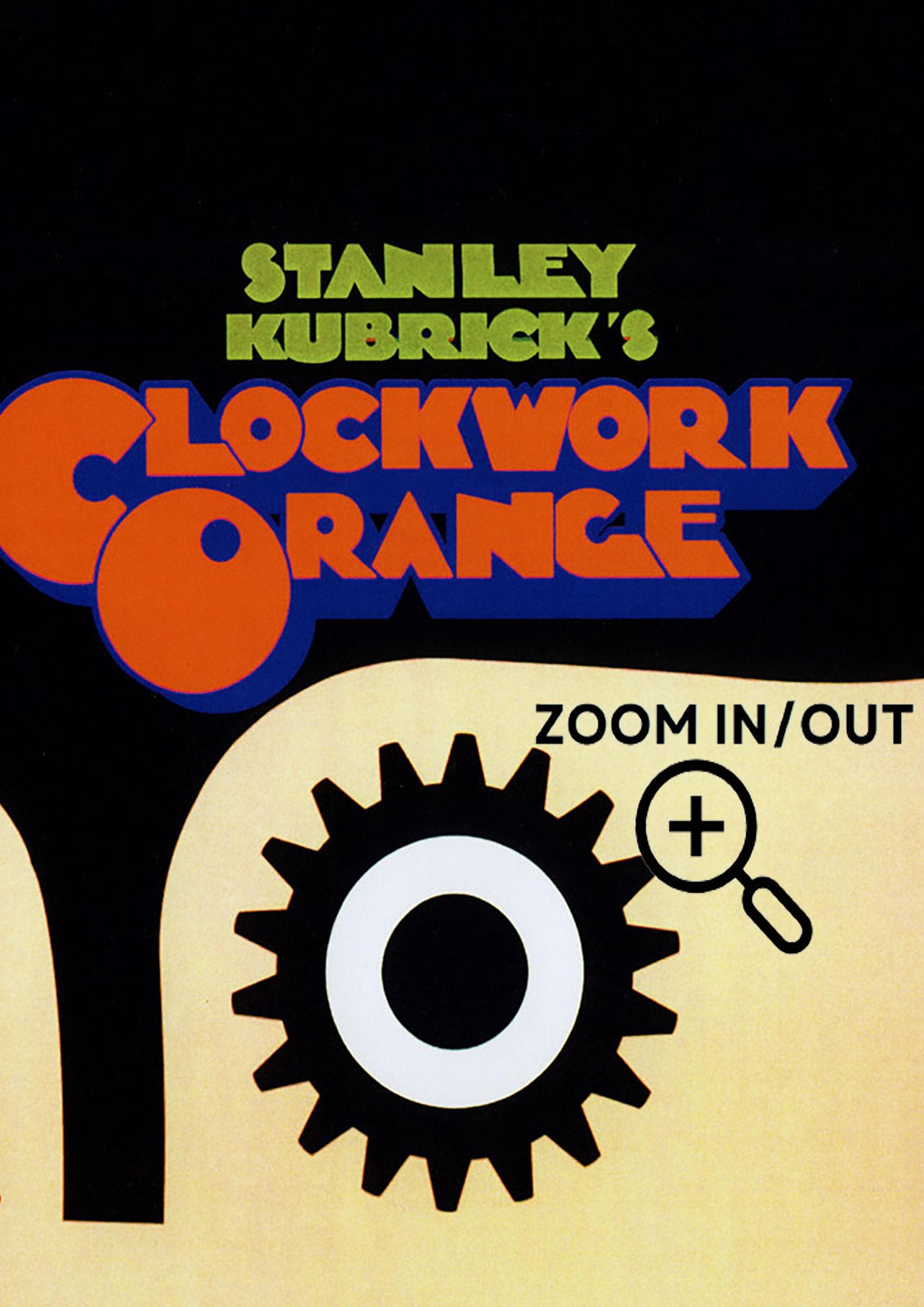
| A Clockwork Orange | Dystopian Science Fiction | Free will, state control, societal violence | Sparked intense global debates regarding screen violence and censorship while pushing visual design boundaries. |
| The Last Picture Show | Coming-of-Age Drama | Rural isolation, economic decline, passing time | Celebrated as a masterwork of elegiac realism, earning critical acclaim and multiple Academy Award nominations. |
| Straw Dogs | Psychological Thriller | Territorialism, hidden savagery, masculinity | Provoked fierce controversy over its depiction of escalating violence and self-defense ethics. |
| Harold and Maude | Dark Comedy / Romance | Existentialism, nonconformity, mortality | Transformed from a box-office disappointment into a beloved countercultural touchstone and cult classic. |
The Evolution of the American Antihero
The archetype of the traditional cinematic hero underwent a profound transformation in 1971. Figures like Popeye Doyle in The French Connection or Harry Callahan in Dirty Harry (released in December 1971) challenged conventional notions of law and order. These characters operated outside standard institutional ethics, utilizing brute force and questionable methods to achieve their ends, reflecting a growing public cynicism toward established authorities and government institutions.
This shift was not confined to law enforcement narratives. Dramas and character studies presented ordinary individuals overwhelmed by forces beyond their control. The psychological weight carried by these characters moved audiences away from aspirational identification toward empathetic or uneasy observation. Filmmakers explored the psychological toll of alienation, examining how societal pressures fractured personal identity.
International Currents and Global Perspectives
While Hollywood underwent significant internal restructuring, international cinemas continued to challenge narrative conventions and visual standards. European directors offered introspective examinations of history and memory, while Asian markets produced vital action and genre works that would later inspire generations of global filmmakers. The cross-pollination of ideas between American and international creators accelerated during this period, facilitated by international film festivals and the global circulation of film criticism.
This international exchange encouraged a shared cinematic vocabulary defined by visual storytelling, economic dialogue, and a rejection of didactic moralizing. Directors worldwide recognized that audiences were increasingly receptive to complex narratives that refused to provide easy answers, cementing a global appetite for intellectually challenging cinema.
Assessing the Enduring Legacy of 1971 Cinema
Decades after their initial theatrical runs, the films of 1971 continue to serve as a vital benchmark for artistic risk-taking and industrial change. They demonstrated that commercial viability and uncompromising artistic vision could coexist, even within major studio systems. Modern filmmakers frequently look back to this era as a golden age of directorial autonomy, studying its pacing, visual restraint, and thematic boldness.
Understanding this foundational year offers crucial context for the subsequent shifts in film history, including the rise of the high-concept blockbuster and the resilient independent film sector. The artistic courage displayed by creators during this period permanently expanded the boundaries of what motion pictures could achieve as both an art form and a cultural mirror.