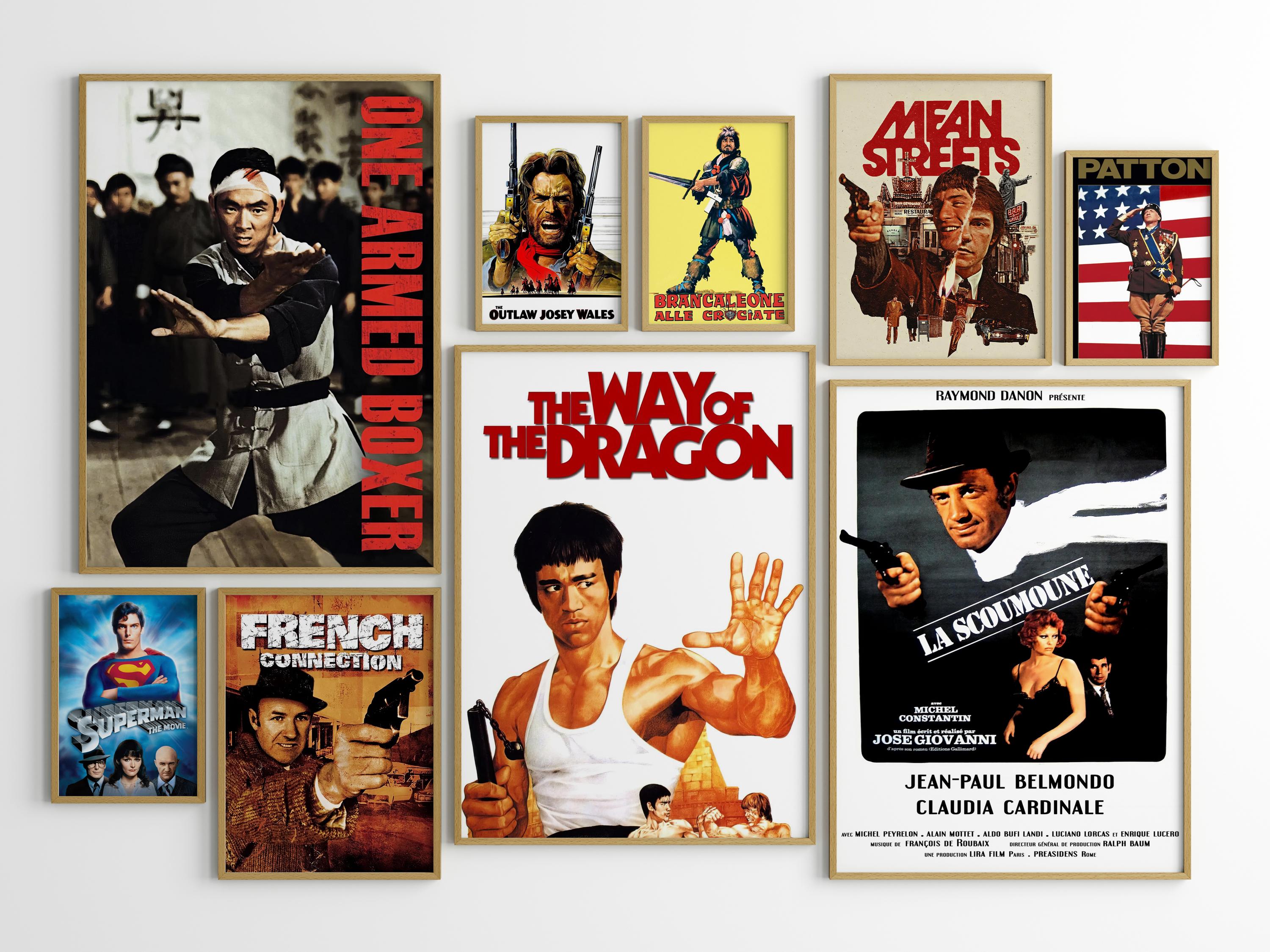
1970s cinema represents a transformative era in filmmaking defined by the rise of the Hollywood Renaissance, auteur-driven storytelling, gritty social realism, and technical innovations that permanently shifted global film culture away from classical studio formulas.
The Cultural and Economic Shifts of Post-Studio Hollywood
The landscape of American cinema shifted dramatically at the end of the 1960s. The traditional studio system, which had relied on lavish historical epics, family-friendly musicals, and strict censorship guidelines, suffered severe financial losses. Failures like Cleopatra (1963) and Doctor Dolittle (1967) bankrupted major studios and forced parent conglomerates to re-evaluate their business models. Simultaneously, the dissolution of the Production Code Administration in 1968, replaced by the Motion Picture Association of America (MPAA) rating system in November of that year, granted filmmakers unprecedented freedom to explore adult themes, graphic violence, sexual content, and complex moral ambiguity.
This corporate instability opened the studio gates to a new generation of filmmakers. Graduates from film schools like the University of Southern California and New York University—such as George Lucas, Steven Spielberg, Martin Scorsese, and Francis Ford Coppola—entered the industry equipped with deep knowledge of international art-house cinema, film history, and technical craft. They rejected glossy escapism in favor of flawed protagonists, anti-heroes, and unresolved narratives that mirrored the political disillusionment of the era, marked heavily by the Vietnam War, the Watergate scandal, and widespread civil unrest.
The Ascent of the Auteur and New Hollywood Masterpieces
With corporate executives relinquishing creative control to hedge their bets, directors emerged as primary creative authorities. This "New Hollywood" movement mirrored the French New Wave, placing visual style, personal obsession, and thematic subversion at the center of the medium. Francis Ford Coppola’s The Godfather (1972) and The Godfather Part II (1974) revolutionized the gangster genre by reframing organized crime as a warped reflection of the American corporate dream, blending high-art tragedy with commercial blockbuster appeal.
Martin Scorsese injected the gritty street-level texture of New York City into films like Mean Streets (1973) and Taxi Driver (1976). These pictures utilized rapid-fire editing, subjective voiceovers, and expressionistic lighting to visualize urban alienation and psychological fracture. Robert Altman subverted traditional genres—the western in McCabe & Mrs. Miller (1971), the private detective mystery in The Long Goodbye (1973)—by utilizing overlapping dialogue, naturalistic performances, and sprawling ensemble casts that prioritized atmosphere over plot resolution.
| Film Title | Director | Release Year | Defining Characteristic / Subgenre |
|---|---|---|---|
| Easy Rider | Dennis Hopper | 1969/1970 | Counterculture road movie, independent financial catalyst |
| The Godfather | Francis Ford Coppola | 1972 | Epic crime drama, studio-auteur synthesis |
| Chinatown | Roman Polanski | 1974 | Neo-noir, cynical pessimism, institutional corruption |
| Taxi Driver | Martin Scorsese | 1976 | Psychological character study, urban alienation |
| Apocalypse Now | Francis Ford Coppola | 1979 | Epic war film, production excess, existential dread |
Technological Evolution and Aesthetic Innovations
Advances in motion picture technology during the 1970s allowed directors to take cameras out of controlled studio soundstages and into uncontrolled, real-world environments. The development of lighter, quieter Panavision and Arriflex cameras, combined with faster film stocks such as Eastman Kodak's 5247, enabled filmmakers to shoot in low-light conditions using available or practical illumination. This gave films like The Godfather its famous sepia-toned, deep-shadowed aesthetic courtesy of cinematographer Gordon Willis.
Simultaneously, location shooting became standard practice. Instead of constructing artificial backlot sets, productions utilized authentic urban streets, decaying industrial centers, and rugged wilderness landscapes. In sound design, the introduction of Dolby Stereo in the mid-1970s revolutionized auditory storytelling. Films like Star Wars (1977) and Apocalypse Now (1979) utilized multi-track directional sound to create immersive acoustic environments, transforming movie theaters from simple projection venues into sensory experiences.
International Currents: Global Cinema Beyond Hollywood
While American cinema underwent a radical transformation, international film industries produced equally revolutionary bodies of work. In West Germany, the New German Cinema movement gained international prominence through directors like Rainer Werner Fassbinder, Werner Herzog, and Wim Wenders. These filmmakers used stark, Brechtian theatrical techniques and minimalist budgets to critique post-war German society, identity, and historical memory.
In Asia, Japanese cinema transitioned away from the golden age jidai-geki toward gritty yakuza films and social dramas, while Hong Kong cinema laid the groundwork for the martial arts boom led by Bruce Lee. Meanwhile, Soviet auteur Andrei Tarkovsky explored spiritual and philosophical depths in works like Solaris (1972) and Stalker (1979), utilizing long takes and tactile, elemental imagery to challenge traditional narrative pacing. These international movements fed directly into global film culture, easily accessible via film festivals, specialized art-house cinemas, and university screenings.
The Blockbuster Shift and the End of an Era
The 1970s ended with a structural shift that closed the door on the unfettered freedom of the New Hollywood era. The release of Steven Spielberg’s Jaws in 1975 established the modern summer blockbusting strategy, relying on saturation booking, massive television advertising campaigns, and high-concept merchandising. Two years later, George Lucas’s Star Wars (1977) shattered box office records and demonstrated the immense profitability of fantasy-based intellectual property.
These commercial successes altered studio economics. While films like Michael Cimino’s over-budgeted Heaven's Gate (1980) symbolized the financial dangers of giving directors absolute creative control, the cultural triumph of the blockbuster proved that studios could manufacture high-yield franchises independently of unpredictable auteur visions. Nevertheless, the cinematic grammar, narrative complexity, and visual realism established during the 1970s remain a foundational benchmark for modern storytelling.
Frequently Asked Questions
What defined the New Hollywood movement of the 1970s?
The New Hollywood movement was characterized by the transfer of creative control from major studio executives to young, film-school-educated directors. It prioritized anti-hero protagonists, moral ambiguity, location shooting, and psychological realism over classical studio formulas and censorship restrictions.
How did the rating system change 1970s filmmaking?
The replacement of the Production Code with the MPAA rating system in 1968 introduced the R and X ratings. This allowed filmmakers to tackle mature subjects, explicit violence, sexuality, and complex social issues without facing outright censorship or bans from studio boards.
What technological changes impacted 1970s cinematography?
Lighter, portable cameras and faster film stocks allowed directors to shoot on location in natural light and low-light environments. Additionally, the adoption of Dolby multi-track sound systems transformed audio design, creating immersive theatrical experiences.
Why did the 1970s golden age of cinema end?
The era concluded due to the rise of the high-concept summer blockbuster with films like Jaws and Star Wars. These commercial juggernauts proved that studios could generate massive profits through merchandising and saturation marketing, shifting studio priorities back toward franchise-driven entertainment.
Navigating and Collecting 1970s Cinema Today
To fully appreciate 1970s cinema, viewers should move beyond mainstream blockbusters and explore curated releases from boutique physical media labels such as The Criterion Collection, Arrow Video, and Kino Lorber, which restore original camera negatives and provide comprehensive contextual supplements. When studying this era, prioritize viewing films in their original aspect ratios and mono or stereo mixes to experience how period-specific sound and cinematography work together to convey historical mood and stylistic intent.